





Carved Wooden Pot Stand
A carved wooden pot stand holds greenery and vessels, offering sturdy elevation and sculptural form to interior spaces.
Carved Wooden Pot Stand
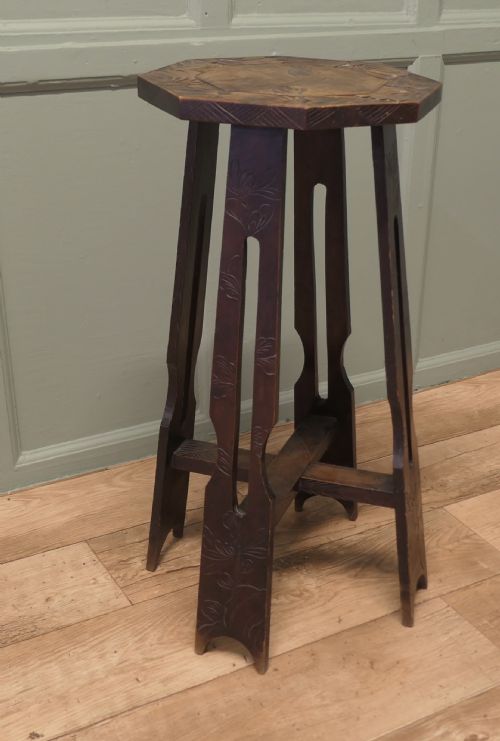
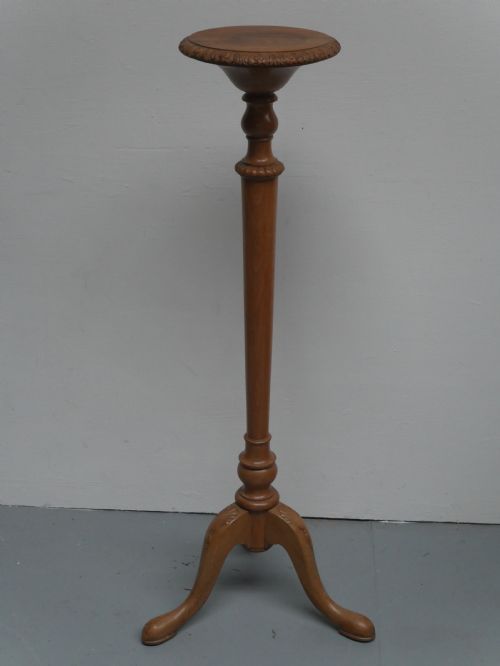
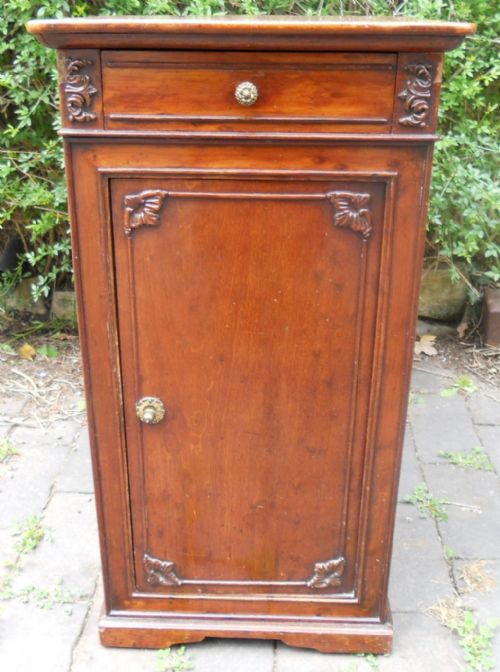
A carved wooden pot stand serves to elevate plants, jardinières and decorative vessels within domestic interiors. These items emerge from periods spanning the nineteenth century through the early twentieth century, encompassing Victorian, Edwardian and Arts and Crafts examples.
How they were made
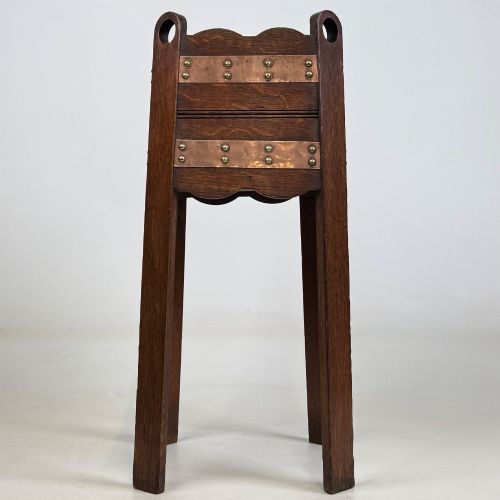
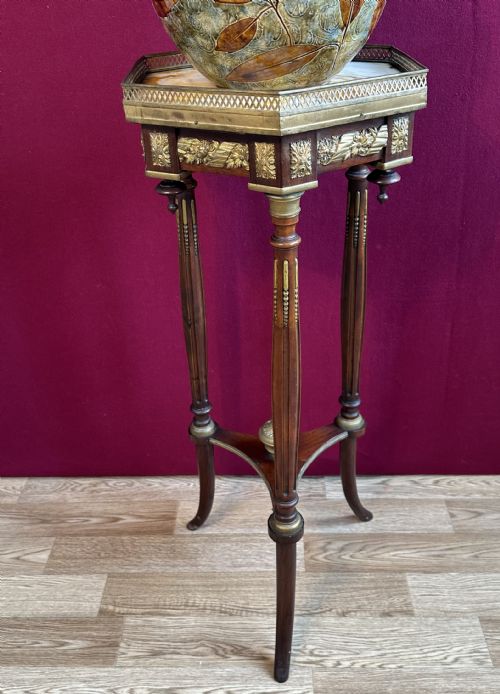
Construction relies upon hardwoods such as oak, mahogany, walnut and exotic timber varieties. Artisans shape these materials through hand carving, often integrating contrasting elements like marble inserts or brass binding.
Surface treatments and joinery reflect the production methods of the nineteenth and early twentieth centuries. Techniques range from straightforward turned and carved supports to elaborate oriental scholarly carving and European revivalist detailing.
Carved Wooden Pot Stand Retail Price Guide 2026
Typical asking prices for carved wooden pot stand among the pieces listed under this phrase on Sellingantiques today, from the lower quarter to the upper quarter. They describe what is for sale here now, not the wider market.
A novelty Black Forest bear figure stands ready to hold condiments among the sturdy botanical supports.
What varies in quality
The distinction between tiers rests upon the depth and execution of the woodwork. Superior examples exhibit crisp, deliberate hand carving and carefully chosen timber grain rather than mechanical repetition.
Integration of secondary materials dictates overall refinement. The secure fit of inset marble tops and the quality of brass mounts elevate a piece beyond standard utilitarian production.
Liberty of London
The Carved Wooden Pot Stand Glossary
- Jardiniere stand
- A tall piece of furniture designed specifically to support a decorative flower pot or planter. These items typically feature a circular or square top raised on legs.
- Brush pot
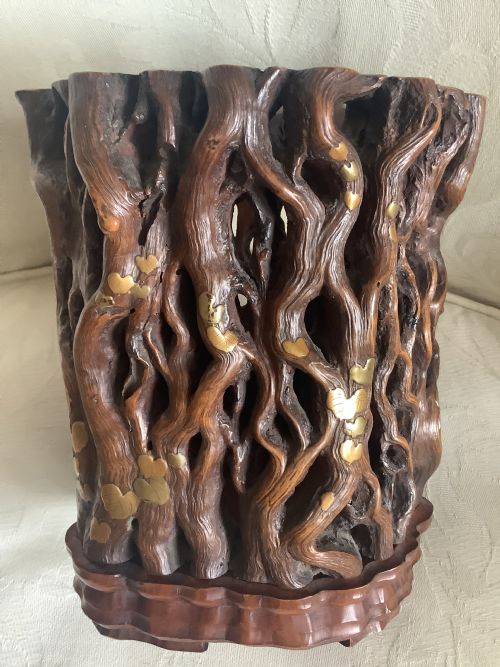
- A vessel used in scholarly traditions for holding writing brushes. Examples in this category are rendered in carved hardwood.
- Arts and Crafts
- A design movement prioritising traditional craftsmanship and simple forms. Objects from this tradition often display honest construction in oak.
- Marble top
- A stone insert fitted into the surface of a stand or cabinet. This provides a durable, water-resistant plateau for plants.
- Qing Dynasty
- The final imperial dynasty of China, spanning the seventeenth to early twentieth centuries. Items from this era frequently utilise carved dense hardwoods.
Carved Wooden Pot Stand: Frequently Asked Questions
What is a carved wooden pot stand used for?
These pieces function primarily to raise plants, jardinières and decorative vessels off the floor. They allow greenery to occupy vertical space and catch natural light more effectively.
Historically, they also served to protect interior floor surfaces and carpets from moisture associated with watering potted plants.
How do I identify a Victorian stand?
Victorian pieces often display dense carving, dark hardwoods like mahogany or walnut, and proportions suited to formal nineteenth-century interiors. Stylistic cues frequently draw upon classical revival motifs.
Construction methods from this era rely on traditional joinery and heavy turning, reflecting the period's preference for solid, substantive furniture.
Where should I place a pot stand at home?
Position these stands in corners, beside seating, or near windows where plants receive adequate sunlight. Their compact footprints make them versatile for filling empty architectural gaps.
Ensure the placement accounts for the weight of the vessel and the practicalities of watering plants indoors.
What is the difference between an Edwardian and a Victorian stand?
Edwardian examples tend to show lighter construction and often incorporate influences from the Arts and Crafts movement. The timber choices frequently shift towards brighter oak with simpler decorative schemes.
Victorian counterparts generally favour heavier timbers, darker finishes and more ornate, formal ornamentation across the frame.