

Coastal Wall Art Oil
Coastal wall art oil pieces capture maritime scenes and seaside views through enduring pigments laid upon canvas and board.
Coastal Wall Art Oil
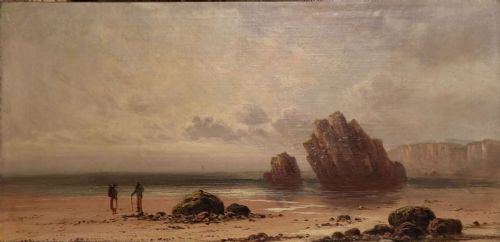
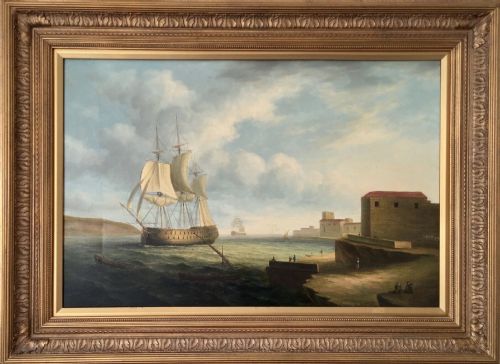
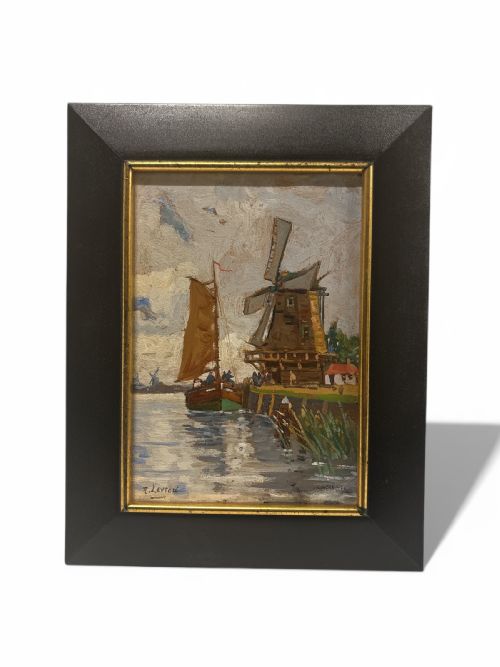
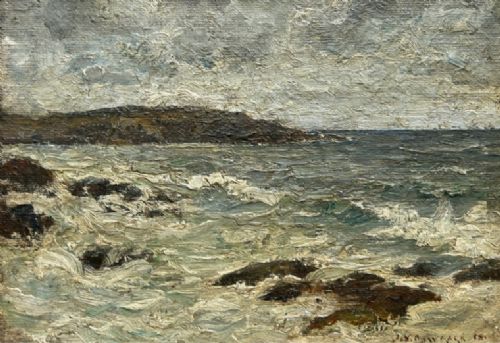
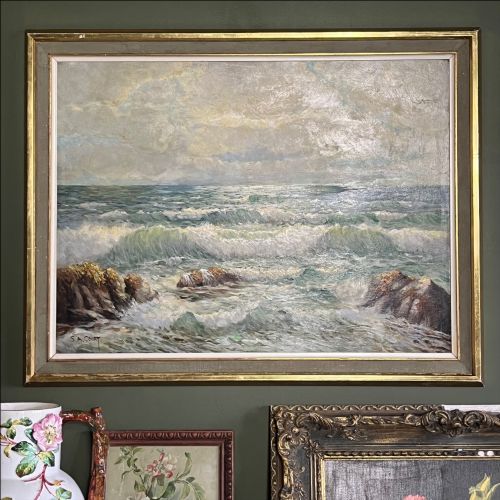
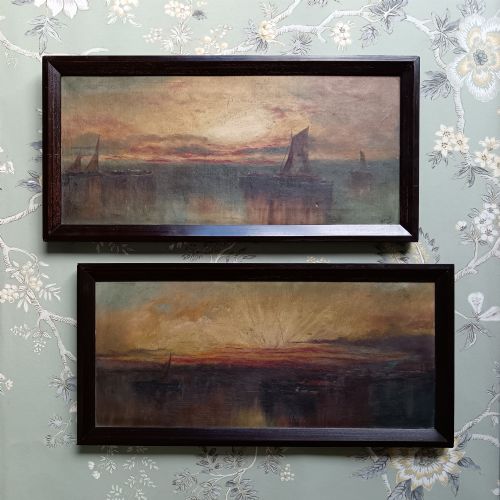
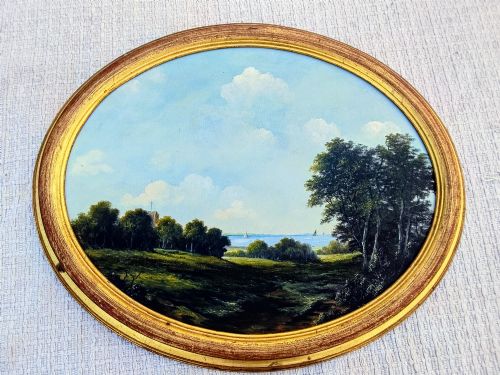
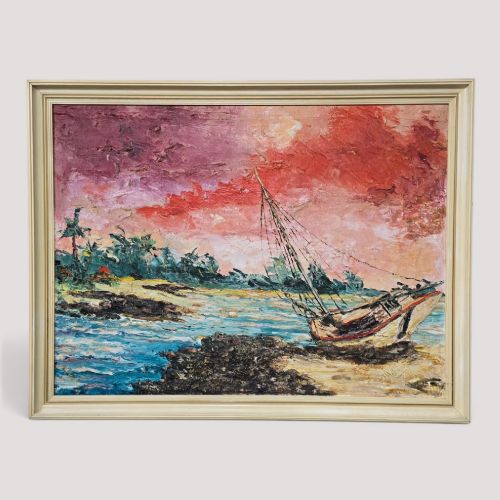
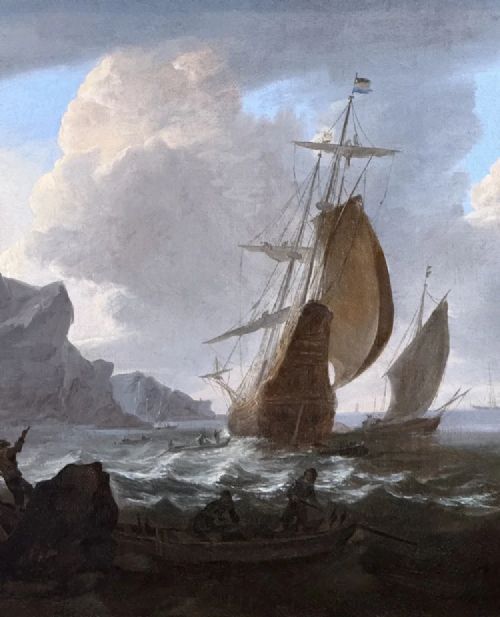
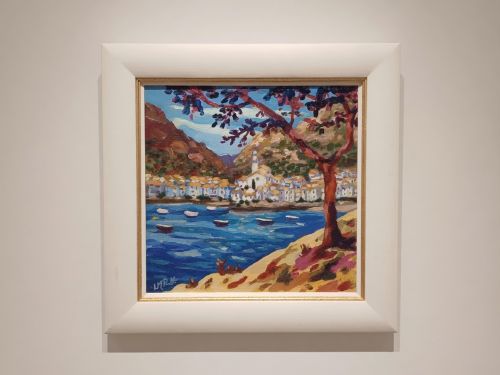
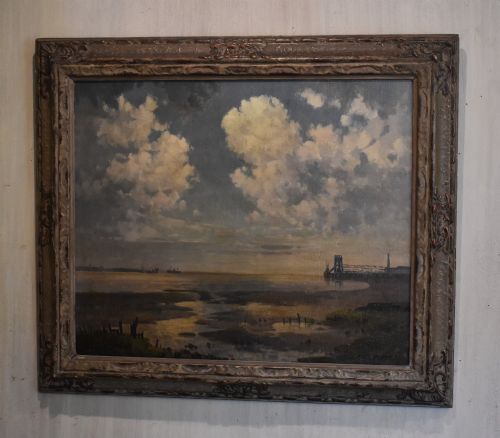
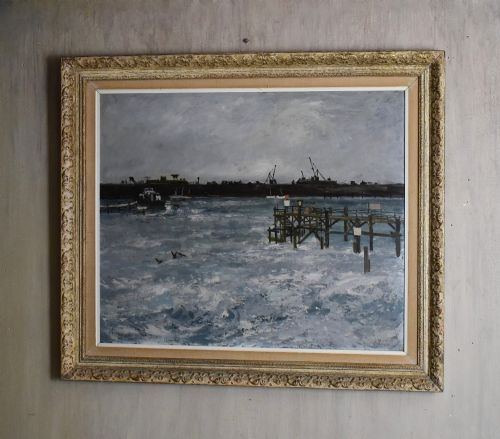
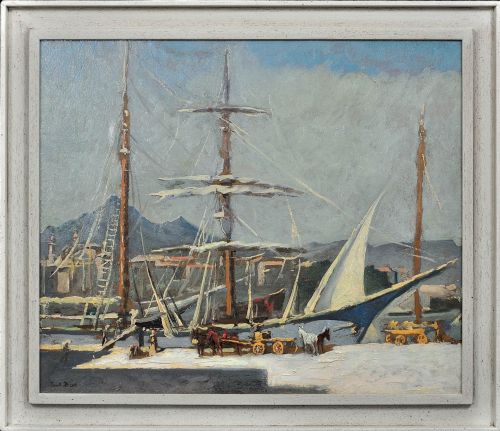
When searching for coastal wall art oil, collectors encounter maritime landscapes, harbour views, and seaside vistas rendered in traditional pigments. These paintings capture shores, ships, and coastal life across various historical periods, from Victorian marine watercraft to mid-century British coastal scenes.
The pieces appearing most frequently span the nineteenth century through the mid-twentieth century, encompassing Edwardian impressions, Post-Impressionist views, and modernist interpretations. Works range from small panel paintings depicting local fishing ports to large canvas representations of ships in gales.
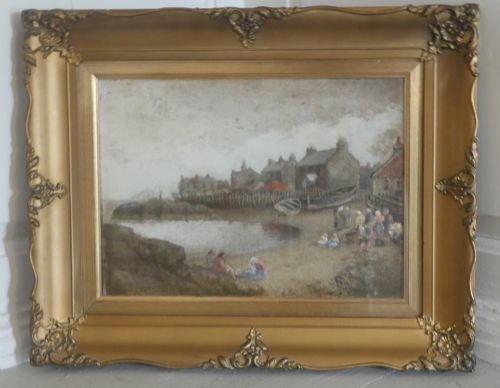
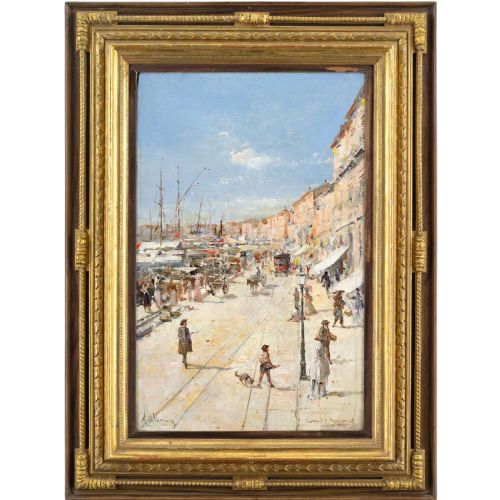
Subjects frequently centre upon specific locations such as Cornish harbours, Italian ports, and British coastal paths populated by vessels, figures, and coastal architecture. Artists utilise oil paint to capture changing light conditions upon the sea and shore.
Quality factors
Quality rests upon the artist's ability to handle light, atmosphere, and spatial depth within a maritime composition, distinguishing skilled observation from formulaic execution. Brushwork agility and the convincing rendering of water and sky elevate certain works above standard decorative painting.
Provenance and documented artist attribution separate signed pieces by established painters from anonymous regional works of the period.
Listings feature oil paint applied to canvas, wood, and board across Victorian, Edwardian, and mid-century periods.
James Hardy·Kenneth Cozens·R Leyton·Sidney A Court·B Nash·Edward Mills·Augusto Alberici·Bonaventura Peeters·Lucy Pratt·Clive Browne·Peter Brannan·Paul Bret·Bernard Benedict Hemy·Thomas Creswick·James Fry·Ethel Sands·Donald McIntyre·Cecil Allan Mould·John Wilson Carmichael·Abraham Cooper·Erich Mercker·William Henry Williamson·Abraham Hulk·Raymond Moritz·Joseph Edward Hennah
The Coastal Wall Art Oil Glossary
- Impasto
- Paint applied thickly to a canvas or board, standing out in relief from the plane and creating tangible texture that catches the light.
- En plein air
- The act of painting outdoors, capturing natural light and atmospheric conditions directly from the coastal subject.
- Marine art
- Depictions of the sea, ships, coastal views, and maritime activities, encompassing both calm harbours and turbulent gales.
- Gilt frame
- A wooden picture surround coated in gold leaf or metallic paint, frequently enclosing Victorian and Edwardian oil paintings.
Coastal Wall Art Oil: Frequently Asked Questions
What periods do these paintings date from?
The selections span from the seventeenth century through the nineteenth century, Edwardian era, and mid-twentieth century.
Works reflect changing stylistic movements such as British Impressionism, Post-Impressionism, and Mid-Century Modernism.
How should I display a coastal oil painting?
These works suit domestic interiors when hung away from direct sunlight and excessive moisture.
Pairing the piece with its period frame ensures structural integrity and historical presentation.
Are these paintings executed on canvas or board?
Support materials vary, with artists utilising stretched canvas, wooden panels, and firm boards.
Each support type dictates how the oil paint ages and how the brushwork sits on the surface.
How do I identify the subject of a maritime painting?
Subjects often include named harbours, specific ships, coastal paths, and historical vessels documented by the artist.
Signatures, inscriptions on the reverse, and stylistic clues help pinpoint the exact geographical location.