


Antique Ocean Oil Painting
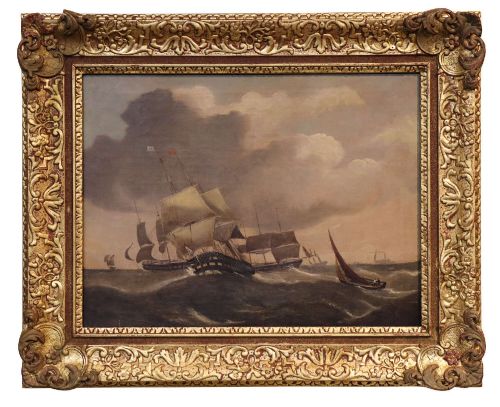
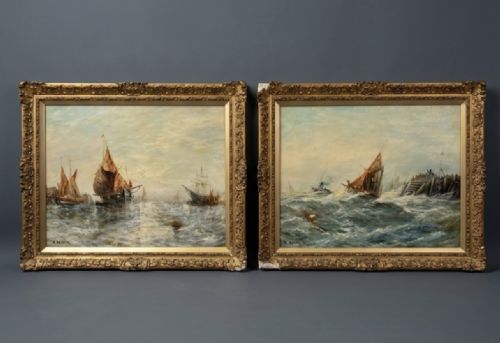
An antique ocean oil painting captures the unpredictable movement of open water, bringing historical maritime scenes and dramatic coastal weather directly onto the wall.
Antique Ocean Oil Painting
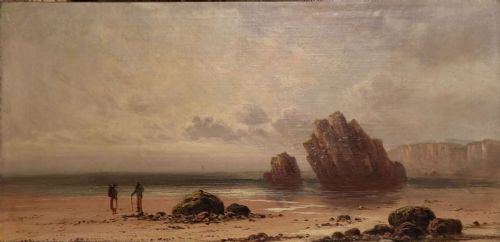
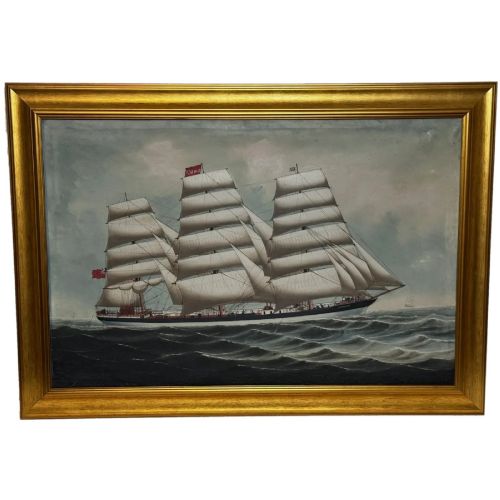
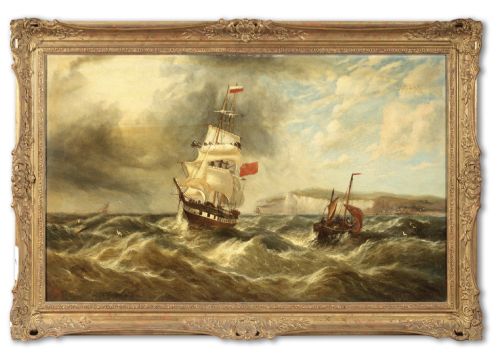
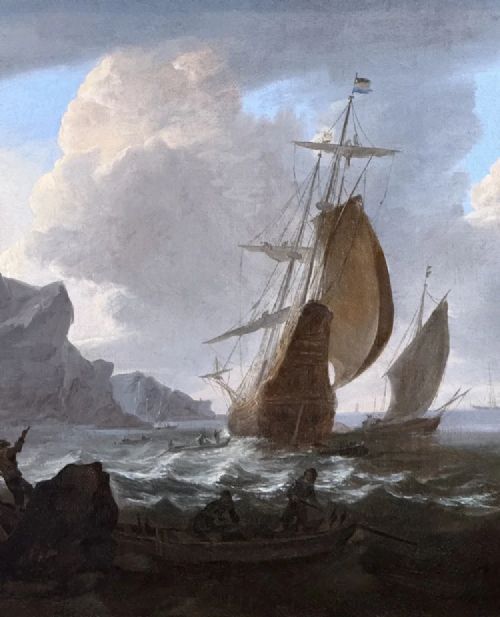
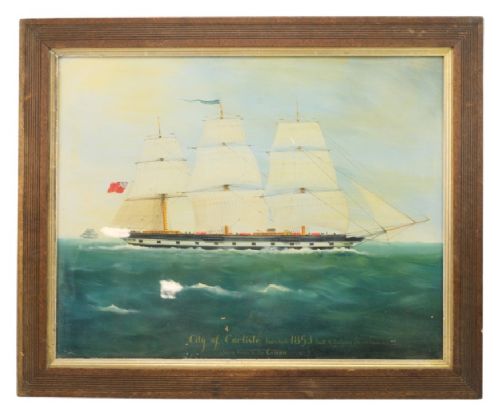
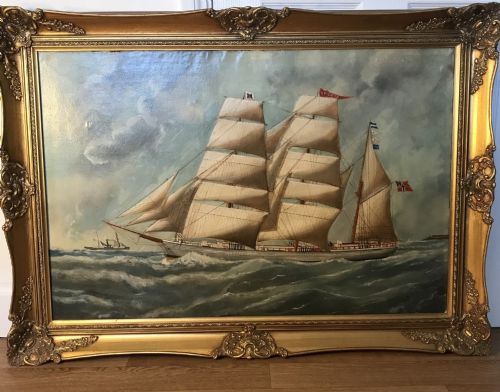
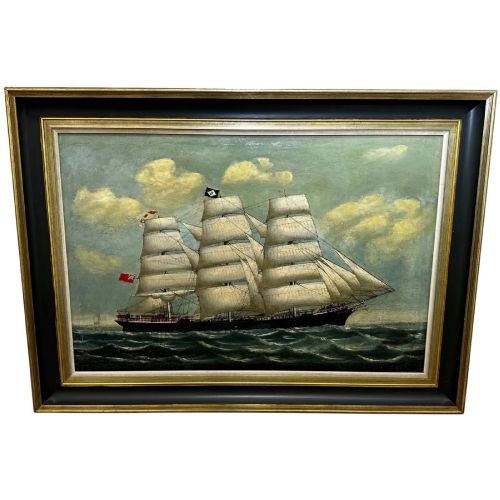
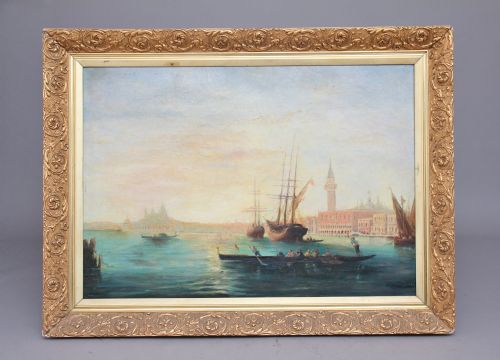
When searching for an antique ocean oil painting, collectors encounter a diverse range of maritime art spanning from the seventeenth century through to the mid-twentieth century. The selection encompasses detailed depictions of named merchant ships, local fishing vessels in heavy seas, and quiet coastal lagoons.
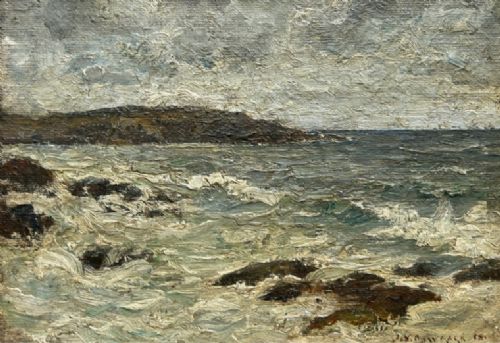
The versions most commonly met on this page originate from the nineteenth and early twentieth centuries. These works include framed Victorian marine scenes, Edwardian coastal views, and British or French impressionist interpretations of the open sea.
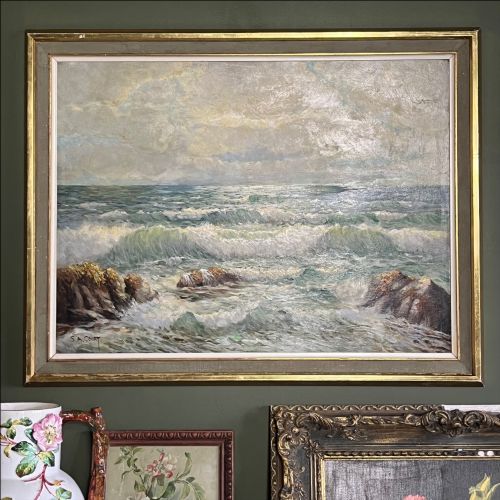
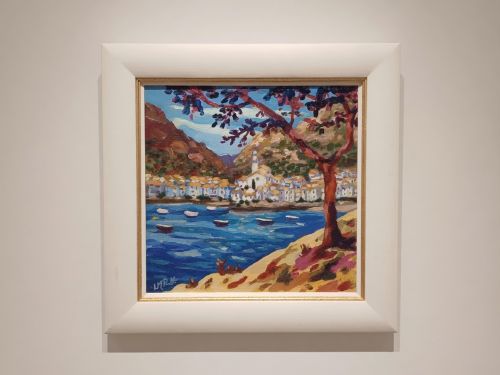
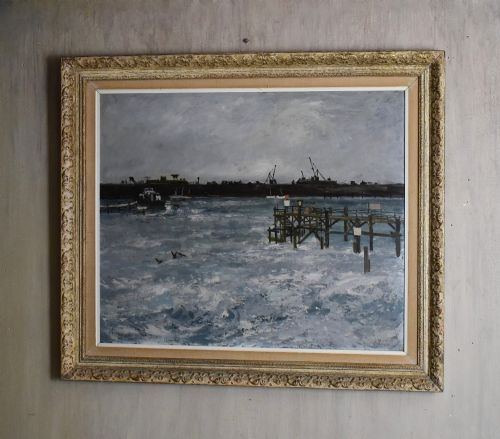
Compositions vary considerably in scale and subject matter, stretching from calm Venetian waterways and French cliffs to turbulent gales involving Dutch boats and dramatic shipwrecks. Works appear executed on traditional canvas, wood panels, or board, frequently housed within period gilt wood frames.
Materials and construction
These works rely primarily on oil paint applied to prepared canvas or wooden board surfaces. Artists utilised the fluid qualities of oil medium to render the shifting textures of water, foam, and cloud formations.
Many surviving pieces retain their original or period frames constructed from wood and embellished with gold leaf or gilt. These frames often provide structural context, matching the aesthetic standards of the Victorian and Edwardian periods.
Several artists captured the exact moment a ship struck a reef, proving that nineteenth-century viewers loved a good maritime disaster.
Evaluating the range
Quality in these maritime works rests on the artist's ability to convey the weight and momentum of water through brushwork and composition. The handling of light upon turbulent waves and the accurate rigging of vessels separate ambitious academic studies from more formulaic decorative productions.
The preservation of the pigment and the integrity of the canvas or board surface dictate the overall standard of a piece. Original framing with intact gilding also contributes to the historical completeness of the artwork.
Reginald Arthur Borstel·John Rose Miles·Bonaventura Peeters·John Moore of Ipswich·Nicholas Condy·Thomas Hodgson Liddell·William Henry Williamson·Charles Napier Hemy·Gustave De Bréanski·Daniel Sherrin·Abraham Hulk Snr·Claude Thomas Stanfield Moore·Roger de la Corbiere
The Antique Ocean Oil Painting Glossary
- Impasto
- Paint applied thickly to a canvas, standing out from the surface to give a tactile, three-dimensional quality. This technique frequently highlights the turbulent texture of crashing waves and foam.
- Seascape
- A work of fine art that depicts the sea, ocean, or coastal views. These pieces focus heavily on marine weather, tides, and shipping.
- Gilt wood
- Wood carved and coated with a thin layer of gold leaf or metallic paint. It forms the traditional framing material for many nineteenth-century oil paintings.
- Pierhead painting
- A specific genre of ship portrait created to record merchant vessels, often showing the ship entering or leaving a specific port. These works prioritize accurate details of nautical rigging and flags.
- Canvas
- A heavy woven fabric stretched across a wooden stretcher bar to serve as a support for oil painting. It remains the most common substrate found in this category.
Antique Ocean Oil Painting: Frequently Asked Questions
How do I date an antique ocean oil painting?
Dating relies heavily on stylistic clues, the construction of the canvas support, and the framing materials. Victorian and Edwardian pieces often display specific clothing on figures or vessel designs that correlate with known maritime history.
Signatures, exhibition labels, and inscriptions on the reverse of the canvas or board offer further chronological evidence. Comparing the brushwork to documented works by named artists in the same period helps narrow the timeframe.
Where should I hang a marine painting?
These works require placement away from direct sunlight and excessive humidity to protect the oil pigments and wooden frames. A stable indoor environment prevents the canvas from slackening and the gilt wood from cracking.
Lighting should be direct and soft to reveal the layered impasto and subtle tonal shifts in the water. Positioning the piece at eye level allows the viewer to appreciate the depth of the horizon and sky.
What is the difference between a seascape and a landscape?
A seascape centres exclusively on the ocean, open water, or marine activity as the primary subject of the composition. Landbound elements like cliffs or shores serve merely as a framing device for the water.
Landscapes focus on terrestrial terrain, foliage, and inland views without an emphasis on tides or maritime navigation. Many pieces bridging the two categories are properly termed coastal scenes.