


Antique French Maritime Painting
These antique french maritime painting selections bring the harbours, shores and waters of the nineteenth and twentieth centuries directly into a room.
Antique French Maritime Painting
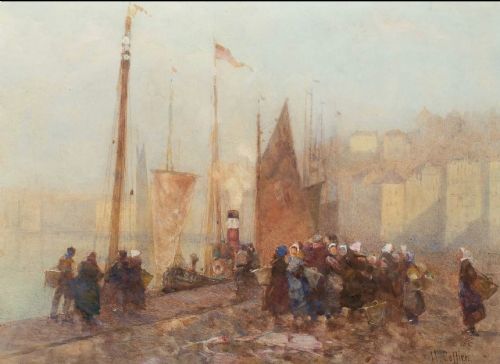
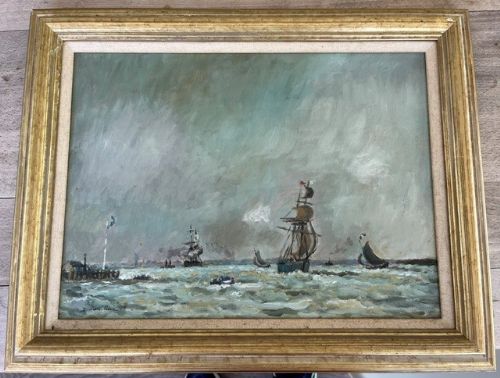
An antique french maritime painting captures coastal scenes, ports, shipping and open waters across the nineteenth and twentieth centuries. Buyers encounter works ranging from impressionist watercolours of Normandy inlets to post-impressionist oils depicting the rugged Brittany coastline and the sunlit Mediterranean shores of the Côte d'Azur.
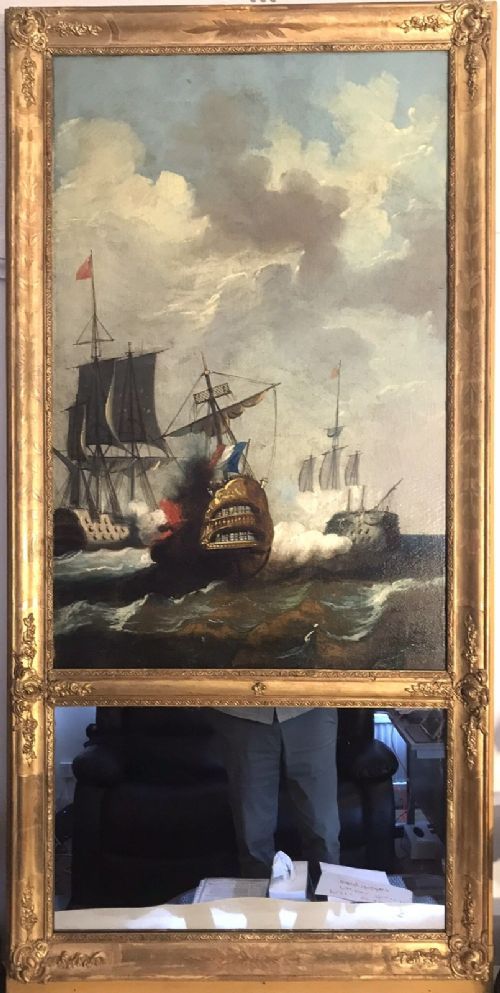
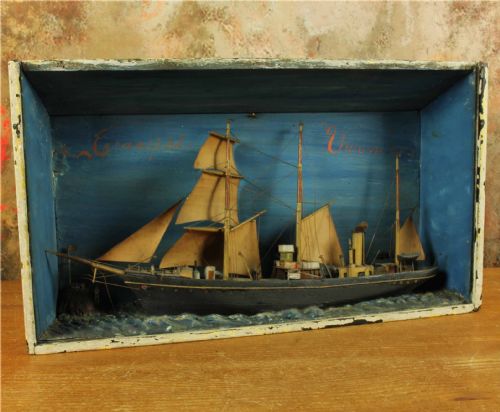
The selection encompasses framed canvases, panel studies and works on paper, frequently framed within period wood or giltwood surrounds. Alongside traditional fine art paintings, the category includes related maritime objects such as trumeau mirrors inset with seascape panels and handmade ship dioramas.
Originating predominantly from French schools and local artists recording regional harbours, these works reflect changing coastal light and maritime trades. The periods span from mid nineteenth century romanticism through to mid twentieth century expression, offering varied interpretations of sea and shore.
How they were made
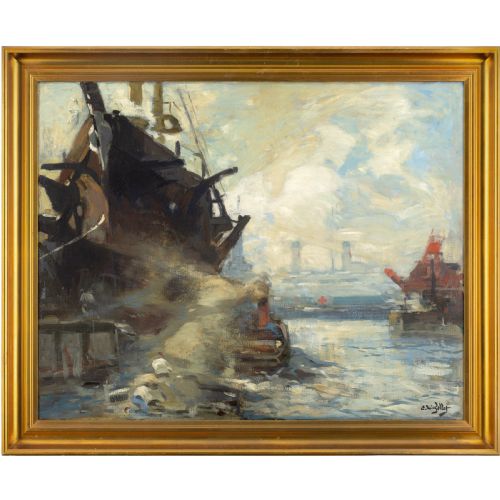
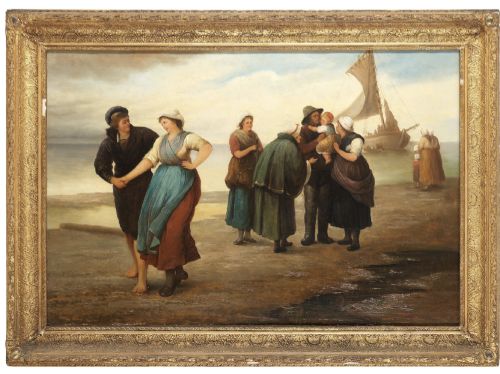
Artists primarily applied oil paint to stretched canvas or wooden board, building texture and atmospheric effects through layered brushwork. Watercolour and gouache were also utilised on paper for lighter coastal studies, often preserved beneath protective glass.
Frames and structural mountings incorporate carved wood and gilt finish, sometimes integrating painted panels directly into interior architectural elements such as trumeau mirrors. The physical materials reflect standard atelier practices of French studios during the nineteenth and twentieth centuries.
Listings feature works spanning from the nineteenth century through to the 1950s, utilising oil paint, watercolour, and gouache on canvas, wood, and paper.
What varies in quality
Quality rests in the handling of light, brushwork confidence and compositional balance rather than the mere age of the canvas. Master works demonstrate deliberate control over atmospheric weather and coastal reflections, whereas lesser pieces rely on formulaic depictions of standard harbour views.
The preservation of the original paint surface and the integrity of the associated frame heavily influence the standing of a piece. Finer examples retain their initial pigment vibrancy without heavy retouching, housed securely within period wood or giltwood surrounds.
Eugène-Louis Gillot·Hector Caffieri·Paul Delvaux·Louis Suire·Jean-Baptiste Olive·William Lee Hankey·Armand Guillaumin·Edward Henry Holder·Charles Euphrasie Kuwasseg·Henri Ottman·Henri Cadiou
The Antique French Maritime Painting Glossary
- Trumeau mirror
- A decorative wall mirror featuring an upper painted panel, frequently incorporating a coastal or maritime scene above the glass plate. These architectural fittings originated in French domestic interiors.
- Gouache
- An opaque water-based paint medium used on paper to achieve matte, saturated colour fields. It appears frequently in detailed maritime watercolours from the period.
- Post-Impressionism
- An art movement extending impressionist techniques towards bolder colour and expressive forms. Many twentieth century coastal scenes utilise these stylistic traits.
- Giltwood
- Wood carved and coated with a thin layer of gold leaf or gilt powder. It forms the decorative surface of period frames and mirror surrounds.
- Diorama
- A three-dimensional scenic display enclosing handmade model boats within a framed box. These objects often incorporate local materials and detailed rigging.
Antique French Maritime Painting: Frequently Asked Questions
Where were these paintings typically displayed?
These maritime works usually hung in domestic reception rooms, coastal residences and official maritime offices throughout France. Owners placed them to reflect personal connections to naval service or regional ports.
Over time, collectors relocated these paintings into private studies and living spaces where the coastal palettes complement traditional and modern interiors.
How do I identify a coastal scene from Normandy versus the Riviera?
Normandy scenes typically display muted grey tones, atmospheric mists, heavy cloud cover and tidal mudflats reflecting northern light. Artists working in these northern ports emphasised the rugged nature of Atlantic tides.
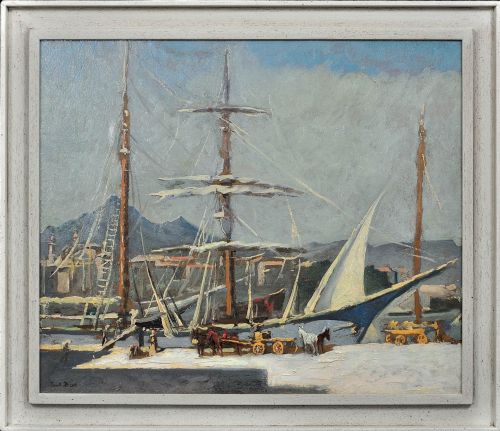
In contrast, depictions of the Côte d'Azur feature bright azure waters, sunlit quays and vibrant southern light. The colour palettes shift toward warm ochres, deep blues and strong daylight.
Can I hang these paintings in direct sunlight?
Direct sunlight accelerates the fading of organic watercolours and alters delicate oil pigments over extended periods. Placing these works away from intense direct rays preserves the original colour balance.
Maintaining stable indoor humidity levels also protects wooden panels and canvas grounds from warping or developing surface craquelure.
What is the difference between an oil on canvas and an oil on board?
Oil on canvas involves stretching woven textile fabric over a wooden frame, providing a flexible surface that responds to atmospheric changes. This method was standard for larger formal paintings.
Oil on board utilises a rigid wooden or composition support, frequently employed for rapid plein air studies painted directly on location at the harbour side.