



Impasto Coastal Oil Painting
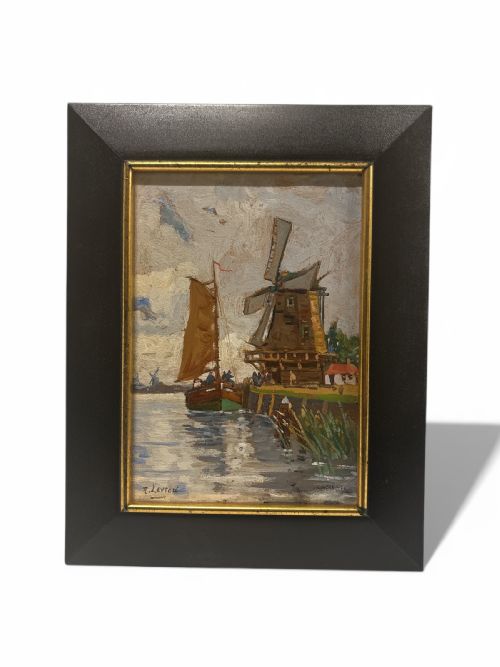
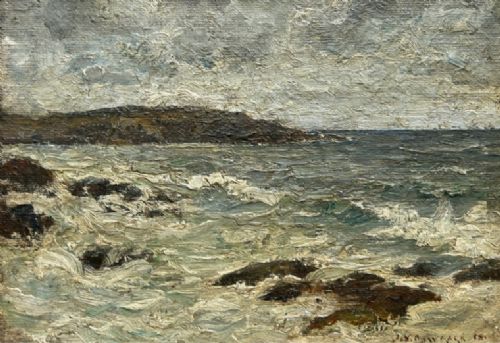
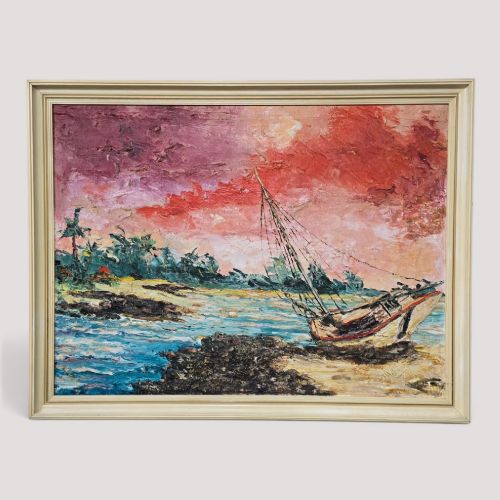
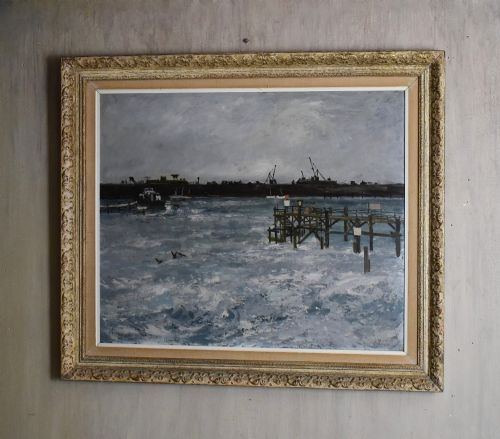
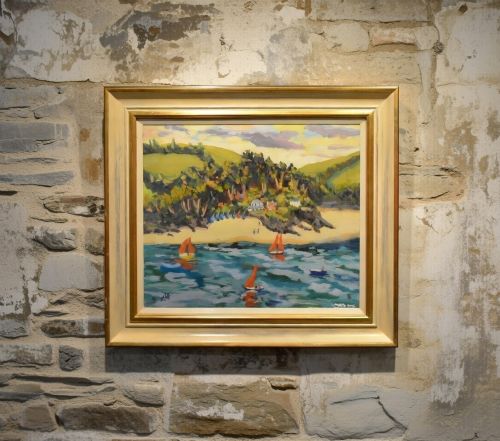
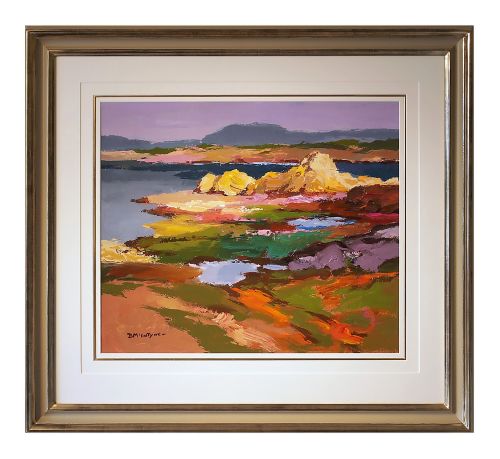
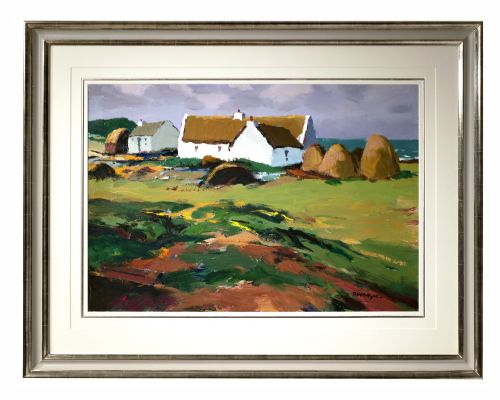
An impasto coastal oil painting brings the heavy texture of sea spray and shoreline rocks directly onto canvas or board.
Impasto Coastal Oil Painting
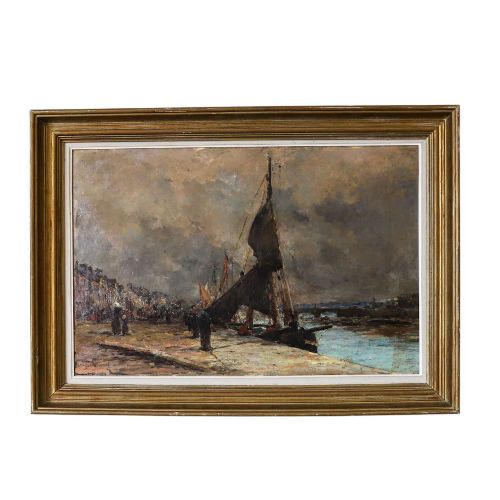
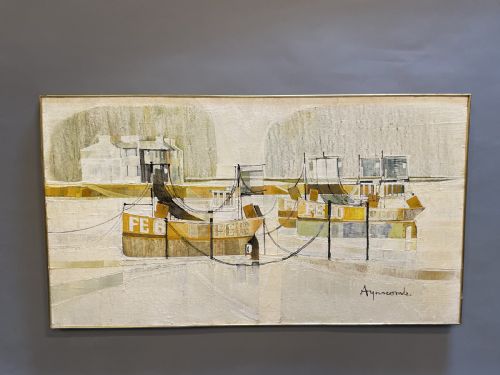
An impasto coastal oil painting captures maritime views, harbours, and estuaries through thick, raised applications of paint. The selection ranges from 19th-century harbour scenes to mid-century British and French impressionist works.
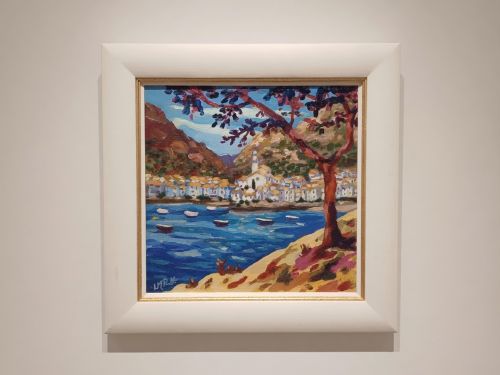
Buyers will encounter board and canvas supports housed in frames, depicting locations from Dorset and Cornwall to the French Riviera. These works apply impressionist and post-impressionist styles to coastal terrain and shipping.
Works span the Edwardian era through the 1960s, showing marine subjects rendered with visible brushwork and palette knife marks. The typical format presents coastal lighting through physical texture rather than smooth blending.
Materials and construction
Artists built these coastal scenes using oil paint applied thickly to canvas, wood panels, or boards. The heavy pigment creates ridges and peaks that catch the light, relying on the physical body of the oil medium.
Supports include stretched canvas and rigid wooden boards, sometimes paired with gilt frames that complement the maritime subjects. The technique depends on brushes and palette knives to lay down substantial amounts of paint.
Listings feature oil paint on canvas and board across periods from the 19th century through the 1960s.
Distinctions in quality
Quality rests in the handling of the medium and the conviction of the brushwork, where thicker pigment translates spatial depth and light effectively. Stronger examples use the texture of the paint to define water, sky, and stone with economy.
Compositional balance separates standard topographical views from works with dynamic energy. The interaction between the impasto surface and the underlying support reveals the artist's control over the medium.
Kenneth Cozens·R Leyton·Lucy Pratt·Peter Brannan·Donald McIntyre·Helen Layfield Bradley·Jean-Baptiste Olive·Raymond Picque·James Fry·Cecil Rochfort D'Oyly-John·Florence Hess·Jeffrey Pratt·Edward M Elliott·Jack R Mould·Ernst Louizor
The Impasto Coastal Oil Painting Glossary
- Impasto
- Paint laid on an area of a surface in very thick layers, usually thick enough that the brush or painting-knife strokes are visible. This technique adds three-dimensional texture to the flat surface of a canvas or board.
- Canvas
- Closely woven fabric used as a surface for oil painting. It is typically stretched across a wooden frame before the artist begins.
- Board
- A rigid wooden or composite panel used as a flat support for oil paint. It offers a solid resistance that suits thick application techniques.
- Gilt frame
- A wooden picture surround covered with gold leaf or metallic gilt paint. These frames enclose many period oil paintings to enhance their visual weight.
- Impressionism
- A 19th-century movement characterised by relatively small, thin, yet visible brush strokes and an emphasis on accurate depiction of light. It forms a primary stylistic foundation for these coastal scenes.
Impasto Coastal Oil Painting: Frequently Asked Questions
What is an impasto coastal oil painting?
An impasto coastal oil painting is a maritime artwork where the paint is applied in thick, raised strokes. This technique gives the surface a physical texture that mimics waves, rocks, and coastal atmospheres.
Such works range from early twentieth-century harbour scenes to mid-century impressionist views. Artists use the heavy pigment to capture the tactile qualities of the sea and shore.
How should I hang an oil painting?
Oil paintings on canvas or board require stable indoor environments away from direct sunlight and damp conditions. Proper picture wire and wall anchors secure the weight of the framed artwork.
Keep these pieces out of rapid temperature fluctuations to protect the wooden supports and oil medium. Adequate wall space allows the heavy textures and gilt frames to be viewed without obstruction.
How do I identify the period of a painting?
Dating relies on stylistic clues, framing materials, and artist signatures recorded in the inventory. Mid-century works often display post-impressionist or modern British tendencies, while older pieces show 19th-century conventions.
Examine the reverse of the canvas or board for stamps, labels, and inscriptions left by previous owners or retailers. These markers help anchor the creation date within a specific decade.
Where were these coastal scenes painted?
The inventory records coastal subjects from British locations such as Wales, Dorset, Cornwall, and Yorkshire. Other works capture continental European harbours along the French Riviera and Brittany.
Artists travelled to these maritime ports to record local shipping, estuaries, and fishing fleets. The varied geography produces distinct lighting conditions across the collection.