



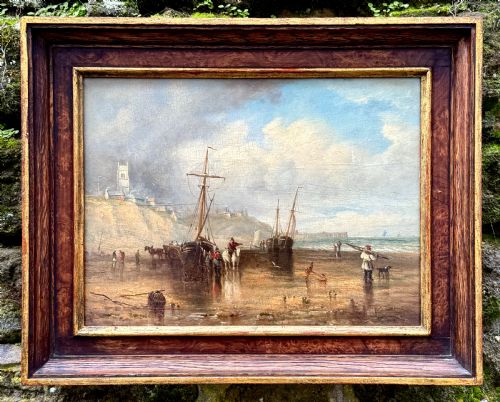
Coastal Scene Artwork
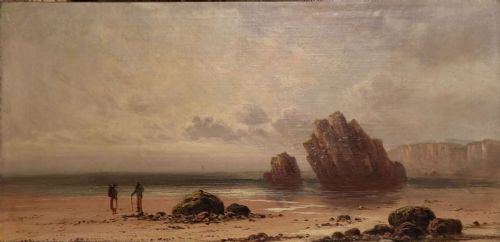
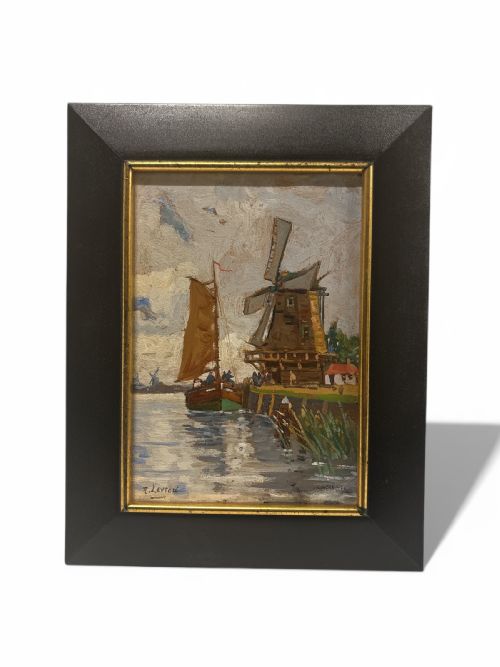
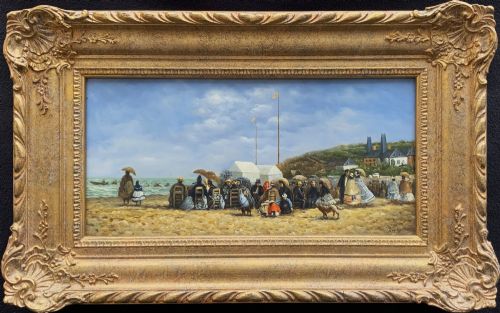
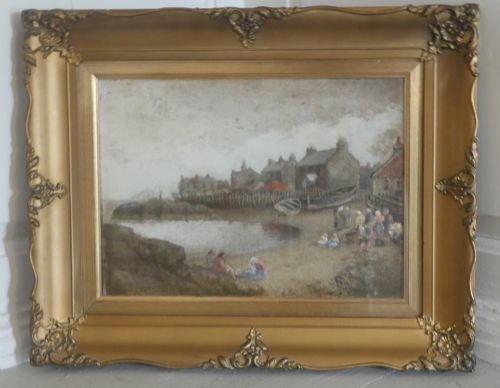
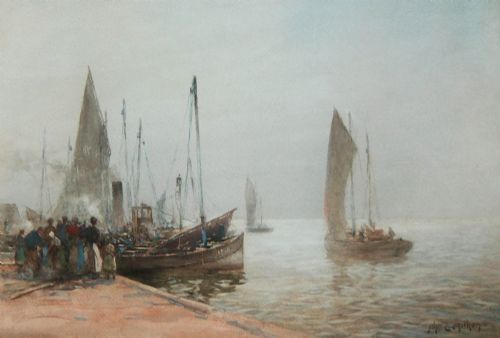
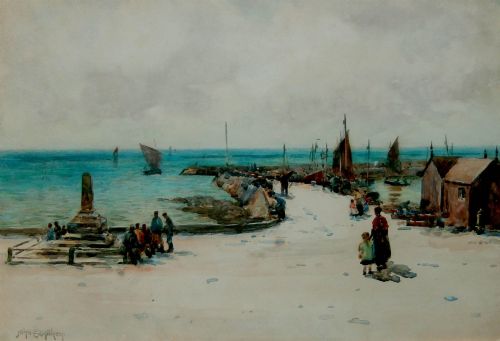
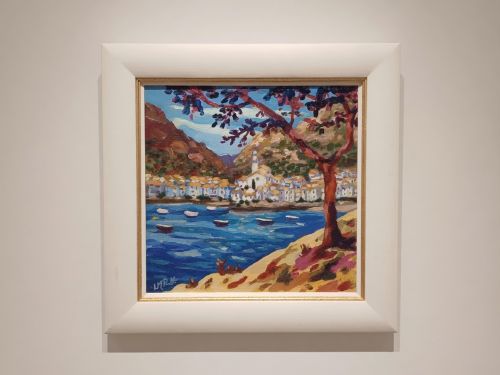
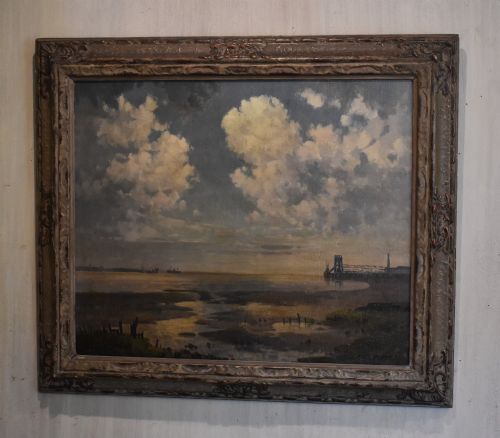
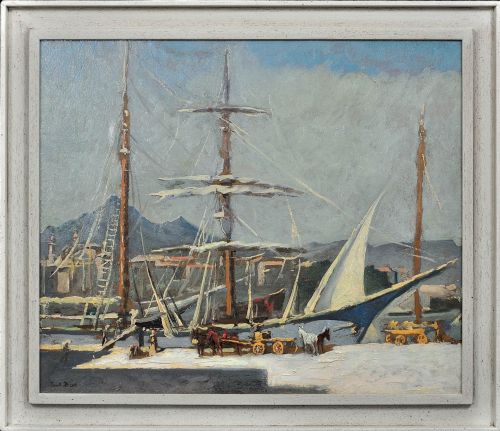
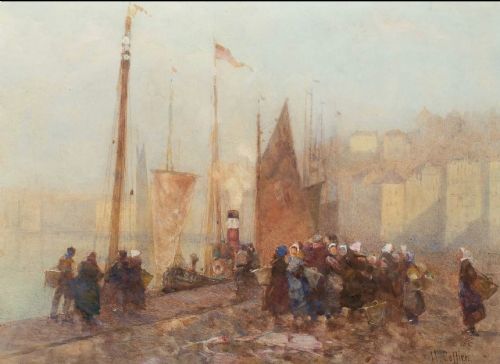
Coastal scene artwork brings maritime life, harbours and open water into interiors through paintings that span the nineteenth and twentieth centuries.
Coastal Scene Artwork
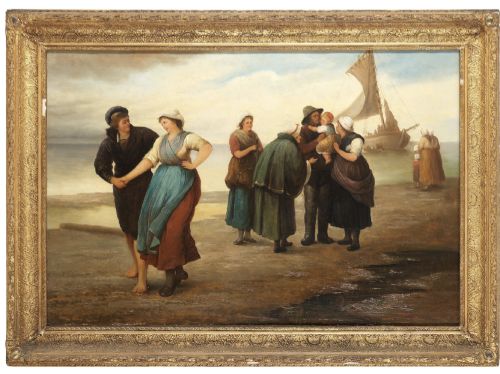
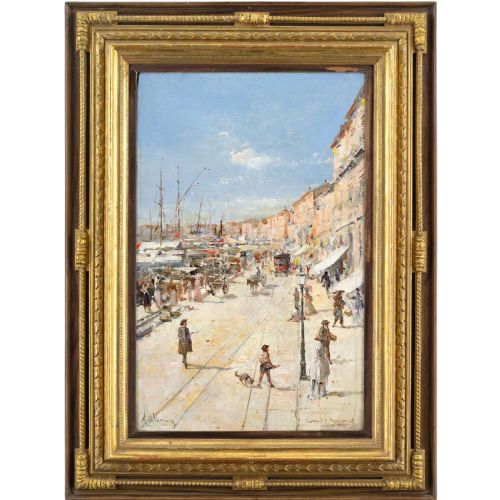
When searching for coastal scene artwork, a buyer encounters oil paintings and watercolours that capture harbours, fishing boats, and shorelines from the nineteenth century onwards.
The selections available range from Victorian marine art and Edwardian watercolours to mid-twentieth-century British Impressionism and Post-Impressionism.
Most pieces depict specific locations such as Cornish fishing ports, Scottish harbours, and continental European coastal towns rendered in oil on canvas or paper.
How they were made
Artists painted these scenes using oil paint on canvas or board, alongside watercolours on paper, often framing the finished works in gilt wood.
Techniques varied from tight Victorian academic precision to looser Post-Impressionist brushwork and modernist abstraction utilising glass for protection on works on paper.
Listings feature works executed in oil and watercolour on paper, canvas, and board.
What varies in quality
Quality rests upon the artist's command of light, atmosphere, and maritime topography, distinguishing accomplished plein-air observation from formulaic studio production.
The handling of medium, whether the transparency of watercolour washes or the impasto of oil paint, determines the visual depth of the scene.
James Orrock·Augusto Alberici·Thomas Creswick·Abraham Hulk I·Paul Delvaux
The Coastal Scene Artwork Glossary
- Watercolour
- A painting method where fine pigment is suspended in a water-based solution and applied to paper. It allows for delicate washes and luminous effects often seen in seaside views.
- Impressionism
- A style of painting that focuses on the immediate visual impression of a scene, paying close attention to light and its changing qualities. Works in this manner often feature rapid brushstrokes.
- Gilt wood
- Wood carved and coated with gold leaf or gold-coloured finish to form decorative frames. These frames frequently accompany nineteenth-century maritime paintings.
- Seascape
- A work of art depicting the sea, coastal views, or marine vessels. This genre forms the core of the available pieces.
Coastal Scene Artwork: Frequently Asked Questions
What periods do these coastal paintings represent?
The available pieces stretch from the nineteenth century through the Edwardian era and into the mid-twentieth century.
Buyers encounter Victorian marine works alongside modernist interpretations from the 1950s and 1960s.
How should I hang watercolour coastal works?
Watercolours on paper require protection from direct sunlight to prevent the pigments from fading over time.
Glazing with glass and keeping them away from damp environments ensures the paper and pigments remain stable.
Are these paintings signed by the artists?
Many of the works retain the original signature of the painter either on the front or inscribed on the reverse.
Documentation often links specific pieces to known British and continental European artists of the period.
What framing is typically found on these artworks?
Oils on canvas and board are frequently housed in period gilt wood frames that complement the painting style.
Works on paper generally feature traditional wooden frames under glass to safeguard the delicate medium.