



Coastal Shore Oil Painting
A coastal shore oil painting captures the rugged beauty of maritime life, offering buyers a timeless window into historic shores and bustling harbours.
Coastal Shore Oil Painting
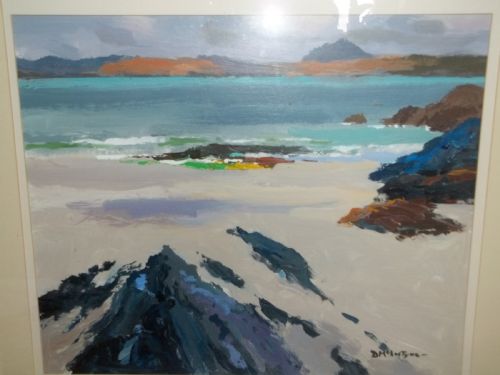
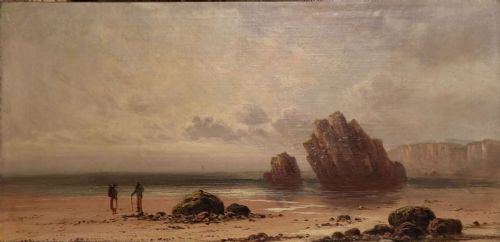
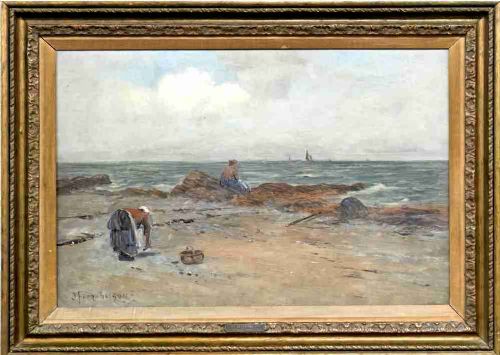
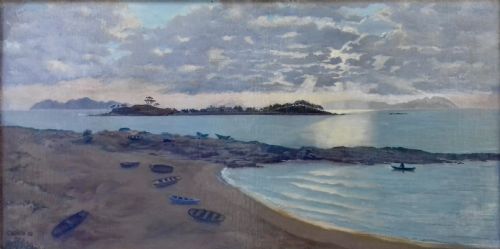
A coastal shore oil painting depicts maritime scenes ranging from quiet sandy beaches to dramatic rocky cliffs with sea stacks. These works capture fishing boats, sailing vessels, and figures gathered along the shore under shifting atmospheric skies.
Buyers encounter diverse stylistic approaches within this genre, spanning traditional Victorian maritime depictions, British and Scottish impressionism, and mid-century modern interpretations. The selections on this page reflect centuries of artistic engagement with the sea.
Subjects frequently centre on everyday coastal activities, such as oyster pickers or boats resting on the shore during evening tides. Each canvas preserves a specific moment of maritime history through the medium of oil paint.
Materials and methods
These works are executed in oil paint, primarily applied to canvas or occasionally board. Artists utilised the rich, blendable properties of oil to render the translucent qualities of water and the heavy texture of stormy skies.
Many of the surviving works retain their original timber frames, frequently enhanced with gold leaf or gilt wood. These frames provide a robust structural boundary that complements the maritime subject matter.
Several canvases capture artists lingering on windy shores, occasionally trapping stray grains of sand permanently within the drying oil paint.
Factors determining quality
The standard of a coastal shore oil painting depends heavily on the artist's ability to capture natural light and atmospheric depth. Superior works demonstrate confident brushwork that conveys the movement of water and the weight of clouds.
The integrity of the canvas and the preservation of the original paint layer significantly influence the overall standard. Works that retain their period gilt wood or timber frames without extensive modern restoration are particularly sought after by collectors.
Joseph Farquharson·Charles Malfroy·Gustave de Breanski·Robert Macaulay Stevenson·Pieter Cornelis Dommersen·Henri Cadiou
The Coastal Shore Oil Painting Glossary
- Canvas
- A heavy woven fabric used as a surface for oil painting. It provides the necessary texture and tension to support layers of oil paint over centuries.
- Gilt wood
- Wood that has been coated with a thin layer of gold leaf or gold paint. This finish was traditionally applied to enhance the decorative appeal of picture frames.
- Impressionism
- An artistic style characterised by relatively small, thin yet visible brush strokes and an emphasis on accurate depiction of light. This approach frequently appears in late nineteenth and early twentieth century marine works.
Coastal Shore Oil Painting: Frequently Asked Questions
How do I date a coastal oil painting?
Dating typically relies on a combination of stylistic clues, stretcher construction, and canvas preparation methods used during specific periods. Artists' signatures and historical records also provide reliable chronological markers.
Examining the framing materials offers further clues, as original timber and gilt frames often correspond to the era in which the artwork was painted.
Where were these marine scenes painted?
Painters travelled extensively along British, Scottish, Dutch, and Spanish shores to capture authentic maritime environments. Local fishing ports and bustling coastal inlets served as primary subjects for outdoor sketching.
Studio work often followed these excursions, transforming field studies into finished canvases depicting local watercraft and coastal workers.
What framing is appropriate for these artworks?
Period timber frames and gilt wood surrounds complement the traditional aesthetic of nineteenth and early twentieth century canvases. These frames often share the age and wear of the painting itself.
Replacing a damaged frame requires careful consideration of the period to ensure the replacement matches the historical context of the artwork.