



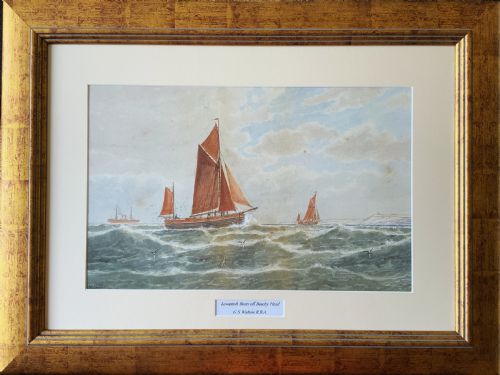
Vintage Ocean Wall Art
Vintage ocean wall art brings maritime scenes, coastal views and historic vessels into your rooms through traditional paintings.
Vintage Ocean Wall Art
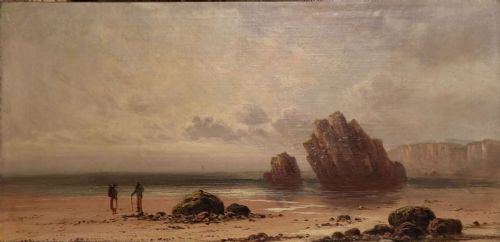
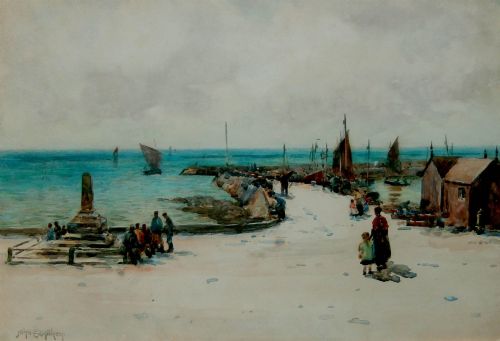
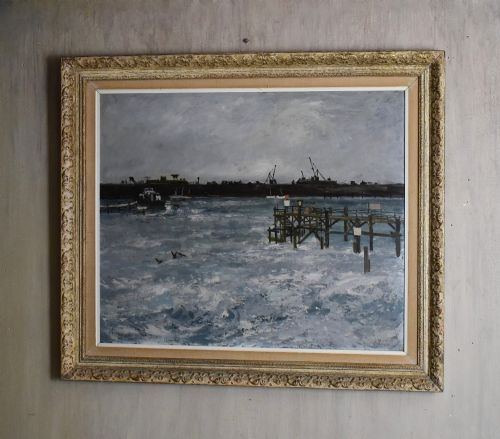
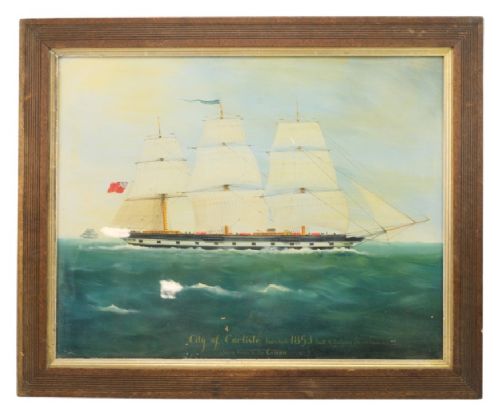
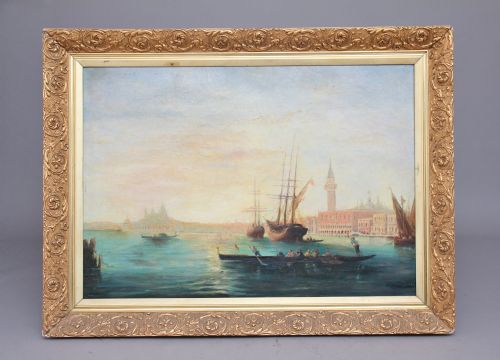
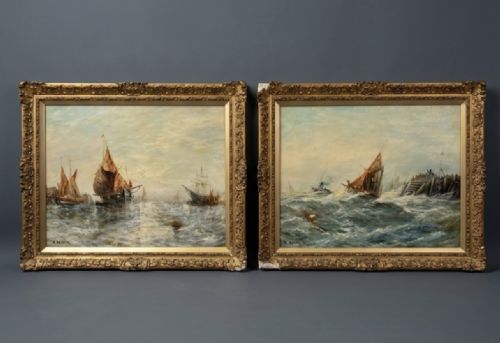
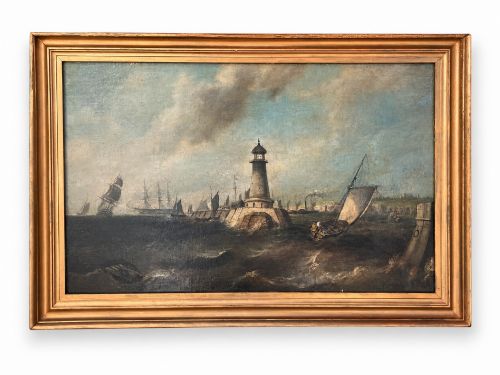
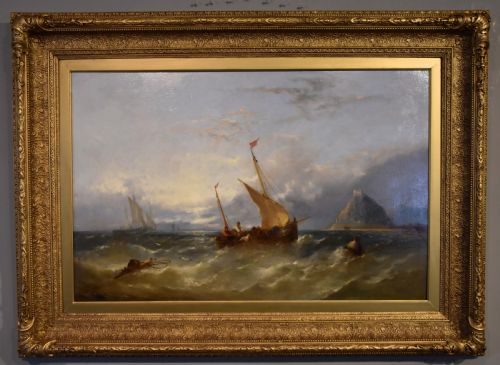
Vintage ocean wall art encompasses historical marine paintings, coastal watercolours and maritime scenes created from the nineteenth century into the mid-twentieth century. Buyers searching for vintage ocean wall art encounter oil paintings on canvas or board, gouache works and delicate watercolours depicting everything from calm harbours to dramatic storms.
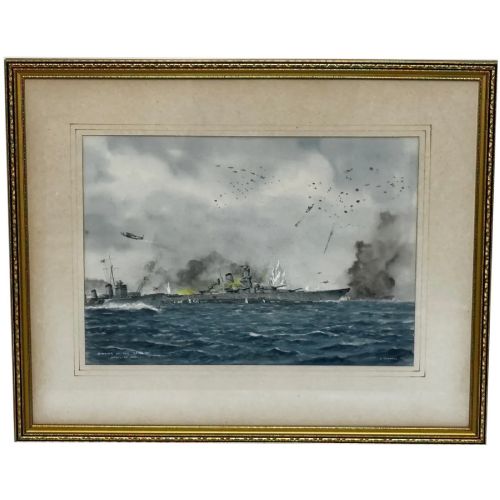
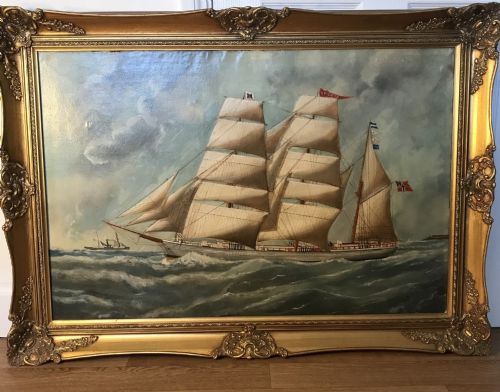
The selections available range from Victorian coastal landscapes and Edwardian shipping views to post-impressionist seascapes and mid-century nautical depictions. Most pieces are framed, often in period gilt moulding, and capture specific bodies of water including British shores, the Venetian lagoon and international sea routes.
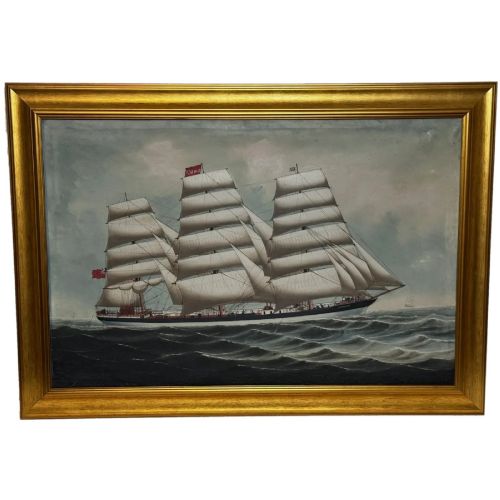
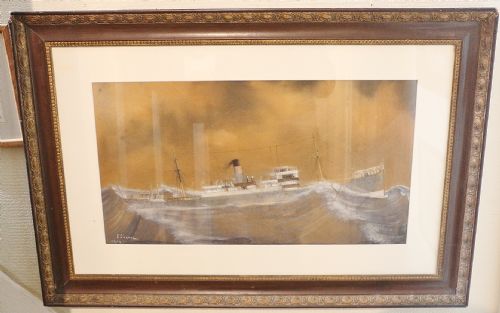
These works document maritime history through depictions of three-masted schooners, steamships, fishing trawlers and elegant sailing yachts navigating rough or sunlit waters. The focus remains on the interplay of light, weather and vessel architecture across different decades of artistic interpretation.
Materials and methods
Artists working on vintage ocean wall art relied primarily on oil paint applied to canvas, wood panels or board, allowing for textured impasto and rich colour mixing. Watercolours and gouache on paper were equally common for capturing translucent coastal atmospheres and detailed marine illustrations.
Supports were frequently housed in period gilt frames that enhanced the visual depth of the maritime scenes. Pigments were manipulated using brushes and occasionally palette knives to build up the turbulent texture of stormy seas or the calm stillness of harbour waters.
Several artists captured the exact moment a steamer battled heavy seas, proving that even canvas can get terribly seasick.
Evaluating quality and execution
Quality in vintage ocean wall art rests on the artist's handling of light, atmospheric perspective and the accurate rendering of maritime architecture. Superior examples demonstrate a confident command of movement in water and sky, whereas lesser works rely on stiff repetition and flat colour.
The distinction also lies in the vitality of the brushwork, whether through expressive impasto capturing a stormy sea or precise detail in ship rigging. Original framing and clear provenance or signatures further elevate individual pieces above anonymous workshop output.
Reginald Arthur Borstel·Sidney A Court·John E Aitken·Eric Tufnell·William Banks Fortescue·Peter Brannan·Nicholas Condy·William Henry Williamson·George Stanfield Walters·Elisabeth Bardon·Charles Napier Hemy·Norman Lloyd·Abraham Hulk Snr·Frank H Mason·Roger de la Corbiere·Dion Pears·George Henry Knight·Sir David Murray
The Vintage Ocean Wall Art Glossary
- Impasto
- Paint applied thickly to a canvas or board so that it stands out from the surface. This technique adds tactile dimension to waves and clouds in maritime scenes.
- Pierhead painting
- A specific genre of ship portraiture usually commissioned by captains or shipowners showing a vessel outside a specific port. These works prioritize accurate depictions of the ship's rigging and hull.
- Gouache
- An opaque water-based medium that dries to a matte finish. It allows artists to build bright highlights on dark paper, particularly useful for depicting foam and spray.
- Seascape
- A painting or watercolour depicting the sea. This broad category includes coastal views, open ocean battles and harbour scenes.
Vintage Ocean Wall Art: Frequently Asked Questions
How do I identify the period of vintage ocean wall art?
Dating relies on stylistic clues, framing, artist signatures and the types of vessels depicted. Nineteenth-century works often feature traditional rigging vessels, while mid-century pieces show evolving modernist influences.
Examination of the canvas support, backing materials and any inscriptions on the reverse provides further confirmation of the era in which the work was produced.
Where should I hang maritime paintings at home?
Maritime paintings suit living rooms, studies and hallways where natural light can illuminate the details of the water and sky. Pairing them with neutral wall colours helps the painted tones stand out.
Avoid placing delicate watercolours in direct sunlight to prevent fading of the paper and pigments over time.
What is the difference between an oil painting and a watercolour marine piece?
Oil paintings utilise oil-based pigments on canvas or board, offering rich textures, visible brushstrokes and durable surfaces. They often capture dramatic, heavy seas and deep atmospheric effects.
Watercolours use water-soluble pigments on paper, creating lighter, more luminous images that excel at portraying calm harbours and subtle coastal skies.
Are antique ship portraits historically accurate?
Many marine artists specialised in precise vessel portraits commissioned to record specific ships, naval battles or commercial vessels. Painters often had direct knowledge of maritime architecture and rigging.
Some atmospheric or impressionistic works prioritize mood and light over strict structural precision, though core vessel types remain true to their period.