
Pair 19th Century Artworks
Pair 19th century artworks comprise matched sets of paintings, drawings, and prints created during the eighteen-hundreds, offering balanced symmetry and shared subjects for domestic display.
Pair 19th Century Artworks
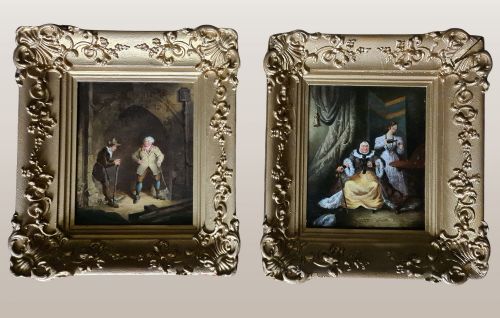
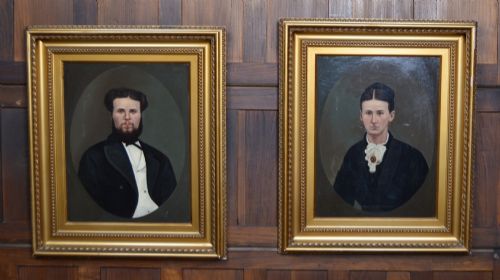
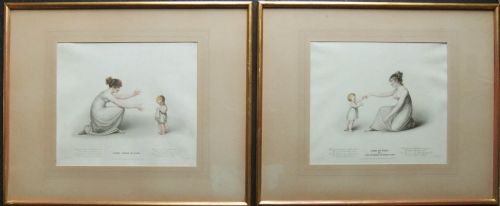
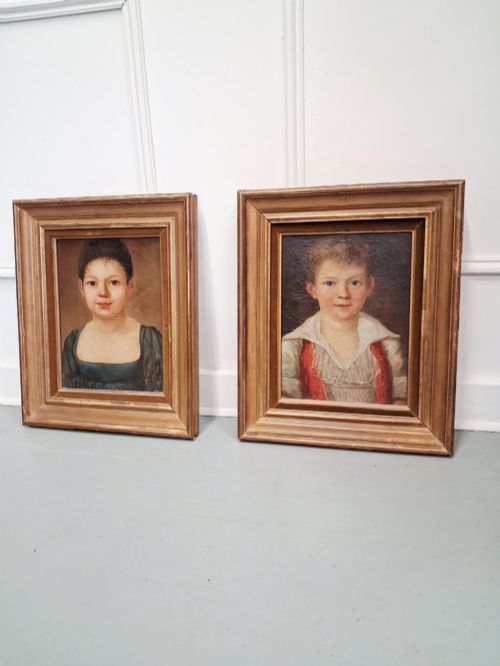
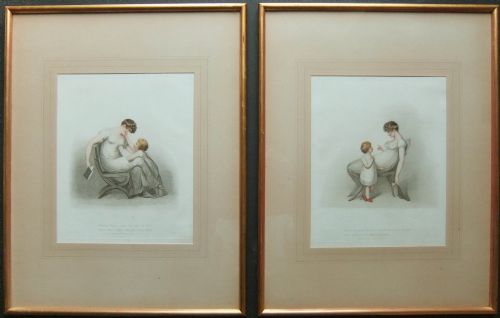
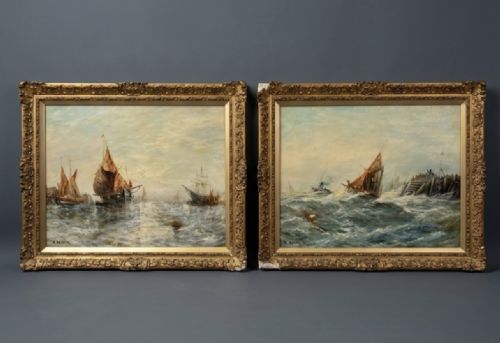
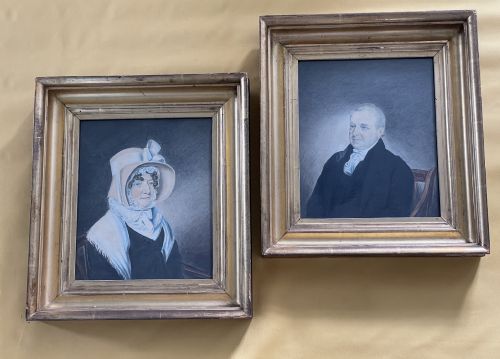
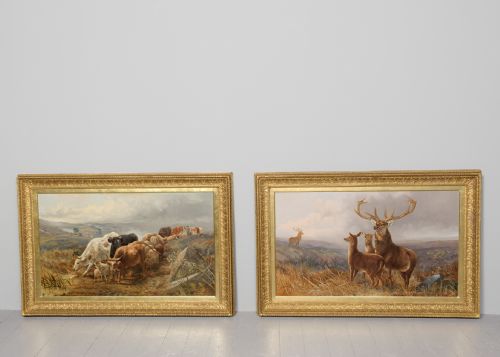
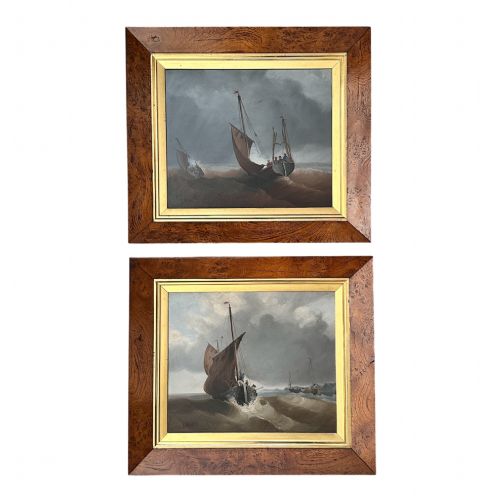
When searching for pair 19th century artworks, collectors encounter matched dual compositions spanning portraits, landscapes, and maritime scenes. These items were conceived to hang together in domestic interiors, sharing a common hand, period, and framing style.
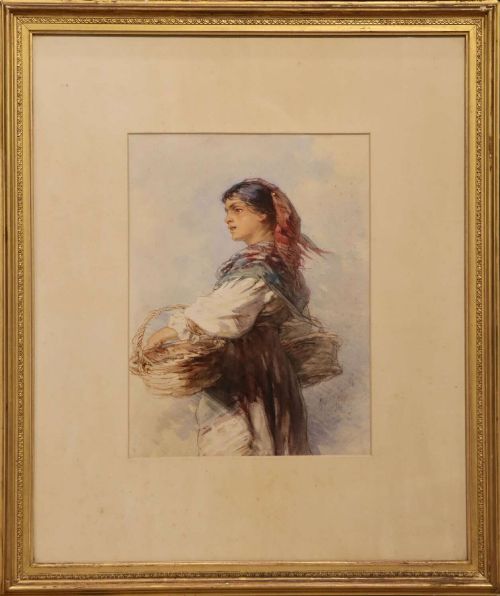
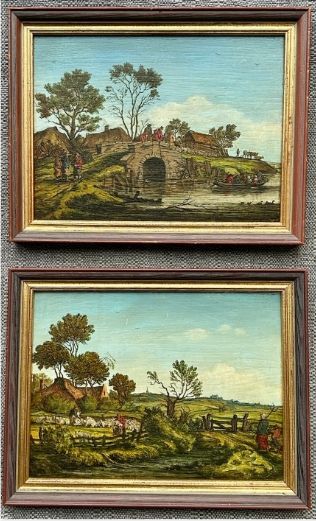
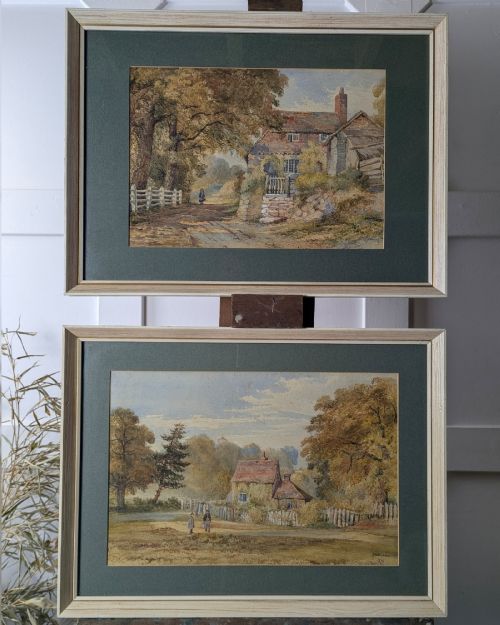
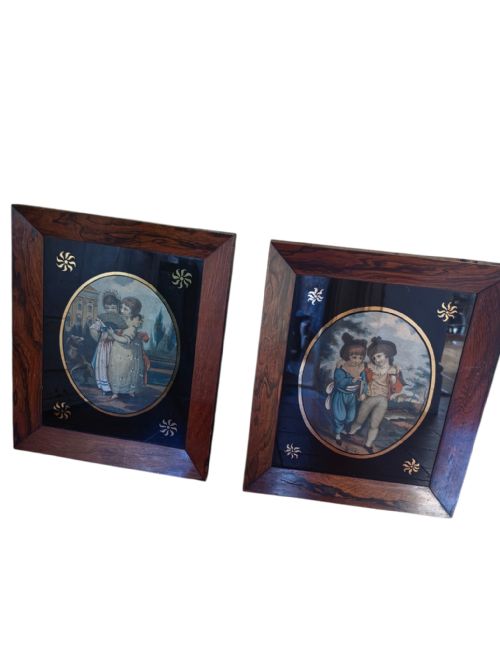
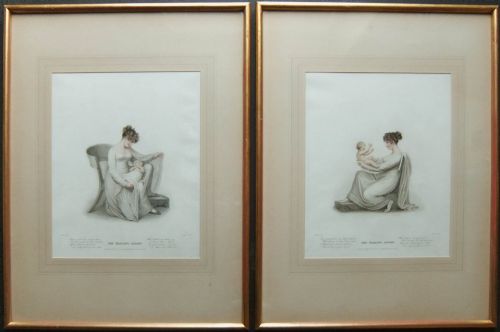
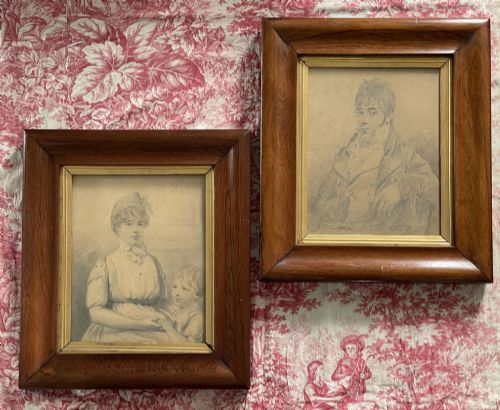
The selections recorded here run from oil paintings on canvas and wood panels to watercolours, pencil drawings, and engraved prints. Portrait pairs and rural landscapes predominate, often retaining their original giltwood or rosewood frames.
How they were made
Makers utilised traditional supports including canvas, wood panels, pith paper, and heavy paper sheets for watercolours and graphite drawings. Pigments were applied in oils or water-based media, sometimes finished with protective varnishes.
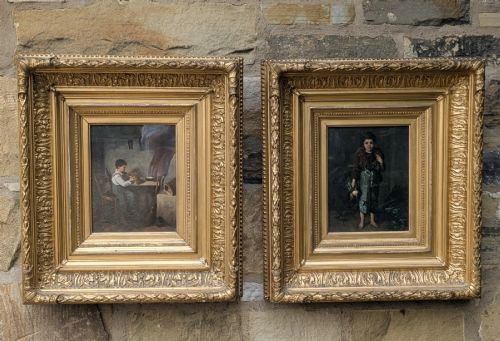
Framing forms an integral part of the physical object, utilising gilt wood, carved giltwood, and rosewood surrounds that were contemporaneous with the painted or printed imagery.
Subjects span maritime views, mountain streams, agricultural farmyards, and intimate portraiture of children and historic militia.
What varies in quality
Technical proficiency in draftsmanship and brushwork dictates the standing of individual pieces, separating routine decorative items from accomplished academic output. The handling of light, anatomical proportion, and atmospheric depth distinguishes skilled hands from lesser studio output.
Condition of the physical support and original framing plays a major role, as unlined canvases, stable wood panels, and intact gilt frames preserve the integrity of the paired set.
Guido Bach·Robert A Nottingham·Adam Buck·Robert Cleminson·John Moore of Ipswich·Theodore Jensen·Abraham Hulk I·John Grenville Fennell·Gustave De Bréanski·Franz van Severdonck·Pieter Cornelis Dommersen·John Bell·John Frederick Herring Jnr·Adrian Van Porten·Clarence Henry Roe·Frederick James Knowles·Colin Graeme Roe·Ferruccio Vitale
The Pair 19th Century Artworks Glossary
- Oil on canvas
- Pigments bound in a drying oil applied to a stretched woven fabric support. This surface allows for rich blending and textured impasto common in nineteenth-century paintings.
- Wood panel
- A rigid flat support made from timber used by artists for smaller or detailed compositions. Panels offer a stable ground that resists the sagging associated with aged canvas.
- Gilt wood
- Timber carved and coated with a thin layer of gold leaf or metallic gilt powder. It provides reflective decorative framing for traditional paintings.
- Watercolour
- Pigments suspended in a water-soluble binder applied to paper. This medium creates translucent washes valued for delicate portrait and landscape studies.
- Tondo
- A circular work of art taking the form of a painting or relief. This format challenges the artist to compose balanced scenes within a curved boundary.
Pair 19th Century Artworks: Frequently Asked Questions
Were these always sold as pairs?
Many of these pieces were commissioned or painted as intentional matching sets to hang symmetrically on either side of a fireplace or doorway.
Other examples were matched later by dealers or collectors who recognised stylistic similarities in subject matter and scale.
How do I hang a matching pair?
Pairs are traditionally hung at eye level with equal spacing between them to maintain the visual balance intended by the artist.
Ensuring both frames share the same height and weight distribution prevents one side of the display from dominating the wall.
What subjects are most common?
Portraits of couples, children, or historical figures appear frequently among nineteenth-century dual sets.
Landscapes, maritime scenes, and agricultural farmyard views also form a large portion of surviving matched works.
How are wood panel paintings preserved?
Wood panels require stable indoor humidity levels to prevent the timber from warping or splitting over time.
Keeping them away from direct sunlight and sudden temperature changes protects both the wooden support and the paint layer.