





Coastal Maritime Wall Art
Coastal maritime wall art brings the weathered charm of harbours, shipping lanes and crashing waves directly onto a room's walls.
Coastal Maritime Wall Art
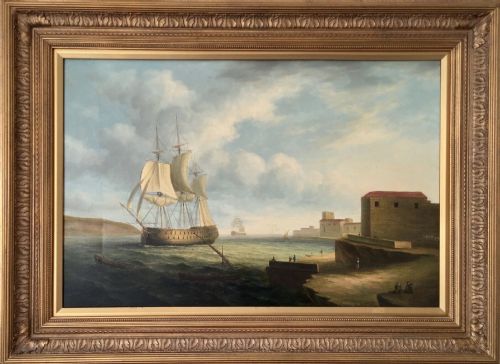
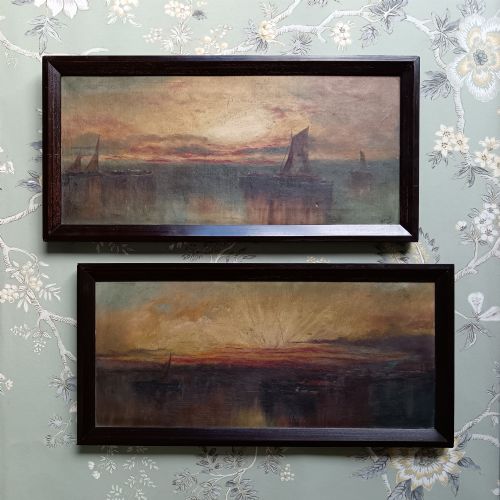
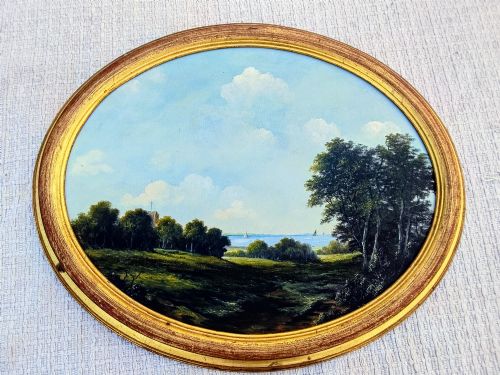
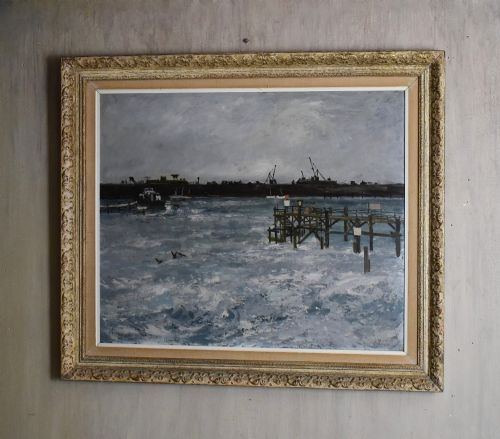
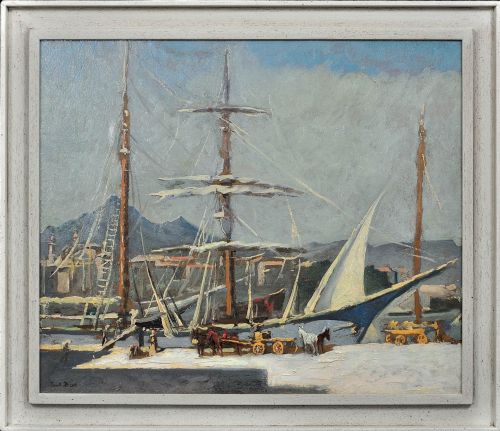
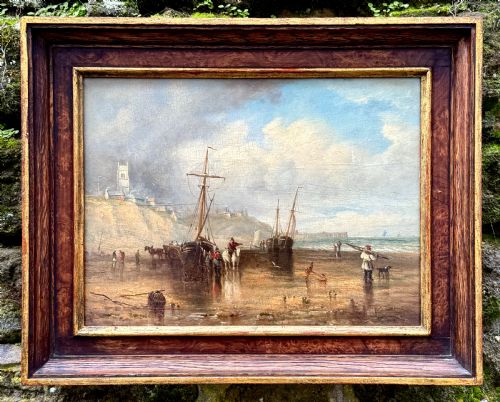
When searching for coastal maritime wall art, collectors encounter framed artworks capturing seascapes, fishing boats, and busy harbours. These pieces span from the nineteenth century through the mid twentieth century, reflecting shifting artistic interpretations of the sea.
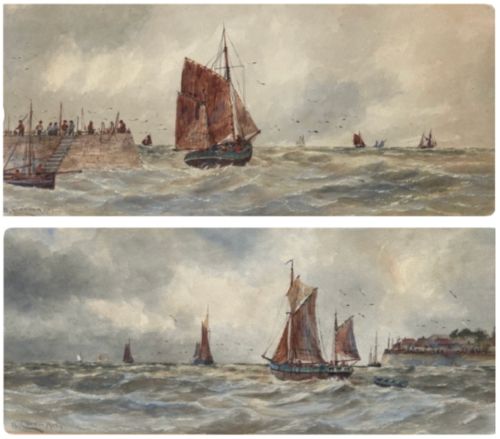
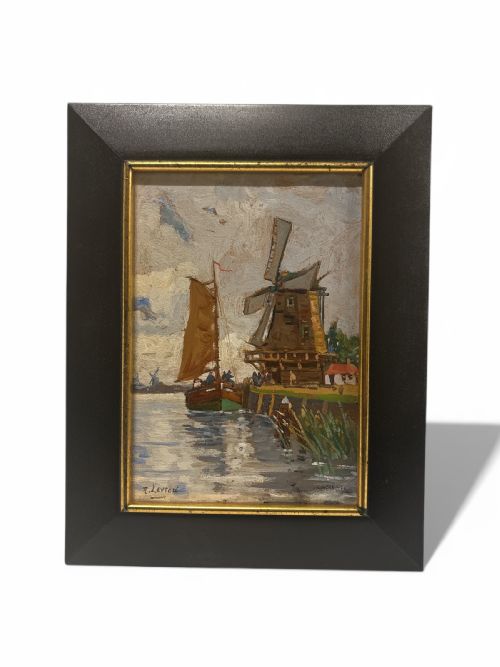
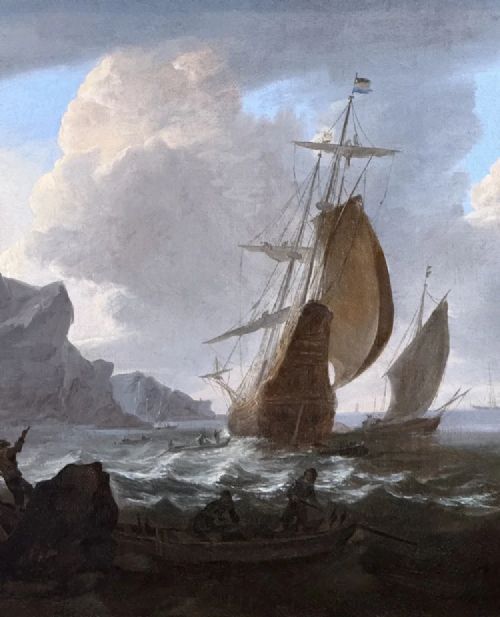
The selections on this page rely heavily on traditional mediums, presenting oil paintings on canvas or panel alongside delicate watercolour paintings. Subjects range from quiet coastal inlets and sailing vessels to dramatic scenes of ships navigating rough waters.
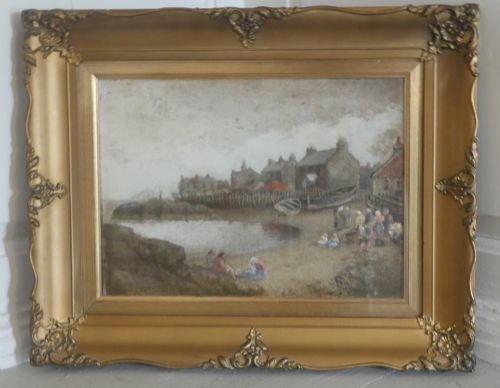
Traditional English and European coastal views dominate the selection, featuring recognisable ports such as St Ives, Whitby and various international harbours. Buyers will find both intimate watercolours and large nineteenth-century oil paintings suited to diverse interior spaces.
How they were made
The physical construction of these artworks typically involves oil paint applied to canvas, wood panel or board, as well as watercolour pigments worked onto paper. Artists utilised these mediums to capture the shifting light and atmospheric conditions found along the coast.
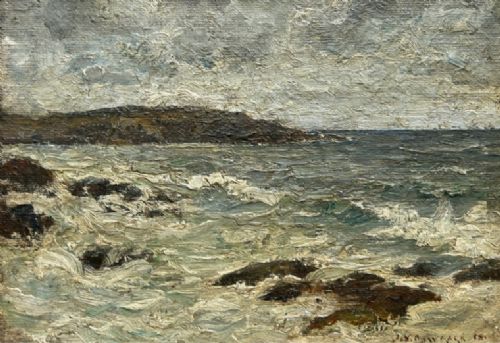
Many of the older works are housed in period gilt wood frames that complement the maritime subject matter. The interplay between brushwork and support material defines the visual weight of each piece, from thin watercolour washes to thick impasto oil applications.
Common regional subjects include Cornish fishing ports, northern harbours, and international coastal views.
What varies in quality
Quality in these maritime works rests upon the artist's handling of light, movement and perspective on the water. Superior examples demonstrate a confident command of maritime architecture, accurately depicting rigging, hull forms and tidal movement.
The preservation of the pigment and the integrity of the original backing or frame significantly influence the standing of a piece. Works that retain their original surface texture and unbleached watercolour hues represent the higher tier of available items.
James Hardy·Kenneth Cozens·James Orrock·William Cannon·R Leyton·B. Nash·Edward Mills·John E. Aitken·William Banks Fortescue·Bonaventura Peeters·Peter Brannan·Paul Bret·Bernard Benedict Hemy·Thomas Creswick·Lucy Pratt·Thomas Maidment·TB Hardy·Donald McIntyre·Cecil Allan Mould·John Wilson Carmichael·Abraham Cooper·William Matthison·William Henry Williamson·George Stanfield Walters·Walter Goodin
The Coastal Maritime Wall Art Glossary
- Watercolour Painting
- A work executed with water-soluble pigments on paper. This medium allows for translucent washes that suit atmospheric skies and calm coastal waters.
- Impasto
- A technique where paint is laid onto a surface in thick layers, standing out from the canvas. Artists utilised this method to give physical texture to crashing waves and rough seas.
- Gilt Wood
- Wood that has been treated with a thin layer of gold leaf or gilt finish. Frames of this material are frequently found surrounding nineteenth-century marine paintings.
- Seascape
- A work of fine art that depicts the sea, coastal views or marine vessels. These compositions form the core category of maritime wall art.
Coastal Maritime Wall Art: Frequently Asked Questions
How do I date an antique painting?
Dating relies upon stylistic markers, artist signatures, framing materials and the type of support used. Nineteenth-century works often employ heavier wooden panels and traditional canvas preparations.
Examine the back of the piece for old labels, inscriptions or stamps left by framing shops. These clues help narrow down the period of production.
Where should I hang these artworks?
Coastal maritime wall art suits spaces that benefit from natural light and traditional decor. Living rooms, studies and hallways provide ideal settings for these scenic compositions.
Direct sunlight should be avoided to protect watercolour pigments and paper supports from fading. Stable indoor humidity helps preserve both the canvas and the original frame.
What is the difference between oil and watercolour?
Oil paintings utilise pigment suspended in drying oils applied to canvas or wood, offering rich textures and deep colours. Watercolours use water-soluble binders on paper, creating lighter, translucent effects.
Oils are typically heavier and housed behind glass less often than watercolours. Each medium provides a distinct visual interpretation of coastal light and weather.