



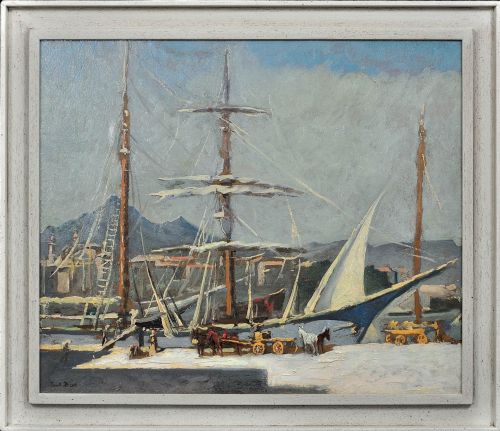
Coastal Marine Oil Painting
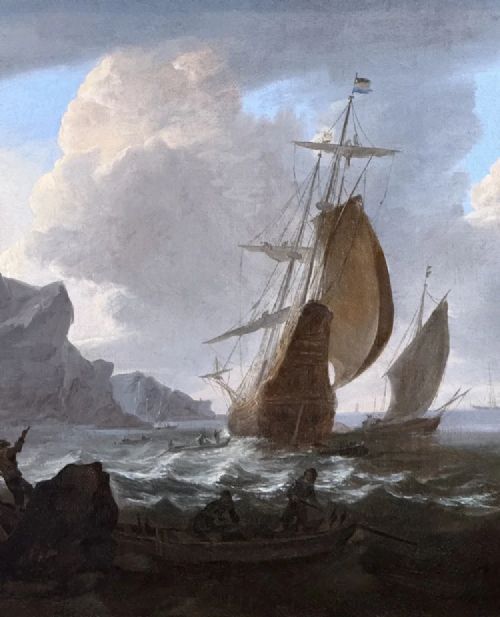
A coastal marine oil painting captures the temper of the sea, from quiet harbour waters to gale-driven Dutch boats.
Coastal Marine Oil Painting
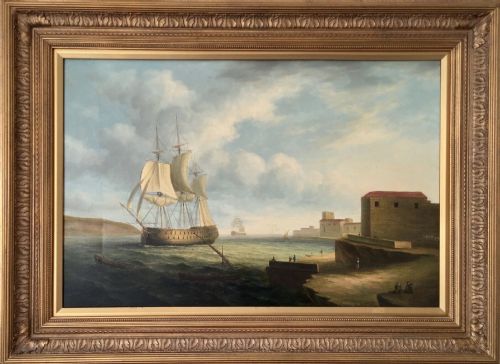
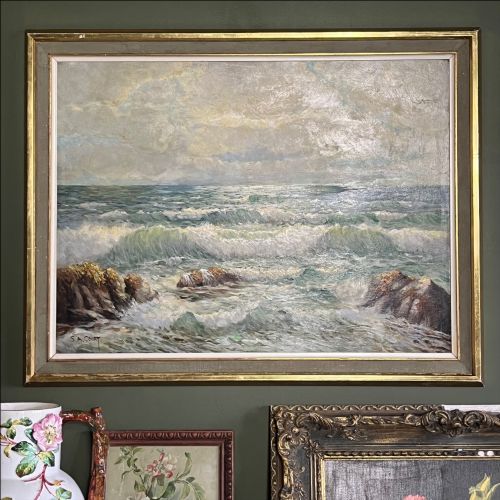
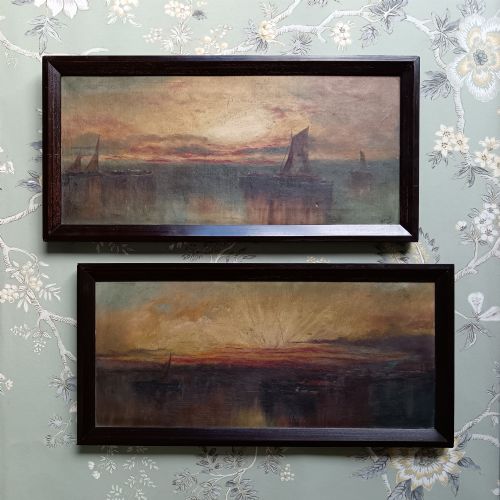
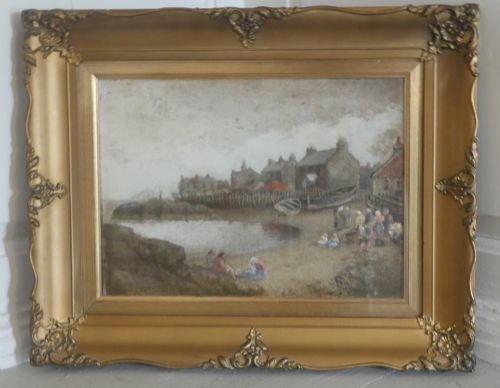
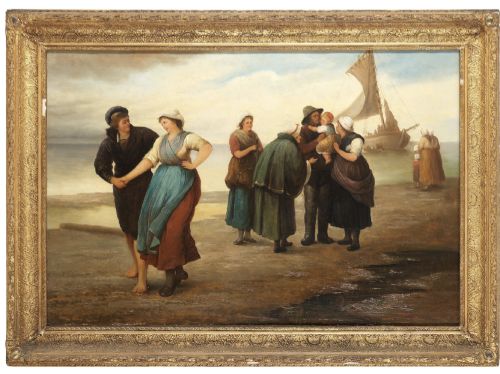
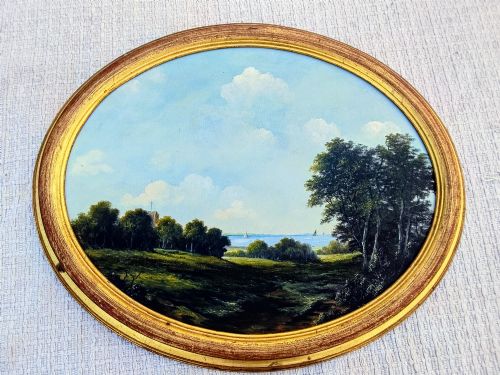
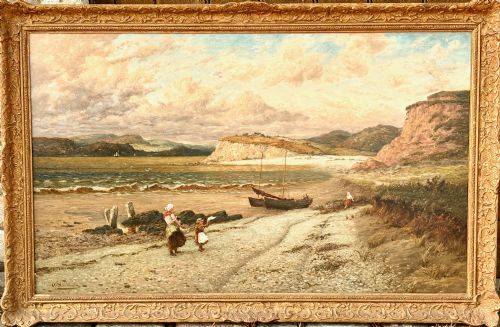
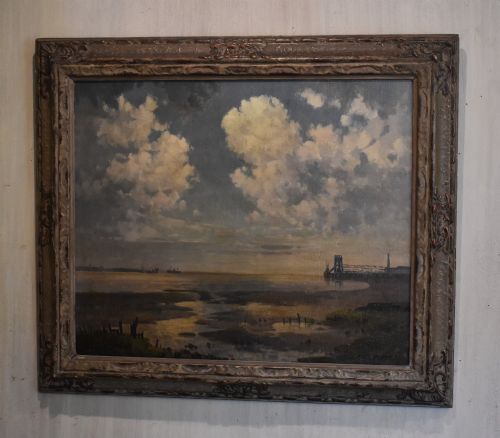
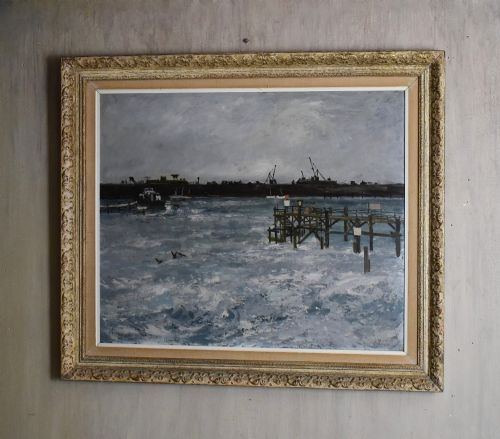
A coastal marine oil painting presents maritime views, rocky coastal escapes, and busy working harbours across canvas and wood panels. These works span the nineteenth century through the mid-twentieth century, encompassing British, French, and Dutch scenes.
Buyers encounter Victorian maritime pieces alongside Edwardian coastal studies and mid-century modern interpretations of the shoreline. Common subjects include ships at anchor, fishing boats off headlands, and quiet village harbour entrances.
How they were made
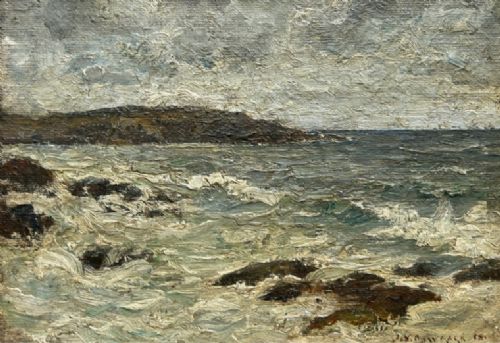
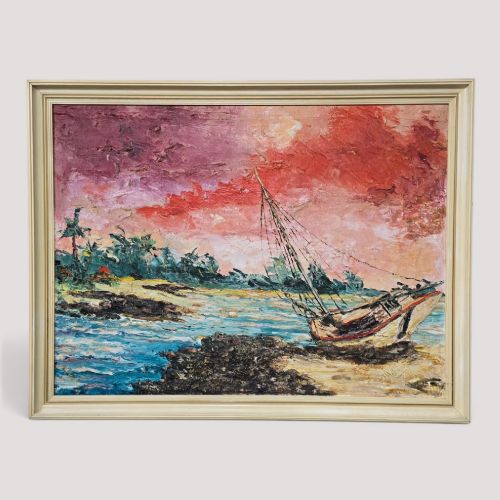
Artists painted primarily with oil paint on stretched canvas or wooden board, occasionally applying thick impasto texture to capture the motion of waves. Many Victorian and Edwardian examples are housed in original gilt wood frames that complement the maritime subject matter.
Outdoor en plein air methods allowed painters to record changing coastal light directly from nature, while studio works synthesized these observations into larger compositions of harbour life and gale scenes.
The inventory includes British Impressionist, Victorian Maritime, and Mid-Century Modern stylistic approaches.
What varies in quality
The success of a coastal marine oil painting rests upon the artist's handling of atmosphere, light, and the restless movement of water. Skilled brushwork distinguishes dynamic wave studies and convincing atmospheric haze from flat, formulaic shoreline depictions.
Provenance and documentation also separate works, as signed pieces with identified ports and established artist attributions carry stronger historical context. The preservation of the original paint layer and the condition of the accompanying gilt frame complete the assessment.
Clifford Hanney·Peter Brannan·Bernard Benedict Hemy·Thomas Creswick·John Wilson Carmichael·John Moore of Ipswich·Abraham Hulk I·William Henry Williamson·Charles Napier Hemy·Louis Suire
The Coastal Marine Oil Painting Glossary
- Impasto
- Paint applied thickly to a canvas or board, standing out in relief from the surface. This technique allows artists to build physical texture into the representation of churning water or rocky shores.
- En plein air
- The practice of painting outdoors to capture direct natural light and atmospheric conditions. It became central to nineteenth-century landscape and marine artists working beside the sea.
- Gilt wood
- Wood carved and covered with a thin layer of gold leaf or gold-coloured finish. These frames frequently surround period oil paintings to enhance their visual depth.
- Panel
- A flat wooden support used as a painting surface instead of stretched canvas. Panels offer a rigid ground that preserves fine detail in smaller works.
Coastal Marine Oil Painting: Frequently Asked Questions
What periods do these paintings cover?
The available works span widely from the seventeenth century through the Victorian and Edwardian eras, extending into the mid-twentieth century. Nineteenth-century maritime canvases form a substantial portion of the selection.
Later mid-century modernist interpretations and works from the 1950s and 1960s also appear frequently across the category.
How do I identify the location in a painting?
Many coastal marine oil paintings include titled locations on the canvas reverse, stretcher bars, or original frame plaques. Specific landmarks such as St Mary's Island, North Shields Harbour, or Valletta Harbour often provide clear geographical markers.
Artists frequently recorded recognisable coastal geography, shipping registries, and regional vessel types that help historians pinpoint the exact setting.
Are these paintings usually framed?
A significant number of these works retain their period gilt wood frames, which were designed specifically to complement the marine subject matter. These frames vary from simple moulded profiles to ornate nineteenth-century gilt designs.
Checking the reverse of the frame can reveal framer stamps, retail labels, or historic exhibition numbers that add to the piece's history.
What is the difference between canvas and board?
Canvas paintings utilise woven fabric stretched over a wooden frame, yielding a flexible surface that responds well to traditional layering and glazing techniques. Board works employ a rigid wooden support, which was often favoured for smaller en plein air studies painted directly on location.
Both supports accommodated oil paint effectively, though panels provide greater structural rigidity over centuries.