






Coastal Marine Oil Artwork
Coastal marine oil artwork captures the movement of waves and the stillness of harbours across centuries of maritime life.
Coastal Marine Oil Artwork
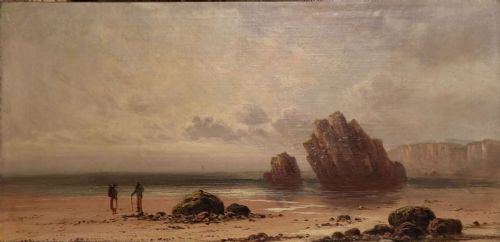
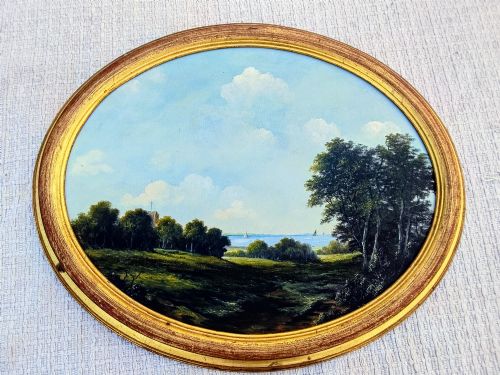
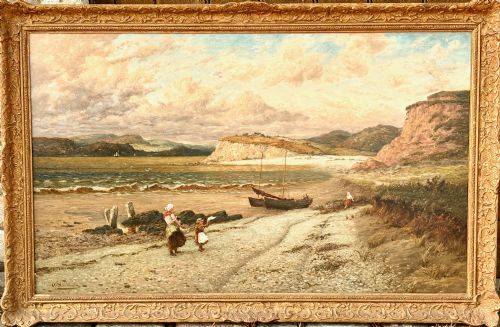
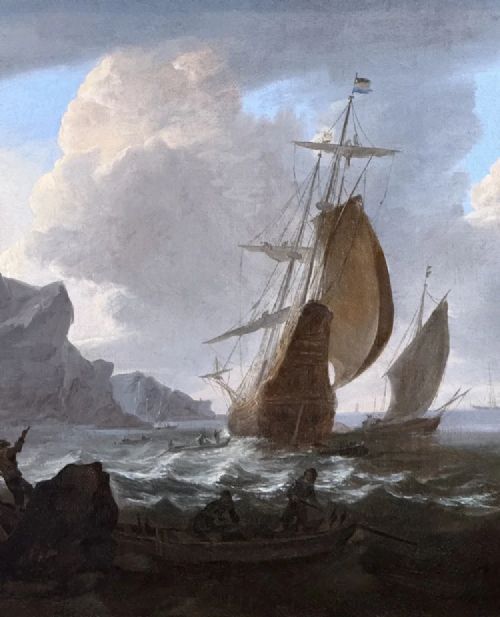
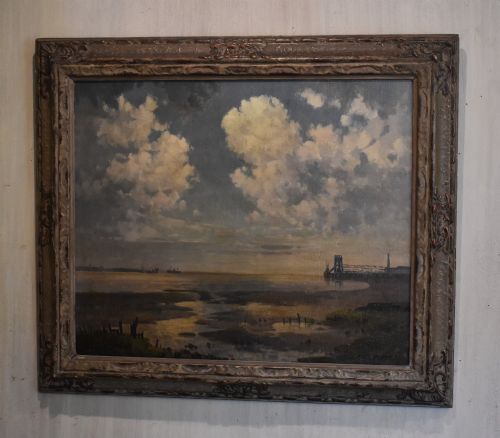
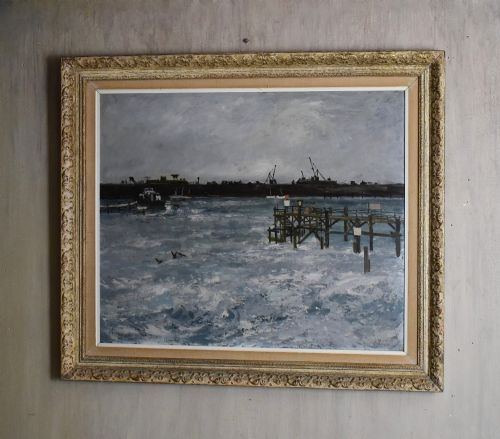
When searching for coastal marine oil artwork, collectors encounter depictions of harbours, ships at sea, and rugged shorelines rendered in oil paint. These pieces span periods from the nineteenth century through the mid-twentieth century, capturing historical vessels and coastal topography.
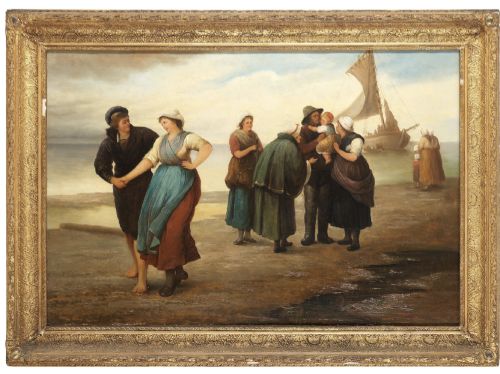
The selections available here frequently include framed canvases and panels showcasing British, French, and Dutch maritime scenes. Common subjects range from bustling commercial ports to quiet coastal inlets painted en plein air or within the studio.
Materials and Techniques
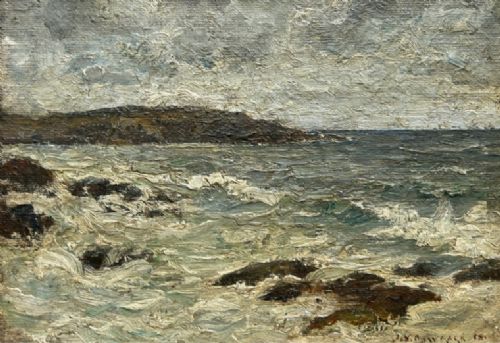
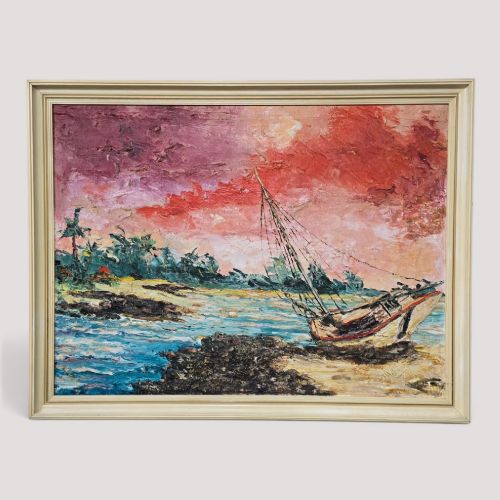
Artists painted primarily with oil pigments applied to stretched canvas, wooden panels, or board supports. These materials allowed for subtle blending of water and sky alongside textured impasto applications representing breaking waves and rocky shores.
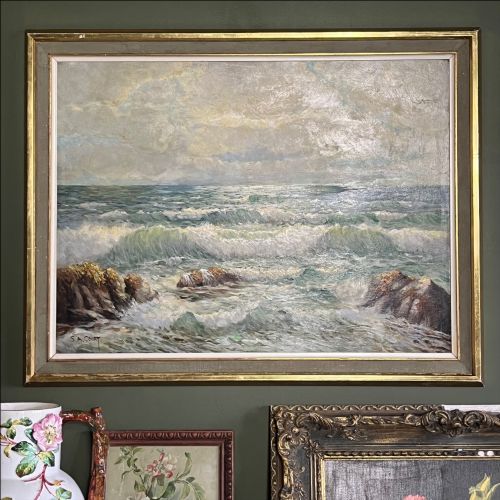
Many works are housed in period gilt frames that complement the maritime subjects. The layering of oil paint provided durability and depth, capturing shifting light across the sea during sunrise, sunset, and gales.
Listings feature works executed on canvas and wood panel across the nineteenth and twentieth centuries.
Evaluating Quality
Quality in these paintings rests upon the artist's handling of light, atmosphere, and maritime architecture. Masterful works convey the heavy swell of water and precise rigging of vessels with confident brushwork rather than rigid illustration.
The relationship between the support, such as canvas or panel, and the condition of the original gilt frame influences the integrity of the piece. Strong compositions demonstrate a careful balance between the vastness of the sea and detailed foreground elements.
Bonaventura Peeters·John Wilson Carmichael·Abraham Hulk I·Charles Napier Hemy·Louis Suire
The Coastal Marine Oil Artwork Glossary
- Impasto
- Paint applied thickly to a canvas or board, leaving visible brush or palette knife marks. This technique gives physical texture and depth to elements like frothing sea spray or rocky cliffs.
- En plein air
- The practice of painting outdoors to capture direct natural light and atmospheric conditions. It became particularly popular for recording shifting coastal weather on location.
- Gilt wood
- Wood carved and coated with a thin layer of gold leaf or metallic paint, commonly found on period frames enclosing marine paintings.
- Maritime
- Pertaining to the sea, navigation, shipping, and coastal life. In art, this encompasses both commercial vessels and naval warfare scenes.
- Panel
- A rigid flat support made of wood or board used by artists instead of stretched canvas. Panels often survive from earlier centuries with minimal warping if properly seasoned.
Coastal Marine Oil Artwork: Frequently Asked Questions
How do I date a marine oil painting?
Dating relies on stylistic clues, clothing styles of figures, and the types of vessels depicted in the composition. Framing materials and stretcher construction also provide reliable chronological indicators.
Signatures, exhibition labels on the reverse, and artist biographical dates further narrow down the decade of creation.
Where were these coastal scenes typically painted?
Artists travelled to active fishing ports, rugged cliffs, and estuaries across Britain, France, and the Mediterranean to record local maritime industries. Locations such as Cornwall, North Shields, and Sicilian harbours frequently appear in the titles.
Some works were composed in urban studios using preliminary sketches drawn directly from observation by the shore.
How should I care for an antique oil painting?
Protect the canvas or panel from direct sunlight and extreme fluctuations in household temperature and humidity. Keep the reverse free from trapped moisture and dust accumulation.
Avoid using liquid cleaners on the painted surface and consult a professional conservator if cleaning or varnish removal becomes necessary.
What is the difference between marine and maritime art?
Marine art strictly focuses on the sea itself, including waves, coastal landscapes, and ships navigating open waters. Maritime art covers a broader scope that encompasses harbours, dockside life, and naval history.
Both terms often overlap in nineteenth and twentieth-century painting descriptions.