






Coastal Landscape Art
Coastal landscape art captures shores and harbours across periods from the Victorian era to the mid-twentieth century.
What coastal landscape art is
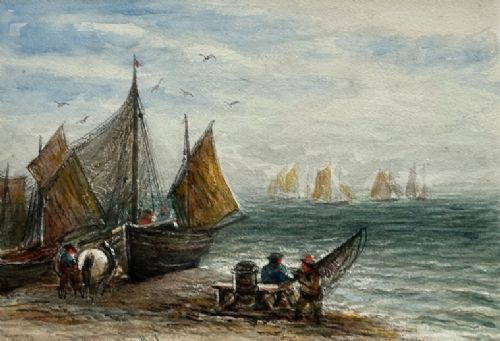
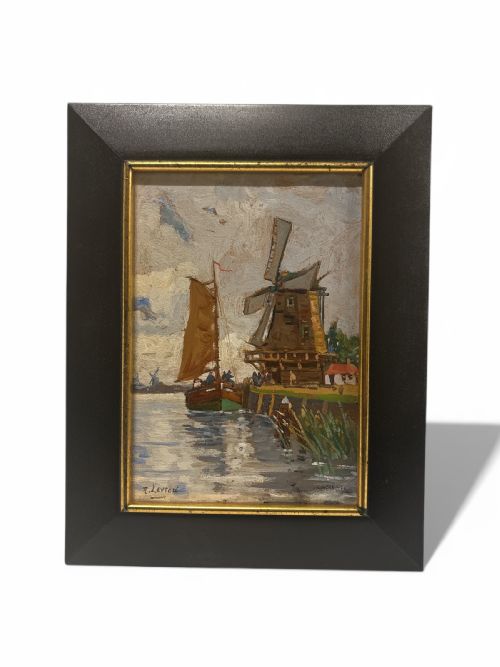
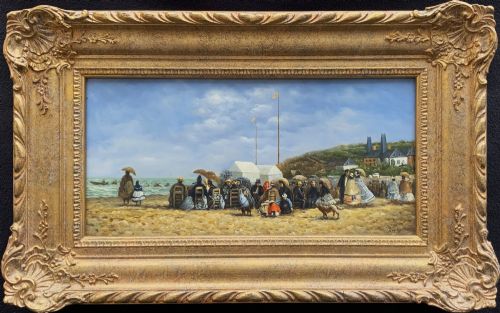
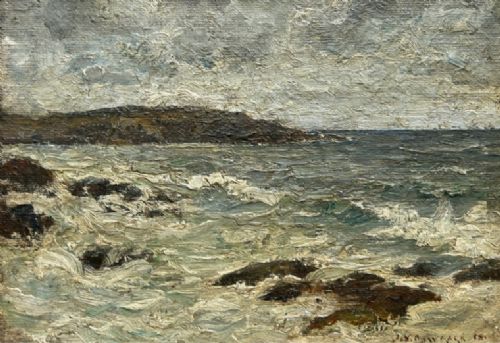
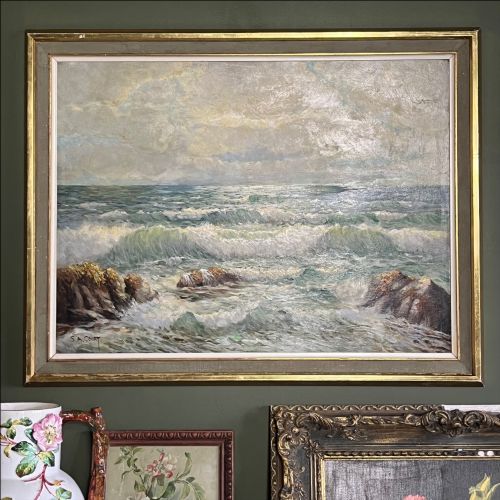
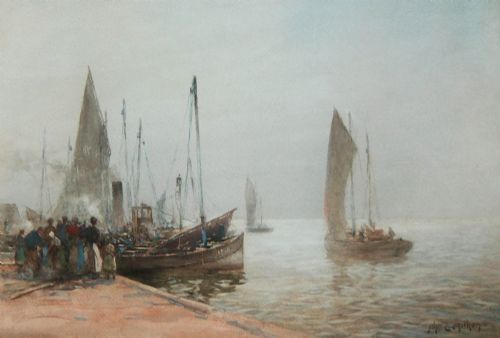
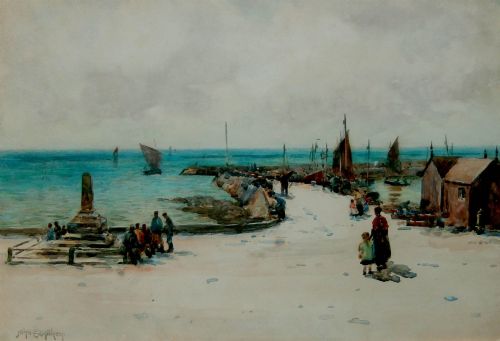
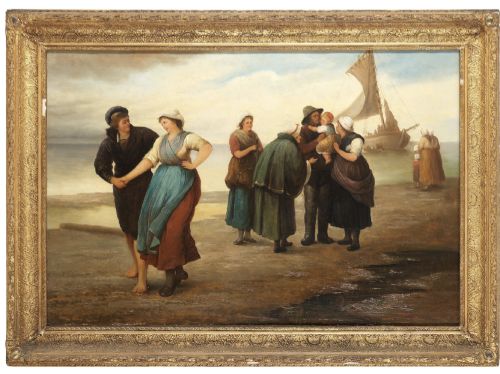
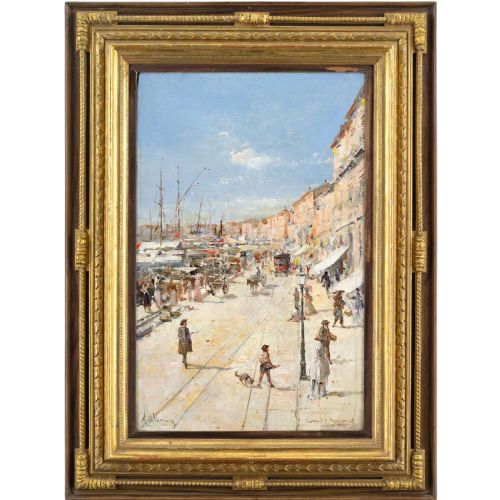
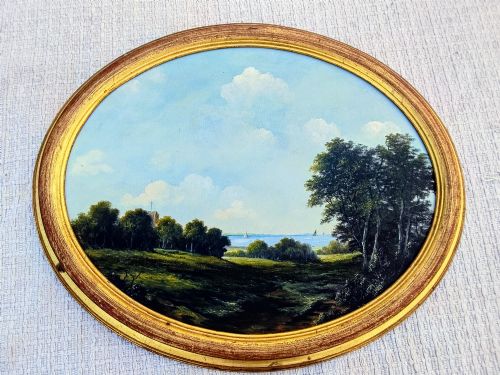
When buyers search for coastal landscape art, they encounter marine scenes, lighthouses and harbour views spanning the Victorian era, the turn of the century and nineteen-fifty. These works record maritime subjects through oil paintings and watercolours framed in wood and gilt wood.
The pieces listed on this page range from Victorian maritime watercolours to modern British art and turn of the century impressionism. Subjects include specific locations such as Scarborough Harbour, Dartmouth Castle and the lighthouse of Cabo Carvoeiro in Portugal.
How they were made
Artists painted these scenes using oil on canvas or watercolour pigment on paper, mounted behind glass within wood frames and gilt wood frames.
The physical construction pairs traditional painting materials with protective framing to preserve paper and canvas works over the decades.
Retail Price Guide 2026
Typical UK retail prices for coastal landscape art, calculated from the Sellingantiques database of over a million retail prices indexed since 2003. This retail price guide relies exclusively on Sellingantiques data; no external sources or auction records are used, so the figures do not describe the wider market.
One watercolour captures a lonely Portuguese lighthouse, proving artists travelled far for a decent view of the waves.
What varies in quality
Quality separates through the handling of pigment on paper or canvas and the fidelity of the framing, distinguishing simpler decorative works from finished paintings by recorded artists.
The strength of the composition and the preservation of the medium, whether oil or watercolour under glass, mark the distinction between standard examples and superior pieces.
Clifford Hanney·Jules Evarist van Biesbroeck·Harry Wanless
The Coastal Landscape Art Glossary
- Watercolour on paper
- A painting technique using water-soluble pigments applied to a paper support, frequently seen in nineteenth and twentieth-century maritime works.
- Oil on canvas
- Pigments bound in a drying oil applied to a stretched canvas surface, offering richer texture and depth than paper mediums.
- Gilt wood frame
- A wooden picture frame coated with gold leaf or metallic paint, often accompanying Victorian and Edwardian paintings.
- Modern British art
- A stylistic grouping covering twentieth-century works produced in Britain, represented here in mid-century pieces.
Frequently Asked Questions
What periods do these paintings cover?
The works span the Victorian period, turn of the century impressionism, Edwardian pieces, and mid-twentieth century modern British art.
This broad timeline shows changing techniques in marine painting from the late nineteenth century onward.
How should I frame a watercolour?
Watercolour paintings on paper require glass protection and secure wood or gilt wood frames to prevent environmental damage.
Keeping the paper away from direct sunlight helps preserve the delicate pigments used by the artists.
Where do these coastal scenes originate?
The available works depict British harbours and castles alongside European coastal locations such as Portuguese lighthouses.
Artists travelled extensively to capture specific maritime topography and working ports.
Are these works original paintings?
The selection comprises original oil paintings and watercolours executed by hand rather than mechanical reproductions.
Each piece records the individual touch of the artist using traditional pigments on canvas or paper.