
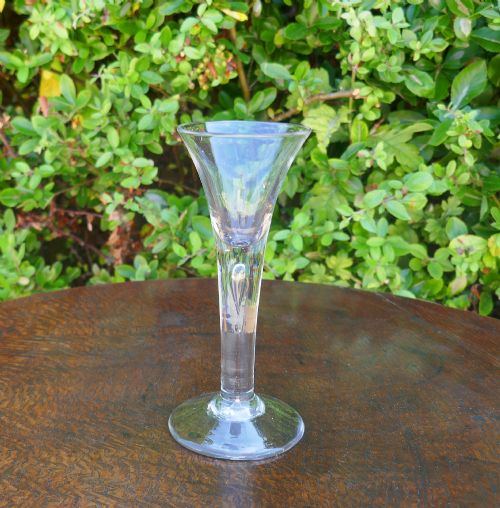
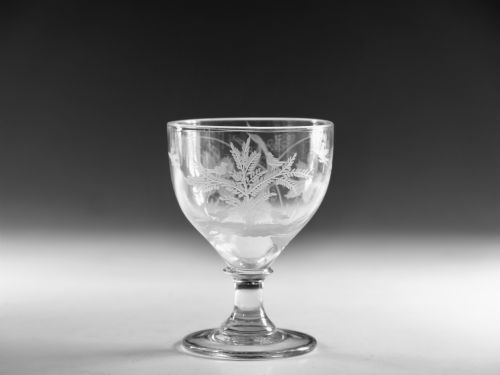
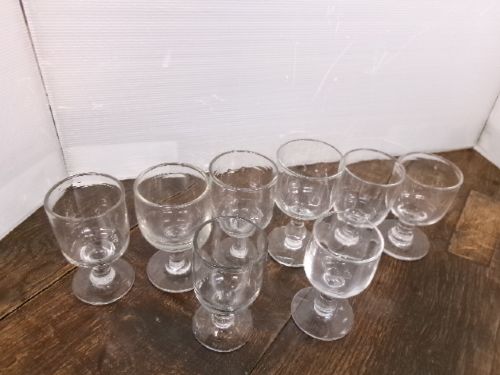
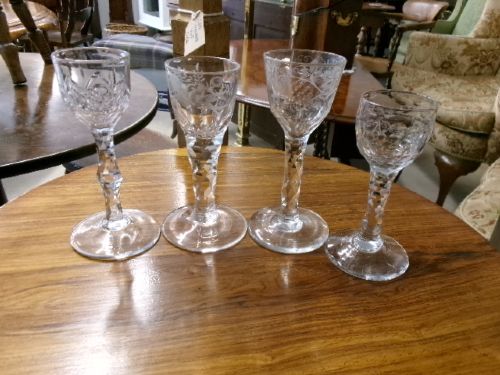
Clear Glass Wine Goblets
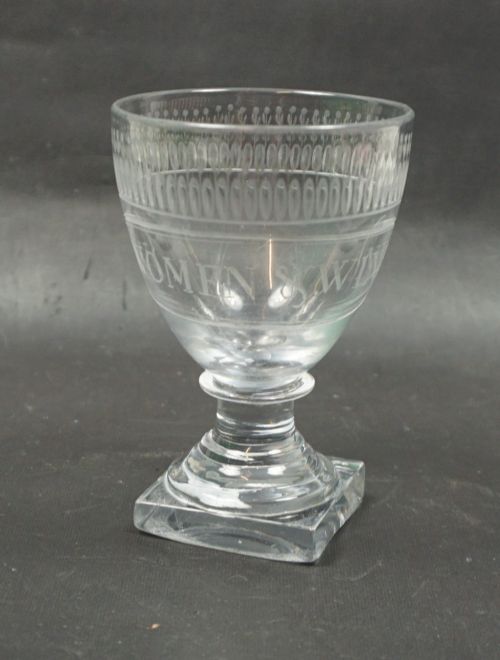
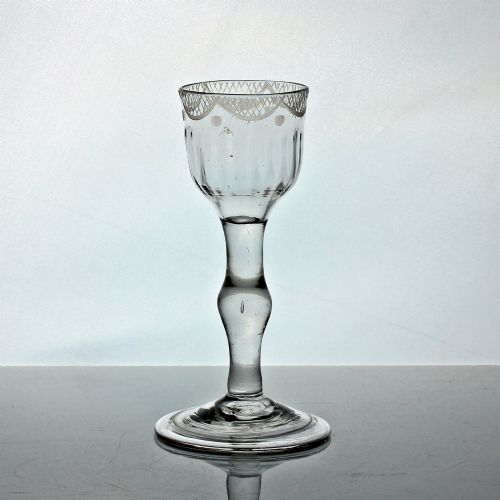
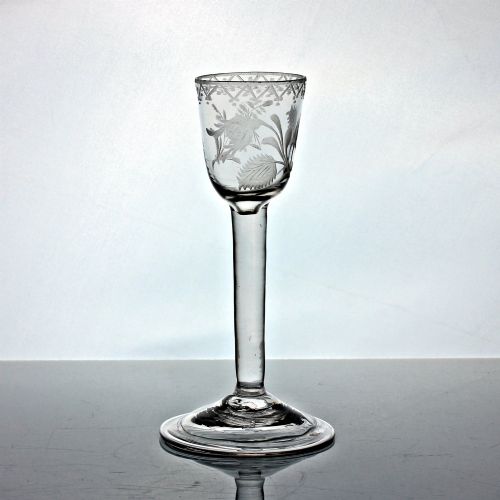
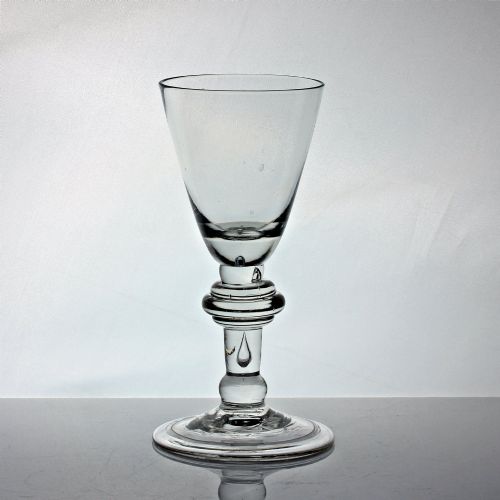
Clear glass wine goblets bring brilliant sparkle to the table, and these period drinking glasses range from Georgian faceted forms to Victorian etched sets.
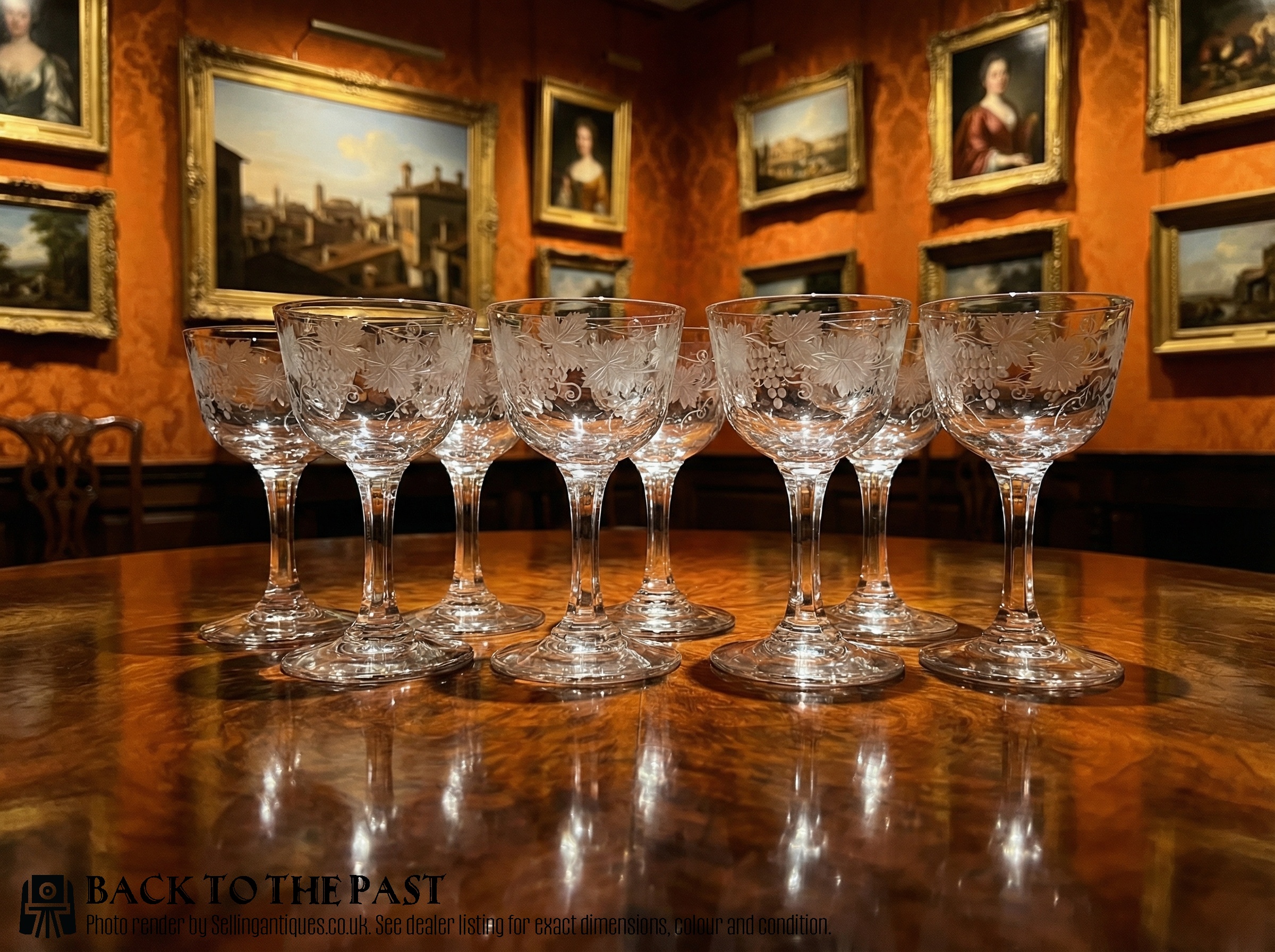
What they are
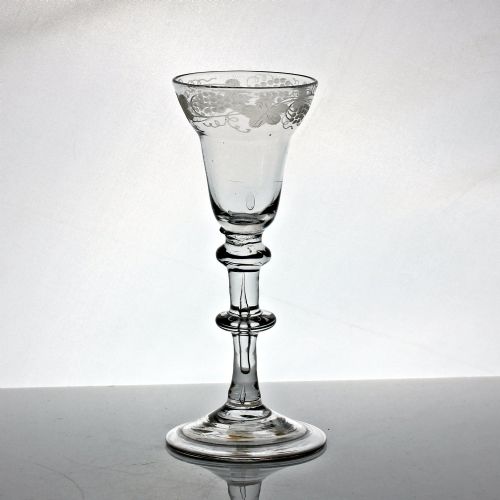
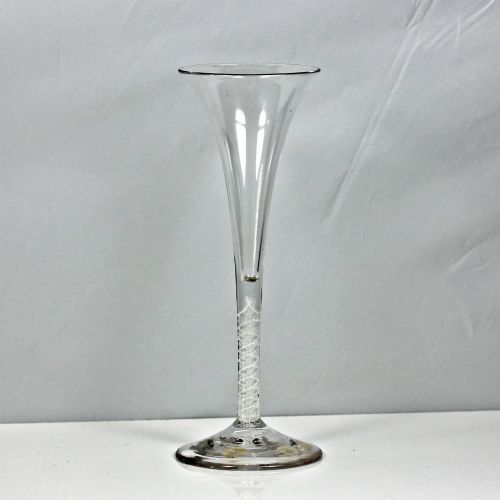
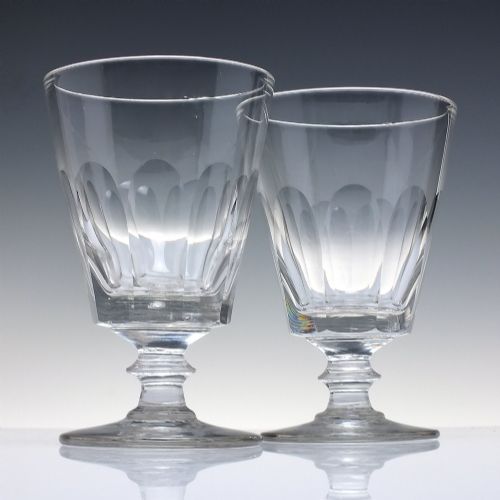
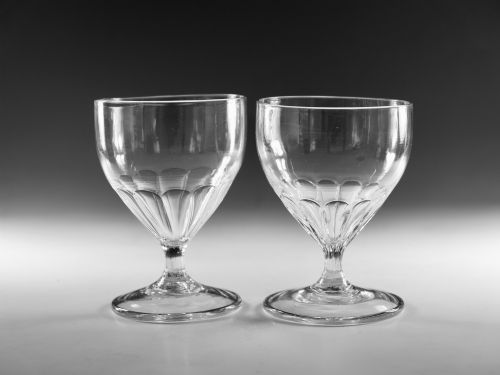
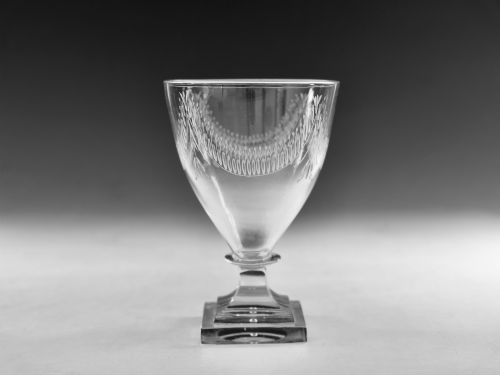
Clear glass wine goblets span several eras, with Victorian and Georgian pieces forming the bulk of what is seen here. These drinking glasses include faceted stemmed vessels, etched dessert wine glasses, and harlequin sets designed for the table.
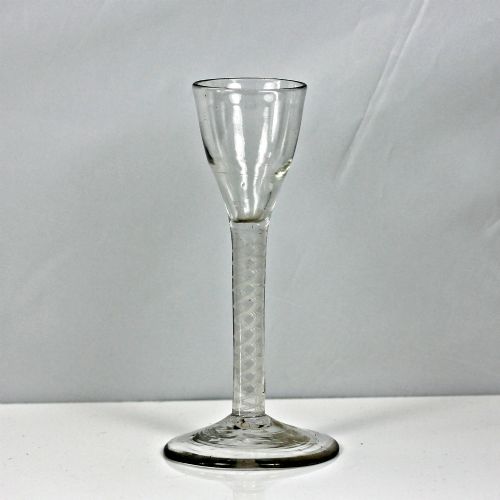
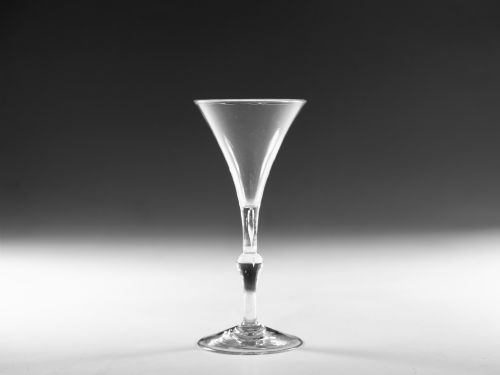
Forms vary from hock glasses to opaque twist wine glasses and hand-blown vessels. Originating from Britain and continental workshops like Theresienthal and Stevens & Williams, each item reflects the prevailing glassware styles of its decades.
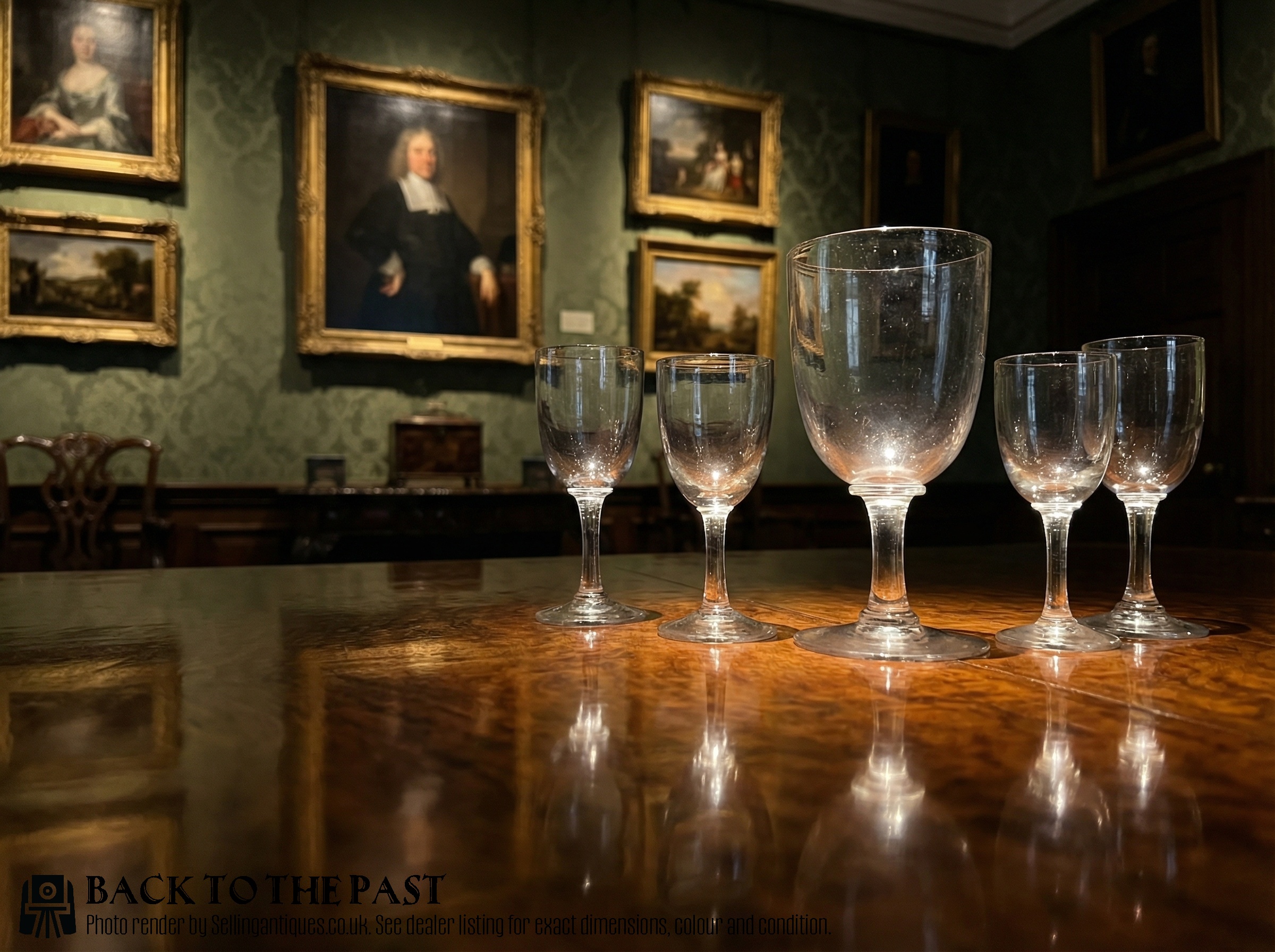
How they were made
Makers shaped these clear glass wine goblets using traditional hand-blown techniques in crystal and lead crystal. Artisans worked the molten material into drinking glasses and glassware with wide foot bases and distinct stems.
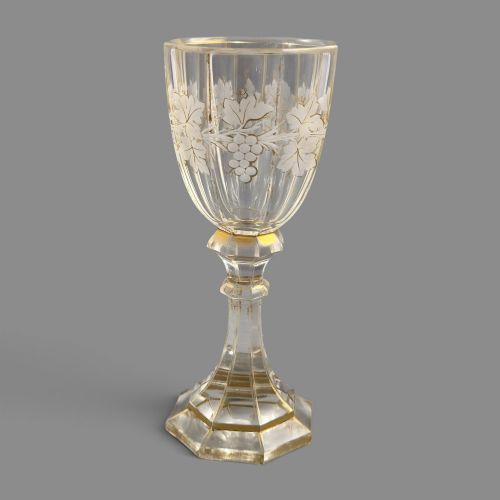
Decoration relied on skilled hand-craftsmanship, incorporating acid cutting, etching, and enamel work. Some pieces feature delicate details in white enamel, vitreous enamel, or gold leaf applied to the clear bowls.
Retail Price Guide 2026
Typical UK retail prices for clear glass wine goblets, calculated from the Sellingantiques database of over a million retail prices indexed since 2003. This retail price guide relies exclusively on Sellingantiques data; no external sources or auction records are used, so the figures do not describe the wider market.
Listings here span the Georgian and Victorian eras, alongside German Jugendstil production from around nineteen-ten.
What varies in quality
Quality rests in the clarity of the crystal glass and the precision of the hand-blown form. Finer examples display crisp faceting on the stems and well-balanced proportions from the wide foot base to the rim.
The sophistication of the surface decoration marks the difference between standard production and superior work. Subtle acid cutting, fine enamel detailing, and intricate opaque twists elevate the visual merit of individual goblets.
Stevens And Williams·Theresienthal
The Clear Glass Wine Goblets Glossary
- Faceted
- Cut with flat geometric planes that catch and reflect the light. This technique is often found on Georgian stems.
- Hock
- A tall Germanic style of wine glass typically featuring an elongated stem and a coloured or enamelled bowl. These glasses are designed for white wine.
- Opaque twist
- An interior thread of white or coloured glass twisted within the stem of a drinking glass. This decorative method dates to the eighteenth and nineteenth centuries.
- Acid cut cameo
- A glass-making technique using acid to eat away outer layers of glass to create a raised design. This process yields striking contrast between the layers.
Frequently Asked Questions
How do I date these wine goblets?
Dating relies on identifying the manufacturing technique, silhouette, and decorative style recorded in the piece. Victorian examples often show etched or enamelled motifs, while Georgian items frequently display hand-cut facets.
Examining the base and the composition of the glass further helps pinpoint whether a drinking glass belongs to the nineteenth century or earlier periods.
Can I use antique goblets for dining?
Many collectors enjoy using their historic glassware for special occasions, provided they handle the pieces with care. Hand-washing is essential to preserve fragile elements like enamel decoration and gold leaf.
Because these are antique hand-blown items, avoiding dishwashers and sudden temperature changes will protect the crystal from damage.
What is a harlequin set?
A harlequin set consists of matching drinking glasses that each feature a slightly different colour or decorative variation. This style was popular in the Victorian era for dining and dessert courses.
Such sets offer a coordinated yet varied appearance when placed together around a dining table.
How do opaque twists differ from standard stems?
Opaque twists feature fine white or coloured glass strands spun inside the transparent stem during manufacture. This intricate glass-making method requires high skill and creates a distinct interior pattern.
Standard stems are typically plain, faceted, or moulded without these internal glass threads.