
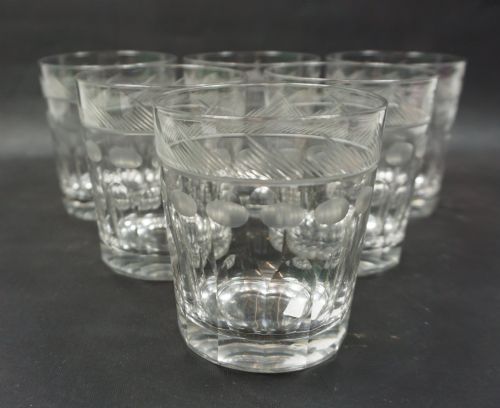
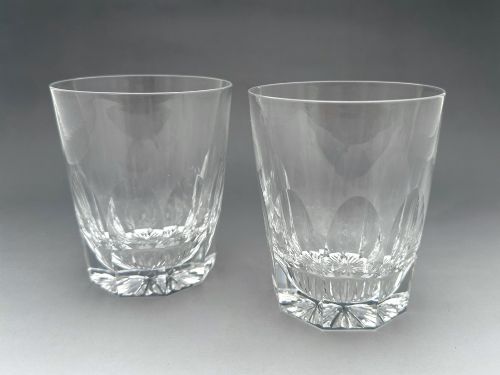
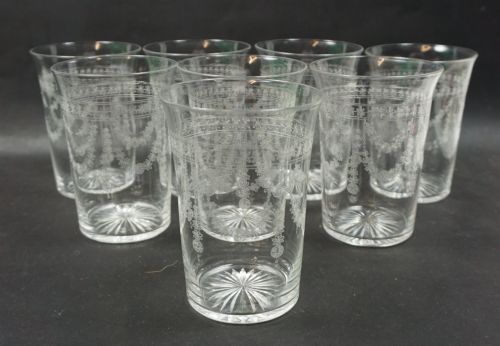
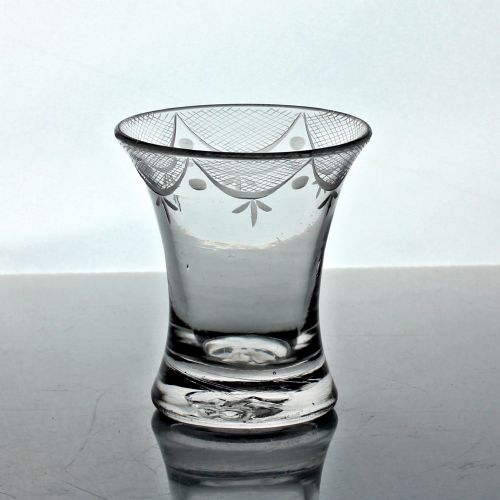
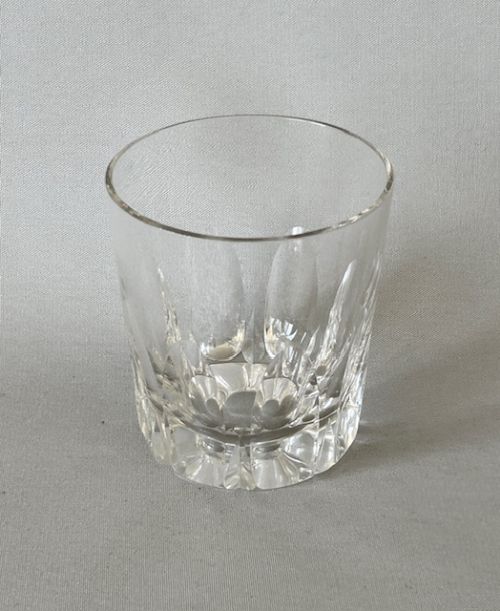


Clear Glass Tumbler
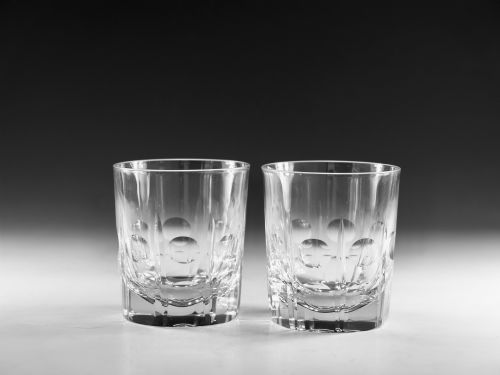
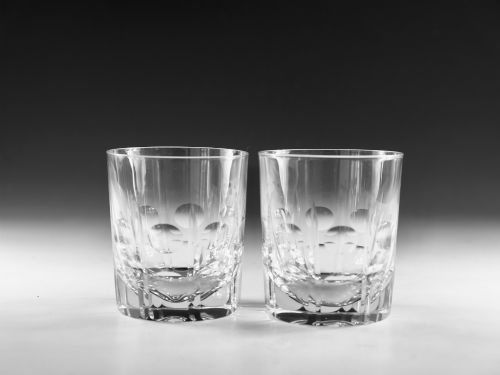
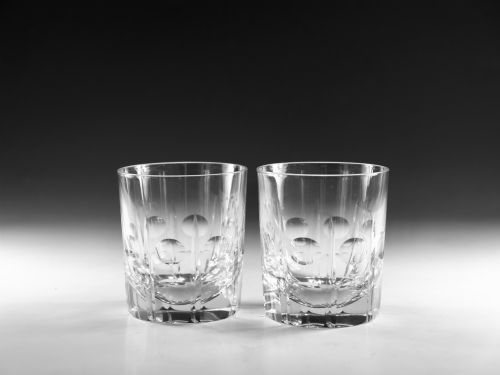
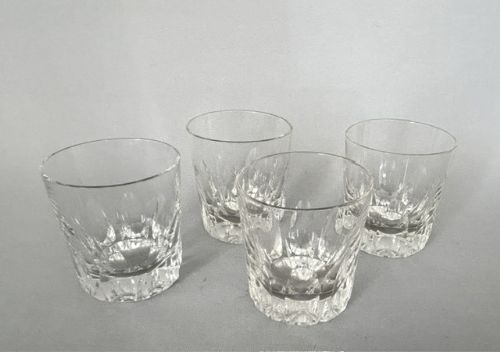
These clear glass tumbler pieces offer simple drinking vessels shaped from clear glass, lead crystal, and flint glass that suit everyday use.
What the clear glass tumbler is
A clear glass tumbler sits among the fundamental drinking vessels recorded across Victorian, Georgian, and nineteen-hundred periods. These pieces include whisky glasses and flip glass items suited for daily service.
The nineteenth century examples dominate the selection, bringing straightforward cylindrical forms alongside engraved decorative treatments. Buyers encounter pieces intended for hearty everyday toasts as well as commemorative fraternal societies.
How they were made
The material evidence points to glass, clear glass, lead crystal, flint glass, and lead glass. Artisans shaped these components through blowing and moulding techniques before cooling them into stable drinking vessels.
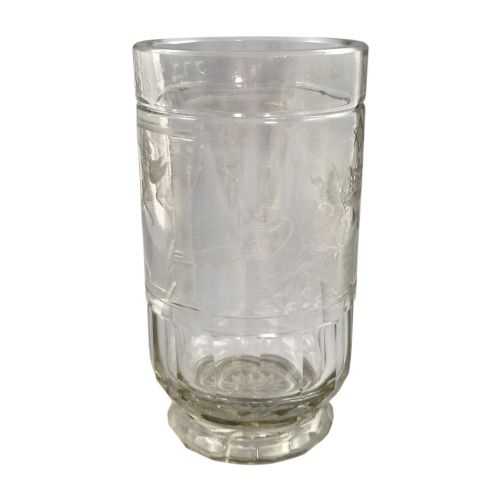
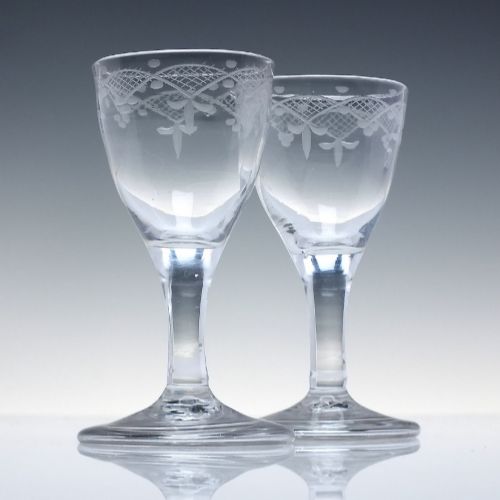
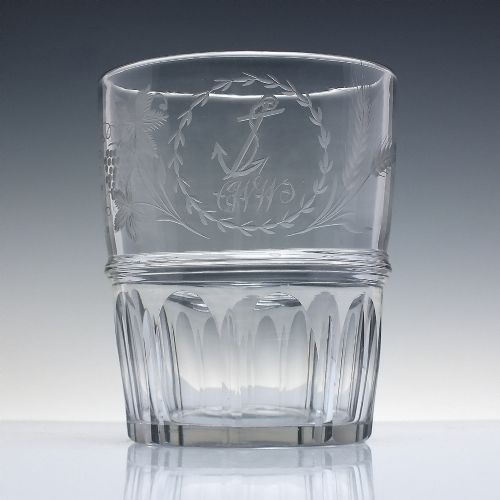
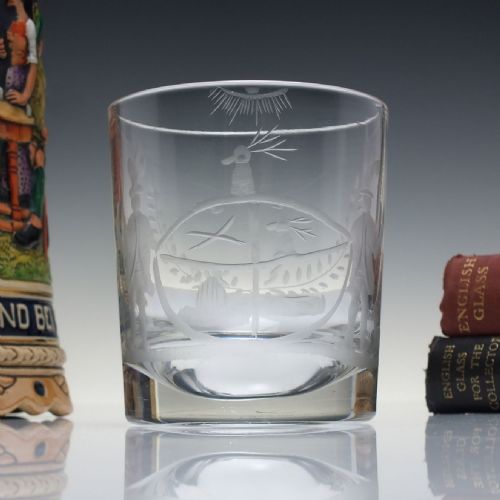
Surface decoration appears via wheel engraving, showing fruiting vines or specific organizational emblems such as the Order of Odd Fellows. These marks required steady hands and precise cutting wheels applied directly to the hardened surface.
One historical tumbler comes etched with the bold reminder last drop, ensuring nobody lingers too long with an empty glass.
What varies in quality
Quality separates ordinary utilitarian vessels from finer parlour examples through the clarity of the metal and the crispness of any engraved detail. Heavy lead crystal and flint glass specimens display greater brilliance under candlelight than standard glass.
The depth and fluidity of wheel engraving dictate the upper tier of these pieces, where deft floral motifs or bespoke inscriptions show superior hand execution. Lesser examples rely on plain walls or simpler mechanical cuts without the same tactile weight.
The Clear Glass Tumbler Glossary
- Flint glass
- A heavy, bright glass containing lead oxide that increases refractive index and weight. This material allows for sharper wheel cuts and a clearer ring when struck.
- Lead crystal
- A high-clarity glass incorporating substantial lead content for added brilliance and density. It forms the basis of many heavier nineteenth century drinking vessels.
- Flip glass
- A tall cylindrical drinking vessel with a slightly flared rim, often associated with the Georgian era. These pieces frequently feature detailed wheel engraving around the upper body.
- Engraving
- A decorative technique where rotating wheels carve designs directly into the surface of the glass. It creates frosted white lines that contrast with the clear body.
Frequently Asked Questions
What is a clear glass tumbler used for?
These vessels served primarily for drinking spirits such as whisky or ale during social gatherings and tavern evenings. Some larger forms functioned as flip glasses for mixed drinks.
Today they function effectively as everyday water tumblers or as display items for collectors of early glassware. Their sturdy bases and straightforward shapes make them practical for serving beverages.
How do I date a glass tumbler?
Dating relies on observing the weight, metal composition, and style of any engraved decoration. Georgian and Victorian pieces show distinct pontil marks on the base and variations in glass clarity.
Comparing the rim thickness and the presence of lead crystal or flint glass helps assign a piece to the nineteenth century or earlier periods.
Are these tumblers safe to use?
Most antique glass tumblers remain structurally sound for holding liquids and everyday beverages. Hand washing in warm water preserves the historic surface without risking thermal shock.
Avoiding modern dishwashers prevents clouding and protects any delicate wheel-engraved motifs from fading or scratching.
What does an engraved inscription mean?
Inscriptions often commemorate specific social groups, such as the Order of Odd Fellows, or feature playful phrases like last drop. These details reveal the original social context and personal use of the vessel.
Such personalized markings turn a standard drinking glass into a historical record of nineteenth century fellowship.