




Antique Crystal Tumblers
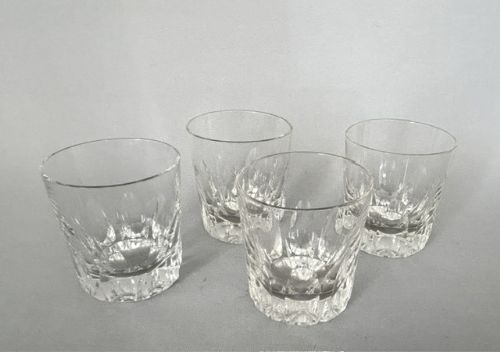
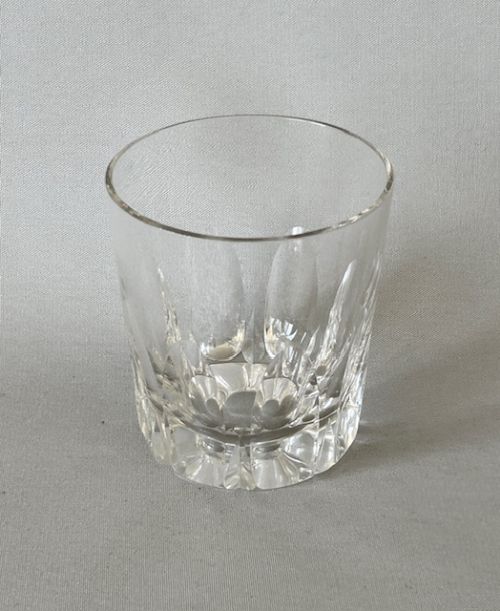
Antique crystal tumblers bring tactile weight and historic clarity to the table, offering a direct physical connection to past drinking customs.
Antique Crystal Tumblers
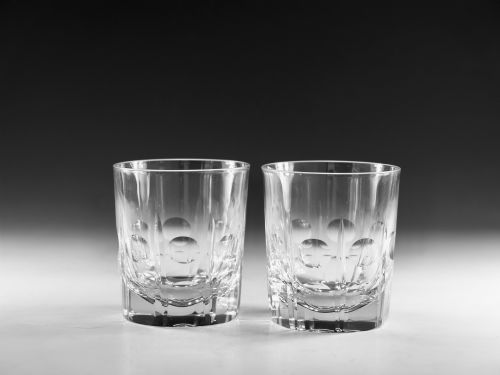
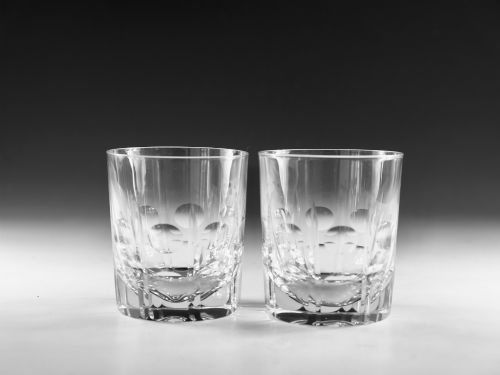
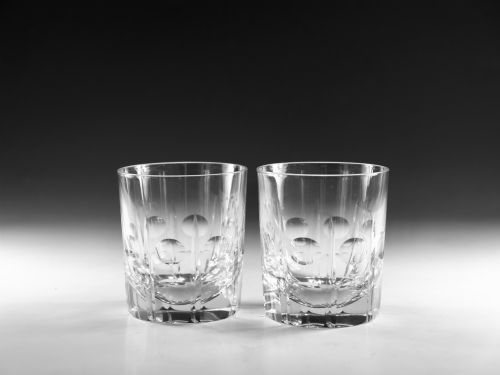
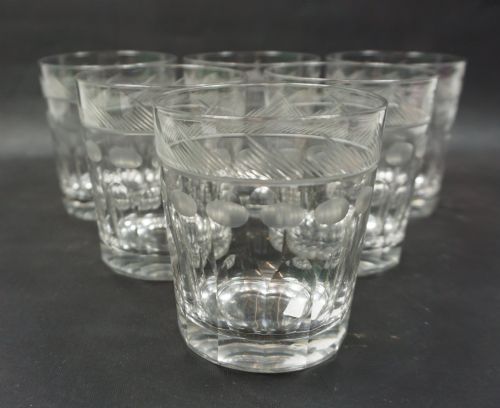
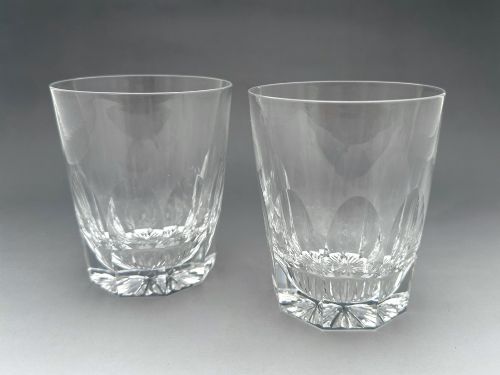
Antique crystal tumblers encompass heavy drinking vessels designed for spirits and water, ranging from compact Victorian dram glasses to capacious Georgian flip glasses. When searching for antique crystal tumblers, buyers frequently encounter matched sets and pairs dating from the Georgian, Victorian, Edwardian, and Art Deco eras.
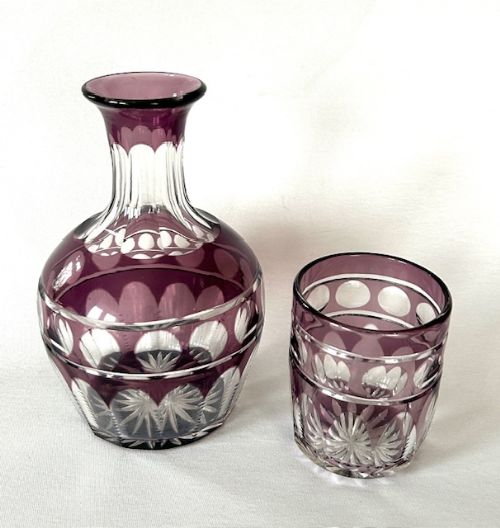
The selections span English traditional production alongside continental European workshops from Bohemia. Forms extend from straight-sided whisky tumblers to specialised cordial glasses, carafes with matching tumblers, and ceremonial beakers.
Originating primarily from the nineteenth and early twentieth centuries, these vessels reflect shifting social habits around dining and entertaining. The surviving pieces demonstrate the evolution of drinking vessel design across successive design movements.
What varies in quality
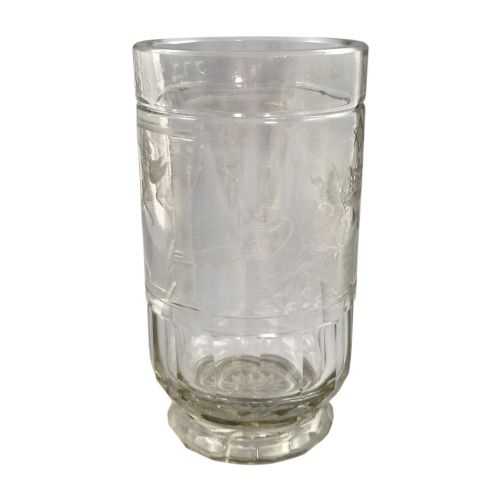
Quality rests in the crispness of the cutting and the clarity of the metal, where sharper facet edges and heavier lead content produce superior light refraction. Superior examples show precise symmetry in hand-cut flutes and deep, clean wheel-engraving.
The integrity of the rim and the overall weight distribution separate standard utility pieces from exceptional tablewares. Consistency across matched pairs and sets further distinguishes finer workshops from mass production.
One historical beaker bears the portrait of Socrates, proving ancient philosophers make surprisingly good drinking companions.
Karl Palda
The Antique Crystal Tumblers Glossary
- Lead crystal
- Glass containing a high proportion of lead oxide, which increases brilliance, weight, and softness for easier cutting. This material gives vintage drinking vessels their characteristic resonant ring and dense heft.
- Wheel engraving
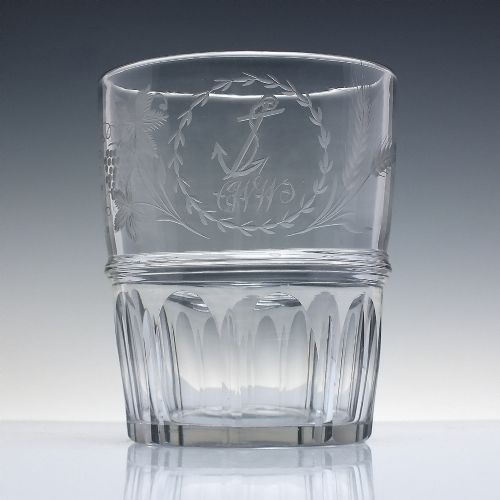
- A decoration technique using small rotating metal or stone wheels held against the glass to grind intricate designs into the surface. Artisans use varying wheel sizes to achieve subtle shading and deep pictorial details.
- Flip glass
- A large, flat-bottomed cylindrical drinking vessel popular in the eighteenth and early nineteenth centuries for serving beer or mixed drinks. These tall tumblers often feature engraved floral or commemorative motifs.
- Acid etching
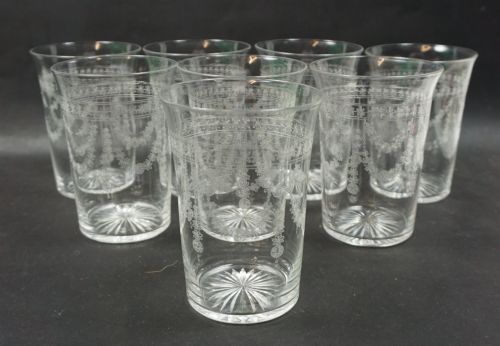
- A decorative process using acid to eat away exposed areas of glass protected by a resist, creating frosted or textured patterns. This technique allowed makers to produce delicate botanical and geometric borders with uniform depth.
Antique Crystal Tumblers: Frequently Asked Questions
Can I use antique tumblers for daily drinks?
Many people enjoy using their antique glassware for everyday dining, appreciating the substantial weight and historic feel in the hand. Modern spirits and water cause no harm to durable lead crystal.
Care should be taken with exceptionally thin Georgian vessels or pieces with delicate enamel, reserving those rarer examples for special occasions.
How do I tell Victorian tumblers from Edwardian ones?
Victorian tumblers often feature heavier, deeper facet cutting and robust proportions designed for nineteenth-century dining tables. The glass metal can occasionally display a slight greyish or yellowish tint depending on the batch.
Edwardian and later pieces frequently exhibit lighter, more refined cutting styles alongside cleaner, brighter metal reflecting changing domestic tastes around the turn of the twentieth century.
What is the difference between glass and lead crystal?
Lead crystal contains metallic oxides that increase the density, refractive index, and weight compared to standard soda-lime glass. This composition allows artisans to cut sharper angles that scatter light more brilliantly.
When gently tapped, genuine lead crystal produces a clear, resonant musical tone rather than the dull thud typical of ordinary glass.