




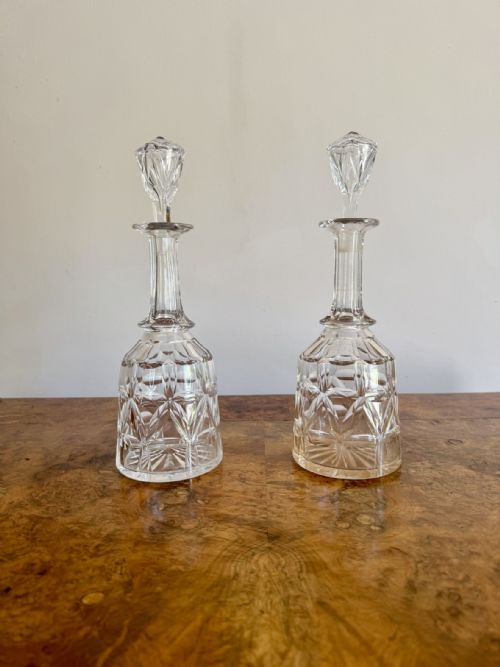
Crystal Whisky Glass
A crystal whisky glass brings weight and clarity to the table, uniting Victorian craftsmanship with the simple ritual of a dram.
Crystal Whisky Glass
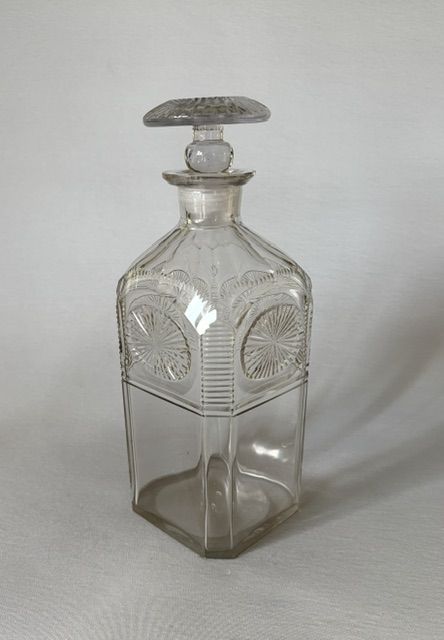
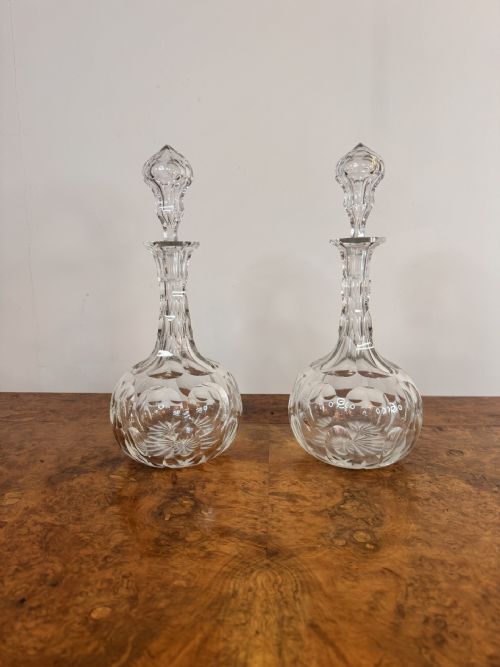
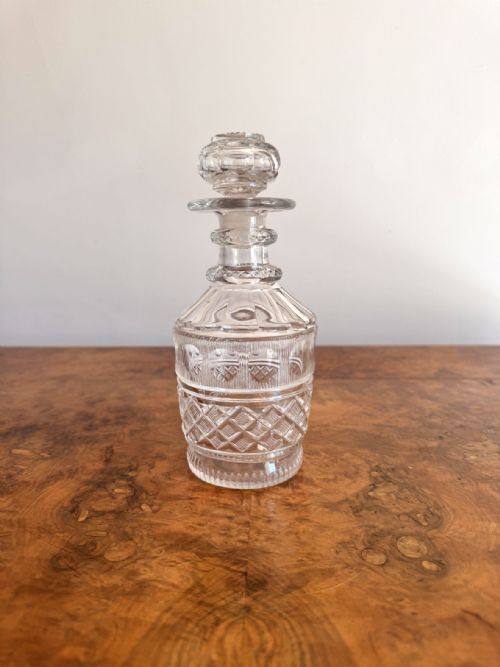
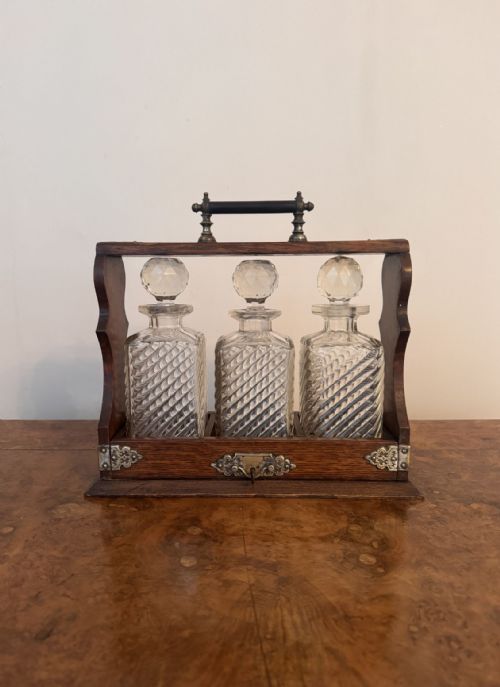
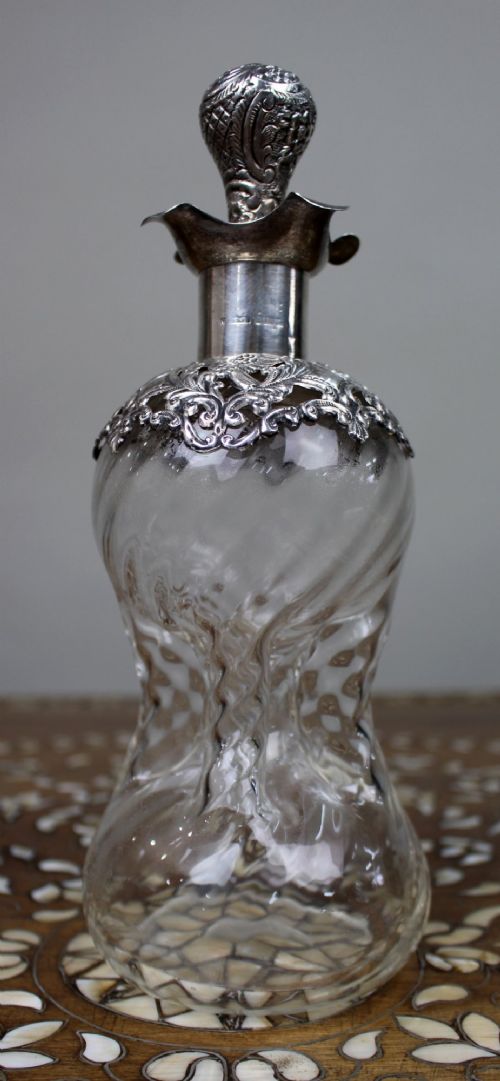
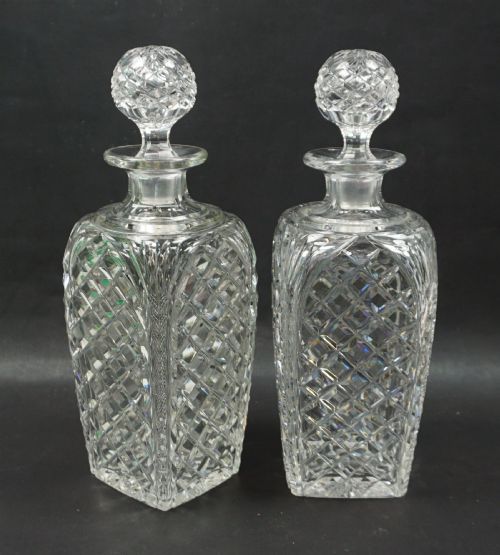
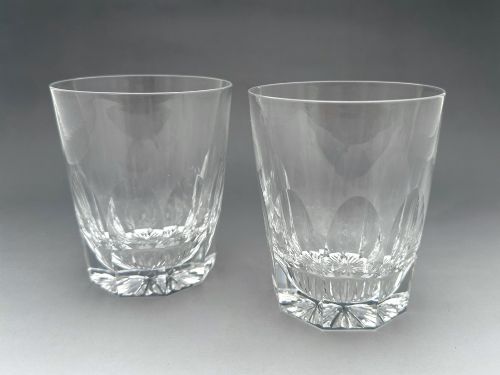
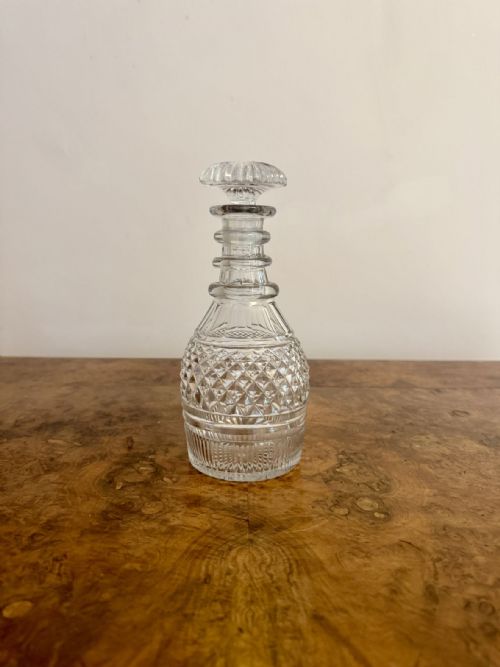
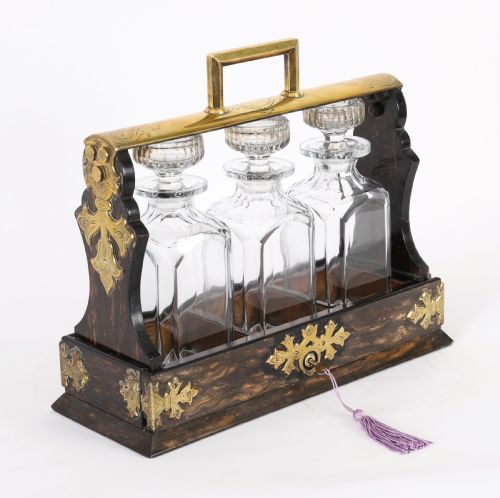
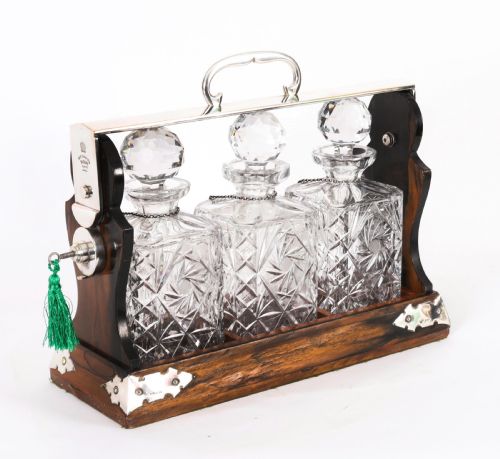
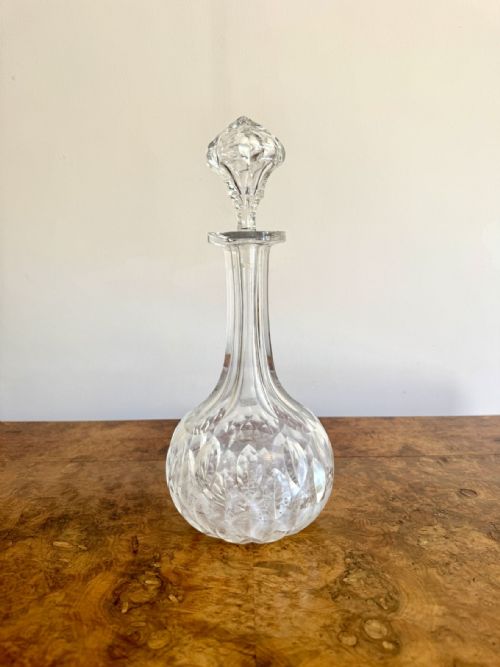
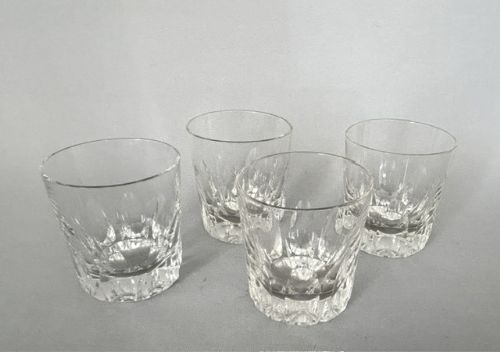
A crystal whisky glass search gathers drinking vessels, spirit decanters, and fitted tantalus sets spanning the Victorian, Edwardian, and Art Deco periods. Tumblers and dram glasses dominate the selection, often accompanied by heavy cut crystal decanters.
Most examples originate from British workshops, though continental pieces such as Czech geometric glassware also appear. Buyers meet single tumblers, matched pairs, and larger sets complete with silver collars and serving trays.
What varies in quality
Quality rests upon the depth and crispness of the glass cutting, alongside the purity and refractive index of the lead crystal. Heavy, well-balanced tumblers feel substantial in the hand.
The sophistication of secondary materials elevates a piece, from solid oak tantalus frames with working locks to hallmarked silver mounts and matched sets of glassware.
Crystal Whisky Glass Retail Price Guide 2026
Typical asking prices for crystal whisky glass among the pieces listed under this phrase on Sellingantiques today, from the lower quarter to the upper quarter. They describe what is for sale here now, not the wider market.
Victorian hosts relied on locking decanter frames to keep the servants from sampling the scotch.
Betjemann·Karl Palda·James Powell
The Crystal Whisky Glass Glossary
- Tantalus
- A locking wooden frame designed to secure spirit decanters while displaying the contents. The mechanism prevents removal of the bottles until the lock is opened with a key.
- Lead crystal
- Glass containing a high proportion of lead oxide, which increases weight, brilliance, and the ringing sound when tapped.
- Whiskey dram
- A small traditional drinking vessel sized for a single measure of spirit. Georgian and Victorian examples often feature thick bases.
- Optically blown
- A glassblowing technique where molten metal is inflated in a ribbed mould to create internal pattern lines. This imparts a subtle texture to the walls of the vessel.
Crystal Whisky Glass: Frequently Asked Questions
How do I identify a Victorian crystal whisky glass?
Victorian tumblers typically display heavy lead crystal composition combined with hand-cut flutes or hobnail patterns. They feel noticeably heavier than later twentieth-century production.
Look for small imperfections within the glass body, such as tiny air bubbles, which indicate traditional mouth-blown manufacturing methods.
What is an antique tantalus?
A tantalus is a secure cabinet frame holding two or three decanters behind a locking wooden bar. The design allows people to see the whisky while preventing uninvited consumption.
Most surviving examples utilise oak or exotic timbers like coromandel, often fitted with brass mounts and silver-plated handle fixtures.
Can I use these glasses daily?
Antique crystal tumblers are durable enough for regular use provided they are washed by hand rather than placed in modern dishwashers. The lead content makes the glass strong yet susceptible to thermal shock.
Store them upright on stable surfaces away from the edge of shelving to protect the rims and heavy cut bases.