

Clear Glass Jar
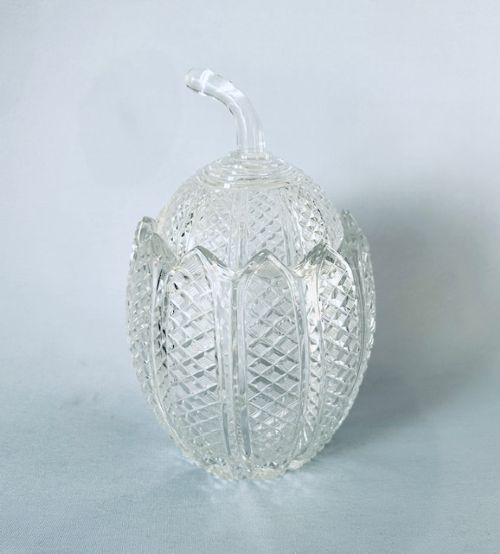
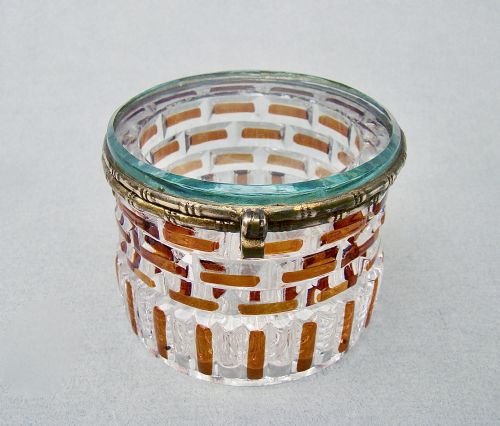
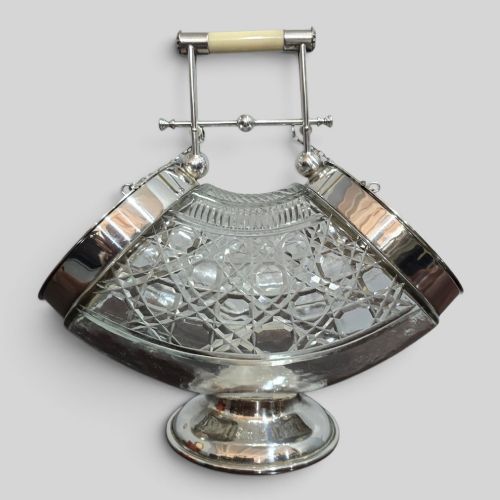
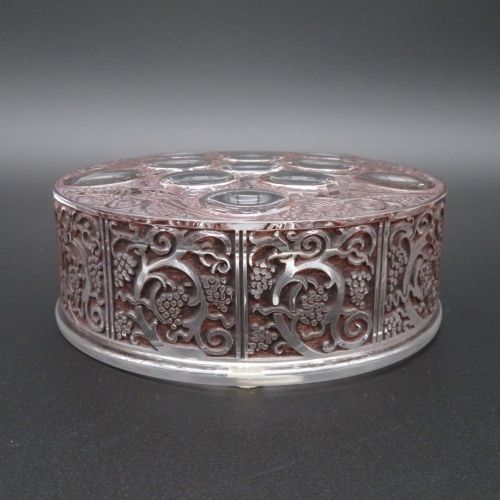
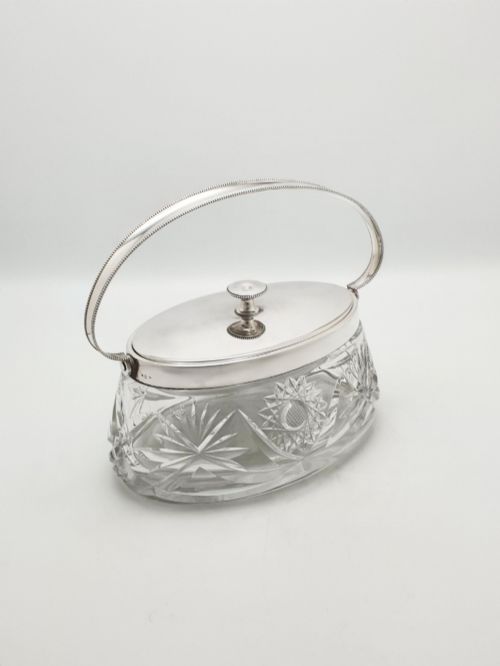
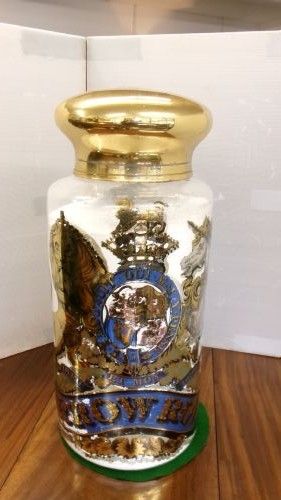
A clear glass jar spans practical apothecary vessels and heavy cut crystal biscuit barrels designed to sit on a Victorian sideboard.
Clear Glass Jar
A clear glass jar serves multiple domestic and commercial functions across the Georgian, Victorian, and Edwardian periods. Buyers searching this phrase meet everything from large pharmacy carboys and apothecary jars to lidded biscuit barrels, dresser boxes, and display domes.
The objects span utilitarian containers used for chemicals and arrowroot alongside decorative table pieces mounted in sterling silver, brass, or silver plate. Forms range from simple hand-blown chemist bottles to heavily cut lead crystal containers with hobnail patterns and novelty melon shapes.
Originating predominantly from English and French makers, these pieces reflect the shifting needs of nineteenth and early twentieth-century households and dispensaries. Surviving examples demonstrate how clear glass adapted from scientific utility to refined dining and dressing table accessories.
Materials and construction
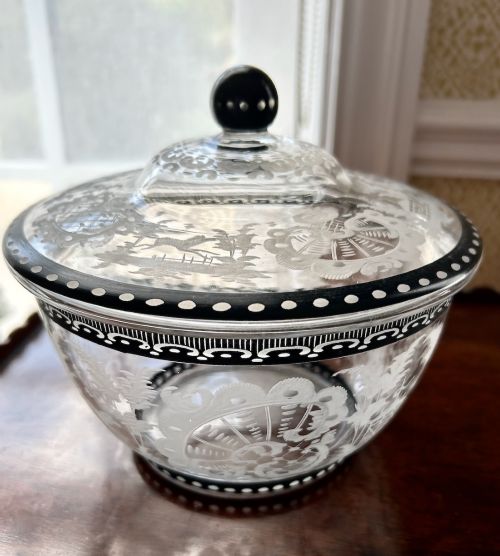
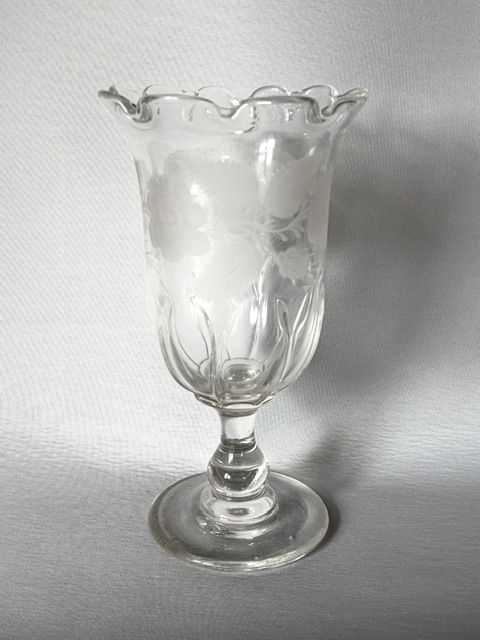
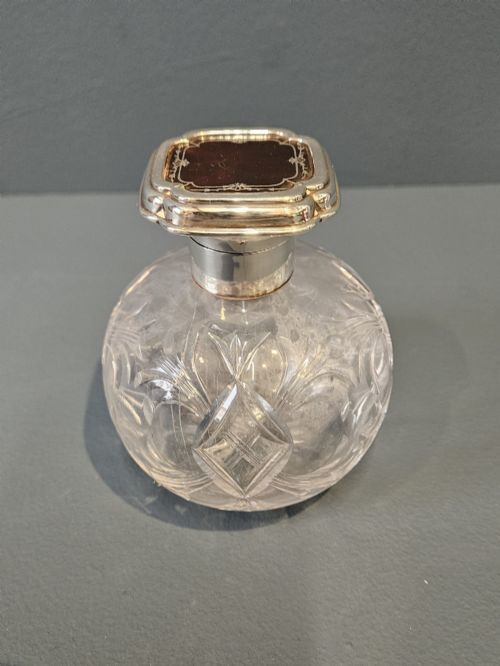
Makers utilised heavy lead crystal and hand-blown glass, shaping the molten material through blowing, moulding, and cutting techniques. Surface decoration frequently involved intricate wheel-cutting, etching, or engraving to create geometric patterns and floral motifs.
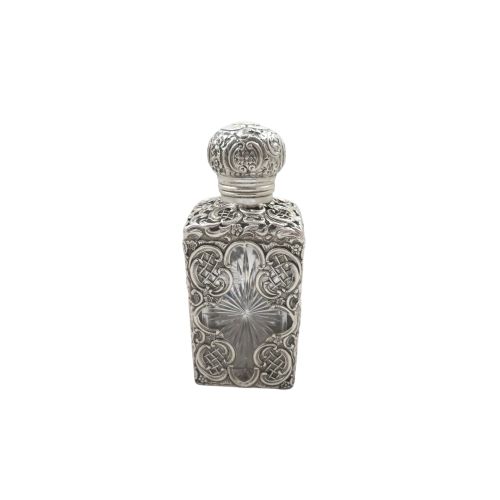
Metal mounts in sterling silver, silver plate, brass, and gold leaf provide structural support and secure lids for scent bottles, biscuit boxes, and tea caddies. Additional components incorporate materials such as enamel, tortoise shell, and wood stands to complete the composition.
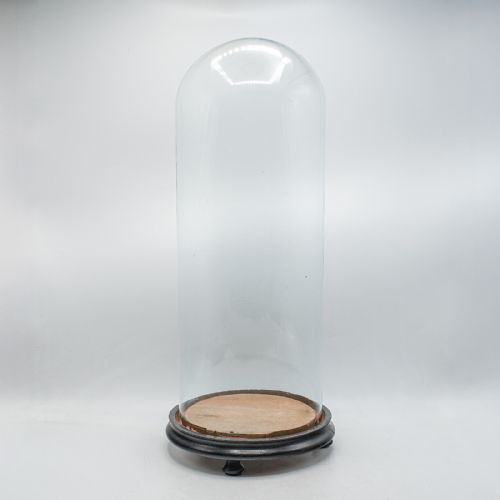
Victorian display domes occasionally house elaborate taxidermy showcases and preserved fruit arrangements, serving as miniature indoor ecosystems under glass.
Assessing quality and craftsmanship
Quality rests in the weight and clarity of the glass, the depth of the wheel-cut facets, and the crispness of the engraving. Superior examples show precise symmetry in hand-blown vessels and flawless integration between the glass body and any metal mounts.
The distinction between standard utility items and high-end pieces lies in the refinement of secondary materials like hallmarked sterling silver, enamel detailing, and the reputation of the workshop involved in the mounting.
Baccarat·Elkington·Lalique·WMF·Asprey and Co·Barnsley and Co
The Clear Glass Jar Glossary
- Carboy
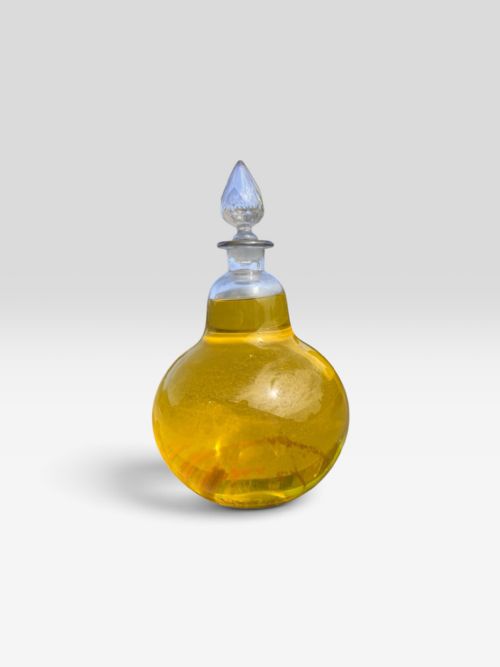
- A large globular glass bottle used in laboratories and pharmacies for holding liquids. They typically feature heavy blown glass walls designed to withstand chemical storage.
- Hobnail cut
- A faceted glass pattern resembling the hobnails used on heavy boots. This deep geometric cutting catches the light across nineteenth-century biscuit barrels.
- Cloche
- A bell-shaped glass cover used to protect food or display delicate items like taxidermy and still life arrangements. They sit upon matching bases of wood or ceramic.
- Silver gilt
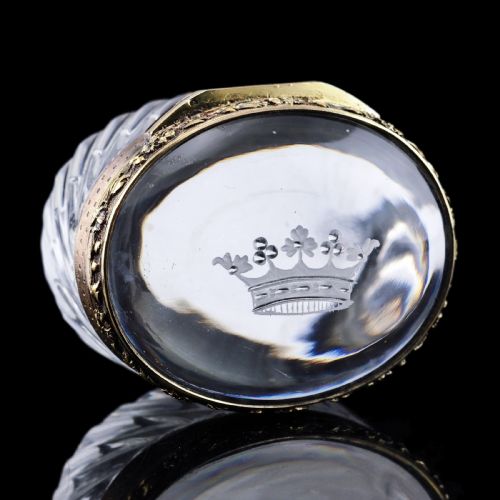
- Silver that has been coated with a thin layer of gold. This treatment appears on mounts and coronets for luxury nineteenth-century boxes.
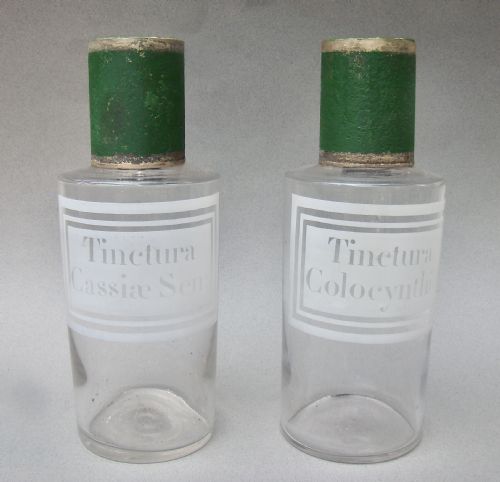
- Tincture bottle
- A small pharmacy bottle specifically manufactured to hold alcoholic medicinal extracts. These often feature ground glass stoppers to preserve the contents.
Clear Glass Jar: Frequently Asked Questions
How were apothecary jars used?
Apothecary jars stored dry drugs, herbs, chemicals, and pharmaceutical preparations in pharmacies and dispensaries. Large versions stood on shop counters while smaller tincture bottles lined dispensary shelves.
Their tight-fitting ground glass stoppers prevented moisture from spoiling the contents. Over time, many transitioned into domestic decorative settings once their commercial utility ended.
What is a biscuit barrel?
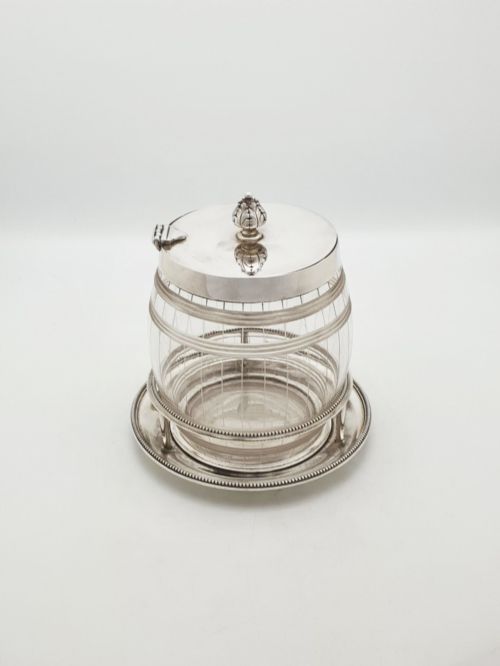
A biscuit barrel is a lidded container designed specifically for storing and serving dry biscuits at the dining table. They became particularly popular during the Victorian and Edwardian eras.
Many examples feature heavy cut crystal bodies fitted with metal handles and lids in silver plate or sterling silver. They often sat on the sideboard as part of formal afternoon tea service.
How do I date a glass jar?
Dating relies on examining manufacturing marks, pontil marks on the base, metal mount hallmarks, and overall stylistic conventions. Hand-blown pieces from the Georgian and early Victorian periods often display rough pontil scars where the blowpipe was detached.
Silver mounts stamped with city assay office hallmarks provide precise year letters. Later twentieth-century pieces show smoother machine-moulded seams and cleaner bases.
Can I use these jars daily?
Most antique jars function perfectly well for modern storage provided they are handled with care and washed by hand. Delicate cut crystal and pieces with silver or enamel mounts require gentle cleaning without harsh detergents.
Display domes and fragile apothecary items are best kept stationary to protect their aged glass and original fitted stoppers.