
Clear Glass Drinking Goblets
Clear glass drinking goblets bring tactile weight and historic form to the table, spanning Georgian and Victorian periods through lead glass and flint glass.
Clear Glass Drinking Goblets
When you search for clear glass drinking goblets, you encounter centuries of table glassware designed for wine, ale, beer, and spirits. The selection spans the eighteenth century and the Victorian era, offering diverse drinking vessels originating from English workshops.
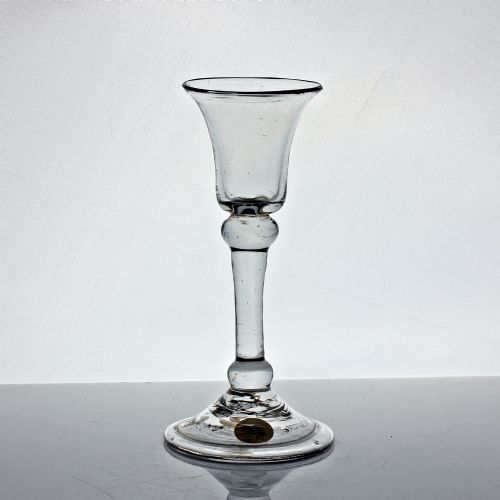
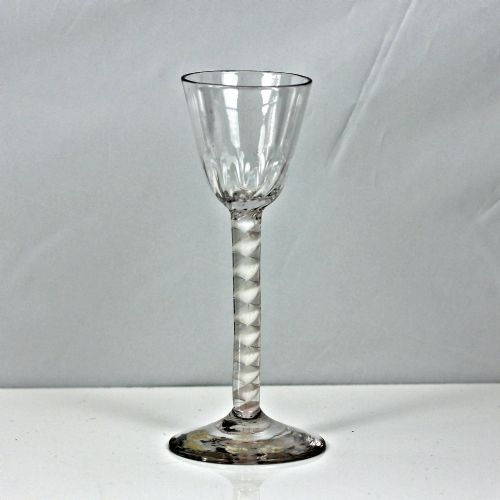
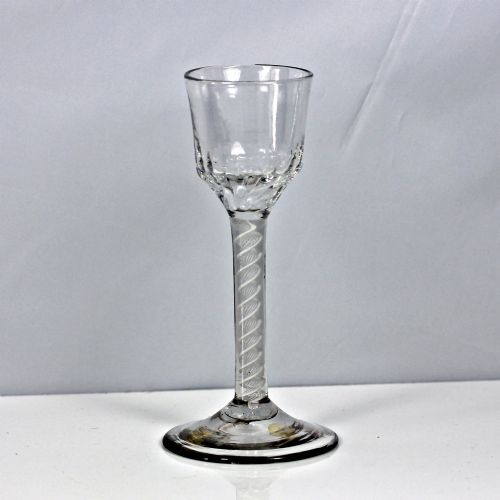
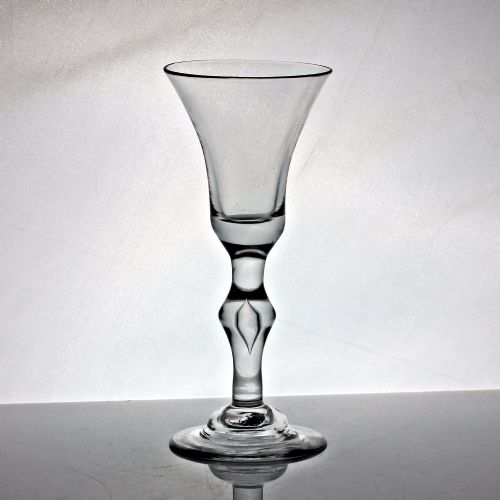
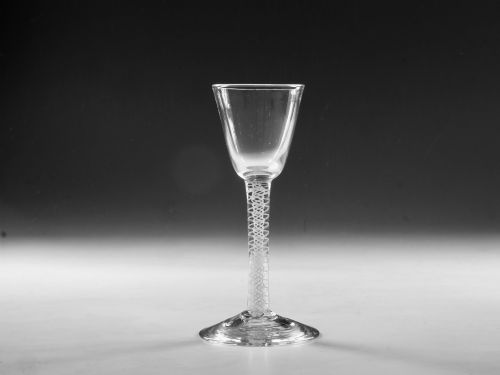
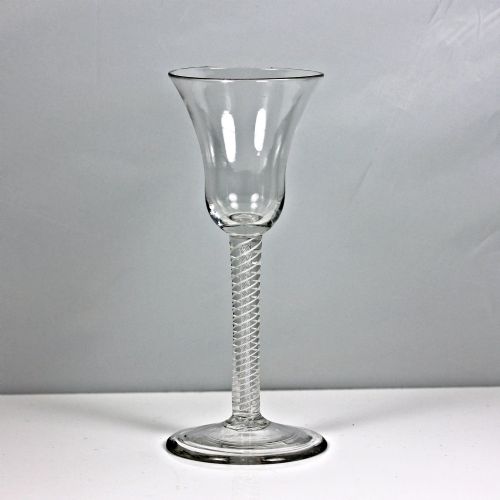
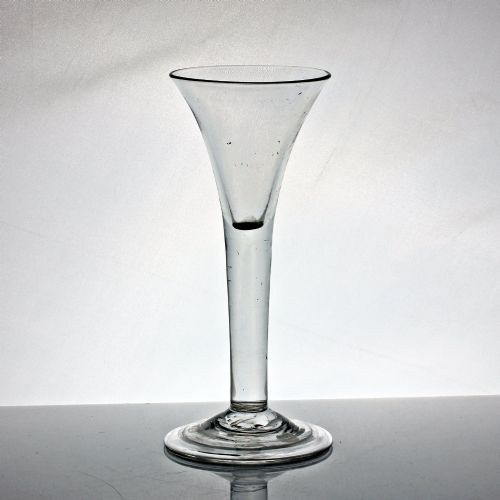
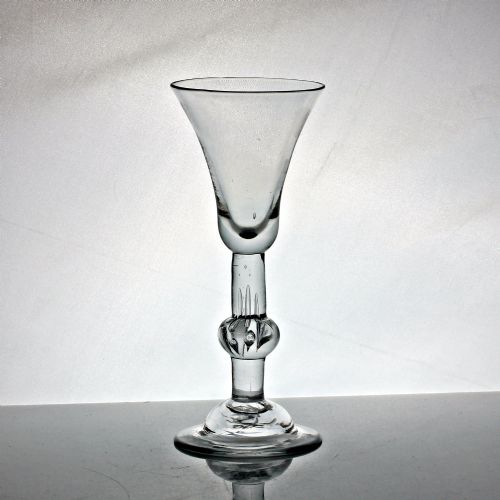
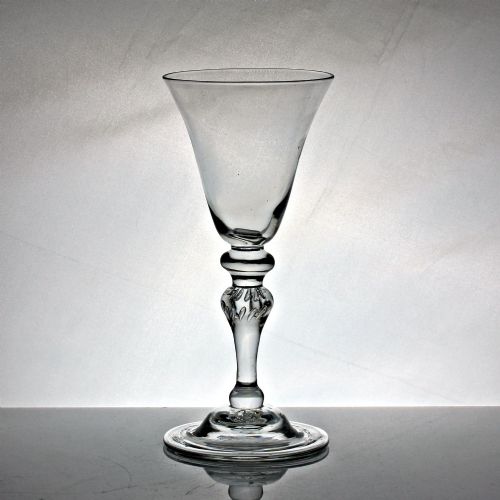
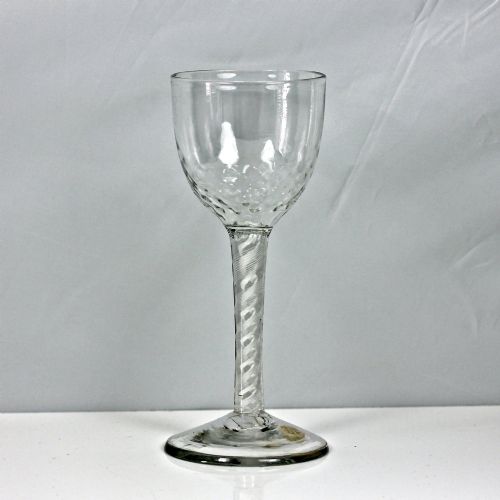
You meet pieces ranging from heavy rummers and balustroid wine glasses to delicate opaque twists and air twists. The common thread is clear lead glass or flint glass fashioned into functional drinking vessels with distinct bowls, stems, and foot bases.
Materials and Techniques
Glassmakers utilised lead glass, lead crystal, and flint glass to achieve brilliant clarity and substantial weight in these drinking vessels. Molten metal was blown, moulded, and shaped by hand into bowls and stems, then finished with folded feet or wide foot bases for stability.
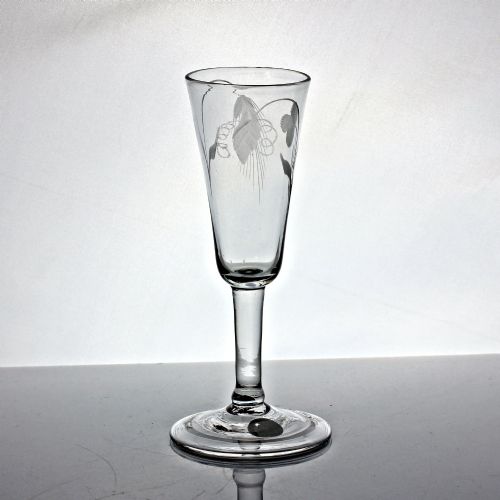
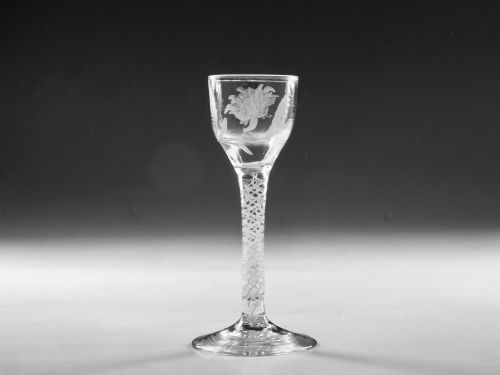
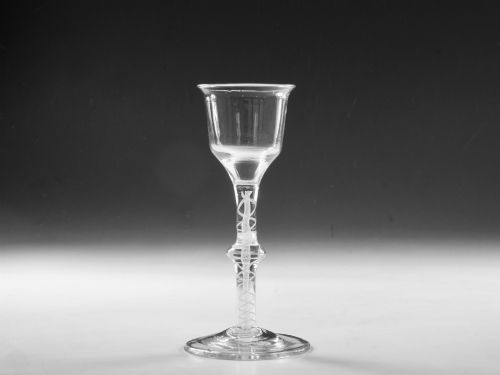
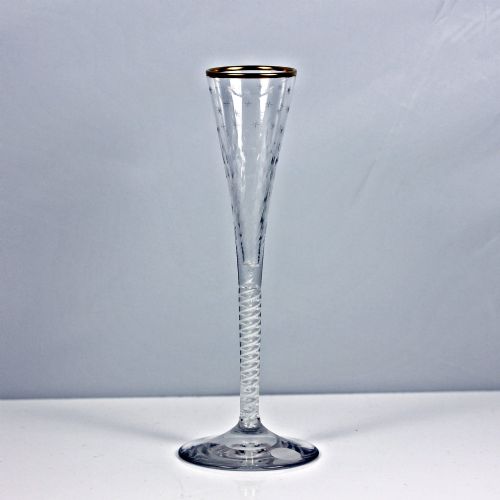
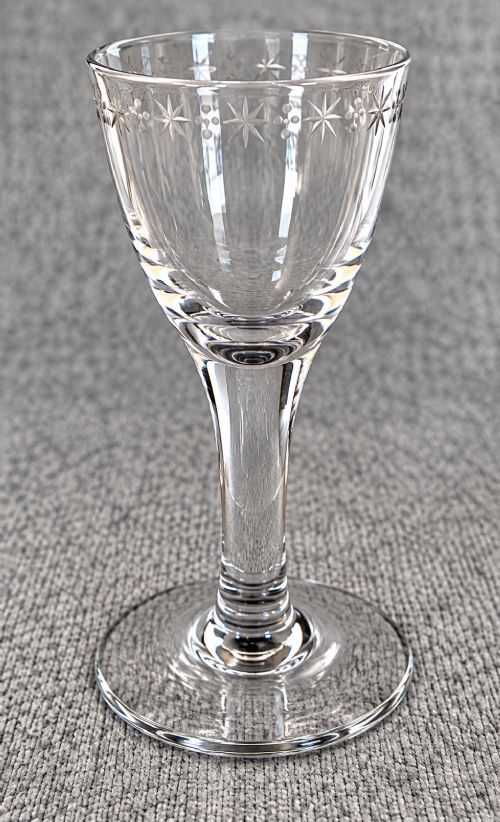
Decoration relied on engraving, such as pan top bowls with swag and tail or Jacobite motifs, alongside optical effects like ribbing, wrythen patterns, and facet cutting. Twist stems incorporated air bubbles or white enamel threads drawn through the molten glass during manipulation.
Listings feature lead glass and flint glass items originating from the eighteenth century and the Victorian era.
Evaluating the Pieces
Quality rests upon the proportion and balance of the vessel, from the thickness of the metal to the precision of the stem formation. Air twists and opaque twists demonstrate exceptional glasshouse skill when the internal threads run evenly without distortion.
Surface engraving and moulding define the distinction between standard tavern ware and refined parlor pieces. Crisp cutting on faceted stems and detailed wheel engraving on the bowl elevate the presence of the glass on the table.
The Clear Glass Drinking Goblets Glossary
- Lead glass
- A type of glass containing lead oxide that increases brilliance and weight. It became the primary medium for English drinking vessels from the late seventeenth century onward.
- Air twist
- A stem formation enclosing spiral channels of elongated air bubbles within the glass. Makers created these by drawing and twisting heated glass rods.
- Opaque twist
- A stem style containing internal threads of white enamel glass twisted into spiral patterns. These threads create a striking contrast against the clear metal of the bowl.
- Rummer
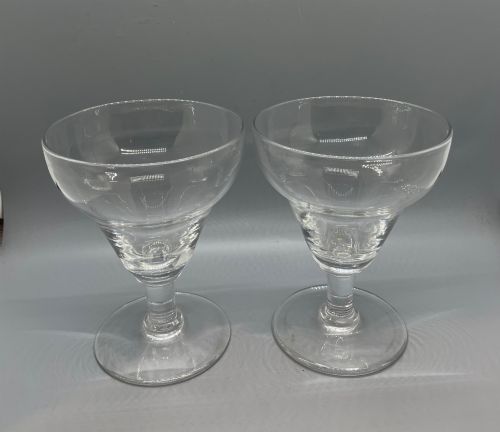
- A capacious drinking glass popular for wine, beer, or punch during the Georgian and Victorian eras. They typically feature sturdy stems and bucket or round bowls.
- Folded foot
- A base edge doubled over during hot working to form a smooth rim that adds strength. This technique appears frequently on eighteenth-century drinking glasses.
Clear Glass Drinking Goblets: Frequently Asked Questions
How do I identify a Georgian glass?
Georgian glass often displays characteristic weight from lead content, alongside specific stem formations like air twists, opaque twists, or balusters.
Examining the pontil mark on the underside of the foot reveals signs of hand-finishing typical of the period.
What were rummers used for?
Rummers served as versatile drinking vessels for ale, beer, wine, and mixed punch during the Georgian and Victorian periods.
Their larger capacity and sturdy construction made them practical for everyday tavern and dining room use.
How should I clean antique glass?
Wash antique glassware gently by hand in warm water using a mild detergent, avoiding harsh scrubbing or sudden temperature changes.
Dry them immediately with a soft lint-free cloth to preserve the clarity and prevent water spots.
What is an air twist stem?
An air twist stem contains spiral threads of tiny trapped air bubbles running through the clear glass rod.
Glassmakers produced this effect by piercing hot metal with pins and twisting the glass as it was drawn out.