
Clear Glass Bowl
When you search for a clear glass bowl, you are looking at centuries of domestic tableware shaped by changing glassmaking methods.
Clear Glass Bowl
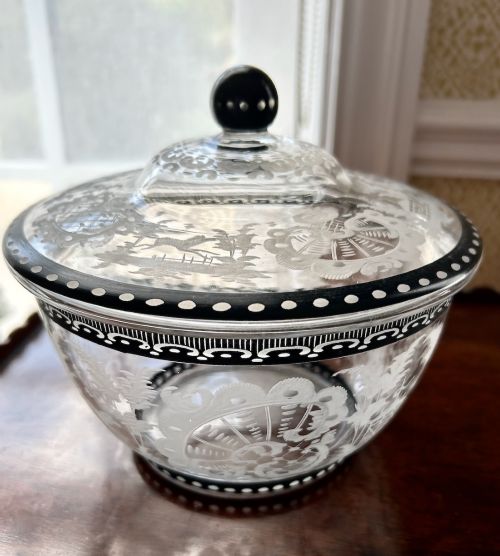
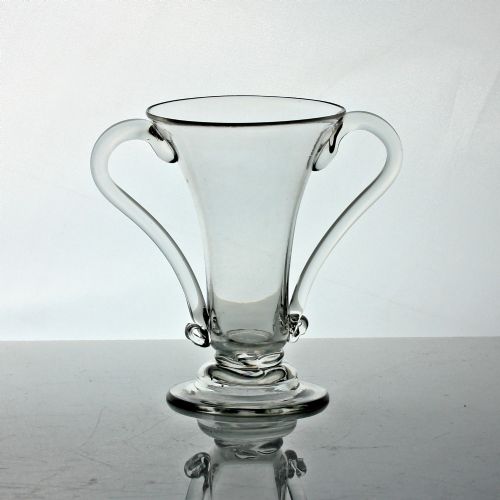
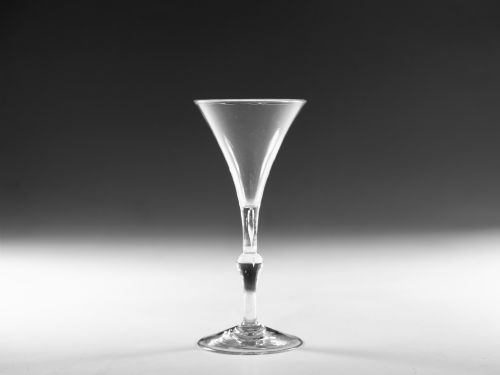
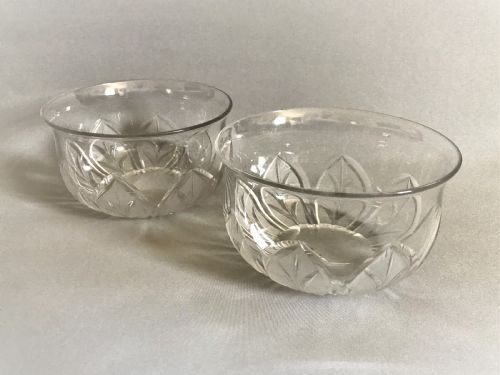
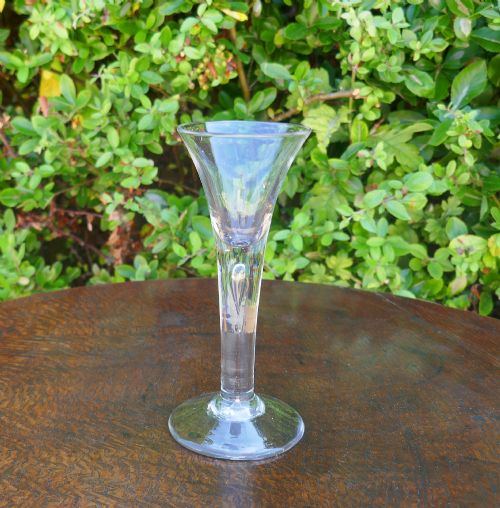
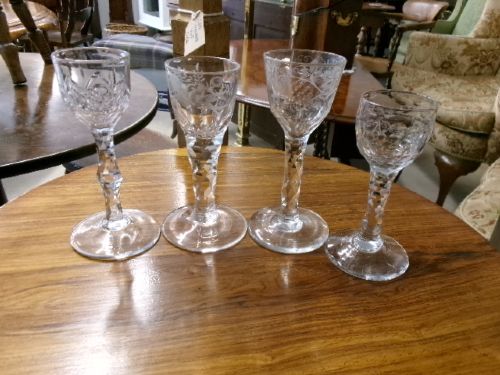
A clear glass bowl encompasses diverse forms ranging from eighteenth-century drinking vessels with specific bowl shapes to large Victorian and Edwardian table centrepieces. Buyers frequently encounter domestic pieces intended for serving, display, or dining table use across multiple historical eras.
Materials and Construction
Maker utilises lead glass, lead crystal, and flint glass to achieve brilliance and weight in vessels. These dense materials permit deep cutting, moulding, and engraving without losing structural clarity.
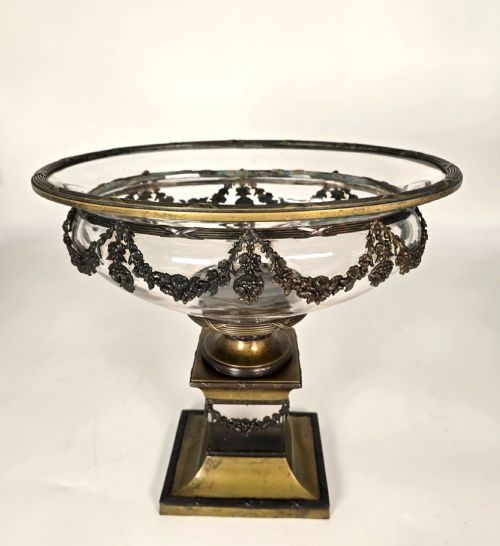
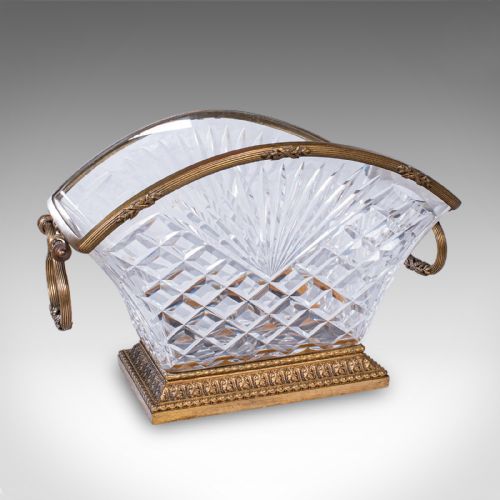
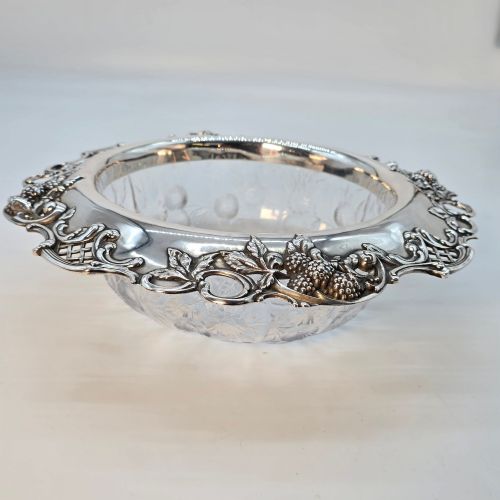
Mounts in bronze, ormolu, and sterling silver provide structural support and decoration for glass bodies. Craftsmen combine blown or moulded glass components with metalwork frames using traditional joining techniques.
Clear Glass Bowl Retail Price Guide 2026
Typical asking prices for clear glass bowl among the pieces listed under this phrase on Sellingantiques today, from the lower quarter to the upper quarter. They describe what is for sale here now, not the wider market.
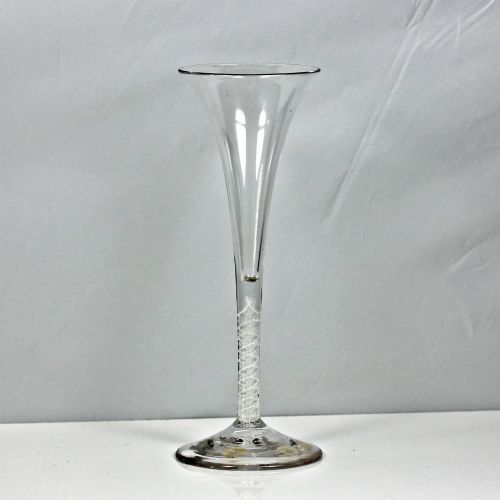
Georgian drinking glasses occasionally hide minuscule air bubbles inside their stems, left behind by eighteenth-century glassblowers.
Assessing Quality
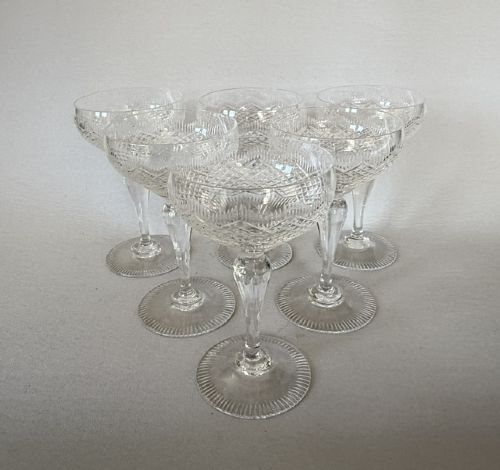
Quality rests in the precision of the cutting and the purity of the metal. Sharp, clean facets and smooth polished surfaces distinguish finer examples from standard commercial wares.
The harmony between glass and metal mounts dictates overall merit. Superior pieces exhibit tight fitting metal frames and balanced proportions between the bowl and its base.
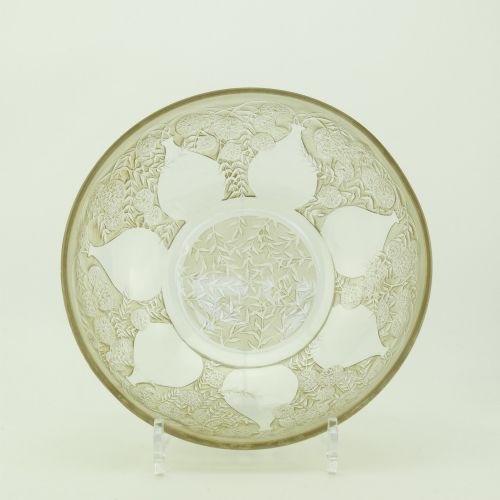
Rene Lalique·Tiffany and Co·William Comyns·Val St Lambert·Elkington and Co
The Clear Glass Bowl Glossary
- Lead Crystal
- A heavy, high-clarity glass containing lead oxide that increases refractive index and allows deeper cutting. This material is denser than standard window glass.
- Plafonnier
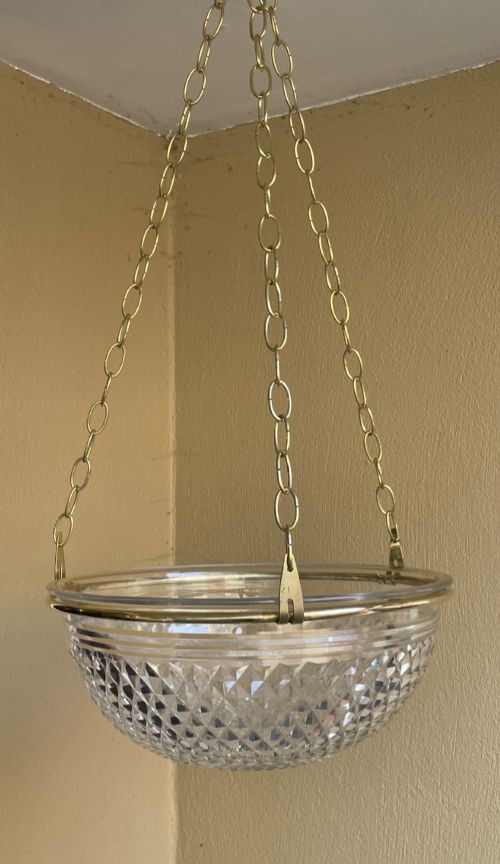
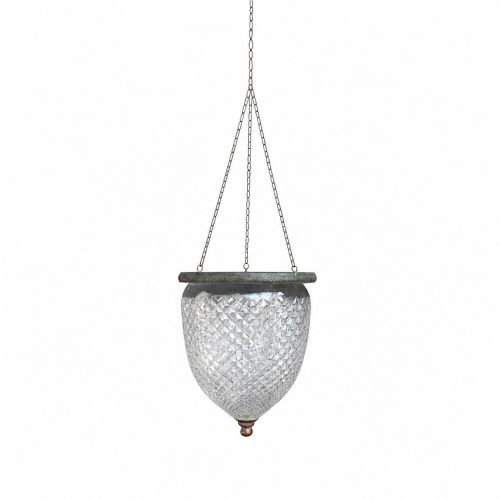
- A ceiling light bowl suspended close to the surface, frequently manufactured in cut or moulded glass. These fixtures illuminate interior spaces downwards.
- Tazza
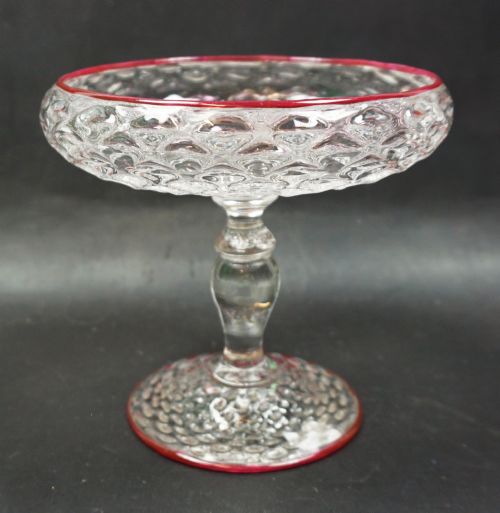
- An ornamental pedestal bowl raised on a central foot. This footed plate form serves decorative display purposes on dining tables.
- Air Twist
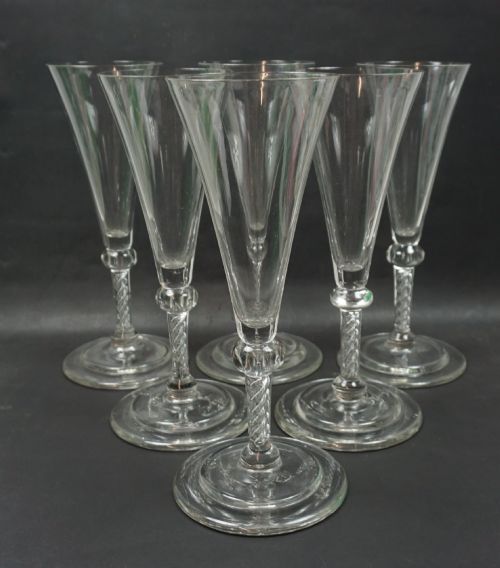
- An internal spiral of tiny bubbles trapped within the stem of a drinking glass. Makers created this effect by drawing air threads through molten metal during pulling.
Clear Glass Bowl: Frequently Asked Questions
How do I date a clear glass bowl?
Dating relies on identifying manufacturing traits such as pontil marks, cutting styles, and mounting metals. Eighteenth-century pieces often display distinct stem formations and hand-blown characteristics.
Later Victorian and Edwardian examples incorporate machine moulding or heavier metal mounts. Comparing form and material against known historical periods confirms approximate age.
What is the difference between flint glass and lead crystal?
Flint glass and lead crystal both offer enhanced clarity and weight compared to ordinary soda-lime glass. Flint glass historically denoted high-purity glass containing lead developed for optical and decorative uses.
Lead crystal specifies a legal and technical categorization based on lead oxide content. Both materials provide the requisite hardness for wheel-cut decoration.
How were these bowls used historically?
Clear glass bowls served diverse functions across dining and domestic routines, including holding fruit, jelly, or condiments. Table centrepieces occupied prominent positions during formal meals to display sweetmeats or floral arrangements.
Smaller vessels functioned as finger bowls or drinking glasses with specific bowl profiles. Their transparency allowed hosts to showcase the colours of food and wine.
How should I clean antique glass?
Cleaning requires lukewarm water and mild detergent applied with a soft cloth. Harsh chemicals and abrasive sponges damage delicate surfaces and metal mounts.
Sudden temperature changes cause thermal shock and cracking in old glass. Drying thoroughly with a lint-free cloth preserves clarity and prevents water spotting.