

Classical Portrait Statue
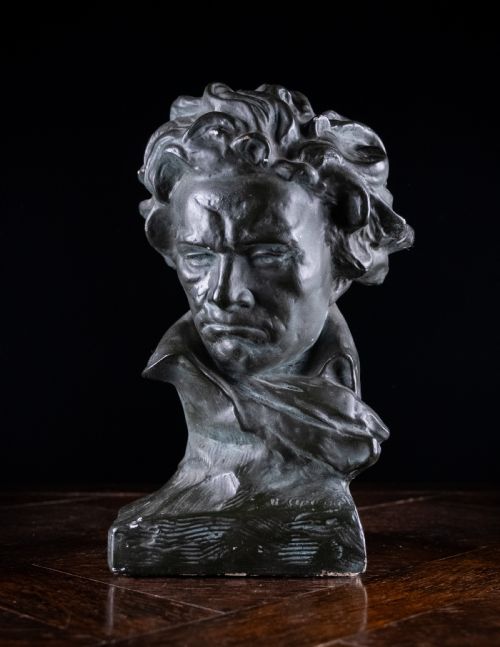
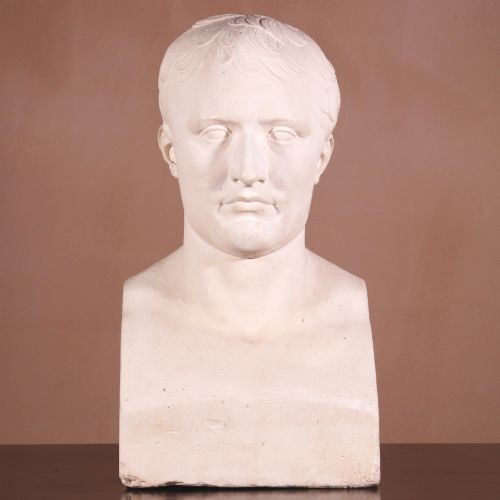
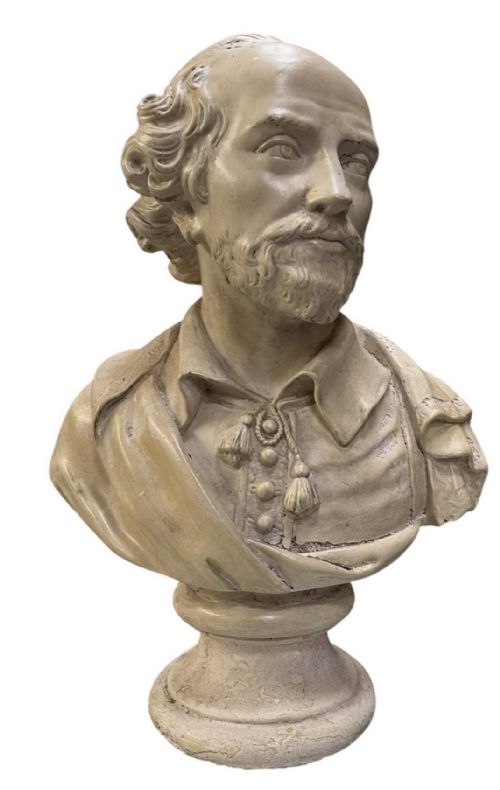
A classical portrait statue captures the dignified likeness of historical figures, nobility and mythological subjects in enduring materials.
Classical Portrait Statue
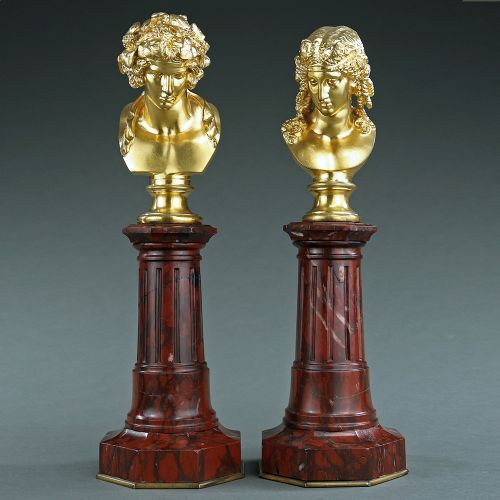
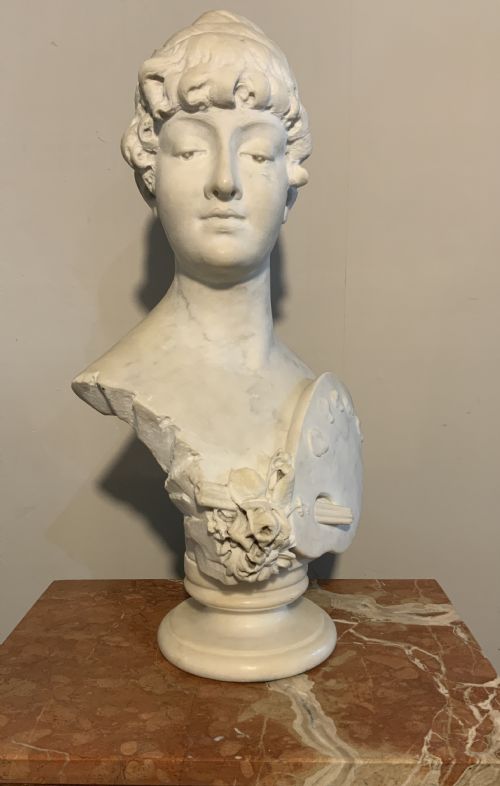
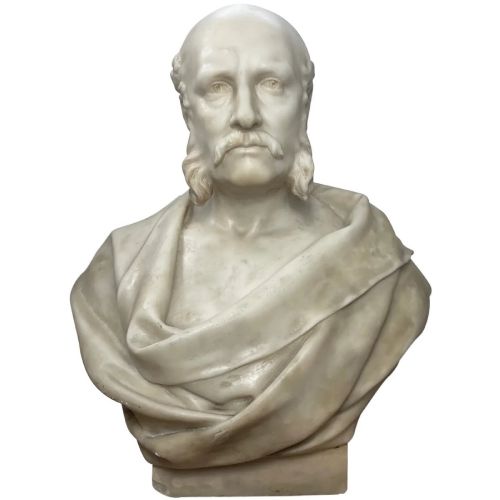
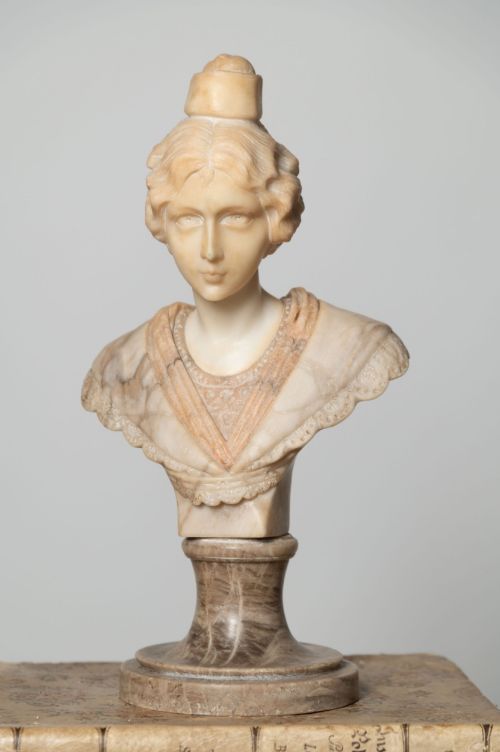
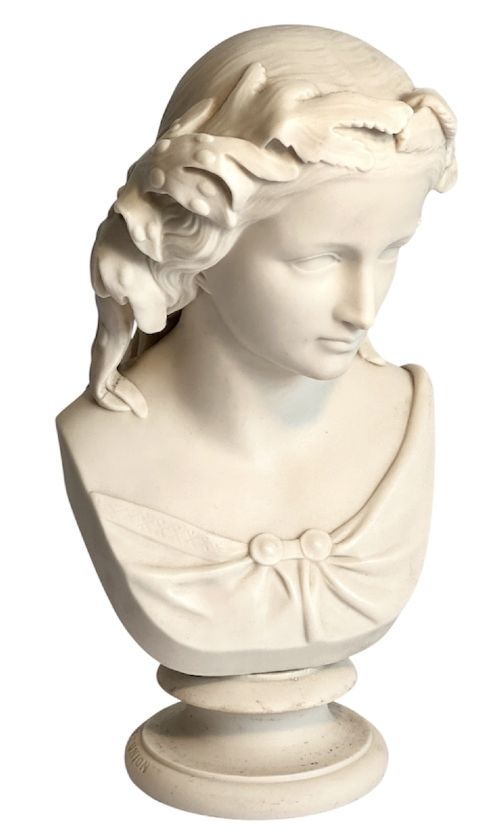
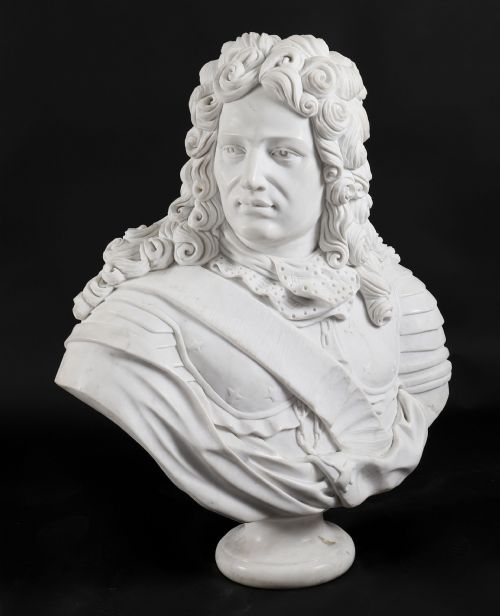
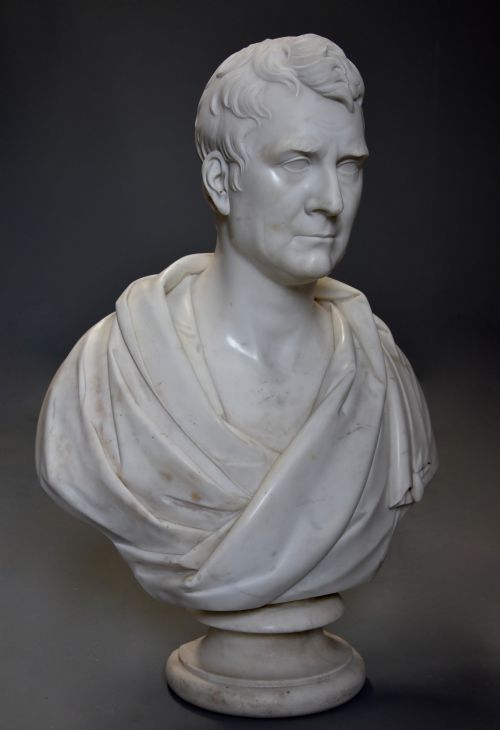
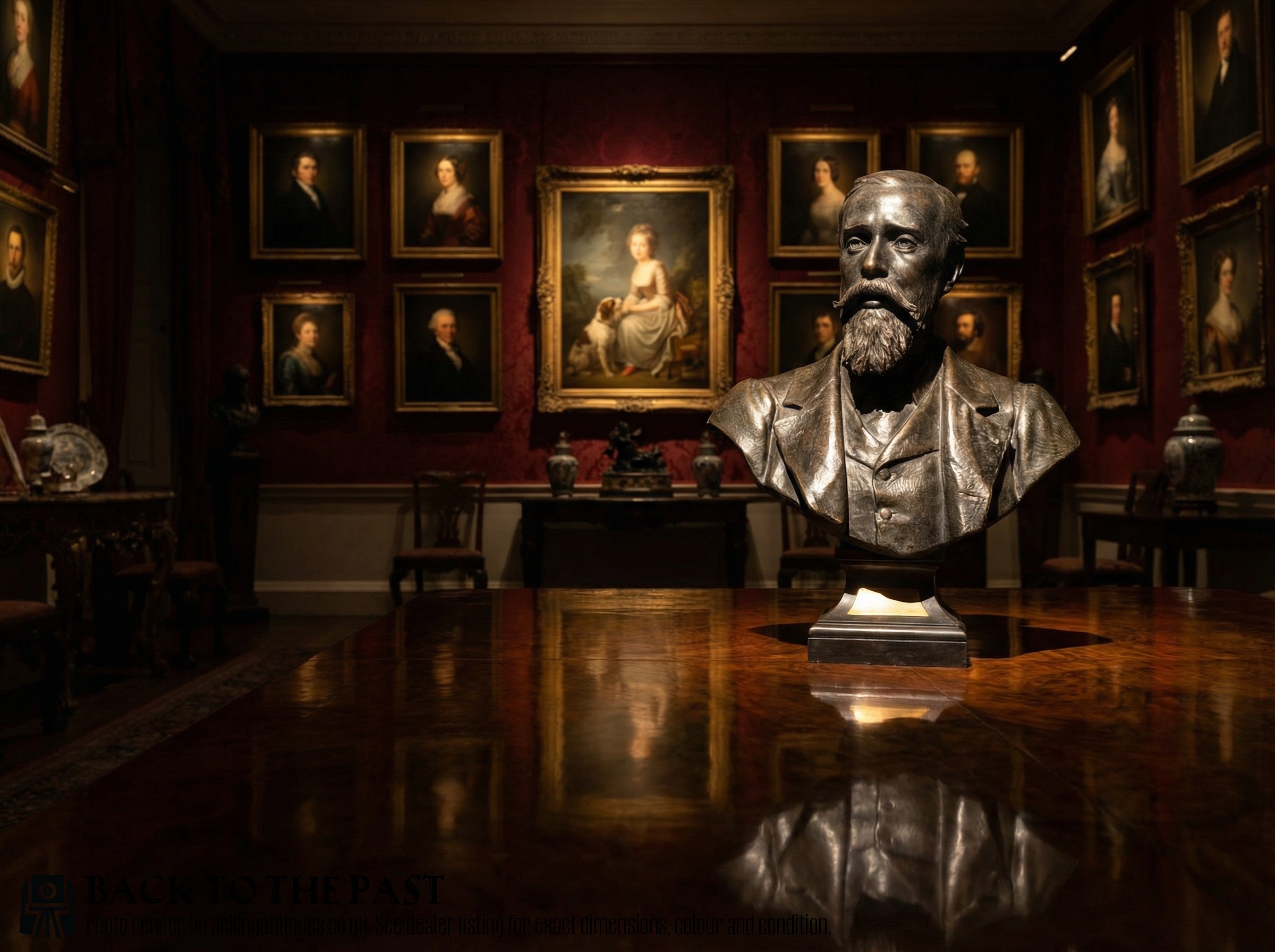
A classical portrait statue typically takes the form of a carved bust or figural sculpture representing historical figures, classical nobility, writers and mythological subjects. These works draw directly from ancient Greek and Roman models, reflecting an enduring fascination with antiquity that persisted across centuries. Collectors encounter these pieces rendered as library busts, grand tour souvenirs and monumental portrait sculptures.
The selections available here lean heavily toward nineteenth-century interpretations, alongside pieces from the seventeenth, eighteenth and twentieth centuries. Marble and plaster dominate the domestic scale, often depicting recognizable poets, emperors, statesmen and anonymous noblewomen. Buyers frequently meet works executed in the Neoclassical, Victorian, Art Nouveau and Renaissance Revival styles.
Forms range from intimate desk ornaments and library pieces to monumental civic portraits and painted plaster representations. Subjects include specific historical personalities such as Dante, Beethoven and Napoleon, alongside allegorical figures and classical deities like Erato and Dionysus. Each piece translates the gravitas of classical portraiture into a tangible domestic object.
How they were made
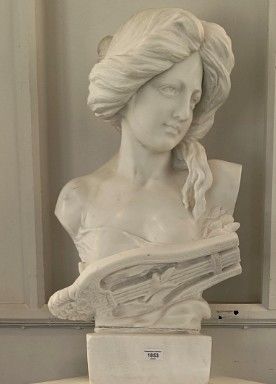
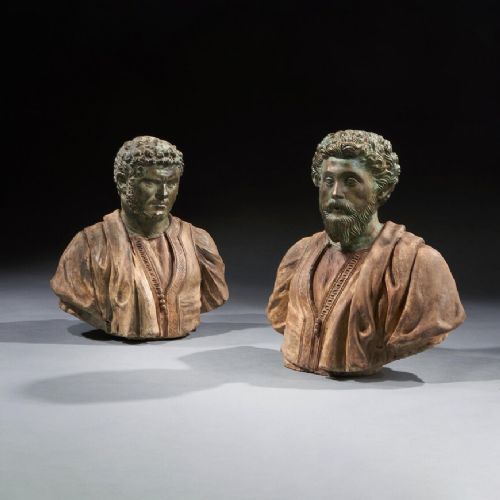
Sculptors and artisans relied on carved stone, cast metals and moulded compositions to bring a classical portrait statue into being. Marble, particularly Carrara marble, and alabaster were hand-carved with chisels and rasps to achieve smooth flesh tones and crisp drapery folds. Bronze and gilt bronze were cast using traditional methods, frequently finished with patination or mounted upon dedicated marble bases.
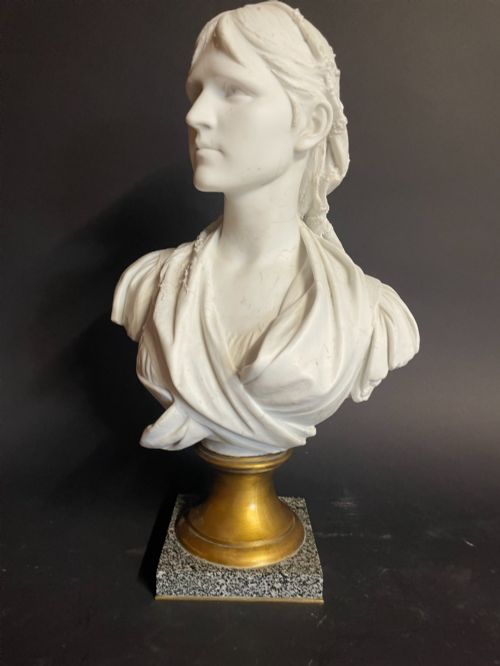
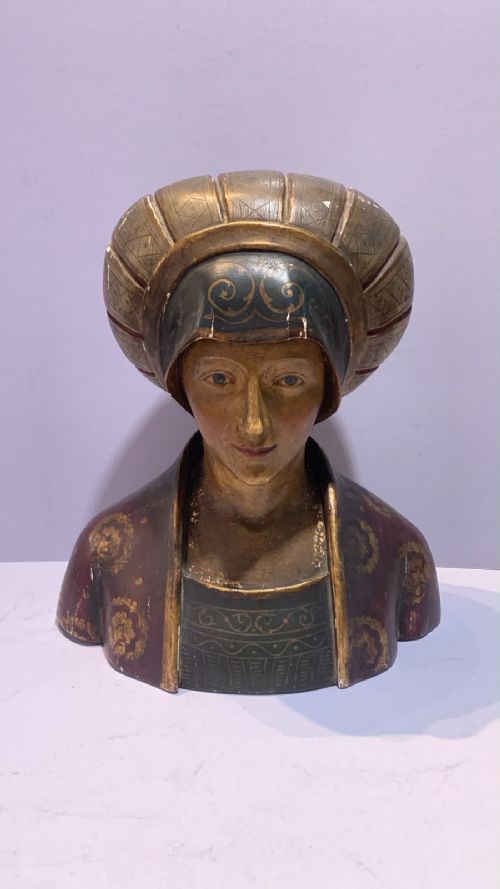
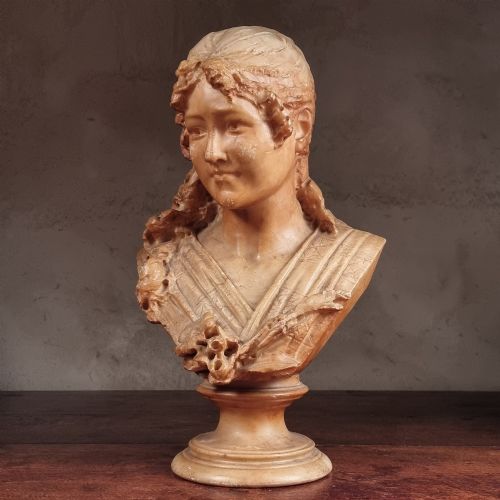
Plaster and terracotta offered flexible mediums for capturing fine details, allowing artists to model likenesses directly before casting or firing. Painted plaster, bronzed terracotta and parian ware provided alternative surfaces, sometimes utilising specialised porcelain bodies or surface pigments to simulate heavier metals and stones. Wood carving also appears among these sculptural works, showcasing polychrome finishes.
Listings feature materials spanning Carrara marble, alabaster, bronze, terracotta and plaster.
What varies in quality
The fidelity of the likeness and the sensitivity of the carving distinguish finer examples from standard decorative works. Master sculptors captured subtle musculature, lifelike facial expressions and delicate textures in hair and fabric, whereas lesser pieces rely on mechanical repetition and simplified planes. The clarity of anatomical definition dictates the visual impact of the portrait.
Material selection and execution of the base further separate tiers of quality. Finer marbles possess translucent depth and minimal natural flaws, paired with stable, well-proportioned mounts in bronze or contrasting stone. Signed works by documented sculptors carry distinct artistic weight compared to anonymous workshop productions.
J Francis·Raffaelo Monti·E.Villanis·Georges-Charles Coudray·Giuseppe Moretti·Sir Thomas BROCK R A
The Classical Portrait Statue Glossary
- Bust
- A sculpted representation of a person from the chest or shoulders up. This format focuses attention entirely on facial expression and likeness.
- Grand Tour
- A cultural journey undertaken by wealthy young Europeans through Italy and France during the eighteenth and nineteenth centuries. Travellers frequently purchased small classical sculptures as mementos.
- Parian ware
- A fine-grained, unglazed porcelain developed in Victorian Britain to imitate carved marble. It gained popularity for white portrait busts.
- Patina
- The surface coloration and sheen developed naturally over time or applied chemically by the artist. It enhances the depth of bronze and terracotta sculptures.
- Neoclassical
- An artistic movement drawing inspiration from the classical art and culture of ancient Greece and Rome. It emphasises severe lines, proportion and heroic subjects.
Classical Portrait Statue: Frequently Asked Questions
Where were these portrait statues displayed originally?
These sculptures typically occupied libraries, studies and grand entrance halls of nineteenth-century homes. Owners used them to signal intellectual pursuits, classical learning and refined cultural tastes.
Today, they function well on pedestals, large mantelpieces or sturdy bookcase tops where their material presence can be appreciated from multiple angles.
How do I distinguish marble from alabaster?
Marble presents a hard, crystalline structure with high resistance to scratching and a cool surface temperature. Alabaster is softer, possesses a greater degree of translucency, and can be marked more easily.
Both materials require careful placement away from direct heat sources and moisture to preserve their polished surfaces.
What is Parian ware?
Parian ware is a type of dense, unglazed biscuit porcelain introduced during the Victorian era. It was specifically formulated to resemble carved white marble at a smaller scale.
Pieces made from this material often depict literary characters and historical personages with smooth, matte finishes.
How should I clean a plaster bust?
Plaster surfaces are porous and easily damaged by water or liquid cleaners. Dusting gently with a soft, dry brush or a microfiber cloth is the safest maintenance method.
Avoid using any abrasive materials or damp cloths that might dissolve or stain the delicate plaster body.