



Bronze Pedestal Bust
A bronze pedestal bust sits upon its column to bring serious classical gravity into a room through patinated metal and cold stone.

Bronze Pedestal Bust
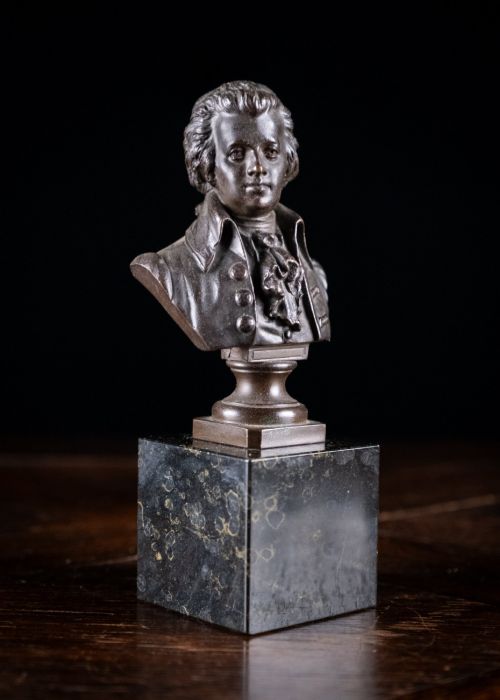
A bronze pedestal bust combines a portrait sculpture in metal with a supporting column, stand, or integral base. When searching for a bronze pedestal bust, buyers encounter works spanning the nineteenth century through the mid twentieth century, drawing heavily on French Empire, neoclassical, and Victorian traditions.
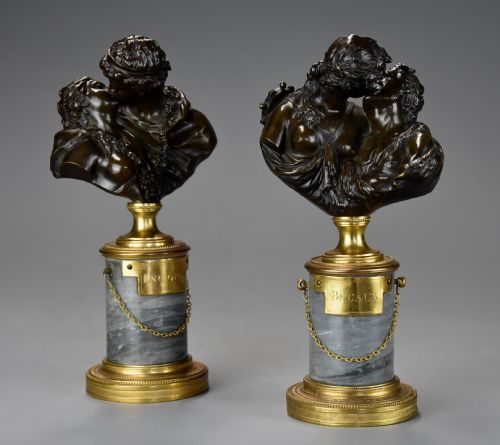
The sculptural forms range from portrait studies of historical figures and children to mythological subjects, mounted firmly upon bases of marble, onyx, or matching metalwork. These pieces serve as focal points in a study, library, or hallway, functioning simultaneously as portraiture and architectural decor.
Most examples originate from the nineteenth century, including Grand Tour pieces and signed works by established sculptors. The combination of cast metal and stone creates a deliberate contrast in texture and weight that defines the category.
Materials and construction
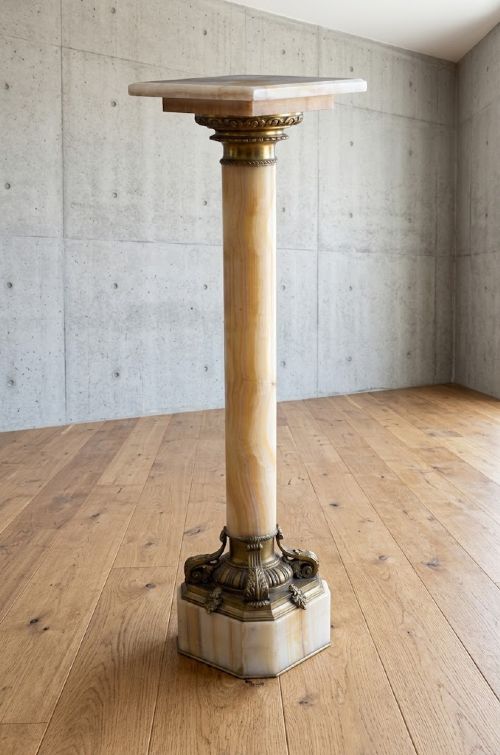
The supporting elements incorporate carved marble, onyx, walnut, and mahogany, often enhanced with ormolu mounts, brass collars, and gilt bronze details. These stone and wooden pedestals provide a stable architectural foundation for the heavy metal sculptures above them.
Bronze Pedestal Bust Retail Price Guide 2026
Typical asking prices for bronze pedestal bust among the pieces listed under this phrase on Sellingantiques today, from the lower quarter to the upper quarter. They describe what is for sale here now, not the wider market.
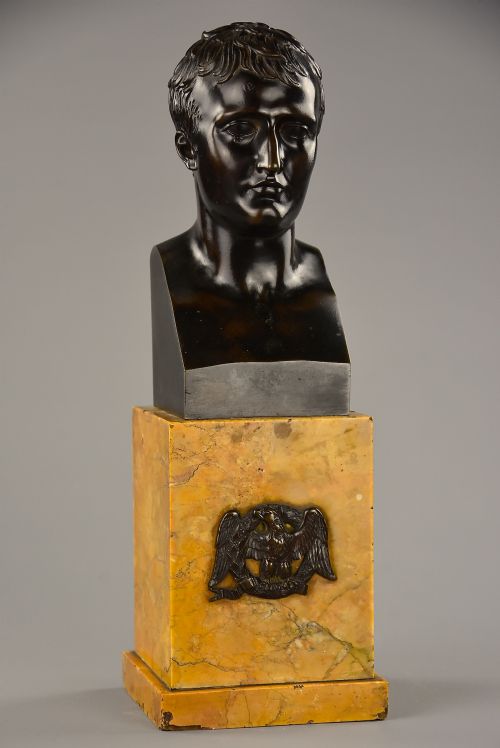
Napoleon keeps a watchful eye from his marble base, outranking the children and military figures stationed nearby on their columns.
Assessing quality and execution
Quality rests upon the crispness of the casting and the sensitivity of the chisel work applied after the bronze leaves the sand or lost-wax mould. Superior pieces retain sharp facial expression, fine detail in hair and clothing, and a deep, even patina.
The selection of supporting materials dictates the overall substance of the piece, with dense marbles, rich onyx, and finely chased ormolu mounts separating standard production from exceptional studio work. Signed casts by notable sculptors command greater attention through their documented provenance and artistic execution.
Jean Antoine Houdon·Antonio Merente·Sir Thomas Brock·E. Villanis
The Bronze Pedestal Bust Glossary
- Ormolu
- Gilt bronze ornamentation applied to furniture, pedestals, and sculpture bases. This decorative technique involves mercury gilding on a bronze substrate to create a bright golden finish.
- Grand Tour
- A traditional cultural excursion undertaken by wealthy young Europeans in the eighteenth and nineteenth centuries. Souvenirs from these travels included miniature bronzes and classical busts.
- Neoclassical
- An artistic style drawing inspiration from the art and culture of classical antiquity. It prioritises restraint, symmetry, and classical subject matter.
- Patination
- The surface coloration and texture developed naturally over time or applied chemically to bronze. This process alters the appearance of the metal to enhance visual depth.
- Plinth
- A heavy rectangular or square block serving as the base for a statue or column. It elevates the sculpture and anchors the composition visually.
Bronze Pedestal Bust: Frequently Asked Questions
Where should I display a pedestal bust?
Place the piece in a stable location away from direct sunlight and excessive moisture changes. Hallways, libraries, and studies offer traditional settings where the architectural scale can be appreciated.
Ensure the floor or table surface is level and capable of supporting the combined weight of the metal sculpture and its stone base.
Are these pieces signed?
Many nineteenth-century bronzes bear the signature or foundry mark of the sculptor near the base. These signatures provide direct attribution to known artists and workshops.
Unsigned examples remain common, particularly among Grand Tour souvenirs and decorative studio pieces produced without individual artist attribution.
What is the difference between a pedestal and a plinth?
A pedestal typically refers to a tall, freestanding column or stand designed to elevate a bust or urn to eye level. It often incorporates decorative collars and rotating mechanisms.
A plinth is generally a shorter, lower block that forms the immediate base directly beneath the sculpture itself. Both serve to separate the artwork from the floor or furniture.