



Off White Sculpture
These off white sculpture pieces range from 18th century carved skulls to 19th century plaster casts, bringing classical form and academic detail into modern spaces.
Off White Sculpture
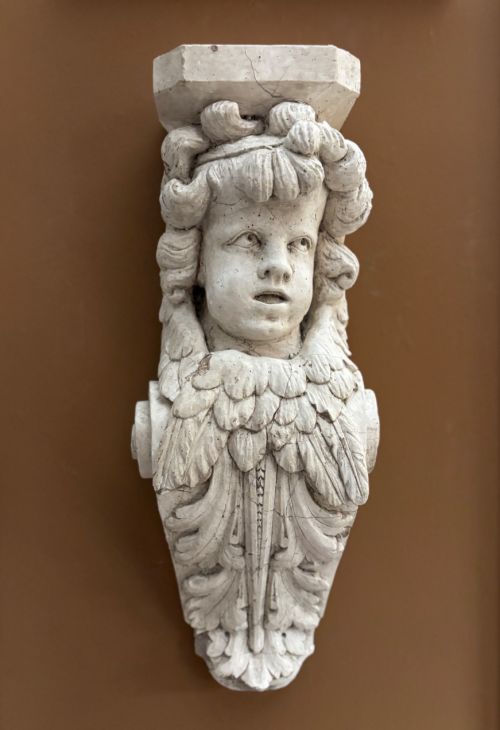
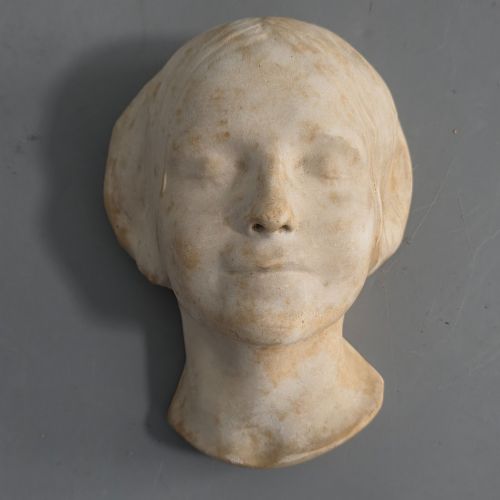
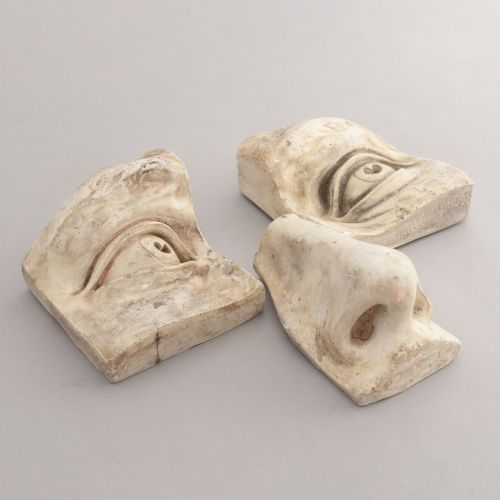
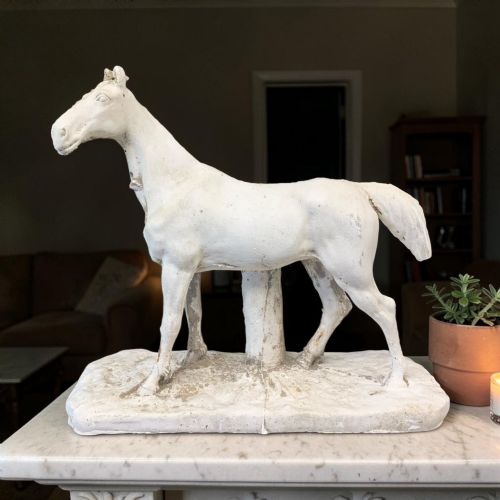
Buyers seeking an off white sculpture encounter diverse forms including wall brackets, death masks, anatomical details, animal models, and classical busts. The selection spans the 18th century, Victorian era, Edwardian period, and 1930s.
The most common items are plaster casts of classical subjects like Michelangelo, alongside stone busts and carved bone elements. These pieces reflect neoclassical academic tastes and cabinet of curiosities collections.
Origins vary across British, French, and broader European workshops. Forms range from domestic statuettes and cabinet pieces to large wall corbels and statues.
Materials and construction methods
Plaster and cast stone dominate the medium, often enhanced with gesso or mounted on wrought iron stands. Workshops utilised moulds taken from classical or anatomical subjects to produce detailed models.
Carved materials such as stone, alabaster, and carved bone appear in figurative works and skulls. Surface finishes vary from smooth patinated plaster to natural stone grain.
Listings feature items spanning the 18th century, Victorian period, Edwardian era, and 1930s.
Assessing quality and finish
The integrity of the material, whether solid stone, carved bone, or well cast plaster, dictates the weight and presence of the piece. Secondary mounts, such as wrought iron stands or wall brackets, also influence the overall standard.
D. Brucciani & Co, London
The Off White Sculpture Glossary
- Plaster Cast
- A copy of a sculpture made by pouring plaster into a mould. These allowed academies and collectors to study classical works.
- Gesso
- A plaster-based material used as a surface ground or coating. It provides a smooth finish ready for mounting or display.
- Neoclassical
- A style inspired by the classical art and culture of ancient Greece and Rome. It emphasises proportion, restraint, and academic accuracy.
- Cabinet of Curiosities
- An early form of museum where collectors displayed a wide variety of natural history and sculptural items. These collections often included anatomical models and antique skulls.
- Corbel
- A structural or decorative piece of stone, wood, or plaster jutting from a wall to support a weight. In this selection, they often take figurative forms like putti.
Off White Sculpture: Frequently Asked Questions
What is an off white sculpture?
An off white sculpture refers to decorative and academic pieces made from materials like plaster, stone, alabaster, and carved bone. These works often feature neutral, pale tones inherent to the natural material or gesso surface.
They encompass everything from classical busts and animal models to death masks and architectural corbels dating from the eighteenth century to the early twentieth century.
How were plaster casts used?
Plaster casts served as essential educational tools for artists and students in academic settings. They allowed draftspeople to study three-dimensional form, anatomy, and classical proportion without travelling to see original monuments.
Over time, collectors also displayed these casts in domestic interiors as decorative objects reflecting classical taste.
Where should I place a heavy stone bust?
Large stone busts require sturdy furniture or dedicated architectural brackets capable of supporting significant weight. Placing them on stable sideboards or heavy pedestals ensures safety.
Avoid high traffic areas where the sculpture might be accidentally knocked, and keep them away from direct moisture.
How do I care for plaster sculptures?
Plaster requires gentle dusting with a soft, dry brush to prevent the accumulation of dirt in recessed details. Avoid using water or liquid cleaners, which can dissolve or stain the porous surface.
Displaying them in stable indoor environments protects the material from humidity fluctuations and physical impacts.