
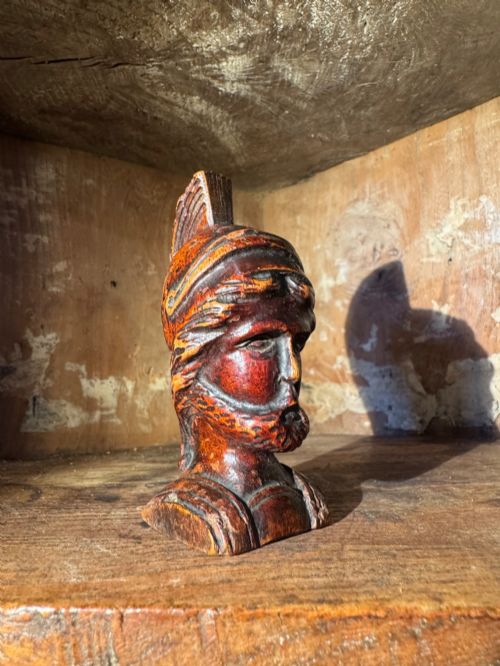
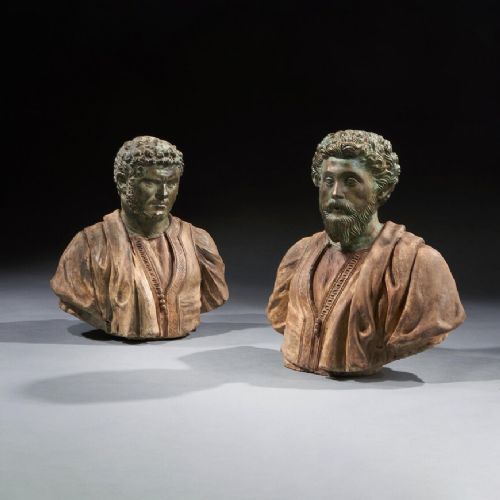
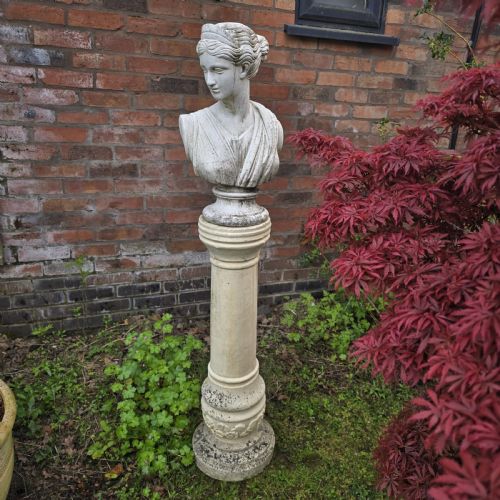


Roman Classical Bust
A roman classical bust brings the severe dignity of antiquity directly into a study or drawing room.
Roman Classical Bust
A roman classical bust captures emperors, philosophers, and deities in marble, bronze, stone, and terracotta.
The selections available here span from grand nineteenth century Grand Tour souvenirs to earlier marble heads and relief plaques.
Subjects range from Julius Caesar and Marcus Aurelius to mythological figures like Athena and Hypnos.
Materials and Construction
Carved marble and cast bronze dominate the heavier sculptural forms, utilising traditional foundry and stonecutting techniques.
Moulders also employed terracotta, glass paste, plaster, and stone to replicate antique models for libraries and collectors.
Patination on bronze varies from dark tones to verdigris surfaces achieved through chemical application.
Periods represented range from pre sixteenth century fragments to twentieth century stone garden statuary.
Assessing Quality and Execution
The precision of facial carving and the sharpness of cast detailing distinguish superior sculptural studies from simpler decorative objects.
Materials dictate weight and presence, with genuine marble and well-cast bronze holding greater fidelity to the classical prototypes.
Provenance and association with known sculptors elevate pieces beyond standard souvenir productions.
Mathurin Moreau·Richard Aurili
The Roman Classical Bust Glossary
- Grand Tour
- A cultural journey undertaken by wealthy young Europeans in the eighteenth and nineteenth centuries, acquiring souvenirs such as bronze and marble busts. These objects commemorated classical sights.
- Neoclassical
- An artistic movement drawing inspiration from the art and culture of classical antiquity. It emphasises proportion, restraint, and historical subjects.
- Verdigris
- A green patina formed naturally or artificially on copper, brass, or bronze surfaces. It mimics the appearance of ancient buried statuary.
- Bas-relief
- A sculptural technique where the figures project only slightly from the background plane. This style appears frequently on carved cameo portrait plaques.
- Library bust
- A smaller scale sculptural study designed specifically to sit among books on a shelf or desk. These pieces brought classical philosophy into domestic interiors.
Roman Classical Bust: Frequently Asked Questions
What is a Grand Tour bust?
A Grand Tour bust is a small or cabinet scale souvenir acquired by travellers visiting Italy during the eighteenth and nineteenth centuries. These pieces replicated famous ancient sculptures found in Roman collections.
They allowed collectors to bring home tangible representations of classical history and mythology for display in private libraries and cabinets.
How are different materials identified?
Marble and stone pieces display natural veining and cold surfaces, whereas bronze and brass objects exhibit metallic weight and various patinas. Plaster and glass paste offer lighter alternatives utilised for specific decorative and study purposes.
Close inspection under good light reveals tool marks on carved stone or seam lines on cast metal.
Which emperors appear most frequently?
Portraits of Julius Caesar, Augustus, and Marcus Aurelius dominate the surviving sculptural record. These rulers represented military power and philosophical wisdom to nineteenth century collectors.
Philosophers and mythological deities such as Athena and Juno also recur across marble and bronze formats.
Where were these sculptures displayed?
Historical interiors placed these busts upon library shelves, mantelpieces, and dedicated marble plinths. Their presence signaled classical learning and refined taste.
Today they function similarly as sculptural focal points in traditional and contemporary rooms.