
Classical Marble Figure
A classical marble figure captures the timeless appeal of ancient sculpture through nineteenth-century European craftsmanship.
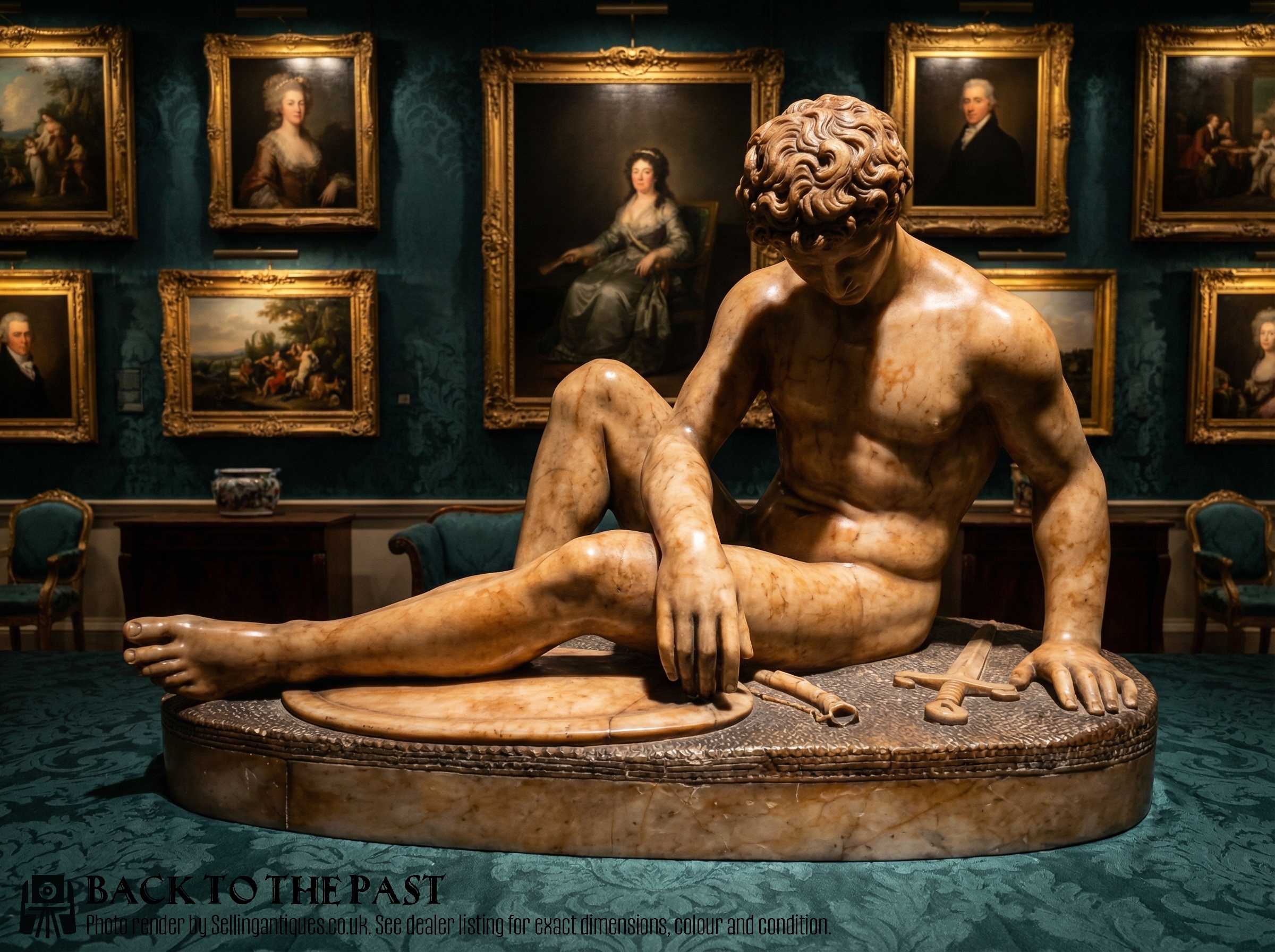
Classical Marble Figure
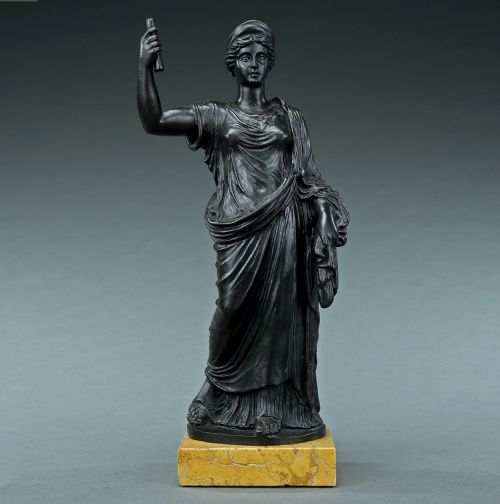
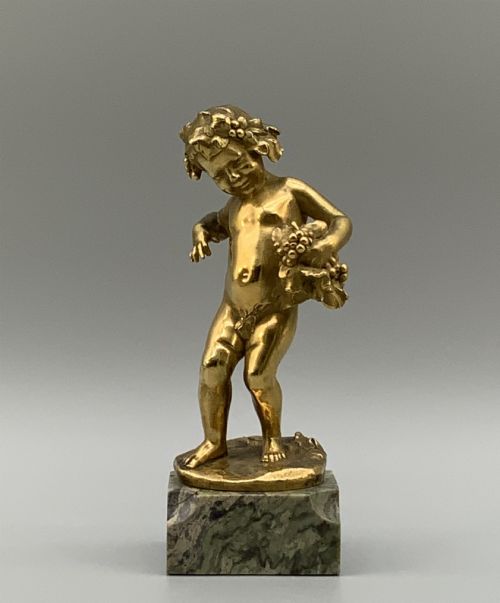
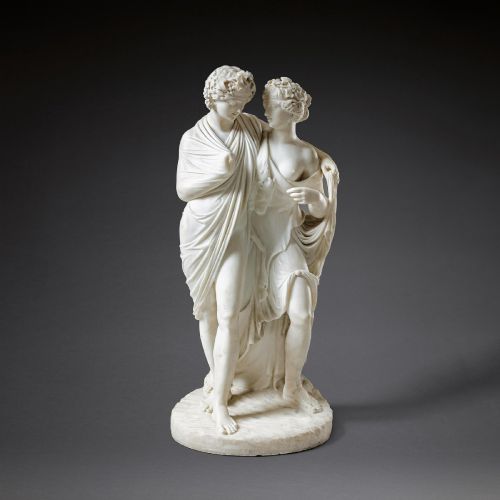
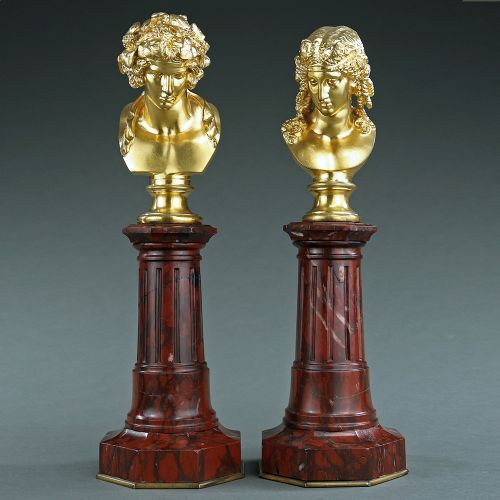
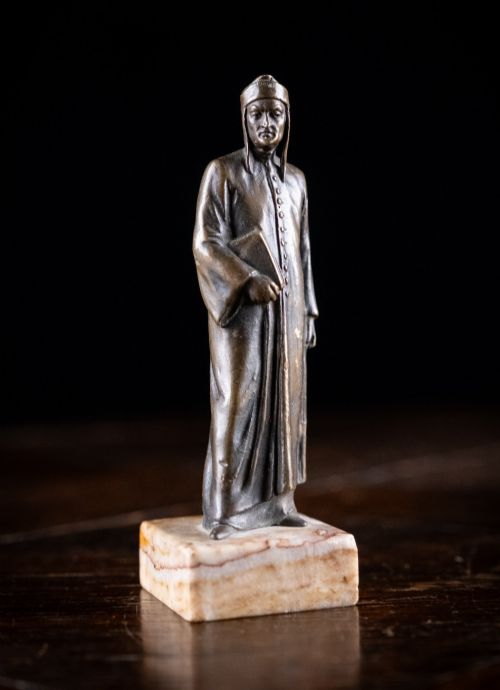
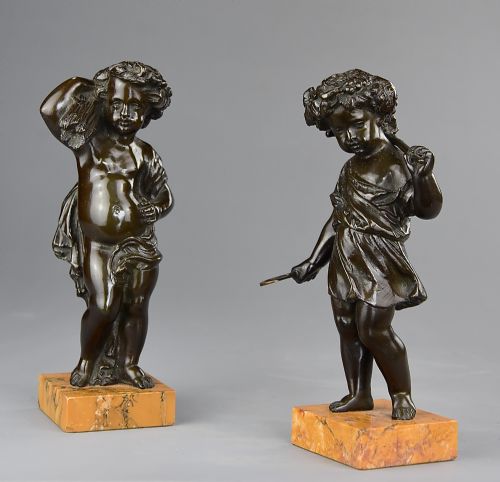
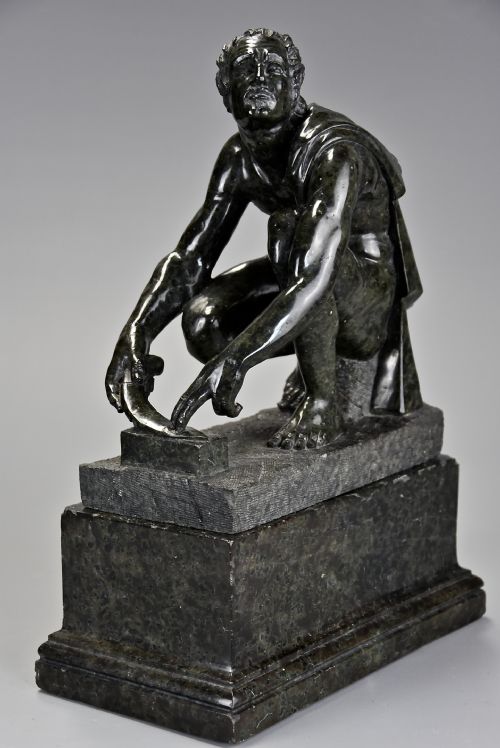
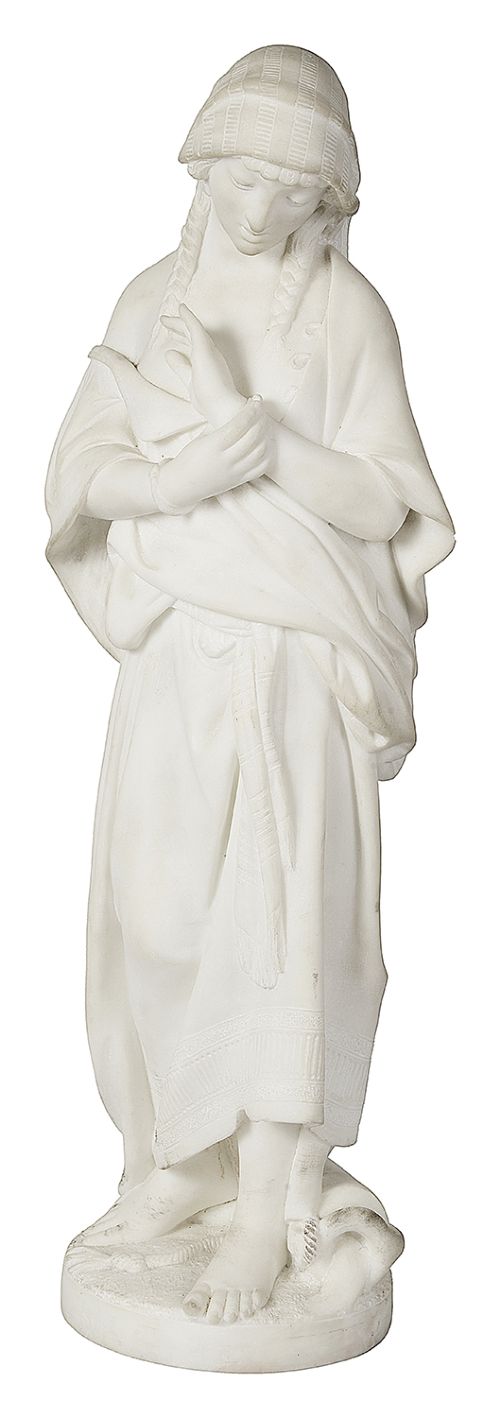
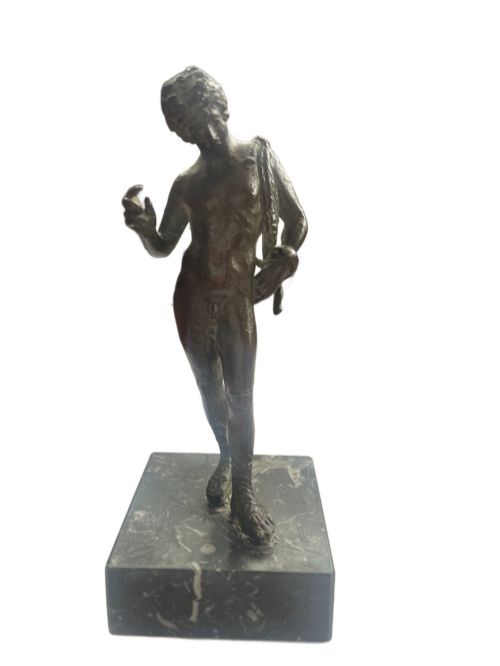
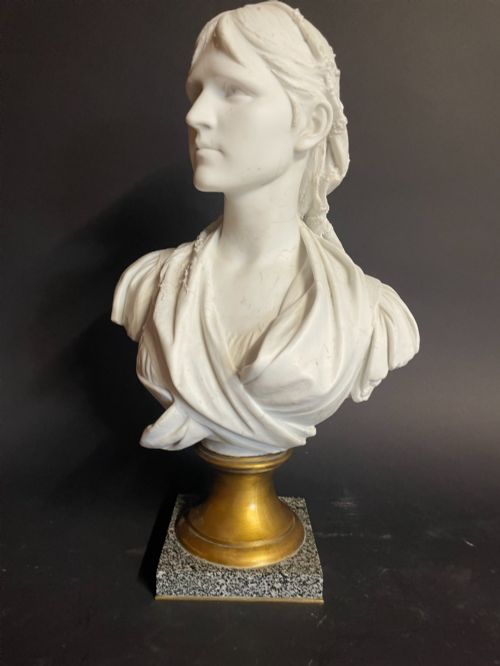
A classical marble figure on this page typically represents nineteenth-century European sculpture, drawing heavily from ancient Greek and Roman mythology. Buyers encounter carved marble statues, detailed portrait busts, and grand tour souvenirs created during the Victorian and Edwardian eras.
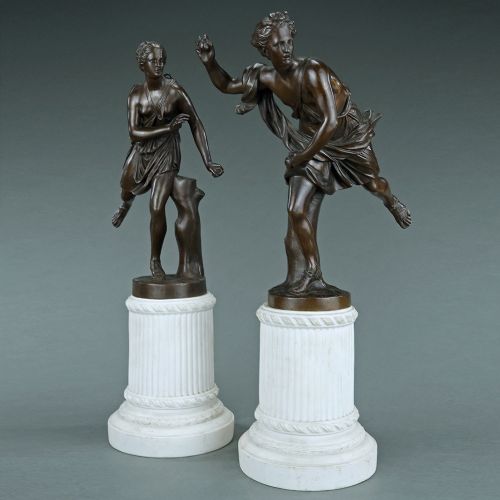
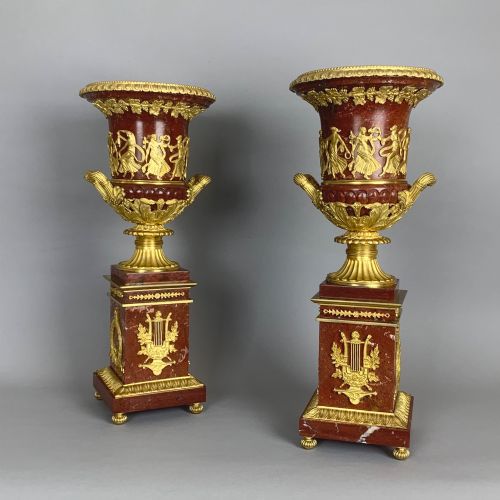
Many examples combine white or coloured stone with bronze, or present figures mounted upon architectural marble bases. The selection ranges from small cabinet pieces to large decorative groups depicting mythological deities, literary characters, and historical figures.
How they were made
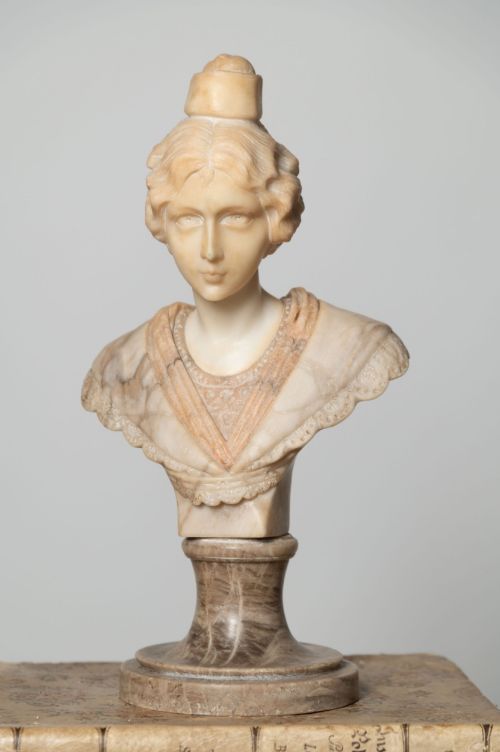
Carvers and founders utilised traditional methods, working with fine-grained stones such as Carrara marble and alabaster alongside cast bronze and ormolu mounts. Sculptors often reproduced famous antiquities found in Italian collections for travellers undertaking the Grand Tour.
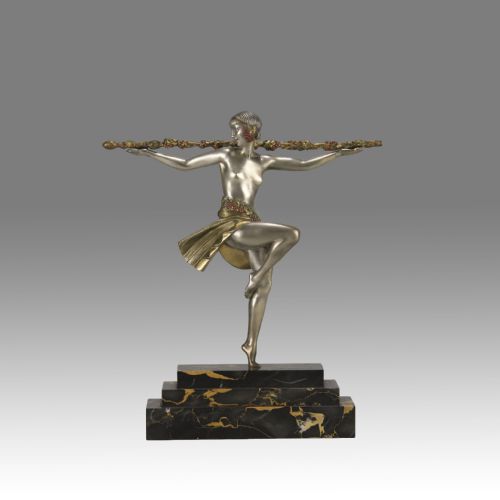
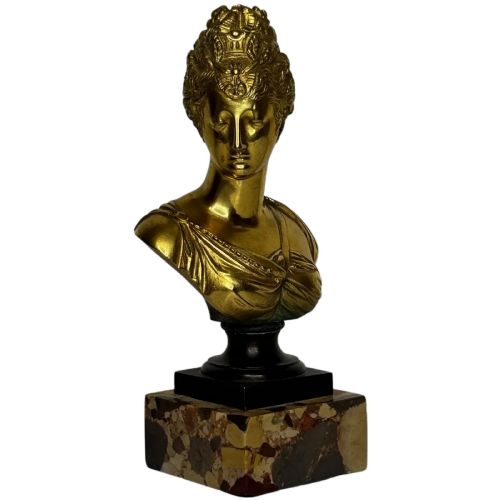
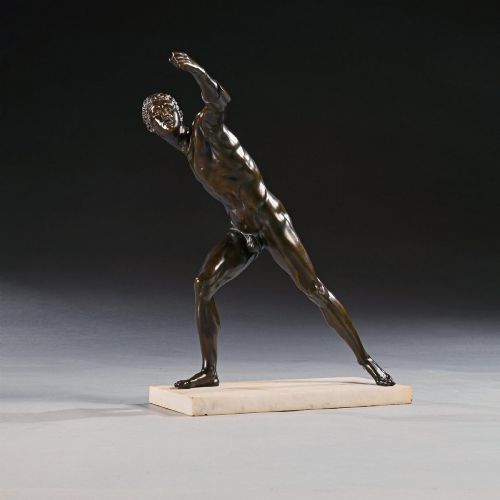
Foundries employed the lost-wax casting technique for bronze elements, frequently combining metallic figures with polished stone plinths and fossil marble bases. Surface finishing involved meticulous hand-polishing and occasionally cold painting to accentuate drapery and anatomical details.
Classical Marble Figure Retail Price Guide 2026
Typical asking prices for classical marble figure among the pieces listed under this phrase on Sellingantiques today, from the lower quarter to the upper quarter. They describe what is for sale here now, not the wider market.
Current listings feature nineteenth-century sculptures and portrait busts rendered in Carrara marble, alabaster, bronze, and gilt bronze.
What varies in quality
Charles Louis Malric·Susse Frères·Barbedienne·Carlo Albacini·Pierre le Faguays·Barranti·August Moreau·Emile Carlier·Antonio Canova·Eugene Aizelin·Aurore Onu
The Classical Marble Figure Glossary
- Grand Tour
- A cultural journey undertaken by wealthy young Europeans to view continental antiquities, resulting in a demand for miniature bronzes and carved stone figures.
- Carrara marble
- A type of white or blue-grey stone quarried in the city of Carrara in Tuscany, widely favored by classical sculptors for its fine and uniform grain.
- Ormolu
- A technique of applying finely ground, high-carat gold to an object made of copper bronze, giving a rich metallic sheen to decorative mounts and clock cases.
- Alabaster
- A fine-grained, translucent stone used historically for carving small figures and architectural details due to its soft texture.
- Patina
- The surface sheen and colour developed on bronze through age and handling, or applied artificially by the founder to enhance depth.
Classical Marble Figure: Frequently Asked Questions
What is a Grand Tour figure?
These are portable sculptures and busts purchased by travellers in Italy during the nineteenth century as souvenirs of classical art.
They typically reproduce famous museum statues in miniature using bronze or marble.
How do I care for marble sculpture?
Keep carved stone pieces away from direct sunlight and sudden temperature shifts to prevent surface drying and hairline fractures.
Dust gently with a dry, soft cloth and avoid using chemical cleaners or abrasive liquids.
Are these pieces solid marble?
Many figures are carved from single blocks of stone, while others combine marble elements with bronze components or slate bases.
Larger groups may utilise internal metal pins to secure extended limbs or drapery.
How do I distinguish alabaster from marble?
Alabaster possesses a softer texture that transmits light more readily than standard sculptural marble.
It is also more vulnerable to moisture and scratches compared to harder stones.