


Classical Male Portrait Sculpture
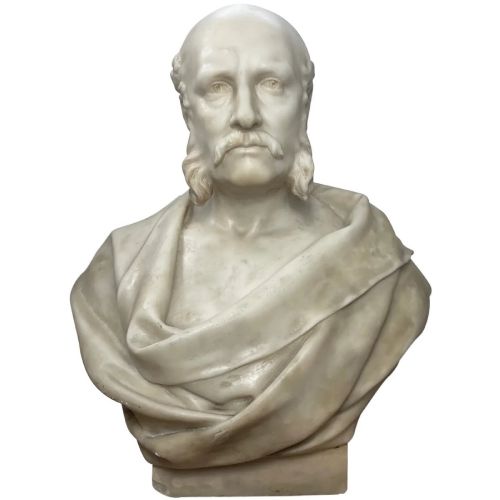
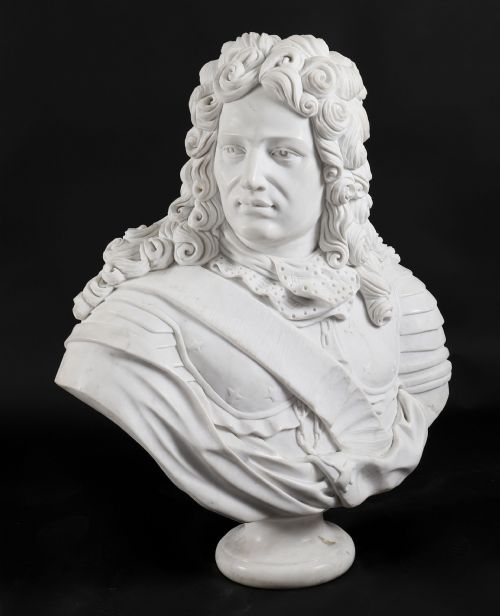
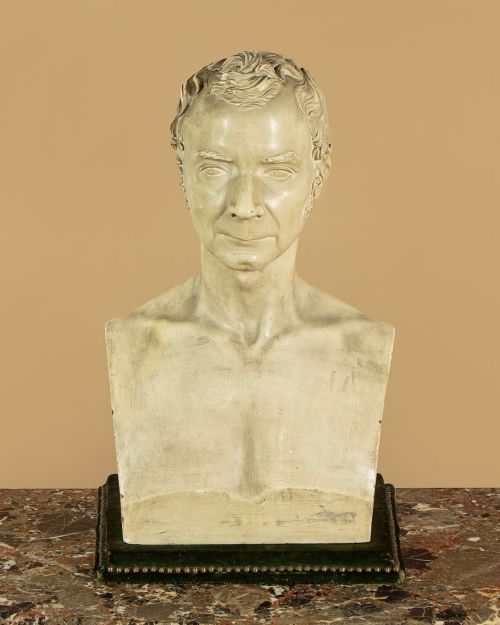
These classical male portrait sculpture pieces bring ancient nobility and scholarly dignity into a room through enduring carved marble, cast bronze, and moulded plaster.
Classical Male Portrait Sculpture
When you search for a classical male portrait sculpture, you encounter a range of portrait busts, library figures, and grand tour studies representing noblemen, emperors, philosophers, and gentlemen. The examples available span from the eighteenth century through the Victorian period and into the mid-twentieth century, capturing subjects in varying states of heroic dress, armour, or academic realism.
You are most likely to meet plaster library busts of classical figures like Homer or Augustus alongside nineteenth-century marble and bronze portraits of identifiable gentlemen and anonymous noblemen. These works originate from British, French, and Italian workshops, reflecting both Grand Tour souvenir culture and serious nineteenth-century academic portraiture.
Materials and construction methods
Carved white marble provides the most prestigious material for these portraits, allowing sculptors to capture the subtle musculature and smooth contours associated with neoclassical ideals. Bronze casting offers an alternative medium capable of rendering fine details such as beards, hair, and the chased surfaces of Roman armour.
Moulded plaster and gypsum serve as accessible materials for library busts and studio studies, often finished with paint to emulate patinated bronze or stone. Terracotta appears in specific Italian works, shaped by hand before firing to retain the immediate touch of the maker.
Materials in these listings range from heavy white marble and cast bronze to moulded plaster, gypsum, and terracotta.
Evaluating sculptural quality
The crispness of the casting in bronze or the sharpness of detail in plaster and terracotta determines how well the piece survives years of handling and display. Master sculptors and established foundries achieved a depth of character and balance of proportion that sets their portrait studies apart from decorative reproductions.
Giuseppe Moretti·Sir Thomas Brock·Mathurin Moreau
The Classical Male Portrait Sculpture Glossary
- Bust
- A sculpted representation of a person from the chest or shoulders up. This form focuses attention entirely on the facial expression and headwear of the subject.
- Grand Tour
- A traditional trip through Europe undertaken by upper-class young men of means during the eighteenth and nineteenth centuries. Travellers frequently acquired small sculptures and busts as souvenirs of classical sites.
- Neoclassical
- A style of art and architecture inspired by the classical art and culture of ancient Greece and Rome. It prioritises restraint, smooth surfaces, and heroic proportions.
- Patina
- The surface coloration and sheen that develops on bronze, metal, or wood through age and handling. A deliberate chemical patination is often applied to bronze sculptures to create depth and warmth.
- Terracotta
- Unglazed or glazed fired clay of a brownish-red colour. It is widely utilised for preparatory models and finished sculptural portraits alike.
Classical Male Portrait Sculpture: Frequently Asked Questions
Where should I display a heavy marble bust?
Marble and bronze portrait sculptures require a sturdy, level surface such as a dedicated column, a heavy sideboard, or a reinforced console table. Placing the piece at eye level allows the viewer to appreciate the facial modeling and expression intended by the sculptor.
Ensure the furniture supporting the weight stands away from high-traffic walkways where the sculpture might be accidentally dislodged. Natural light from the side rather than direct overhead illumination helps reveal the subtle contours of carved stone and cast metal.
What does a Grand Tour bust signify?
Grand Tour busts represent copies or reductions of famous antique sculptures that wealthy travellers collected during their educational journeys across Europe. These pieces served as intellectual decoration in British libraries and studies, signaling the owner's classical education and refined taste.
Subjects typically included Roman emperors, Greek philosophers, and mythological figures recast in bronze, marble, or plaster. They remain desirable for their historical connection to nineteenth-century travel and collecting habits.
How do I distinguish marble from plaster?
Marble feels cold to the touch and possesses a crystalline structure visible beneath the surface polish, often showing natural veining. Plaster feels lighter, warmer, and exhibits a uniform matte or painted surface without the translucent depth of stone.
Examining the underside or base often reveals the solid weight of carved marble compared to the hollow or reinforced core typical of cast plaster figures.