


Classical Plaster Head Sculpture
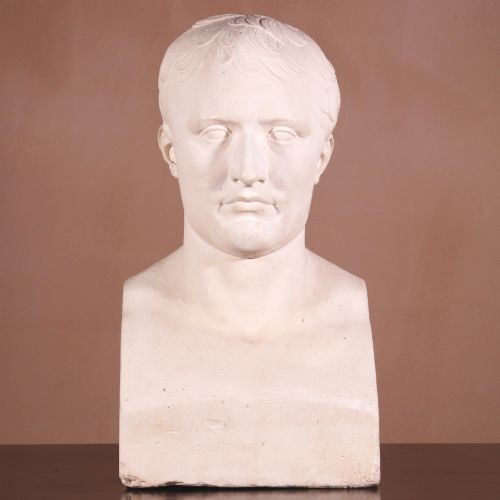
A classical plaster head sculpture brings the gravity of the ancient world into a room through moulded relief and modelled form.
Classical Plaster Head Sculpture
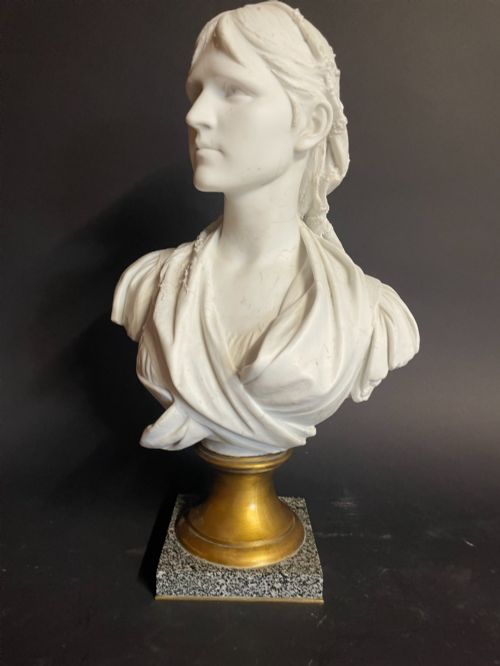
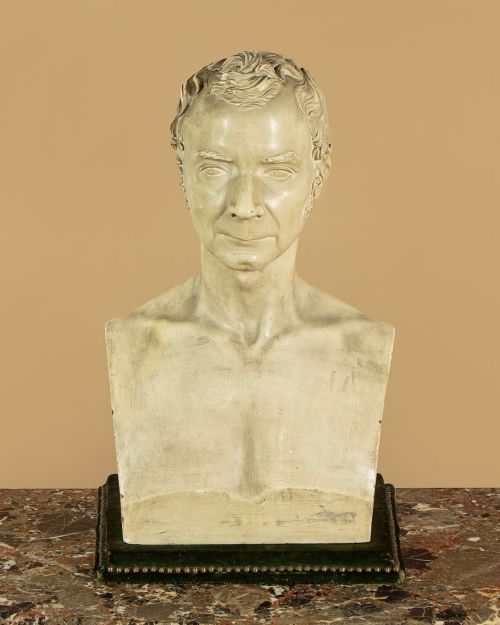
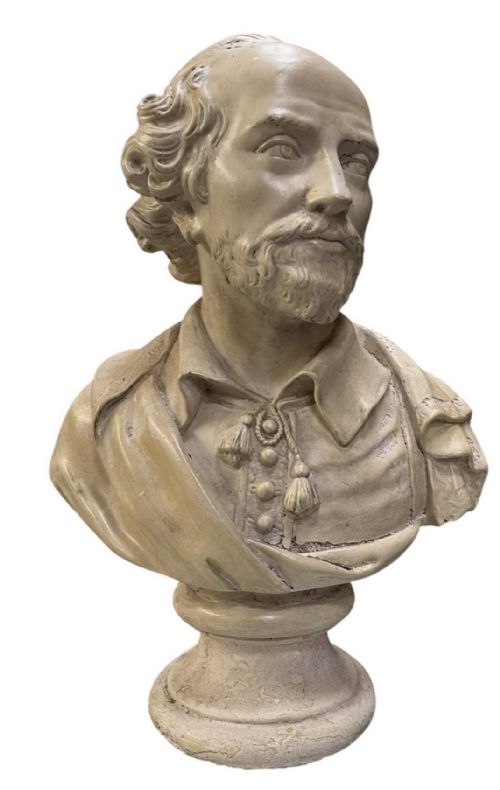
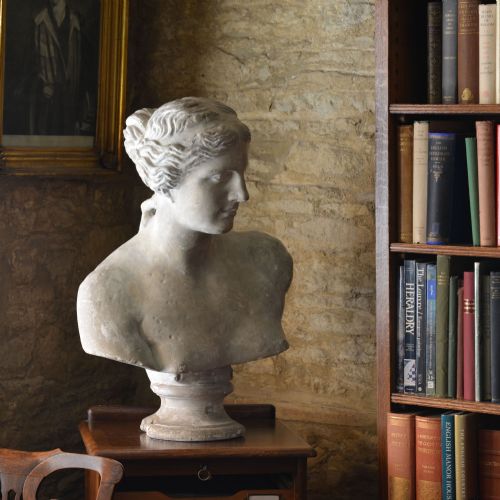
A classical plaster head sculpture takes the form of portrait busts and wall masks representing literary figures, composers, emperors and mythological subjects. These pieces draw on Neoclassical, Victorian, Edwardian and Classical Revival aesthetics, channelling antique marble prototypes into domestic and institutional spaces.
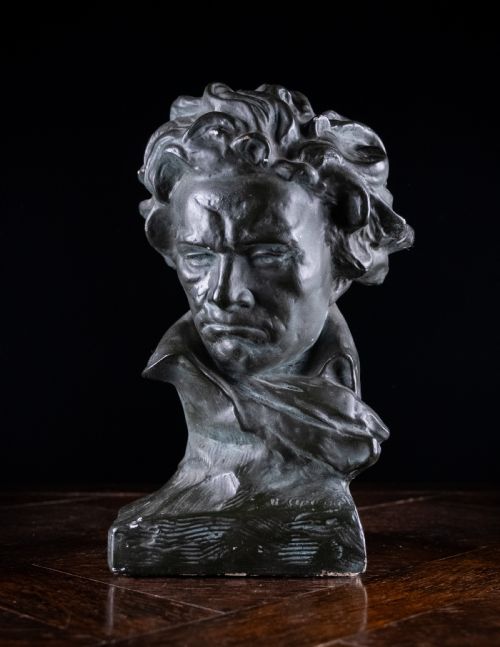
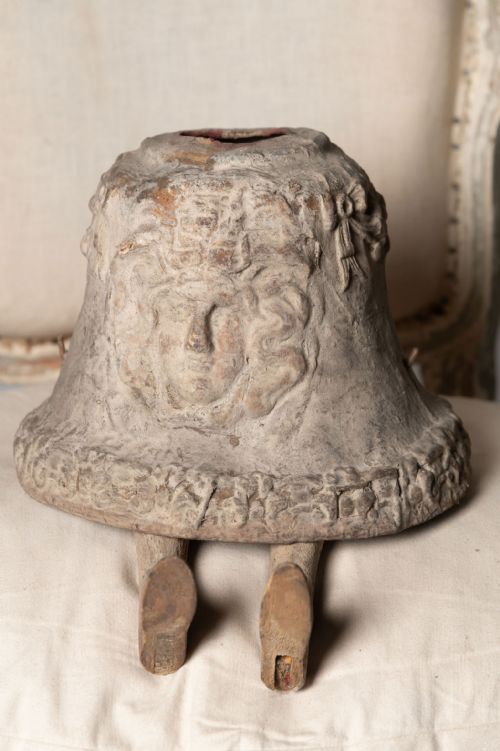
The selection here ranges from nineteenth-century studies of historical figures like Beethoven, Shakespeare and Homer to Italian theatre props and decorative brackets. Most examples emerge from the nineteenth century, alongside Edwardian and early twentieth-century interpretations reaching into the Art Deco era.
Makers and modellers translated classical antiquity and Renaissance models into accessible plaster casts, sometimes mounted on wood brackets or finished with paint and gesso. Buyers encounter both monumental library busts and intimate portrait studies designed for interior display.
Judging quality and execution
Quality rests in the crispness of the modelling and the fidelity to the underlying classical or Renaissance prototype. Finer casts retain sharp facial expressions, clean definition in hair and drapery, and careful surface preparation before paint or patination is applied.
The weight of the cast, the stability of any wooden or bracket mounts, and the sophistication of the finish distinguish standard decorative props from superior studio or workshop productions. A successful piece maintains proportion and character even when rendered in humble materials.
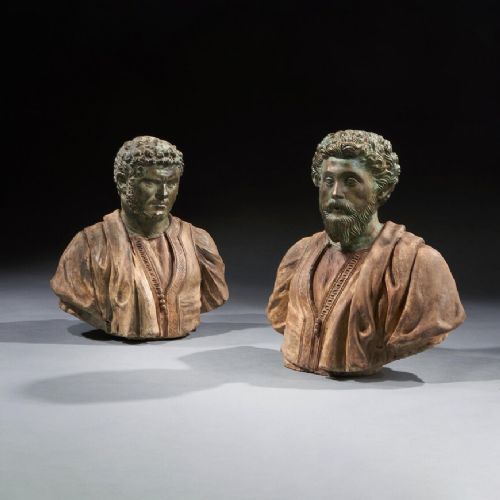
Roman emperors share shelf space with theatrical props and composers, proving that Beethoven and Marcus Aurelius make equally distinguished library companions.
Raffaelo Monti·Antonio Rossellino
The Classical Plaster Head Sculpture Glossary
- Plaster
- A fine powder mixed with water to form a paste that hardens rapidly, used for casting sculptures and architectural ornaments. It allows for intricate detail capture from original models.
- Gesso
- A plaster mix combined with a binder used to prepare surfaces for painting or gilding. It provides a smooth ground on wood or plaster supports.
- Neoclassical
- A style originating in the mid-eighteenth century inspired by the art and culture of classical antiquity. It prioritises restraint, proportion and heroic subject matter.
- Patinated
- Treated with chemicals or paint to simulate the natural ageing and weathering of bronze, stone or wood. This finish adds visual depth to plaster casts.
- Terracotta
- Fired clay used for sculptural models and architectural elements. It offers a warm reddish-brown tone distinct from white plaster.
Classical Plaster Head Sculpture: Frequently Asked Questions
How do I clean a plaster bust?
Dust the surface gently with a soft, dry brush to prevent dirt from settling into the porous plaster. Avoid using water or liquid cleaners, which can dissolve the plaster or damage painted and patinated finishes.
Keep the sculpture away from damp environments and direct heat sources to prevent cracking or warping of any integrated wood and gesso components.
Where should I display a heavy plaster head?
Place heavier library busts on sturdy pieces of furniture or dedicated wall brackets designed to bear the weight. Ensure the support is level and secure against the wall.
Position the sculpture out of high-traffic zones where it might be knocked, as plaster can chip or fracture upon impact with hard floors.
How can I tell the age of a plaster sculpture?
Examine the surface finish, wear patterns, and any mounting hardware for signs of age. Nineteenth-century examples often exhibit subtle crazing in the paint or gesso layers.
Check the underside or back for handwritten signatures, workshop stamps, or material characteristics consistent with historical production methods.