


Grand Tour Plaster Sculpture
Grand tour plaster sculpture brings classical antiquity home through miniature casts of ancient statues that collectors acquire for their study and library rooms.
Grand Tour Plaster Sculpture
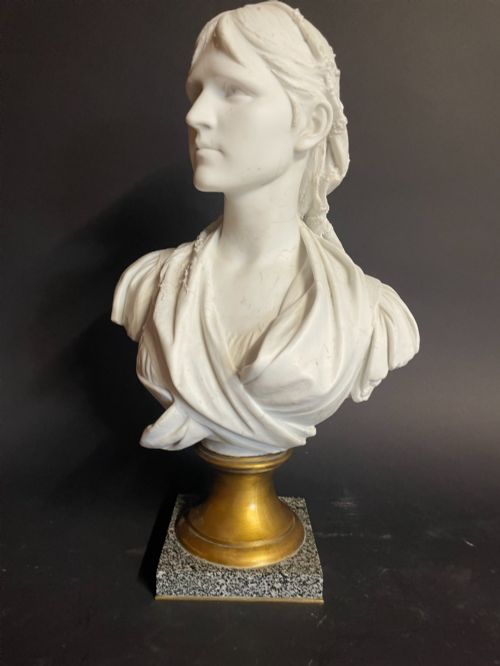
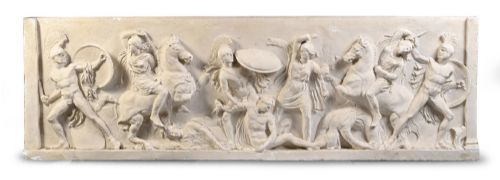
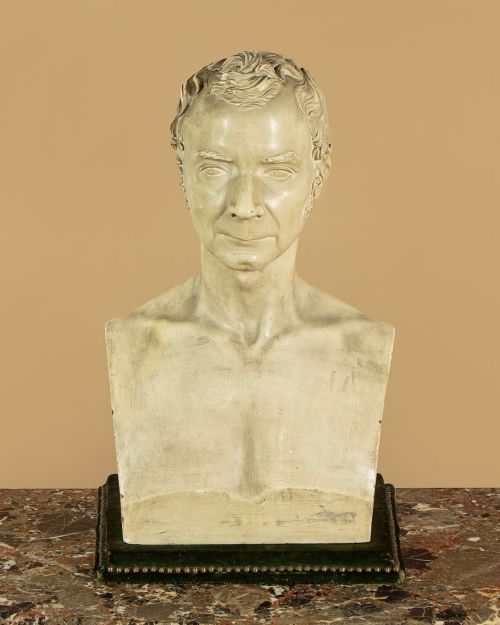
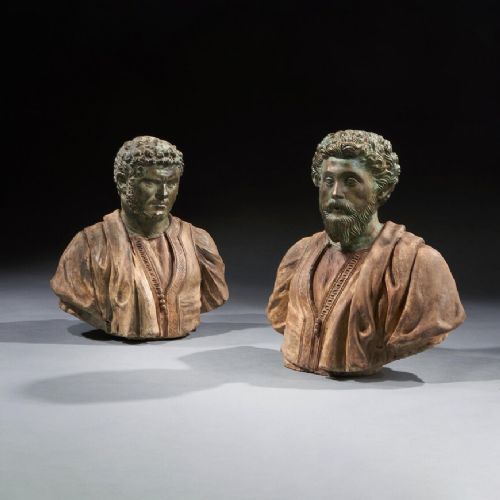
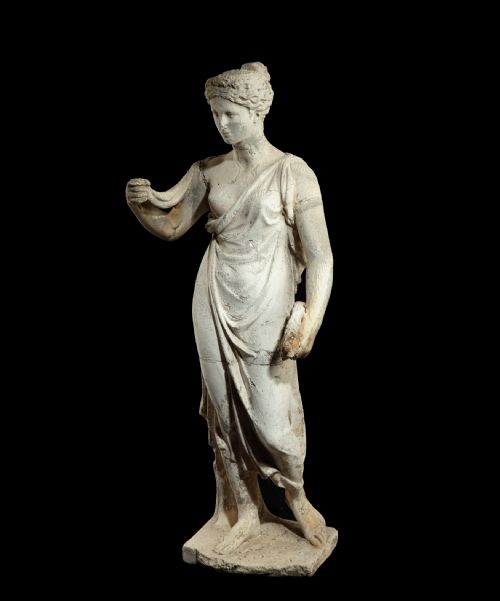
A grand tour plaster sculpture represents classical antiquity, taking the form of busts, figures, relief sculptures, and wall plaques. These pieces range from portrayals of classical ladies and gentlemen to historical figures such as Homer, Augustus, Marcus Aurelius, and Caracalla.
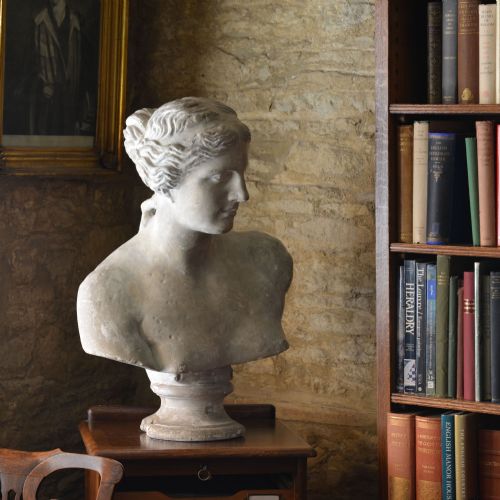
The objects frequently mirror famous classical works, including the Venus de Milo and Michelangelo's David. Visitors to the continent during the nineteenth century collected these plaster casts to record their travels through Italy and France.
Makers produced these sculptures in various sizes, from library busts to miniature foot sculptures and square scagliola pedestals. The surviving pieces date from the nineteenth century into the early twentieth century, spanning periods like the Victorian era and the Regency neoclassical style.
Materials and construction methods
The primary material used is plaster, alongside gypsum, marble dust, and stucco. Artisans sometimes applied paint or a verdigris patina to replicate the appearance of aged bronze or stone.
Some pieces incorporate brass, granite, and terracotta elements to mount or support the plaster figures. Workshops utilised casting techniques to replicate classical antiquities with high levels of detail.
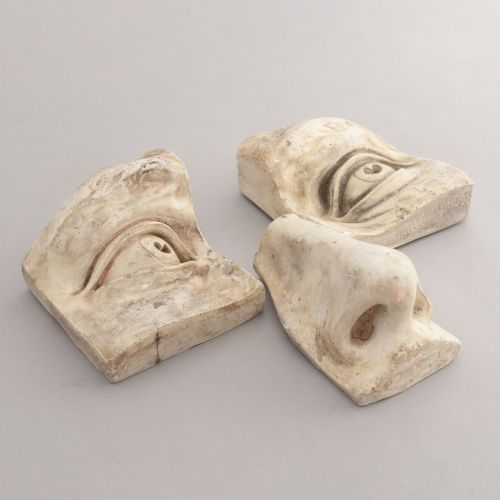
Even Michelangelo's optical quirks were preserved for travellers, as evidenced by a nineteenth-century cast dedicated solely to the eye of David.
Judging quality in plaster sculpture
The application of surface finishes, including paint layers and patination, alters the visual depth of the object. Heavier bases constructed from materials like scagliola or granite also affect the stability and presence of the sculpture.
The Grand Tour Plaster Sculpture Glossary
- Plaster cast
- A copy of a sculpture made by pouring gypsum plaster into a mould taken from an original work. This method allowed travellers to purchase affordable replicas of famous museum pieces.
- Scagliola
- A composite material made from pigmented gypsum, glue, and crushed marble that mimics stone. Craftsmen used it to create durable pedestals and architectural ornaments.
- Verdigris patina
- A green coating formed on copper, brass, or simulated surfaces by atmospheric oxidation. Makers applied this effect to plaster to imitate aged metal antiquities.
- Relief sculpture
- Work where the sculpted elements project from a flat background surface. These pieces often depict historical horse riders and classical scenes.
- Library bust
- A sculptural head and shoulders portrait designed to sit on bookshelves or desks. These objects depicted philosophers, emperors, and poets from the ancient world.
Grand Tour Plaster Sculpture: Frequently Asked Questions
What is a grand tour plaster sculpture?
These sculptures are nineteenth-century and early twentieth-century plaster casts of classical statues, busts, and reliefs. Travellers collected them as souvenirs while touring European cultural sites.
The subjects include Roman emperors, Greek philosophers, and canonical artworks like the Venus de Milo. They served as both educational objects and decorative items in traditional studies.
How do I clean a plaster bust?
Dust plaster sculptures gently with a soft dry brush or a feather duster. Avoid using water or liquid cleaners because moisture damages painted and unsealed plaster surfaces.
Keep the pieces out of direct sunlight to prevent paint fading and surface discoloration. Gentle handling preserves the delicate patinas and applied finishes.
How do I date a plaster sculpture?
Examine the materials, surface wear, and the style of the mounting or base. Nineteenth-century pieces often show age through yellowed plaster, crackle in the paint layers, and patination.
Stylistic cues such as Regency neoclassical dress or Victorian labeling provide additional chronological clues. Comparing the casting style to known nineteenth-century workshop methods helps confirm the period.
Where were these sculptures displayed?
Victorian collectors placed these plaster figures in libraries, studies, and drawing rooms. They acted as visual references for classical history and literature.
Libraries often featured portrait busts of authors and emperors on top of bookcases. Smaller casts and relief sculptures sat on desks, tables, and dedicated scagliola pedestals.