
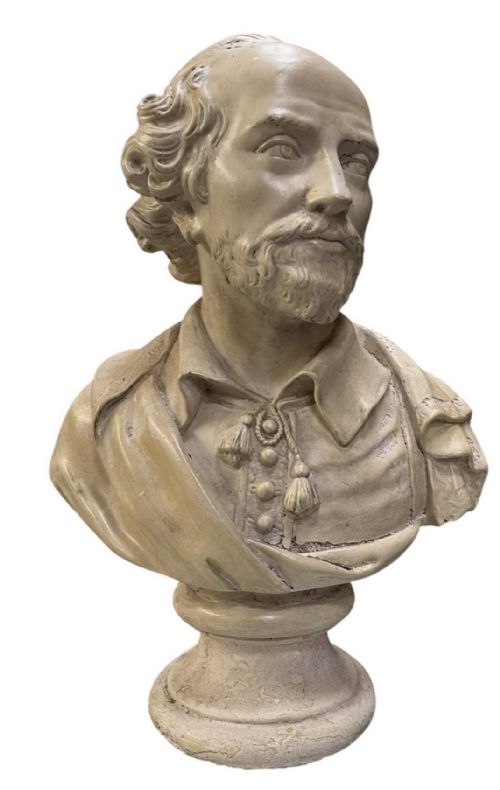
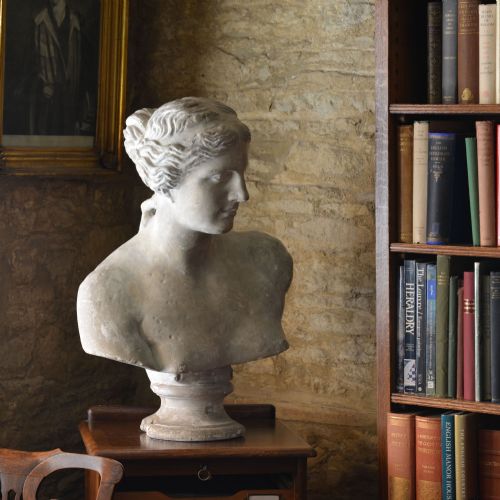


Antique Plaster Head Statue
An antique plaster head statue brings classical gravitas and scholarly presence into a room with timeless sculptural poise.
Antique Plaster Head Statue
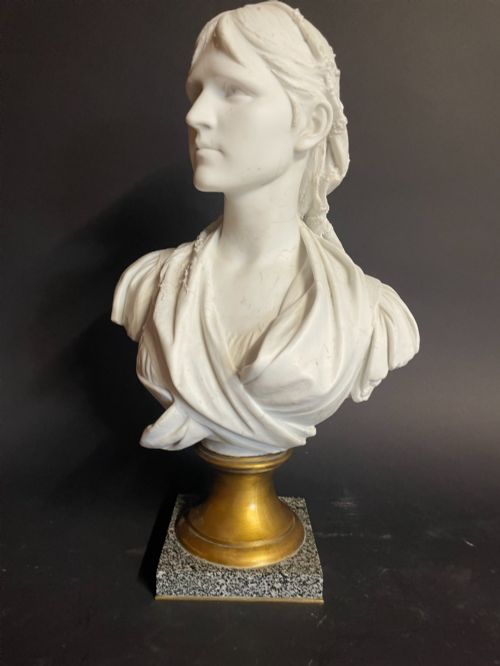
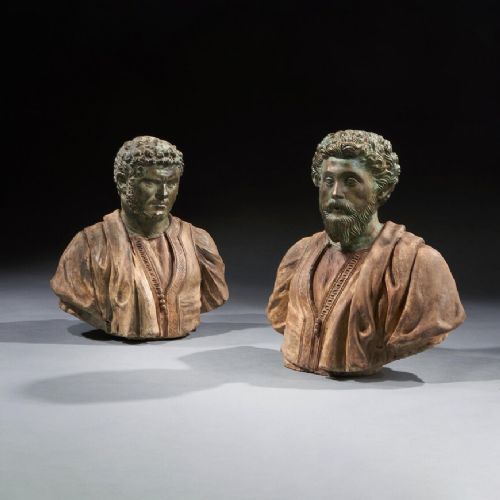
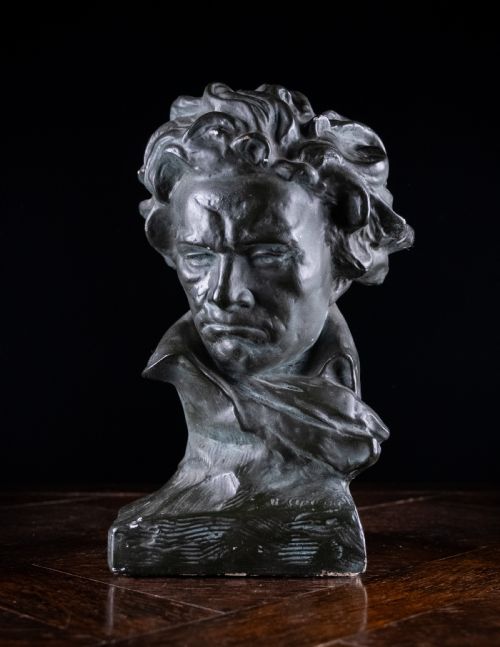
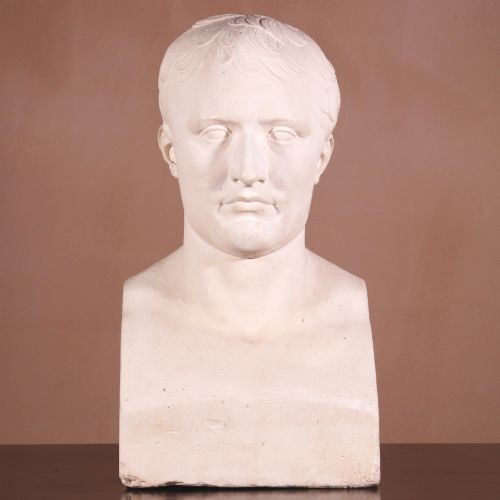
When you search for an antique plaster head statue, you are looking at sculptural portraits and classical studies that translate historical figures, literary icons, and mythological subjects into domestic spaces. These pieces serve as striking interior focal points, traditionally displayed on library brackets, pedestals, or mantelpieces to signal an appreciation for history and literature.
On this page, you are most likely to meet nineteenth-century works alongside Edwardian and early twentieth-century interpretations. The selection spans portraits of Roman emperors, classical deities like Venus and Homer, and notable historical or literary figures such as Beethoven and Walter Scott, reflecting the enduring nineteenth-century revival of classical antiquity.
Judging quality and execution
Provenance and attribution also elevate certain pieces, particularly those associated with known sculptors or specific European workshops. Additionally, the quality of the supporting bracket, the depth of the patination, and the integrity of the surface finish contribute significantly to a piece's sculptural authority.
Listings feature works from the nineteenth century through the early twentieth century, including Edwardian and Art Deco era interpretations.
Raffaelo Monti·Antonio Rossellino
The Antique Plaster Head Statue Glossary
- Patina
- The surface ageing, colouring, or applied coating that gives plaster the appearance of bronze, terracotta, or weathered stone. It adds depth and visual warmth to the monochrome surface.
- Neoclassical
- A dominant style drawing inspiration from the art and culture of classical Greece and Rome. It accounts for the majority of historical bust subjects.
- Bracket
- A wall-mounted architectural shelf specifically designed to support library busts and heavy sculptures. They elevate the piece for optimal display.
Antique Plaster Head Statue: Frequently Asked Questions
Where should I display a plaster bust?
These sculptures suit studies, libraries, and hallways where they can sit securely at eye level on a sturdy bracket, mantelpiece, or bookcase.
Because plaster is sensitive to high humidity and direct moisture, keep them away from damp areas and direct sunlight to protect the painted or patinated surface.
How can I tell the period of a plaster bust?
Examine the mounting style, the casting seams, and the nature of the surface patination, as nineteenth-century pieces often display distinct ageing and heavier wooden or brass supports.
Signatures, stamps, or handwritten inscriptions on the reverse or base frequently help date the piece and identify the workshop or maker.
Why were plaster busts so popular?
During the nineteenth century, plaster casts of classical sculpture allowed collectors and scholars to bring affordable representations of museum masterpieces into their homes.
They served both an educational purpose and an aesthetic role, reflecting a widespread cultural fascination with classical history, philosophy, and literature.