


Painted Sculpture Bust
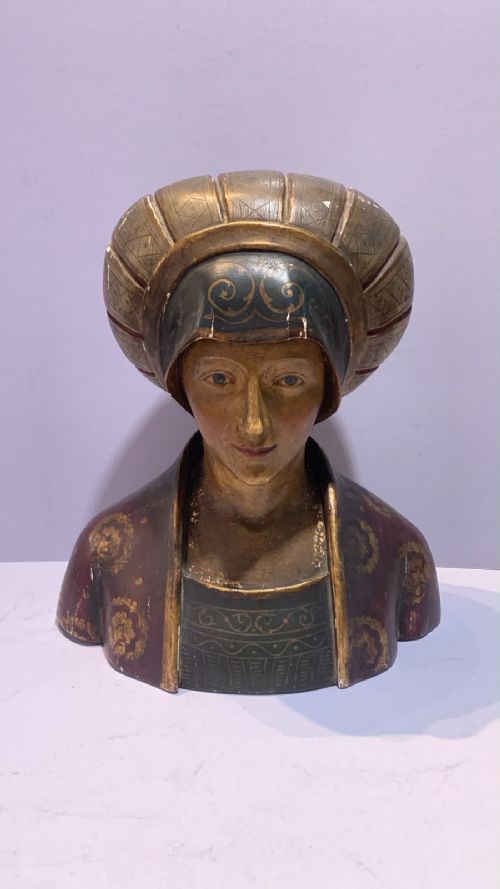
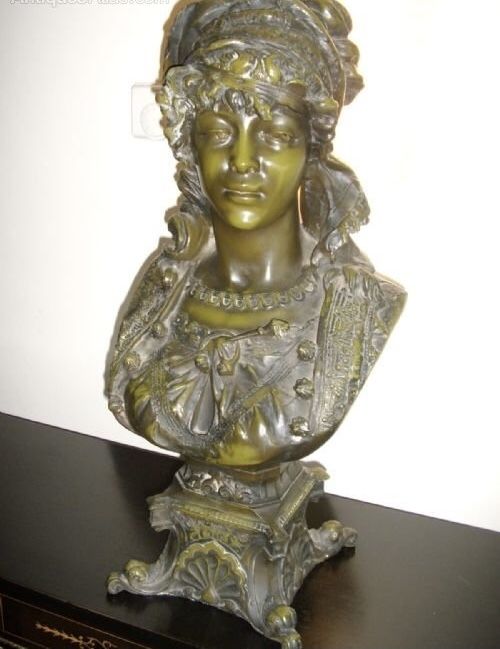
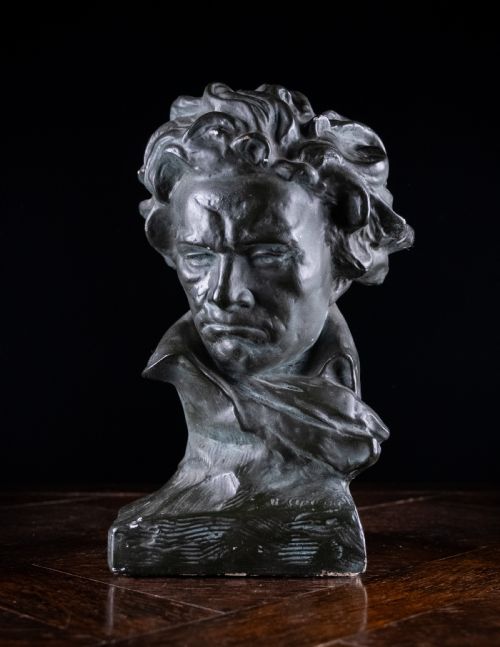
These painted sculpture bust pieces capture historical likeness and artistic character, bringing traditional portraiture and expressive form directly into modern spaces.
Painted Sculpture Bust
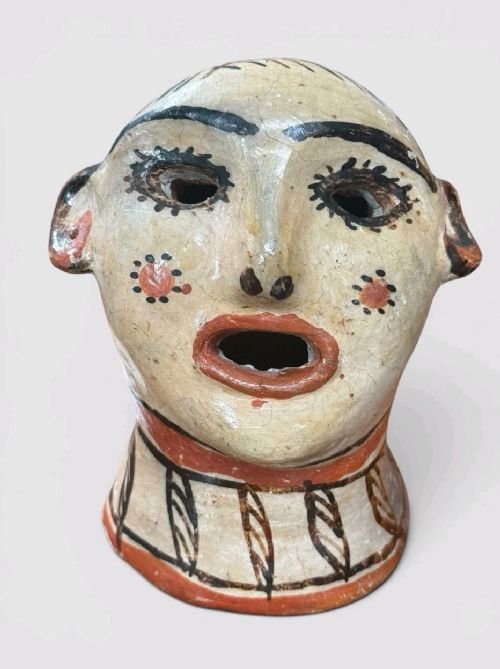
When you search for painted sculpture bust, you encounter a diverse array of sculptural portraits, character heads, and classical figures spanning multiple centuries. The selection ranges from nineteenth-century Grand Tour subjects and plaster likenesses to carved wooden saints and ceramic art pieces.
You are most likely to meet nineteenth-century plaster and wooden examples on this page, alongside twentieth-century ceramic and terracotta works. These portrayals vary from classical nobility and historical composers to folk art figures and regional dance representations.
Evaluating craftsmanship and condition
Quality in these works rests upon the precision of the carving or moulding and the preservation of the original painted surface. Finer examples display meticulous attention to anatomical detail and facial expression.
The integrity of the polychrome or paint finish heavily influences the character of the piece. Retaining original pigments and surface patination distinguishes superior examples from heavily restored items.
Listings feature items from the eighteenth, nineteenth, and twentieth centuries, incorporating wood, plaster, terracotta, and paint.
Ernst Whaliss·Henry Wissen Senior
The Painted Sculpture Bust Glossary
- Polychrome paint
- Decoration applied in several colours to the surface of wood, plaster, or terracotta. This technique enhances the realism and decorative impact of sculptural portraits.
- Terracotta
- Fired clay used extensively for sculptural works and architectural elements. It allows for detailed modelling before hardening through the firing process.
- Gesso
- A plaster-like mixture applied as a base for painting or gilding on wooden surfaces. It provides a smooth ground for subsequent colour application.
- Grand Tour
- A cultural journey undertaken by nineteenth-century travellers who collected classical sculptures and busts as souvenirs. These items often replicated ancient Greek and Roman works.
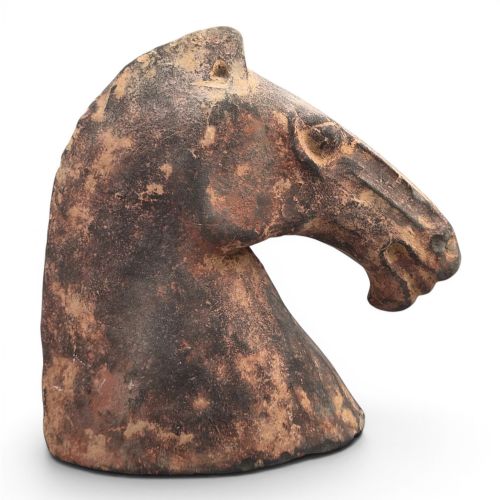
- Mingqi
- Chinese burial objects placed in tombs to serve the deceased in the afterlife. Terracotta horse heads represent this ancient funerary tradition.
Painted Sculpture Bust: Frequently Asked Questions
How do I display a painted sculpture bust?
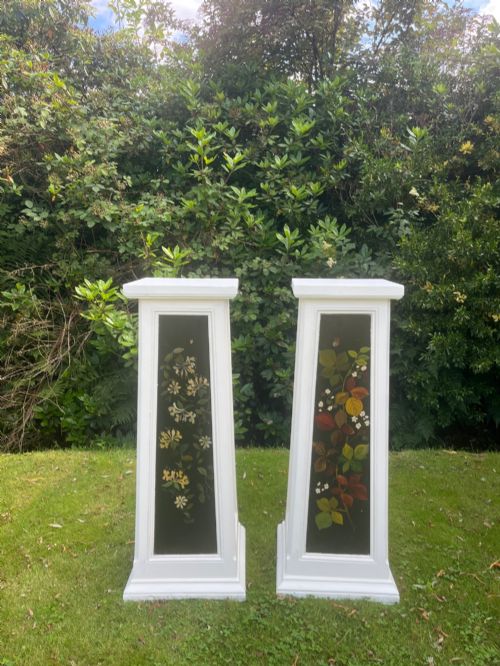
These pieces suit placement on sturdy pedestals, mantelpieces, or dedicated display tables where their three-dimensional form can be appreciated from multiple angles.
Ensure they rest away from direct sunlight and fluctuating moisture to protect delicate painted and gesso surfaces over time.
What periods do these busts represent?
The inventory spans several centuries, including eighteenth-century carved wooden figures, nineteenth-century plaster works, and twentieth-century ceramic creations.
Earlier pieces often lean towards religious or classical subjects, while later examples embrace Art Nouveau and Art Deco aesthetics.
Are these pieces made of plaster or wood?
Makers utilised a variety of materials, with plaster, carved wood, and terracotta appearing frequently across the listed items.
Each material brings a distinct weight and texture, often enhanced by original paint or polychrome finishes.
How should I clean a painted bust?
Dust gently with a soft, dry brush to remove surface debris without disturbing fragile paint layers.
Avoid using liquid cleaners or damp cloths, as moisture can damage historic plaster, gesso, and polychrome finishes.