


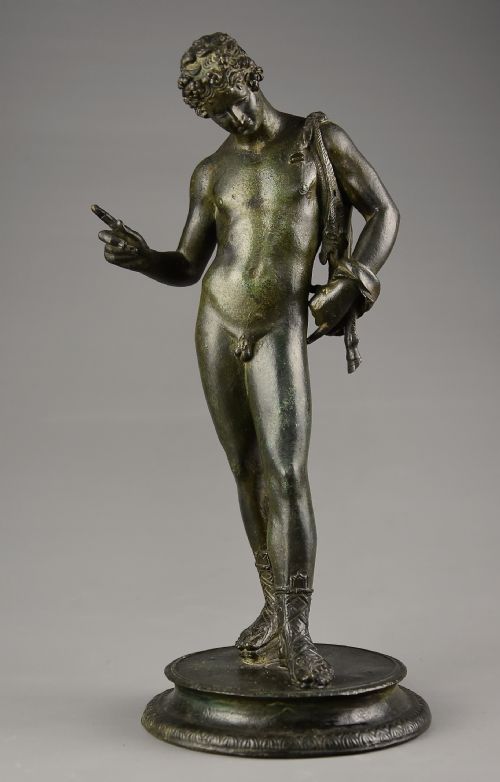
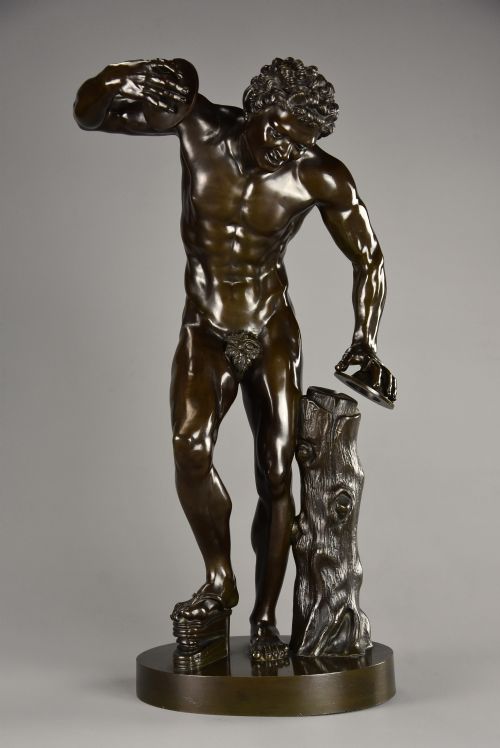
Classical Male Bronze Statue
A classical male bronze statue brings the discipline and power of ancient form directly into a room, cast in heavy metal to last.
Classical Male Bronze Statue
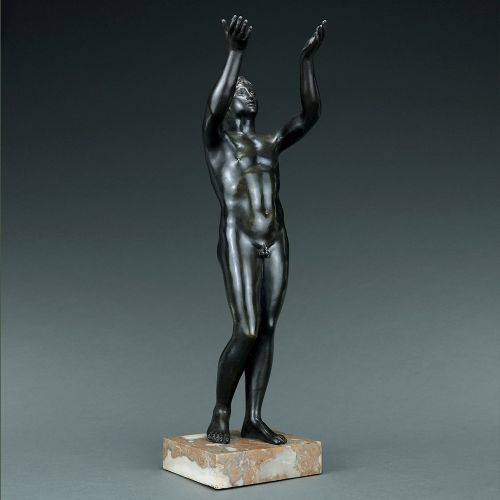
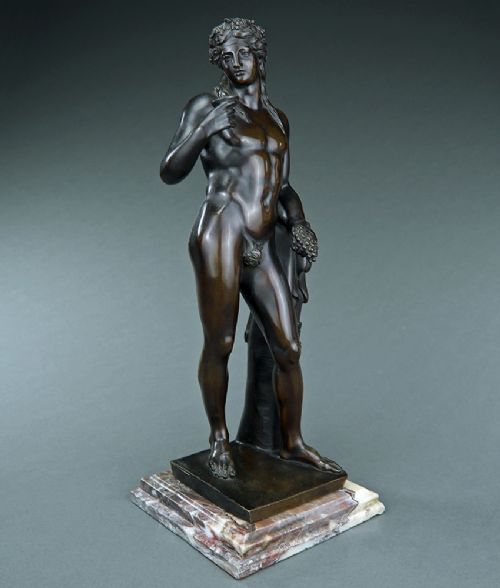
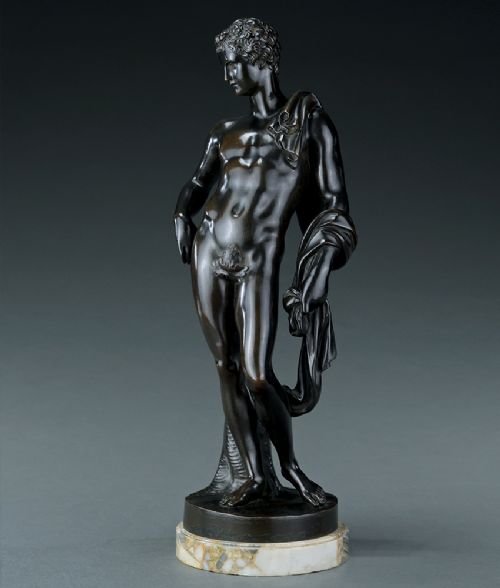
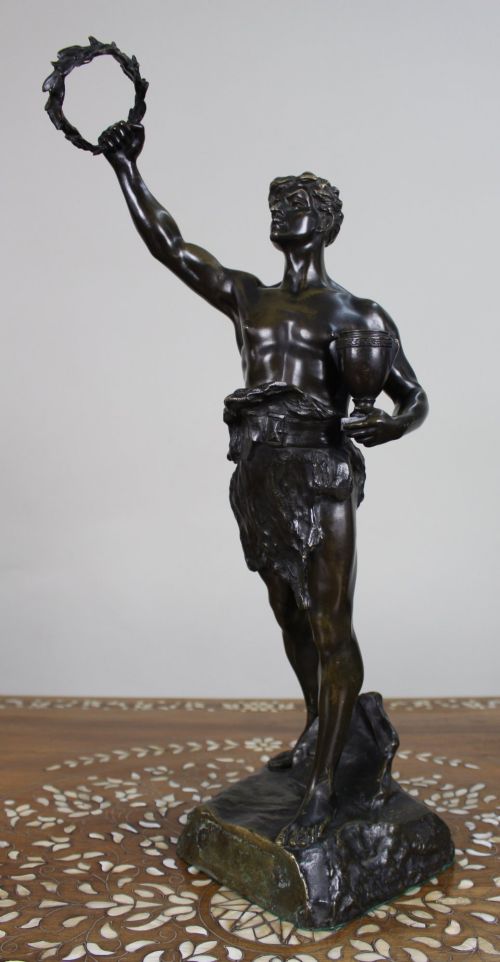
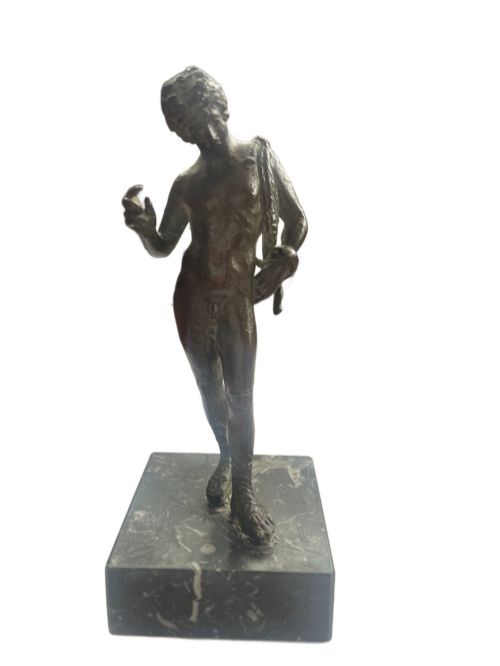
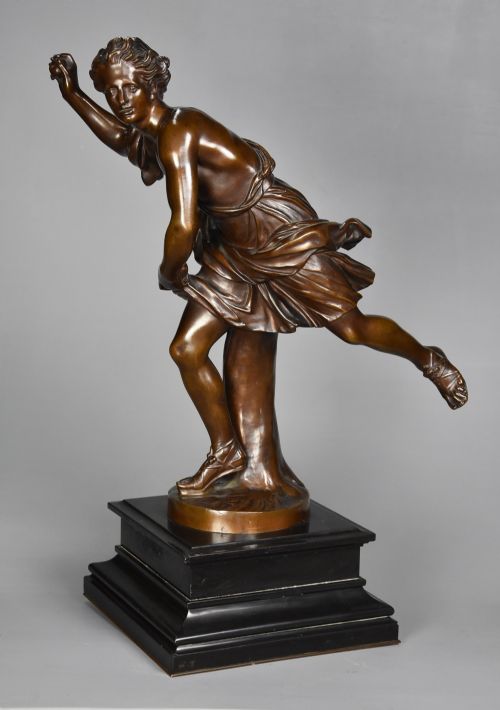
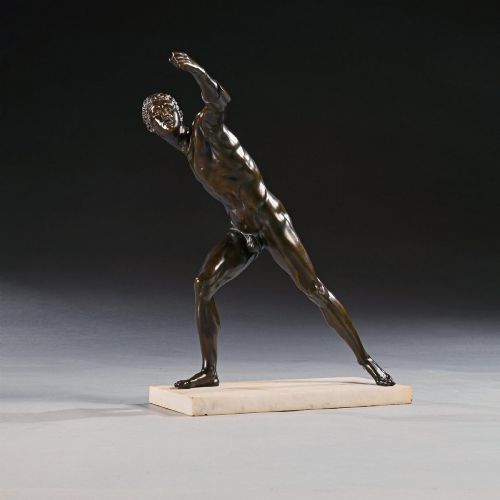
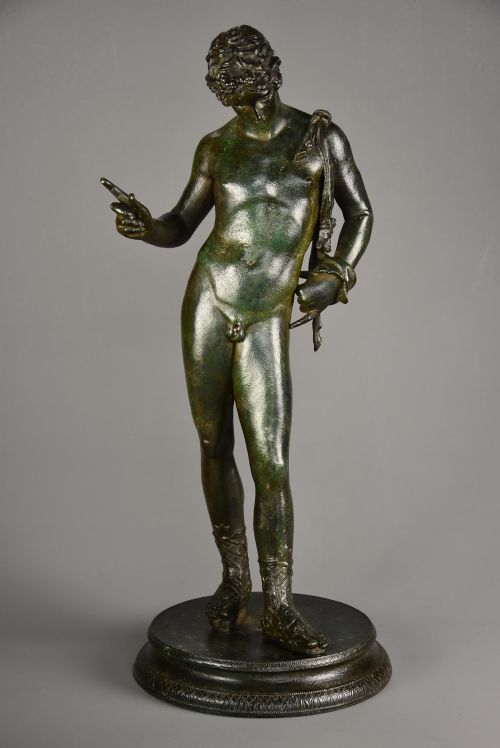
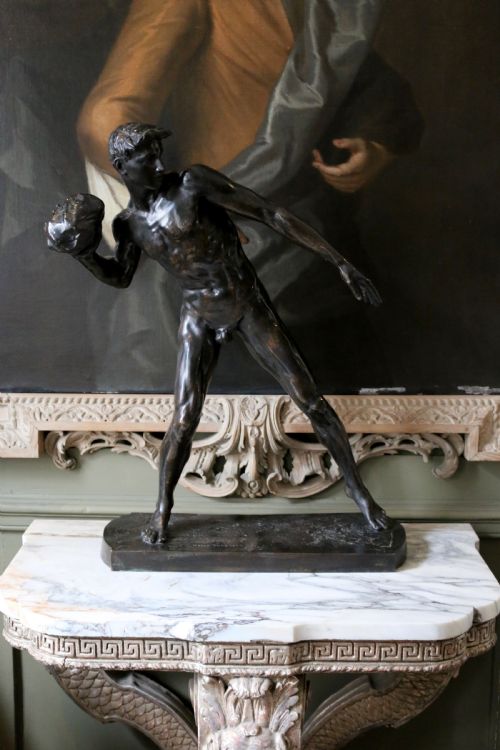
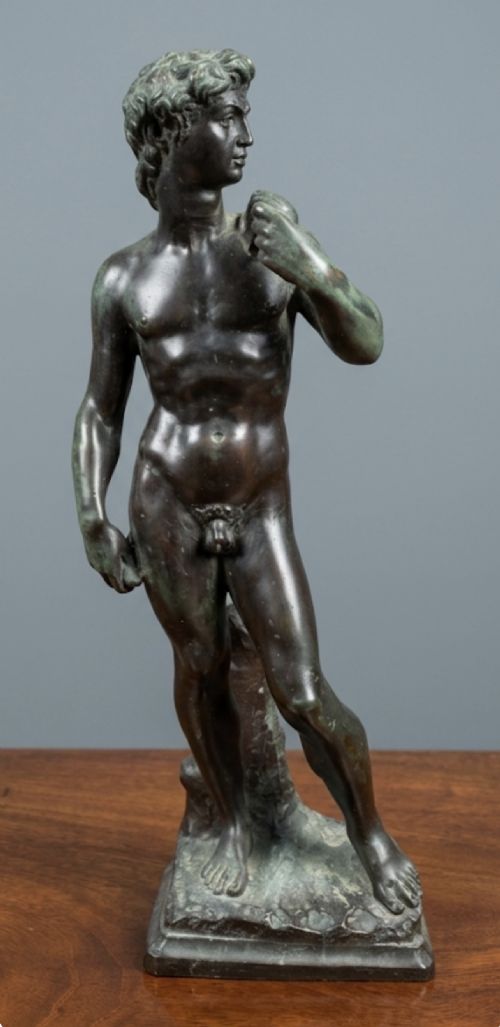
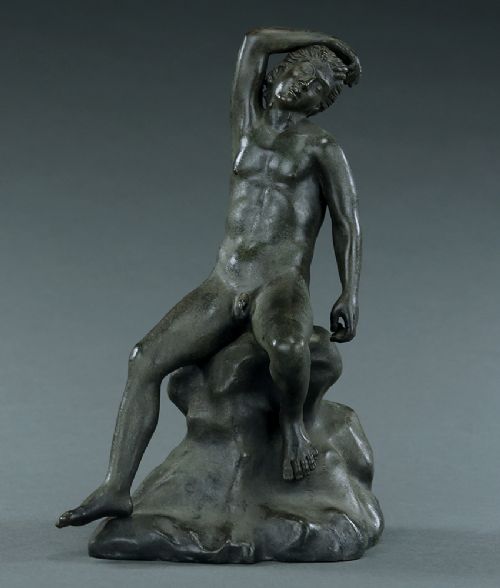
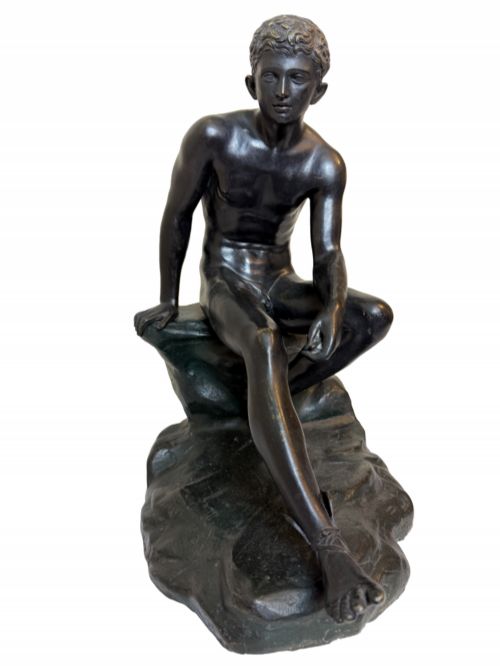
A classical male bronze statue draws on ancient models, depicting mythological figures, gladiators, and athletes in stable or dynamic stances. Buyers encounter these pieces largely as nineteenth-century reductions and Grand Tour souvenirs produced in France and Italy.
The subjects range from figures of Narcissus and David to Roman emperors and mythological deities resting on marble bases. These works reflect the academic interest in antiquity that defined European sculpture during the Victorian era and the decades following.
Materials and casting methods
Foundries utilised the lost-wax casting method or sand casting to capture the musculature and fine details of the original marbles. The resulting metal forms received patination treatments, ranging from deep dark tones to bright verdigris and green finishes.
Many figures stand upon heavy integral mounts or separate bases fashioned from fossil marble, stone, or brass. Lamps and structural pieces incorporate these bronze sculptures into functional household objects.
The listings on this site span the nineteenth century, featuring styles from Academic Realism to Art Deco.
Distinctions in quality
The reputation of the foundry and the clarity of the signature or stamp dictate the standing of the work. Foundries like Barbedienne maintained rigorous standards of reduction and patination that separate their output from anonymous workshop productions.
Lemoyne·Barbedienne·Hamo Thornycroft·Julien Lorieux·Emile Louis Picault·Giuseppe Moretti·Eugene Barillot·Sir Thomas Brock·Raoul Francois Larche·Mathurin Moreau
The Classical Male Bronze Statue Glossary
- Grand Tour
- A traditional trip through Europe undertaken by upper-class young men to study art and antiquities. It generated a vast market for small-scale bronze copies of ancient statues.
- Patination
- The chemical treatment or natural weathering applied to the surface of metal to create colour and tone. This finish protects the bronze while defining its visual character.
- Lost-wax casting
- A process where a wax model is melted from a mould and replaced with molten metal. It allows for intricate undercut details and complex figures.
- Neoclassical
- An artistic movement drawing inspiration from the art and culture of classical antiquity. It prioritises proportion, heroic subject matter, and restrained emotion.
Classical Male Bronze Statue: Frequently Asked Questions
How do I clean a bronze statue?
Dust the surface regularly with a soft brush and apply a microcrystalline wax sparingly to protect the patination. Avoid water, polish, or abrasive cleaners that strip the original finish.
Keeping the metal in a stable environment away from high humidity prevents oxidation and preserves the colour.
What is a Grand Tour bronze?
These are scale-copy bronzes purchased by travellers visiting archaeological sites and museums in Italy during the nineteenth century. They served as scholarly souvenirs and decorative ornaments for libraries and studies.
Most depict famous ancient sculptures housed in Italian collections, such as figures by Lysippos or the discoveries from Pompeii and Herculaneum.
How can I date my bronze?
Examine the quality of the chasing, the composition of the base material, and any foundry marks or signatures stamped into the metal. Nineteenth-century castings often feature specific patination techniques and screw fittings that differ from modern reproductions.
Matching the subject to known salon exhibitions or foundry catalogues provides a narrower window of production.
Where should I place these statues?
Position heavier pieces on sturdy wooden furniture, marble consoles, or dedicated pedestals that support their considerable weight. Ensure they sit away from direct sunlight and heat sources to protect both the metal and the stone bases.
Pairing them with traditional library fittings or neoclassical interiors enhances their historical presence.