






Brown Bronze Male Figure
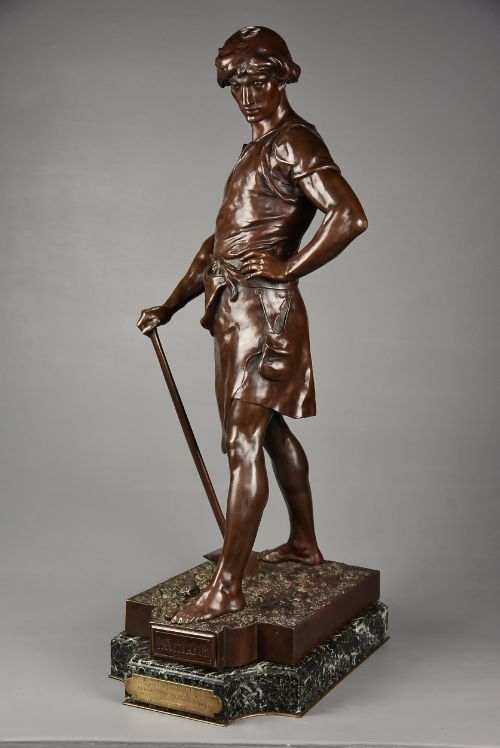
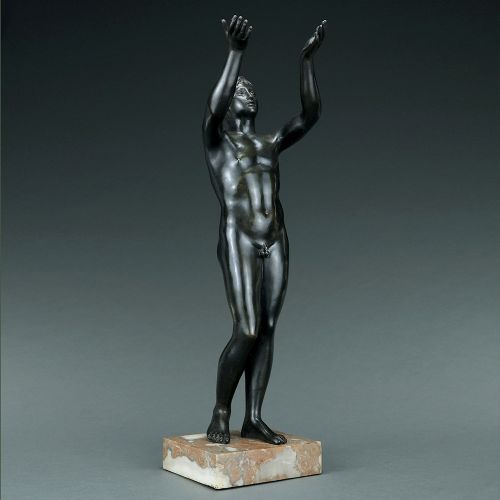
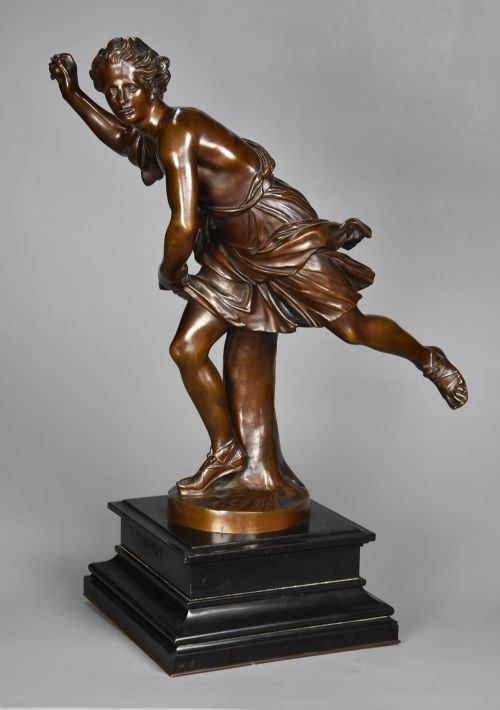
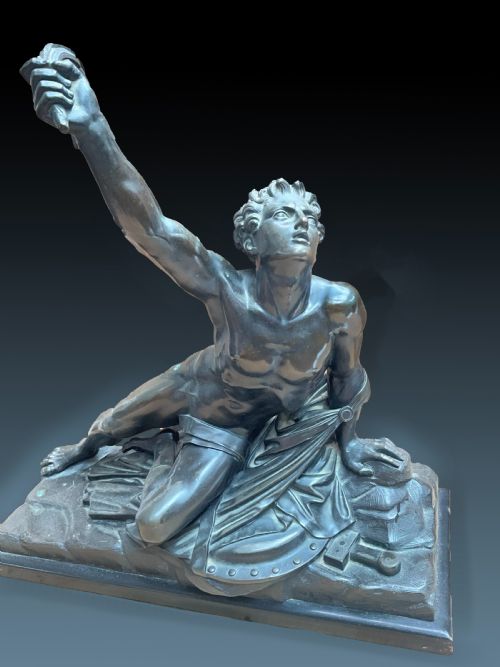
These brown bronze male figure sculptures capture classical heroes and allegorical subjects in rich patinated metal.
Brown Bronze Male Figure
A brown bronze male figure represents classical heroes, mythological gods, and allegorical subjects cast during the nineteenth century. These sculptures draw heavily from ancient Greek and Roman models, reflecting the scholarly interests and grand tour travels of the period.
Most pieces on this page originate from nineteenth-century French workshops and British Victorian studios, taking the form of freestanding cabinet bronzes or figural lamp bases. Subjects range from mythological figures like Narcissus and Apollo to allegorical studies of labour and glory.
Collectors encounter works cast after classical antiquities alongside signed editions by prominent foundry directors and sculptors. The scale varies from substantial floor-standing pieces to smaller cabinet bronzes mounted on marble or ebonised wood bases.
How they were made
Foundries utilised the lost-wax casting method or sand casting to achieve fine anatomical detail in the metal. Molten bronze was poured into moulds taken from original models, allowing sculptors to capture the musculature of the male form accurately.
Brown Bronze Male Figure Retail Price Guide 2026
Typical asking prices for brown bronze male figure among the pieces listed under this phrase on Sellingantiques today, from the lower quarter to the upper quarter. They describe what is for sale here now, not the wider market.
Listings feature nineteen-century pieces incorporating bronze, marble, ebonised wood, and frosted glass across neoclassical and grand tour styles.
What varies in quality
The sophistication of the patination and the quality of the supporting base contribute significantly to the standing of a piece. Original foundry signatures, robust mounting, and substantial weight distinguish premier studio works from standard commercial productions.
Emile Louis Picault·Barbedienne·Louis Auguste Moreau
The Brown Bronze Male Figure Glossary
- Patinated bronze
- Bronze that has been treated with chemical solutions to produce a specific surface colour, most commonly deep brown or dark bronze. This finish protects the metal and accentuates the sculptural contours.
- Grand Tour
- A cultural journey undertaken by wealthy young Europeans through France and Italy to study classical art. Souvenirs included small bronze figures cast after famous antique statues.
- Lost-wax casting
- A traditional method of metal casting where a wax model is melted out of a mould and replaced with molten bronze. This technique allows for intricate undercuts and fine surface textures.
- Neoclassical
- An artistic movement drawing inspiration from the classical art and culture of ancient Greece and Rome. Sculptures in this style emphasise proportion, heroic nudity, and classical restraint.
Brown Bronze Male Figure: Frequently Asked Questions
What subjects do these figures represent?
These sculptures typically depict classical deities, mythological heroes, and allegorical characters drawn from ancient history and literature. Common subjects include figures like Narcissus, Apollo, David, and classical athletes.
Many pieces reproduce famous antique sculptures encountered by travellers on the grand tour, translating ancient marble statues into bronze.
How should I display a bronze figure?
Place the sculpture on a stable surface away from direct heat sources and high humidity to protect the metal and its patination. Ensure the supporting furniture can bear the substantial weight of the bronze and its stone or timber base.
Allow adequate clearance around the piece so the details of the casting can be appreciated from multiple angles.
How do I clean patinated bronze?
Dust the surface gently using a soft, dry brush or a clean microfiber cloth to remove accumulated particles. Avoid using water, soap, or metal polishes, as these substances strip away the historic patination.
Professional conservation is recommended if the surface requires deeper cleaning or shows signs of active corrosion.
How do nineteenth-century casts differ from later editions?
Nineteenth-century casts generally exhibit sharper detail because the founding moulds were fresh and taken directly from original models. Later strikes often show softer contours and less defined chasing due to wear on the production moulds.
Foundry marks and signature stamps from nineteenth-century producers also help verify the period of manufacture.