

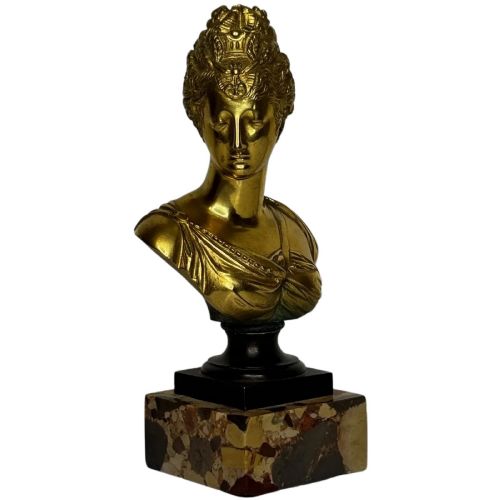

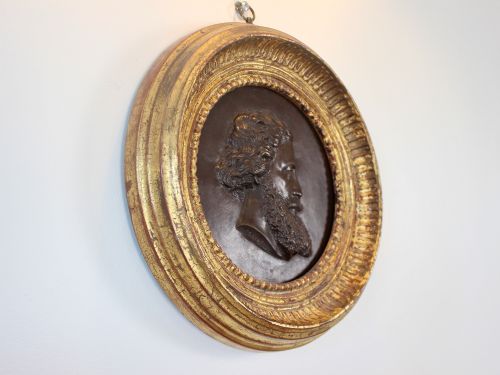


Classical French Bronze Bust
These classical french bronze bust pieces bring neoclassical dignity and historical portraits into a room, cast in heavy metal and mounted on stone.
Classical French Bronze Bust
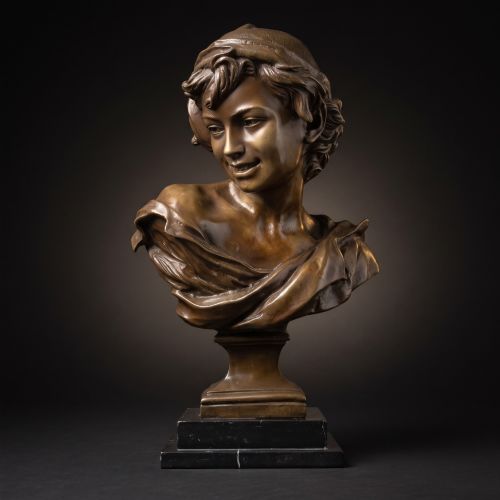
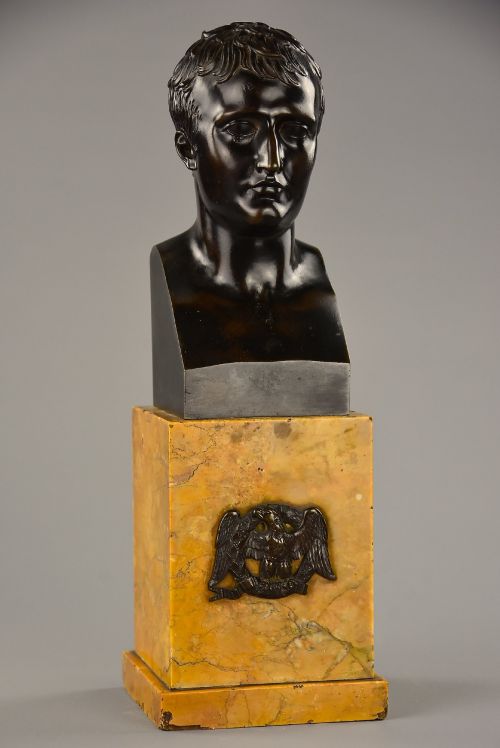
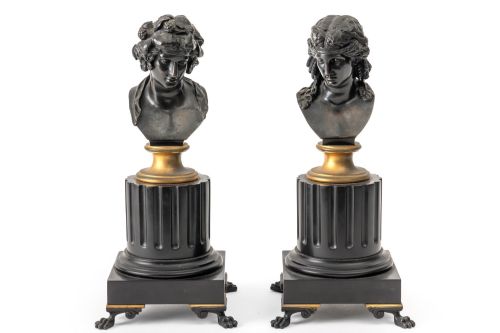
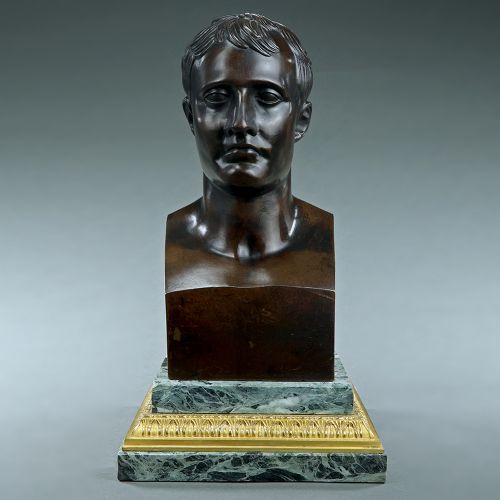
A classical french bronze bust represents historical figures, mythological subjects, or literary characters cast in metal during the nineteenth and early twentieth centuries. These sculptures often take the form of significant historical rulers, classical deities, or idealised female portraits designed for domestic display on mantelpieces, desks, or dedicated pedestals.
The version most commonly encountered on this page originates from the nineteenth century, reflecting periods such as the Victorian era, the Edwardian years, and the Art Nouveau movement. Makers drew heavily on neoclassical traditions, French Empire aesthetics, and Renaissance revival styles to create these portrait sculptures.
Beyond standalone portrait busts, the selection includes related decorative objects incorporating sculptural heads, such as inkwells, mantel clocks, and wall plaques. These functional pieces combine cast bronze figures with materials like marble, onyx, and ormolu to serve both ornamental and practical uses in a room.
How They Were Made
Foundries utilised traditional lost-wax or sand-casting methods to shape the molten bronze, capturing fine details in hair, drapery, and facial expressions. Artisans then applied various chemical patinations or mercury gilding to achieve deep brown tones, bright gold finishes, or dark patinated surfaces.
Sculptors frequently mounted completed metal casts onto turned bases or columns made from contrasting materials like white marble, fossiliferous onyx, or rich hardwoods. Ormolu mounts and cast brass details were often added to pedestals, clock housings, and inkwells to enhance the decorative scheme.
Classical French Bronze Bust Retail Price Guide 2026
Typical asking prices for classical french bronze bust among the pieces listed under this phrase on Sellingantiques today, from the lower quarter to the upper quarter. They describe what is for sale here now, not the wider market.
Even William Shakespeare occasionally finds himself cast in heavy bronze and perched atop an onyx clock, keeping a stern eye on the nineteenth-century parlour.
What Varies in Quality
The choice and integration of secondary materials dictate the overall presence of the object. High-tier pieces employ heavy, well-veined marble bases and finely fire-gilded ormolu mounts that complement the patinated bronze rather than competing with it.
Jean-Baptiste Carpeaux·E. Villanis·Georges-Charles Coudray·Mathurin Moreau·Ernest-Eugène Hiolle·Emmanuel Villanis·E. Laurent·Eutrope Bouret·Henri Plé
The Classical French Bronze Bust Glossary
- Patinated Bronze
- Bronze that has been treated with chemical solutions to produce a specific surface colour, ranging from deep chocolate brown to greenish verdigris.
- Ormolu
- Gilt bronze created by applying a finely ground high-carat gold and mercury amalgam to a bronze base before heating to drive off the mercury.
- Neoclassical
- A style spanning the eighteenth and nineteenth centuries that drew direct inspiration from the classical art and culture of ancient Greece and Rome.
- Grand Tour
- A traditional trip of Europe undertaken by upper-class young men of the eighteenth and nineteenth centuries, during which they acquired portable art and classical antiquities.
Classical French Bronze Bust: Frequently Asked Questions
How should I clean a bronze bust?
Dust the surface gently with a soft, dry brush to prevent accumulation in recessed details. Avoid using commercial metal polishes, water, or abrasive cloths, as these can strip the original patination.
Apply a very thin coat of microcrystalline wax periodically if the metal requires protection from atmospheric moisture. Buff the wax off thoroughly with a clean cloth to maintain a soft, stable sheen.
Where is the best place to display a bust?
Position the sculpture at eye level on a sturdy mantelpiece, a dedicated wooden pedestal, or a solid desk where it can be viewed from multiple angles. Ensure the supporting furniture can safely bear the substantial weight of the combined bronze and stone.
Keep the piece away from direct sunlight and strong heat sources such as radiators, which can dry out underlying wooden surfaces or affect delicate patinas over time.
How do I identify Art Nouveau examples?
Look for flowing, organic lines, stylised natural motifs, and distinct lettering within the signature that reflect the aesthetic movements of the late nineteenth and early twentieth centuries. Subjects often feature women with long, cascading hair surrounded by decorative plant tendrils or classical pseudonyms.
The cast surfaces frequently exhibit softer patinas and slender proportions that depart from strict neoclassical symmetry, favouring dynamic movement and poetic titles inscribed directly onto the metal.
Are these pieces signed by artists?
Many nineteenth-century French bronzes bear the signature or foundry mark of the sculptor cast directly into the metal base during production. These signatures confirm the authorship of established makers who exhibited in the official Paris salons.
Examine the lower edges and reverse sides of the bronze casting for incised names, monogram stamps, or foundry seals. Unsigned pieces remain common and were often produced by skilled anonymous artisans working in commercial foundries.