




French Style Bronze Head
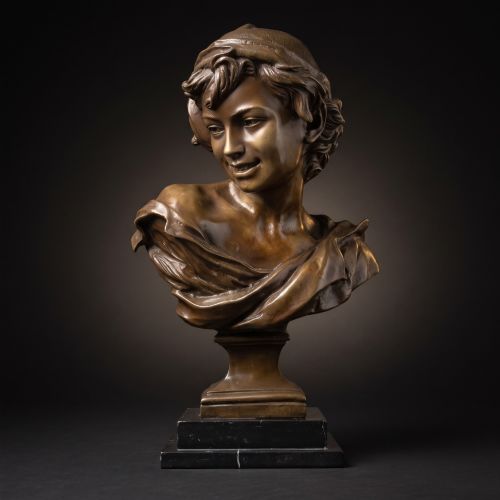
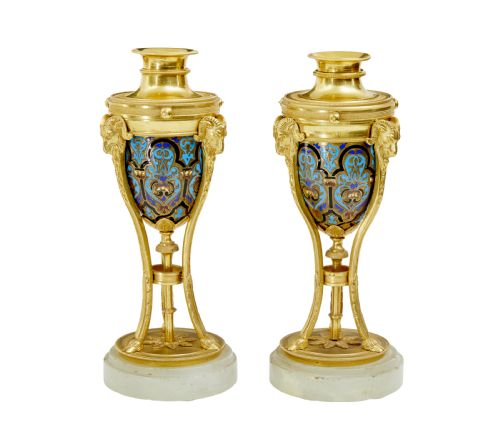
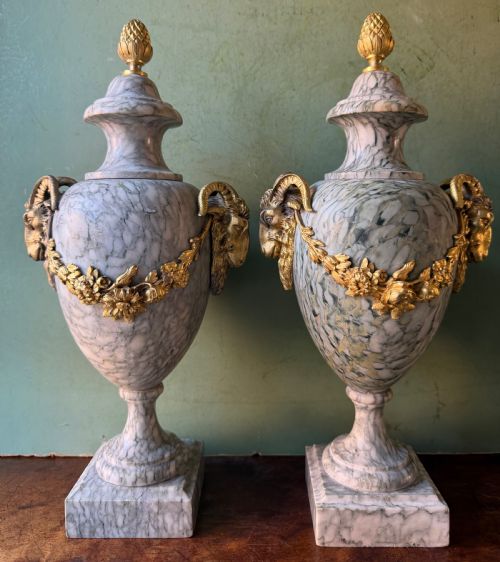
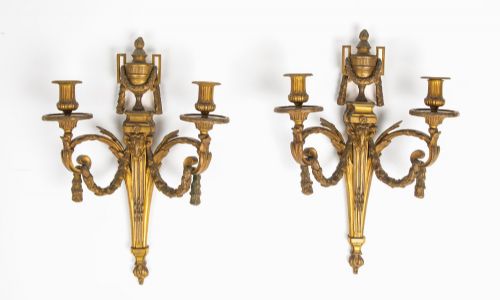
These pieces for french style bronze head combine classical casting with decorative ormolu, offering substantial classical presence for a mantel or wall.
French Style Bronze Head
When buyers search for french style bronze head, they encounter a diverse selection of sculptural works and decorative household items rooted in classical aesthetics. These items range from distinct portrait busts to decorative mounts on vases, wall lights, and timepieces.
The objects span multiple periods, with pieces originating from the nineteenth century alongside later twentieth-century iterations. Common forms include wall sconces featuring ram head masks, sculptural busts of young girls and Roman emperors, and garniture sets incorporating marble and gilt metal.
Origins heavily reflect classicising European design traditions, frequently adopting Louis XVI style, Louis XV, and French Empire characteristics. Buyers generally find these works integrated into functional items like cassolettes, mantel clocks, and jardinières, or presented purely as sculptural busts.
Materials and Construction
Makers utilised cast bronze and brass as primary structural metals, frequently applying mercury gilding or modern ormolu finishes to create bright golden surfaces. These metal elements were often combined with carved natural stone, including highly figured grey and green veined Campan vert marble and standard white marble bases.
Decorative details rely on traditional foundry techniques, incorporating chased surface ornament alongside champlevé enamel work. Subsidiary components utilise complementary materials such as mahogany, terracotta, and hand-painted porcelain panels to add colour and texture to clocks and furnishings.
French Style Bronze Head Retail Price Guide 2026
Typical asking prices for french style bronze head among the pieces listed under this phrase on Sellingantiques today, from the lower quarter to the upper quarter. They describe what is for sale here now, not the wider market.
Assessing Quality and Execution
The selection and preparation of supporting materials further define the tier of the piece, particularly the depth of colour and figuring in associated marble plinths or vases. Harmonious integration between the bronze elements and natural stone or enamel components demonstrates greater care during assembly.
Jean-Baptiste Carpeaux·Mathurin Moreau
The French Style Bronze Head Glossary
- Ormolu
- A golden-coloured metallic alloy used to simulate gold, applied to bronze mounts and decorative hardware. It receives its distinct appearance through a process of mercury gilding or brass finishing.
- Cassolette
- A decorative vessel designed to function either as a vase or a perfume burner, often featuring a reversible lid. These objects frequently incorporate classical mounts and marble bodies.
- Champlevé enamel
- A technique where troughs or cells are carved into the surface of a metal object and filled with vitreous enamel paste before firing. This process creates colourful decorative patterns across metal surfaces.
- Jardinière
- A decorative container or stand intended to hold plants or floral arrangements within an interior space. They are commonly cast in bronze or ormolu and styled after classical motifs.
- Campan vert
- A distinctive variety of marble featuring mottled grey and green veining, mined in the Pyrenees. It was frequently utilised during the nineteenth century for high-end decorative vases and clock bodies.
French Style Bronze Head: Frequently Asked Questions
What periods do these bronze items date from?
The selection encompasses works primarily originating across the nineteenth century, including specific dates such as eighteen-eighty and eighteen-ninety.
Additional pieces extend into the early twentieth century and the period later than nineteen-sixty, reflecting enduring revivals of classical French design.
How were these decorative bronze objects used?
Many pieces served functional roles in domestic interiors as wall sconces, mantel clocks, table lamps, and architectural fireplace fenders. Others functioned purely as decorative sculptures or garniture vases displayed on mantelpieces and side tables.
They were designed to project classical elegance and wealth within formal nineteenth-century drawing rooms and libraries.
How do I identify Louis XVI style pieces?
Louis XVI style works typically display strict symmetry, straight lines, and classical architectural motifs such as fluting, laurel wreaths, and ram head masks. These items favour restraint and geometric balance compared to the earlier asymmetrical curves of the Louis XV style.
They frequently combine gilt bronze mounts with contrasting natural materials like Campan vert marble.
What is the difference between bronze and ormolu?
Bronze is a heavy metal alloy composed mainly of copper and tin, utilised for casting durable sculptures and structural mounts. Ormolu refers specifically to the gilded surface treatment applied to bronze or brass to give it a rich gold appearance.
Many decorative items combine both materials, using unpolished bronze alongside bright ormolu highlights.