





Antique Style Bronze Head
An antique style bronze head brings classical gravity and decorative presence to a room, drawing on centuries of revival design.
Antique Style Bronze Head
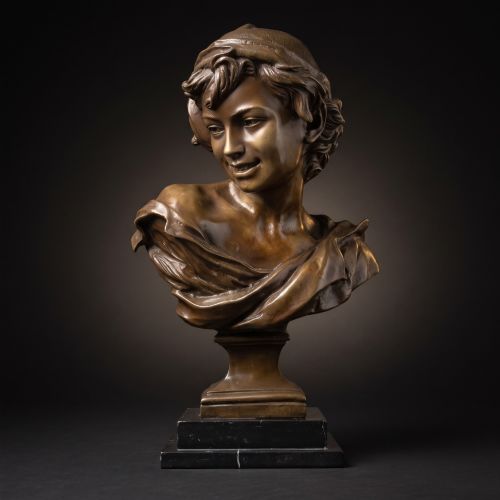
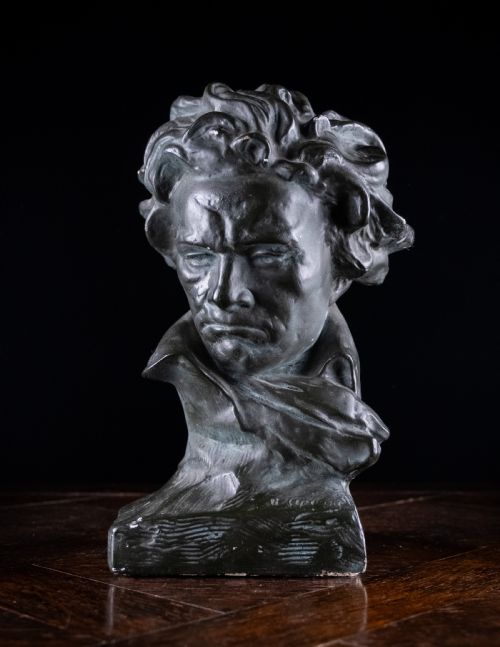
An antique style bronze head encompasses sculptural busts, classical figures, and architectural mounts drawn from historical revival movements. Buyers encounter nineteenth-century interpretations alongside grand tour souvenirs and twentieth-century decorative castings.
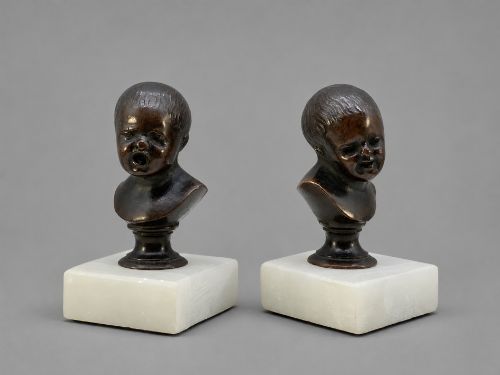
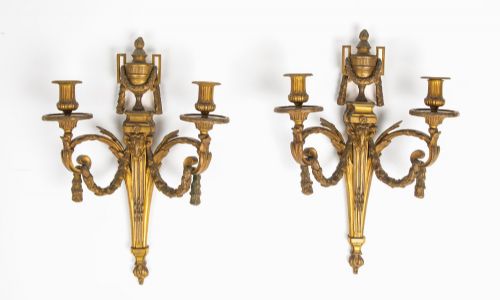
The selections frequently manifest as miniature portrait busts, wall sconces featuring animal masks, and figural ornaments rooted in neoclassical, Regency, and Louis XVI aesthetics. These decorative objects draw heavily on classical antiquity, Roman emperors, and mythical subjects.
Pieces originating from the nineteenth century predominate on this page, reflecting periods of intense historical revival across European workshops. Collectors also find early twentieth-century interpretations executed in bronze, terracotta, and patinated plaster.
Materials and methods
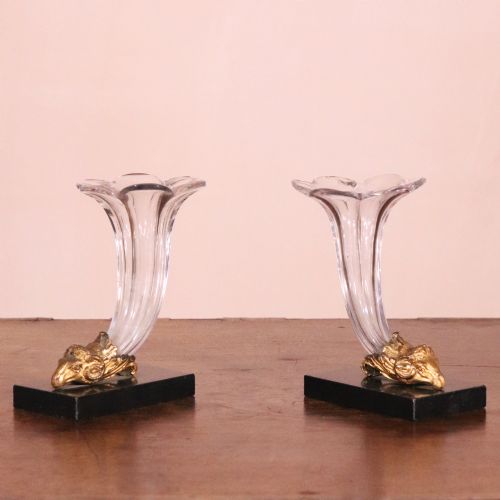
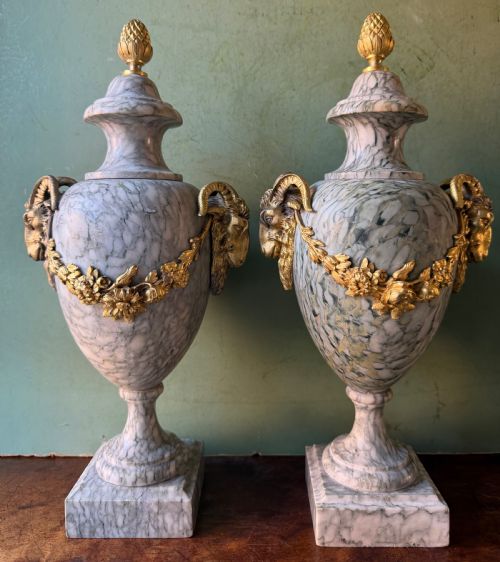
Mixed media construction frequently appears, mounting metal heads upon veined marble columns, bases, or integrating them into glass and ceramic hardware. Artisans also worked with bronzed terracotta and painted plaster to replicate the appearance of heavier cast metal sculptures.
Antique Style Bronze Head Retail Price Guide 2026
Typical asking prices for style bronze head among the pieces listed under this phrase on Sellingantiques today, from the lower quarter to the upper quarter. They describe what is for sale here now, not the wider market.
Listings feature items dated from the early nineteenth century through the mid-twentieth century, employing bronze, terracotta, marble, and ormolu.
Judging quality in metal sculpture
Distinctions in quality rest upon the crispness of the casting and the precision of the hand-chased surface work. Superior examples demonstrate sharp anatomical definition and deliberate textural contrast between polished highlights and darker patination.
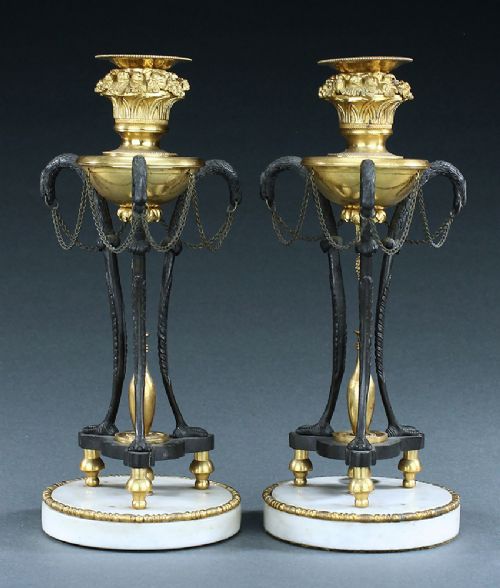
The integration of secondary materials dictates overall refinement, separating standard decorative items from exceptional sculptural works. High-grade pieces employ substantial marble socles, fire-gilded ormolu mounts, and careful anatomical proportions derived directly from classical precedents.
The Antique Style Bronze Head Glossary
- Ormolu
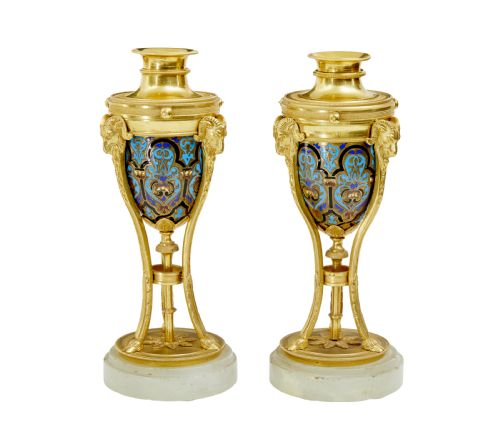
- Gilded bronze utilised extensively for mounts, decorative hardware, and decorative objects during the eighteenth and nineteenth centuries. The technique involves applying a finely ground mercury and gold amalgam to heated bronze.
- Grand Tour
- A cultural journey undertaken by wealthy young Europeans through France and Italy to study classical antiquities. Souvenirs from these travels included miniature bronze busts and architectural models.
- Neoclassical
- A Western cultural movement drawing inspiration from the art and culture of classical antiquity. This style heavily influences the proportions and motifs found on classical portrait heads and wall sconces.
- Patination
- The surface coloration and ageing developed on metal through natural oxidation or chemical treatment. Artisans deliberately alter patination to enhance sculptural depth and simulate ancient artefacts.
- Socle
- A short plinth or pedestal supporting a bust, statue, or vase. These bases elevate the sculptural work and provide visual stability.
Antique Style Bronze Head: Frequently Asked Questions
What is a grand tour bronze head?
A grand tour bronze head is a small-scale replica of a classical sculpture, purchased by travellers visiting European historical sites during the eighteenth and nineteenth centuries.
These pieces allowed collectors to bring classical antiquity into domestic interiors, often cast with considerable attention to detail.
How do I distinguish bronze from painted metal?
Bronze exhibits a heavy density and reveals warm metallic undertones where friction occurs over time, while painted base metals often show flaking or dull grey interiors.
Magnetism also helps determine material composition, as genuine bronze and brass are non-magnetic.
Where should I display a bronze bust?
These sculptures suit mantelpieces, libraries, and entrance halls where their classical forms provide a strong focal point against panelled walls or bookshelves.
Ensure they sit on stable, level surfaces away from excessive moisture to protect patinated metal and underlying marble.
What period do most of these heads date from?
The majority of pieces seen here originate from the nineteenth century, spanning various revival movements such as Regency, Louis XVI style, and Grand Tour revivals.
Later twentieth-century reinterpretations also appear, continuing classical sculptural traditions.