




Cast Bronze Portrait Statue
A cast bronze portrait statue brings historical figures, literary icons, and idealised subjects into domestic interiors through lasting metalwork.
Cast Bronze Portrait Statue
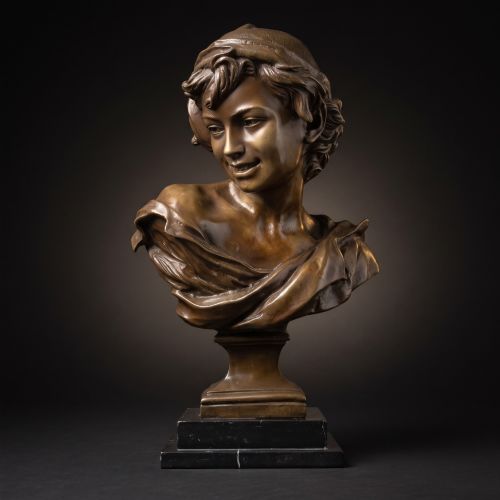
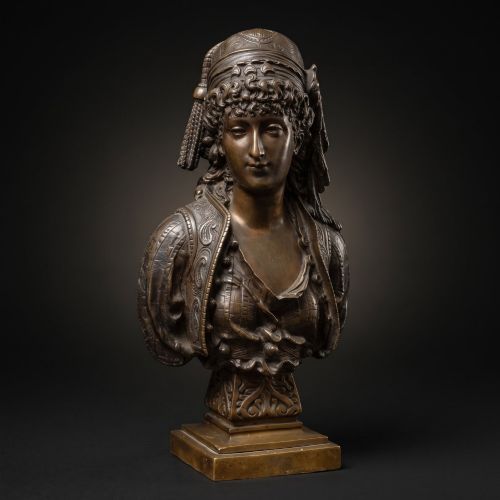
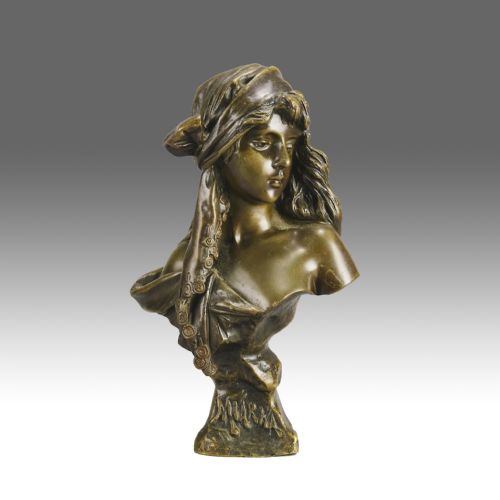
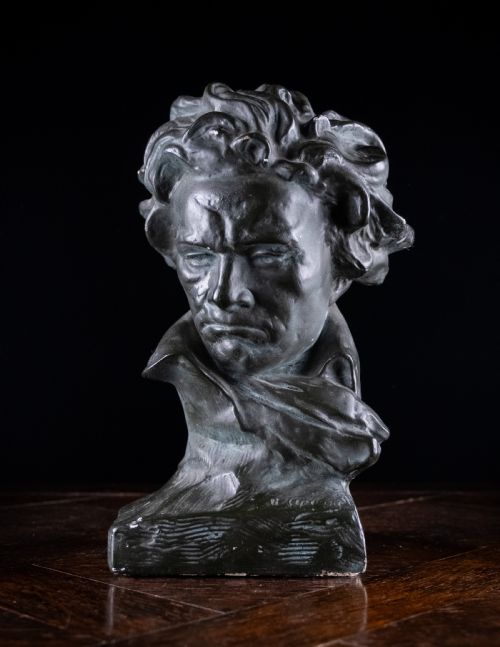
A cast bronze portrait statue or bust captures likenesses of notable historical figures, poets, and expressive young women in enduring metal.
The versions most frequently met on this page date from the nineteenth century into the twentieth century, often following Neoclassical, Victorian, Art Nouveau, and Art Deco aesthetics.
Many of these sculptures take the form of tabletop busts mounted on marble bases, representing specific literary characters, historical personages, or idealised regional types.
Materials and construction methods
These pieces utilise metal casting techniques to shape molten bronze, occasionally supported by painted plaster or cast iron alternatives.
Many sculptures are mounted directly onto solid marble plinths or bases, adding weight and structural contrast to the metallic portrait.
Cast Bronze Portrait Statue Retail Price Guide 2026
Typical asking prices for cast bronze portrait statue among the pieces listed under this phrase on Sellingantiques today, from the lower quarter to the upper quarter. They describe what is for sale here now, not the wider market.
Several bronze young women share shelf space with immortal poets and Ludwig van Beethoven.
Markers of quality and execution
The depth and subtlety of the patination differentiate superior examples, alongside the quality of the supporting marble base and any maker signature present.
Emmanuel Villanis·Georges-Charles Coudray·Sir Thomas Brock·Georges Van Der Straeten·Leonhard Posch
The Cast Bronze Portrait Statue Glossary
- Patinated bronze
- Bronze that has been treated with chemical solutions to produce a specific surface colour or tone. This finish protects the metal and defines sculptural details.
- Cast iron
- An iron-carbon alloy poured into moulds to create rigid forms. It appears in heavier portrait busts as an alternative to non-ferrous metals.
- Plaster
- A building material made from gypsum used for preparatory models or finished casts. Painted versions provide a tactile alternative to metal portraiture.
- Art Nouveau
- A decorative style prevalent around eighteen-ninety characterised by flowing, organic lines. This aesthetic strongly influences many female portrait busts of the period.
Cast Bronze Portrait Statue: Frequently Asked Questions
What subjects do these statues represent?
These sculptures typically depict literary figures, historical personages, poets, and expressive female studies named after heroines or cultural archetypes.
Subjects range from William Shakespeare and Dante Alighieri to gypsy girls, bohemians, and specific historical sitters recorded by contemporary sculptors.
How are these busts usually displayed?
Most pieces function as tabletop or mantelpiece sculptures, frequently anchored by integral marble plinths or heavy metal bases.
Their scale suits placement on desks, bookcases, or dedicated pedestals where the patination and facial modelling catch directional light.
How do I identify Art Nouveau examples?
Art Nouveau portrait pieces generally date from around eighteen-ninety to nineteen-hundred and incorporate fluid, sinuous hair styling and organic clothing lines.
Signatures from sculptors such as Emmanuel Villanis often accompany titles styled in elegant lettering across the bronze casting.
What is the difference between bronze and cast iron versions?
Bronze is a copper alloy prized for its warm metallic depth, responsiveness to patination, and association with fine art casting.
Cast iron offers a heavier, darker alternative used for distinct portrait series, showing different surface textures and structural properties.