

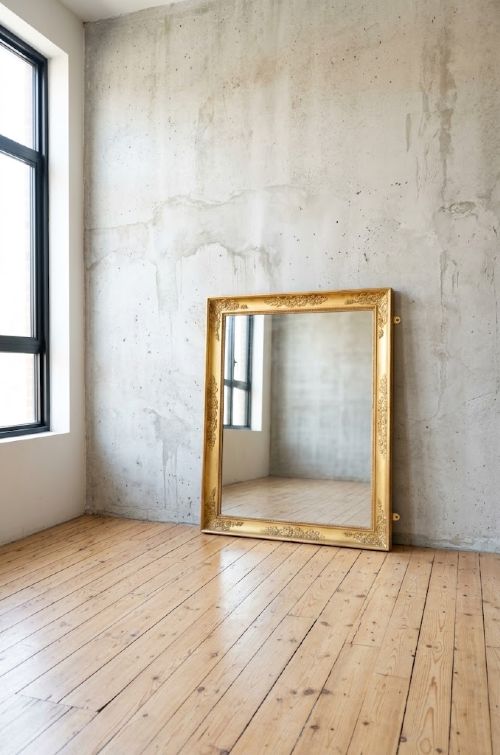
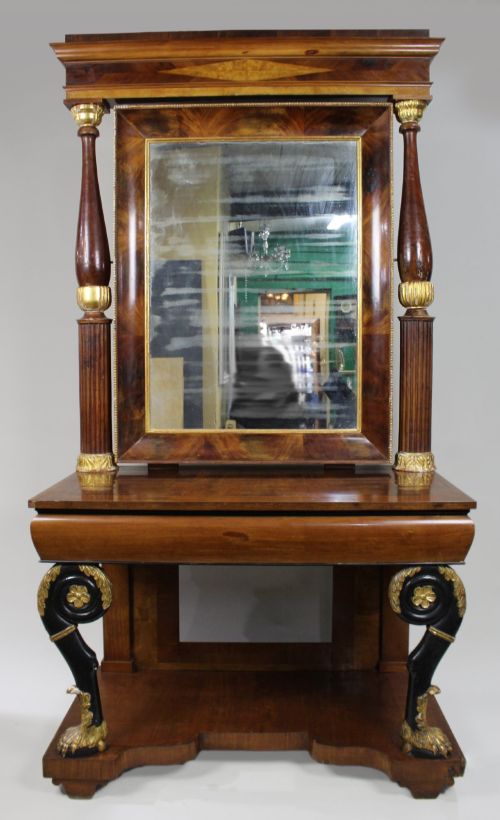
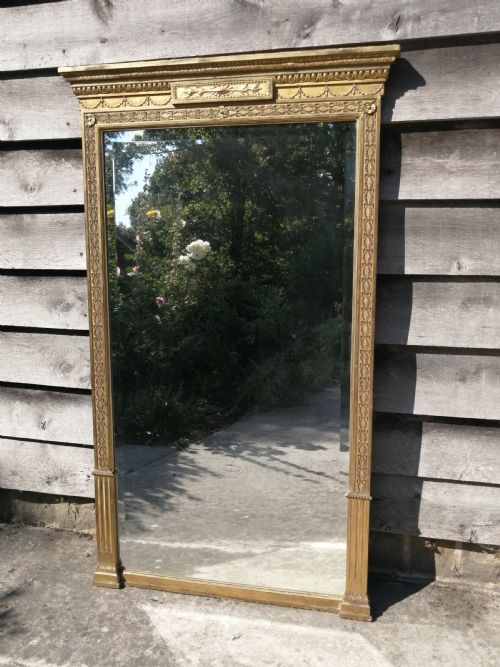
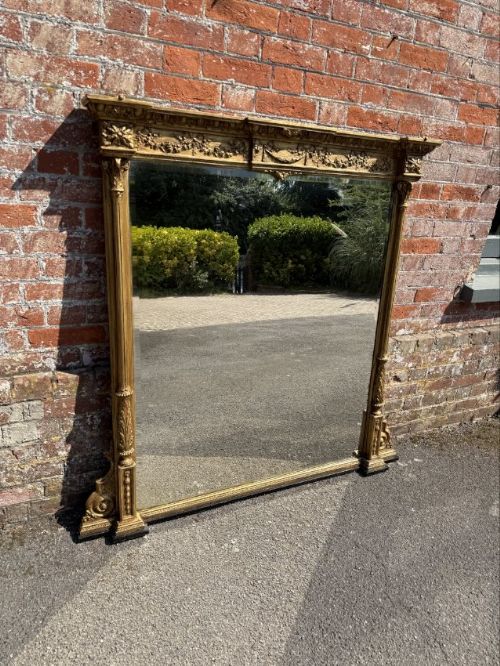


Classical Carved Wall Mirror
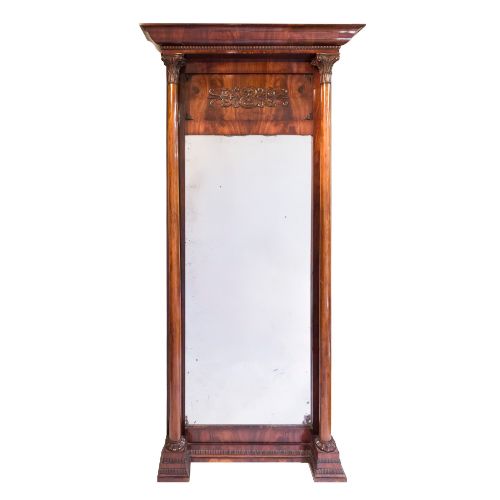
A classical carved wall mirror brings architectural proportion and light into a room, spanning Regency pier glasses and grand overmantel forms.
Classical Carved Wall Mirror
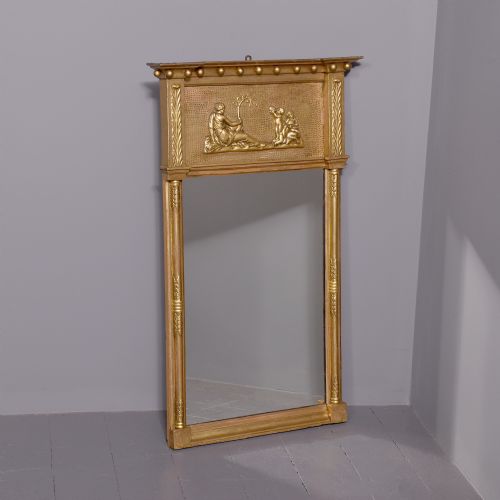
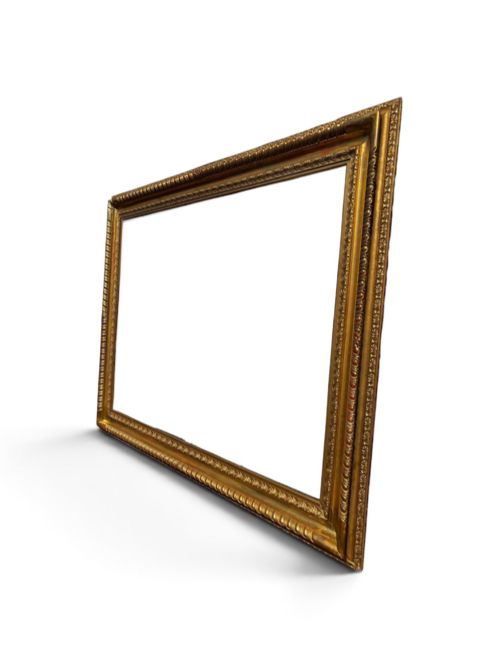
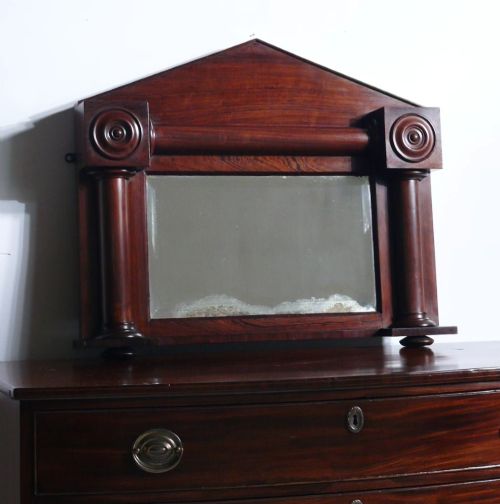
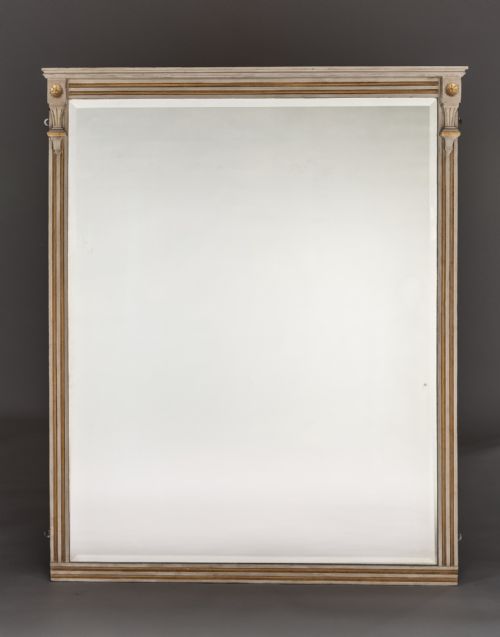
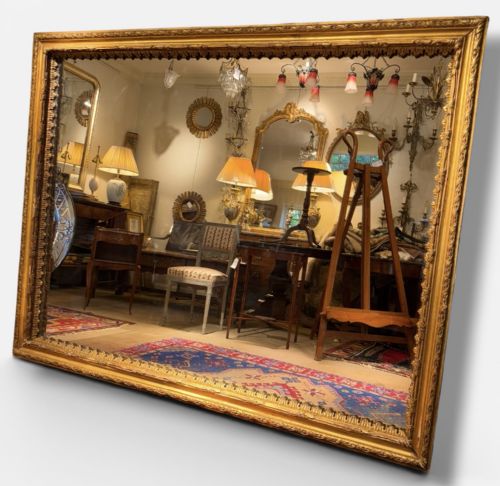
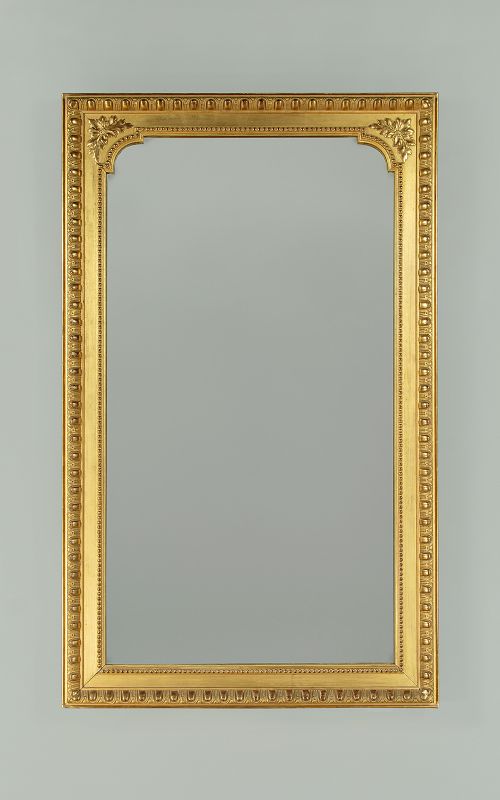
A classical carved wall mirror encompasses a wide selection of period looking-glasses designed to anchor a room, appearing frequently in Regency, Victorian, and Georgian styles. These pieces range from compact pier mirrors intended for spaces between windows to large overmantel frames built to sit above fireplaces. Common manifestations include giltwood frames adorned with classical motifs, architectural column details, and tripartite plates.
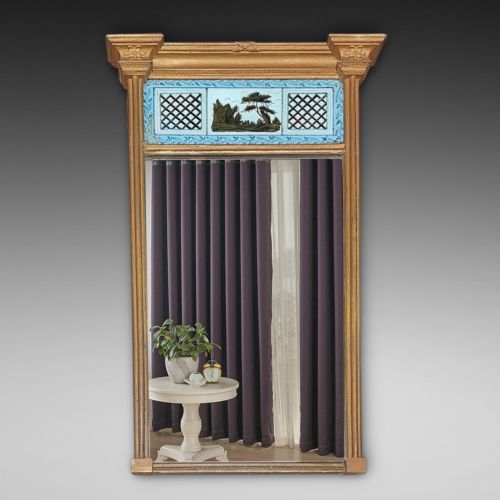
The selections span English and French workshops, encompassing tall decorative timber frames alongside stately trumeau mirrors inset with painted panels or verre eglomise glass. Buyers encounter both restrained mahogany examples and ornate, gilded compositions featuring floral and mythological carvings. Each object reflects the prevailing aesthetic of its decade, whether the sharp lines of the early nineteenth century or the heavier revival styles of the late Victorian era.
How They Were Made
Carved timber foundations of pine, mahogany, or rosewood provide the structural integrity for these frames, often enhanced with applied gesso to hold crisp ornamental details. Artisans then coated these surfaces in gold leaf or applied liquid gilding, creating a reflective finish that catches candlelight and natural daylight alike. Composition ornaments moulded from putty frequently supplement hand-carved wooden elements on intricate nineteenth-century frames.
Glass plates of the period involve mercury silvering or early mirror plate manufacturing techniques, sometimes accompanied by reverse-painted glass panels known as verre eglomise. Canvases and wooden backing boards protect the rear of the frames, held together with period fixings and original joinery methods. The integration of painted panels in trumeau designs requires careful alignment between the artwork and the main looking-glass.
Listings for this phrase encompass timber materials such as mahogany, rosewood, and giltwood alongside gesso and original mirror glass.
What Varies in Quality
The crispness of the carving dictates the distinction between standard production frames and exceptional pieces, particularly where gesso foliage and classical motifs meet the eye. Deeply undercut wooden details display the hand of a skilled artisan, whereas heavily moulded composition ornament can appear uniform and soft upon close inspection. Original gilding surfaces that retain their historical depth without excessive over-painting command greater appreciation among discerning collectors.
The integrity of the glass plate itself alters the character of the piece, with original bevelled or flat mirror plates bearing authentic age foxing rather than modern replacement glass. Frame construction methods, such as robust corner joining and intact original backing boards, separate durable antiques from structurally compromised examples. Scale and proportion also govern desirability, with grand-scale overmantels and well-balanced pier mirrors holding stronger architectural presence.
The Classical Carved Wall Mirror Glossary
- Giltwood
- Wood that has been coated with thin sheets of gold leaf over a prepared gesso ground. This technique creates a luminous surface characteristic of fine period mirrors.
- Pier Mirror
- A tall narrow looking-glass specifically designed to hang on the wall space between two windows. These pieces often sat above matching console tables.
- Verre Eglomise
- A process of cold painting and gilding on the reverse side of glass to produce a decorative panel. It frequently appears in the upper sections of Regency trumeau mirrors.
- Trumeau Mirror
- An architectural wall mirror that incorporates a painted panel or artwork directly above the glass plate. These French-origin pieces served to decorate entire wall sections between structural mouldings.
- Gesso
- A plaster-like mixture applied to wooden frame bases to provide a smooth surface for subsequent carving and gilding. It allows artisans to shape intricate relief ornamentation.
Classical Carved Wall Mirror: Frequently Asked Questions
How do I date a classical carved wall mirror?
Dating relies on examining the construction materials, joinery techniques, and stylistic vocabulary evident in the carving. Regency and Georgian examples display distinct architectural proportions, while later Victorian pieces often employ heavier revival motifs.
Secondary clues include the composition of the backing boards, the type of screws or nails used, and the method of silvering on the mirror plate. Comparing these physical traits with known period styles clarifies the decade of manufacture.
What is the difference between a pier mirror and an overmantel mirror?
Pier mirrors are traditionally taller and narrower, engineered to hang on the solid wall space or pier between two windows. They frequently accompanied console tables to create a unified interior scheme.
Overmantel mirrors are broader horizontally, designed specifically to mount directly above a fireplace mantelpiece. Their proportions complement the width of hearths and drawing room walls.
Should the mirror glass be original?
Original glass plates display characteristic signs of age, including light oxidation, foxing spots, and minor distortions that confirm period manufacture. These imperfections are valued by collectors for authenticating the piece.
Replacement glass is common due to the fragile nature of antique mirrors, but original plates preserve the historical integrity and visual depth of the object. Evaluating the silvering helps determine whether the glass matches the age of the frame.
How do I hang a heavy antique wall mirror safely?
Heavy giltwood and overmantel mirrors require professional wall fixings secured directly into structural studs or masonry rather than plaster alone. The weight distribution must be supported by robust hanging wire or brackets attached to the frame's main timbers.
Consulting a professional art installer ensures the frame is anchored securely at the correct height to prevent strain on the historical joints and original backing.