

Classical Mirror
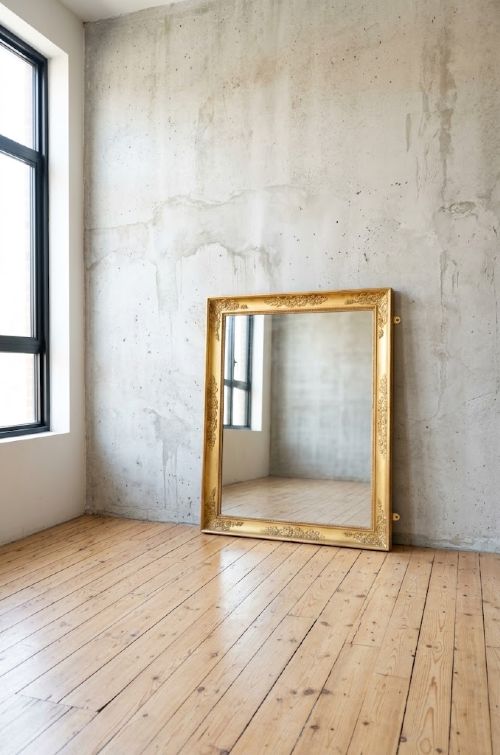
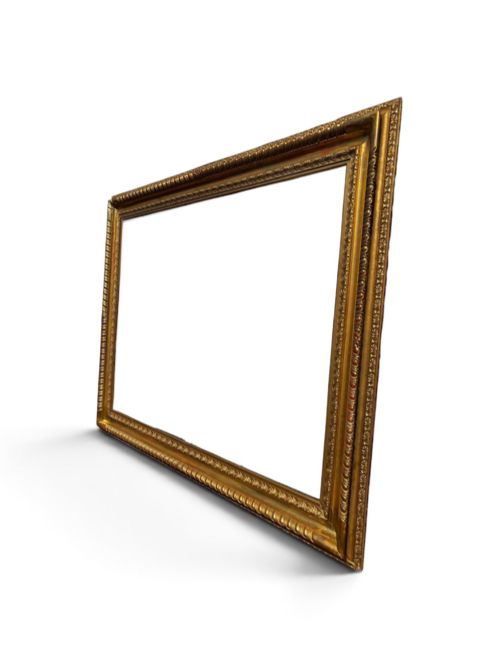
A classical antique mirror brings architectural weight and reflected light to a room through gilded gesso, carved wood, and period plates.
Classical Mirror
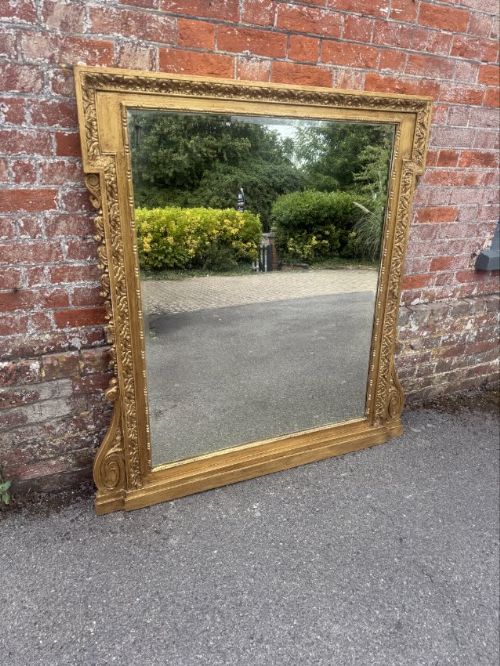
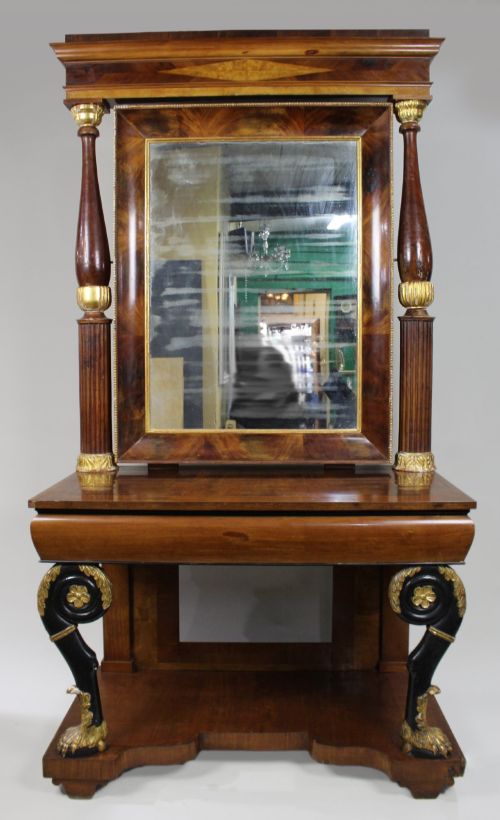
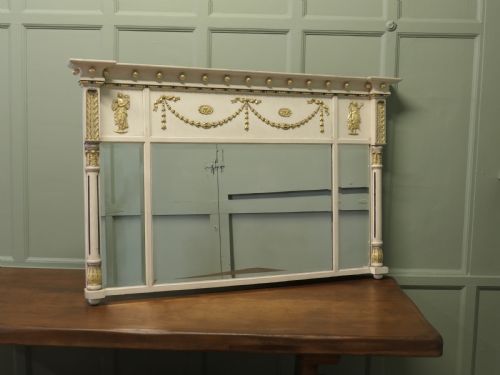
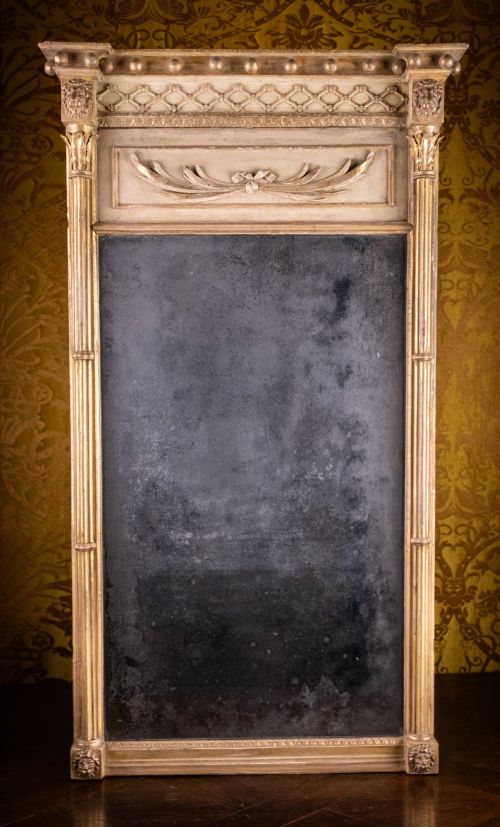
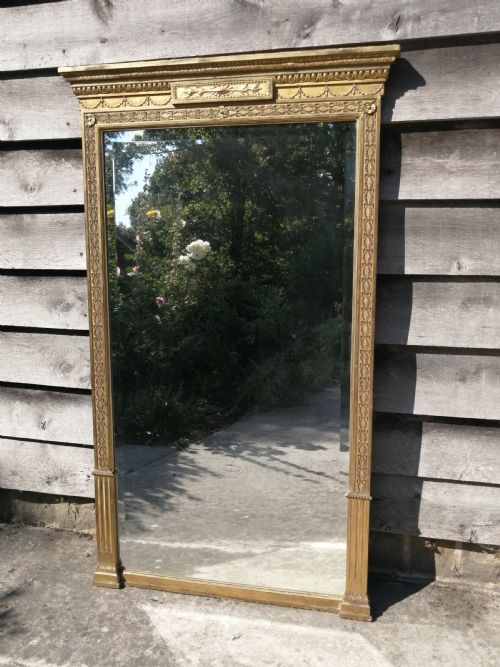
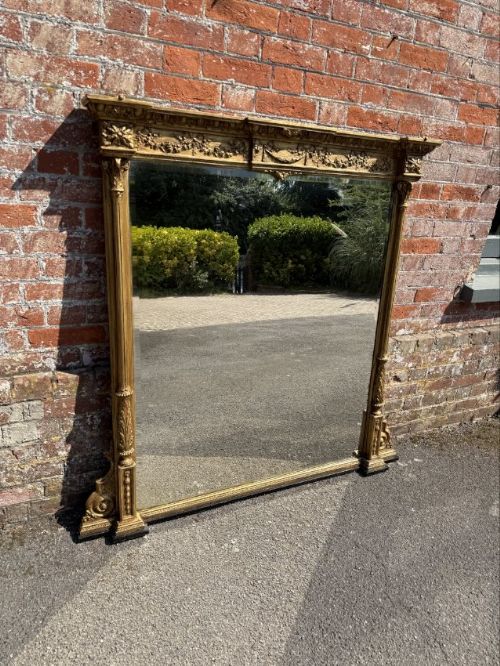
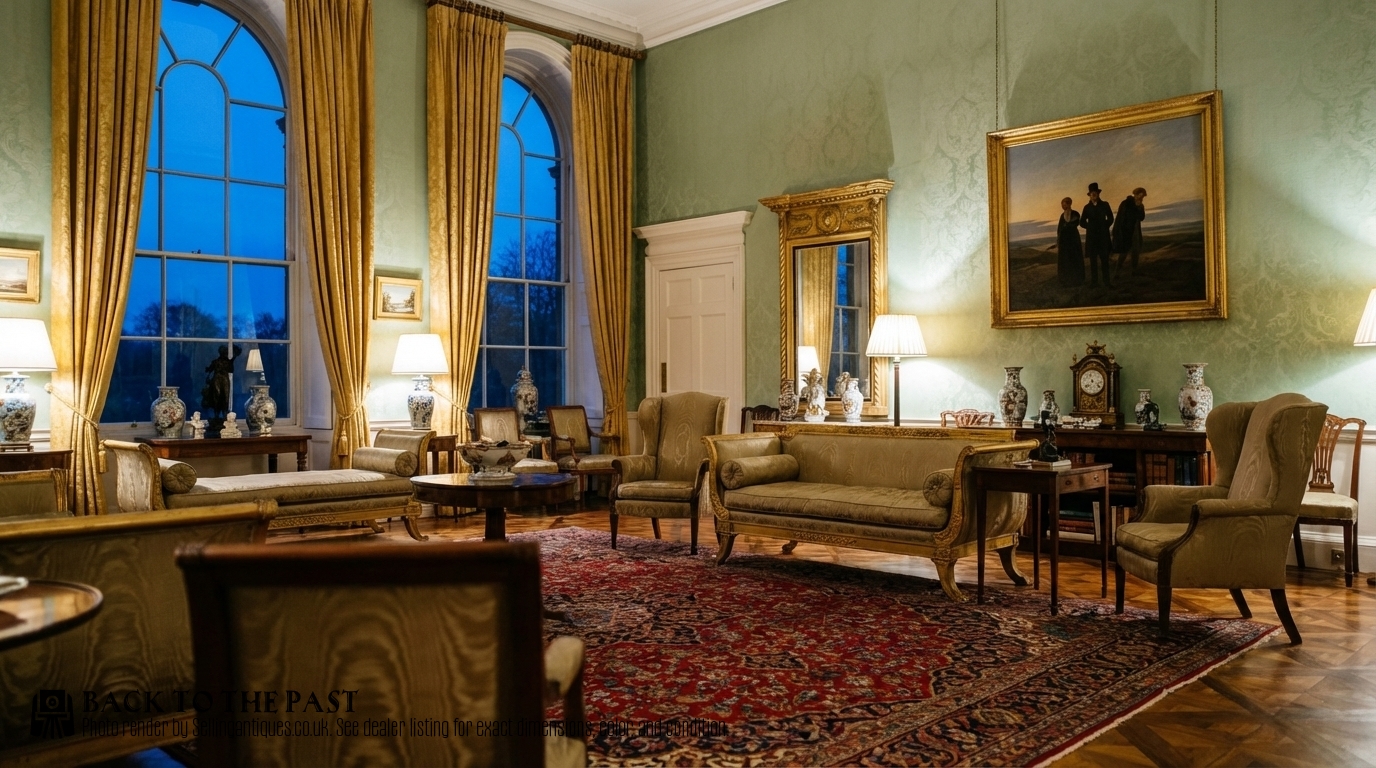
A classical antique mirror encompasses substantial wall hung items, grand overmantels designed for placement above fireplaces, and tall pier mirrors meant for the narrow wall spaces between windows. These pieces draw on Regency, Victorian, and Georgian traditions, carrying the formal restraint and ornamental motifs of neoclassical design.
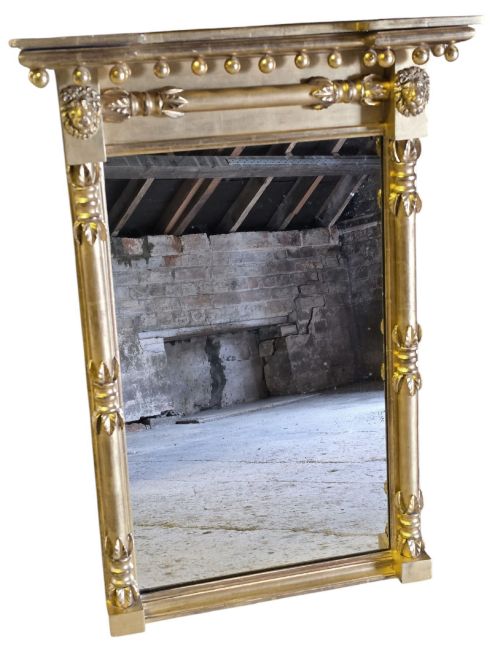
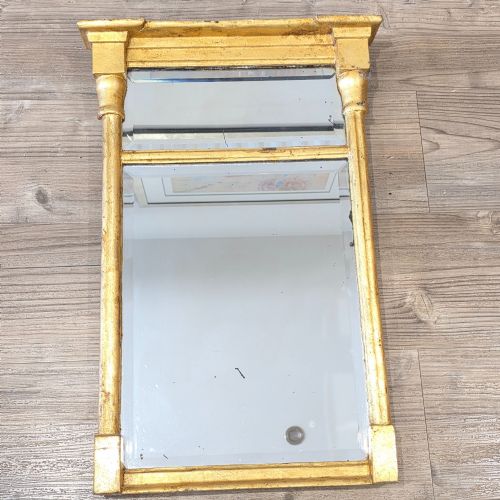
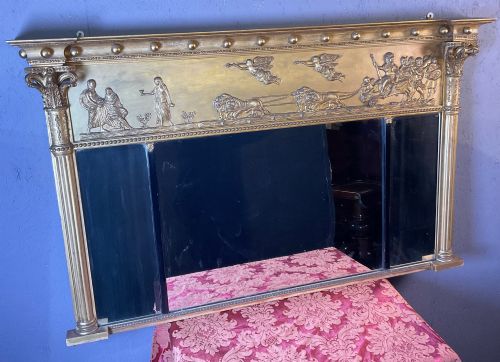
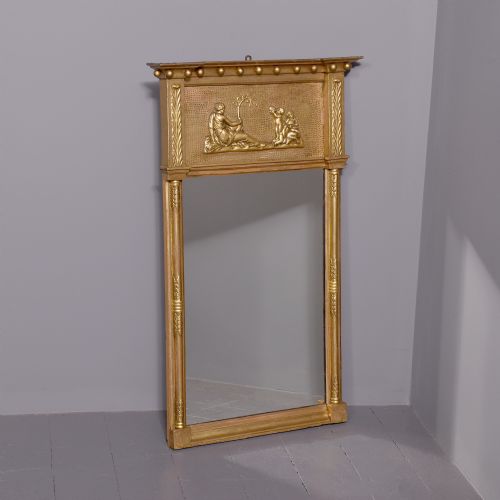
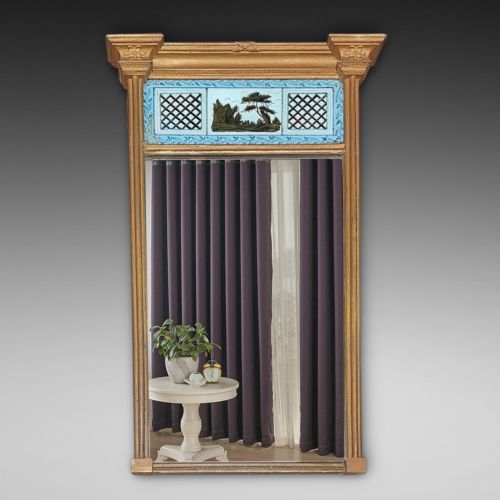
The version most commonly encountered on this page is the Regency or Victorian giltwood pier or overmantle mirror, frequently framed in gilded wood and gesso. Many examples incorporate architectural columns, verre eglomise panels, or decorative motifs such as lion masks and floral swags.
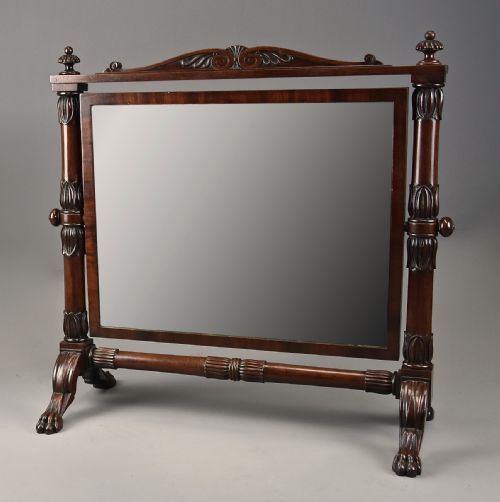
Originating across English and French workshops, these looking glasses served both functional and decorative roles in period interiors. Their forms range from landscape proportions suited to mantelpieces down to smaller console and dressing table mirrors.
Materials and construction
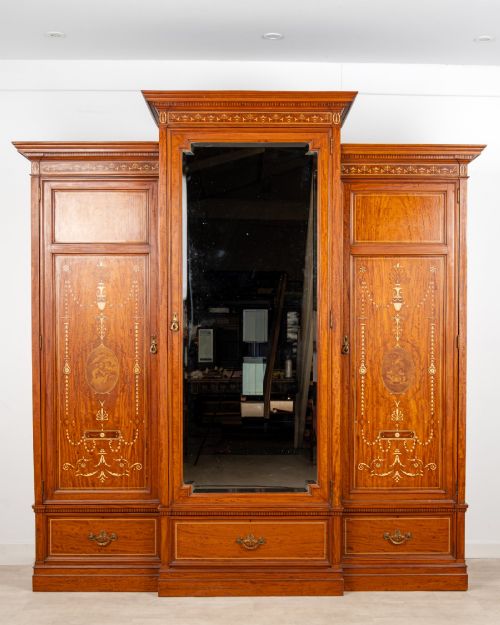
Makers built these frames using structural timbers such as mahogany, walnut, and satinwood, often applying a layer of gesso to carved wood surfaces to take fine detail. Artisans then gilded these prepared surfaces using gold leaf or applied paint and parcel gilt finishes.
Mirrors from the Regency and Victorian periods rely on traditional silvering techniques behind mirror glass, occasionally featuring original plates with subtle foxing or crackle finishes. Decorative elements like urns, swags, and figural carvings were modelled in relief on the gesso layer before finishing.
Some nineteenth-century mirrors have spent so long reflecting drawing rooms that they have quietly memorised the wallpaper of three different centuries.
Distinctions in execution
Quality rests in the crispness of the carved ornament and the depth of the gilding applied over the gesso ground. Superior examples display sharply defined architectural mouldings, well-modelled figures or lion masks, and harmonious proportions without clumsy repairs.
The integrity of the glass plate also separates tiers of execution, with original silvered mirror plates holding greater historical interest. Frames constructed from solid mahogany or finely grained rosewood demonstrate superior cabinetmaking compared to simpler utilitarian alternatives.
P and MA Nicholson·Thiebaut Freres
The Classical Mirror Glossary
- Gesso
- A plaster mixture applied to wood frames to create a smooth surface for gilding or painting. It accepts deep relief carving and moulding with precision.
- Verre eglomise
- A cold decoration technique where designs are painted and gilded on the reverse of glass panels. This process often appears on the upper sections of pier mirrors.
- Overmantel
- A large mirror specifically proportioned to hang on the wall above a fireplace mantel. These pieces frequently feature landscape orientations to fill the hearth space.
- Pier mirror
- A tall, narrow looking glass designed to hang on the wall space between two windows. They often paired directly with matching console tables.
- Parcel gilt
- A finishing method where only specific carved highlights on a painted or wood surface receive gilding. This technique accentuates structural details.
Classical Mirror: Frequently Asked Questions
How do I hang a heavy overmantel mirror?
These substantial frames require professional wall fixings secured directly into structural masonry or heavy timber studs. Distributing the weight evenly across multiple brackets protects the antique timber and gesso construction from undue strain.
Because many period pieces lack modern hanging hardware, a specialist art handler should assess the frame to install appropriate load-bearing D-rings or mirror plates.
Can antique mirror glass be replaced?
Original mirror plates often show oxidation, dark spots, and distortion known as foxing, which collectors value as proof of age. Replacing the glass with modern plate removes this historical character and alters the visual depth of the reflection.
When original glass remains intact and stable, retaining it preserves the authenticity of the piece. Conservation rather than replacement is generally the preferred approach for historical looking glasses.
Where should a pier mirror be placed?
Historically, pier mirrors hung on the narrow wall between two windows to bounce natural light back into the room. Placing one above a low side table or console creates a balanced focal point in a hallway or reception room.
Matching the scale of the mirror to the available wall width ensures the architectural frame commands the correct visual presence without overwhelming the furniture below it.
How do I tell Regency from Victorian mirrors?
Regency mirrors dating from the early nineteenth century frequently feature crisp classical restraint, verre eglomise panels, and bold giltwood architectural framing. They often incorporate motifs like ball-stud cornices and heavy bullion fringes or ebonised reeded details.
Victorian interpretations from later in the nineteenth century lean towards heavier gesso ornamentation, revival styles, and painted or parcel-gilt finishes. These later pieces often display more exuberant floral carvings and eclectic classical revivals.