



Classic Brass Mantel Clock
A classic brass mantel clock brings mechanical precision and stately metalwork into a room, serving as both timekeeper and sculptural centrepiece.
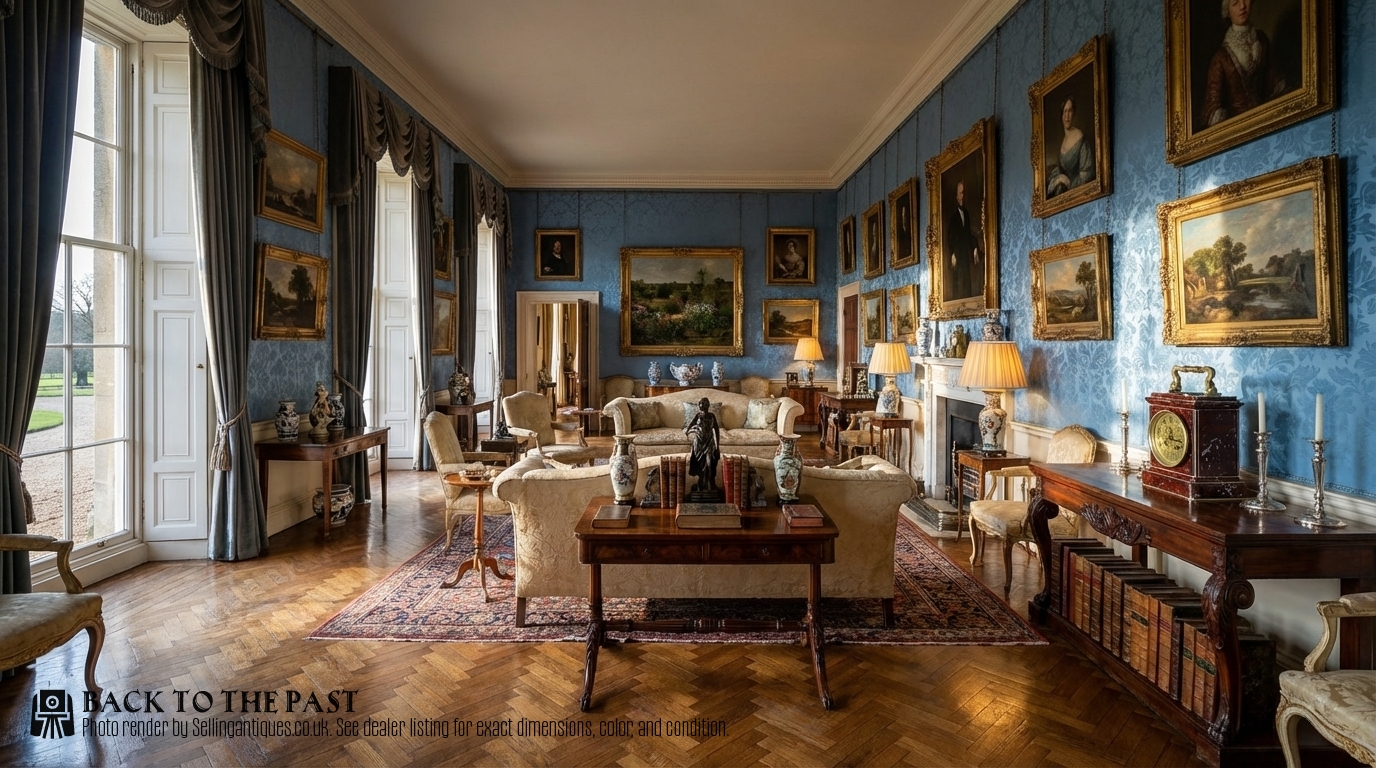
Classic Brass Mantel Clock
When searching for a classic brass mantel clock, buyers encounter a diverse selection ranging from heavy Victorian carriage clocks to ornate French mantel pieces and mid-century designs. These objects combine timekeeping utility with decorative presence, designed specifically to sit upon a shelf or mantelpiece.
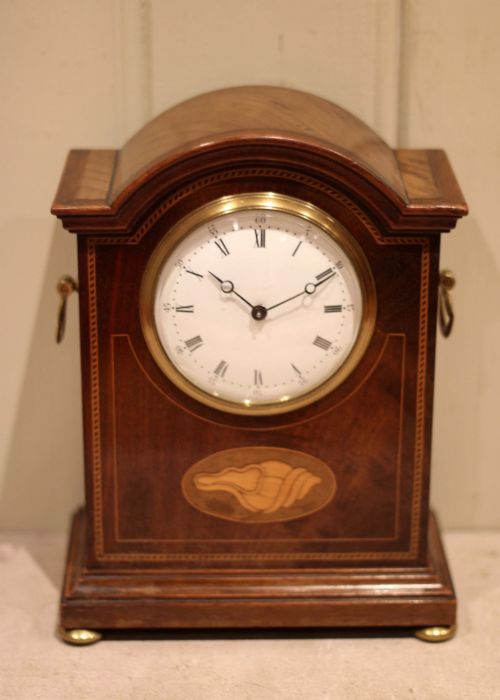
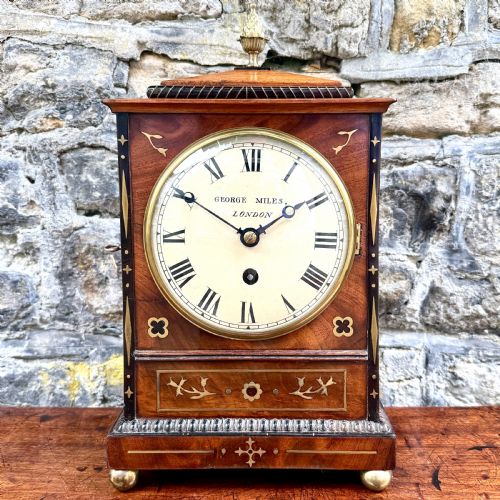
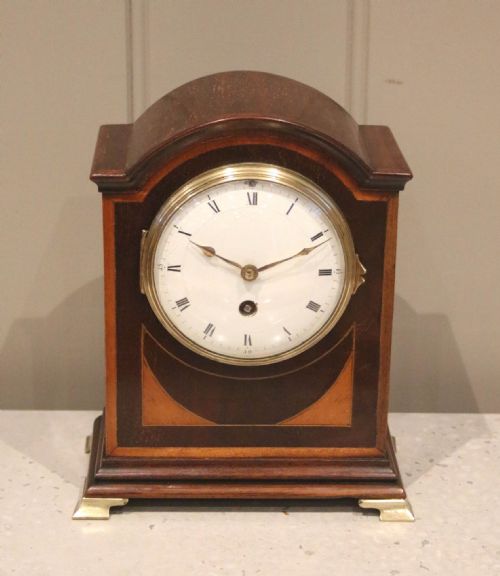
The material palette recorded in current examples relies heavily on brass, gilt brass, and ormolu, frequently paired with glass panels, enamel dials, and timber cases of mahogany, oak, or walnut. Forms vary from sturdy table clocks and monumental portico designs to delicate boudoir pieces and Atmos mechanisms.
Dating across the selection spans from the Regency and Georgian eras through the nineteenth century into Edwardian and mid-century periods. Buyers will frequently find nineteenth-century carriage clocks alongside twentieth-century mechanical or Atmos iterations.
Materials and construction
The fabrication of these pieces relies fundamentally on cast and polished brass, ormolu, and gilt brass, often combined with structural timber frames in mahogany, walnut, or oak. Glass panels are integrated to protect delicate dials and expose the movement, while enamel serves as the traditional surface for painted numerals.
Cabinetmakers and metalworkers employed sophisticated techniques such as satinwood inlay, lemon wood detailing, and intricate bronze casting to ornament the housings. Movements themselves utilised precise gear trains, fusee mechanisms, and knife-edge suspension systems to ensure accurate timekeeping.
The selection includes mantel clocks, bracket clocks, carriage clocks, and Atmos models from diverse European workshops.
Distinctions in quality
Quality across these pieces is determined by the crispness of the brass casting, the depth of the gilding or ormolu, and the refinement of any timber inlay work. Pieces featuring signed movements by known makers or complex striking trains generally represent a higher standard of manufacture.
The integrity of the glass panels, the legibility and condition of the enamel dial, and the original patination of the metal surfaces all contribute to the overall merit of an example. Superior execution is visible in the smooth integration of the brass housing with its accompanying timber or marble case.
Charles Frodsham & Holingue Frères·Dent of London·James Murray London·Jaeger Le Coultre·DeLa Salle And Christie
The Classic Brass Mantel Clock Glossary
- Ormolu
- Gilded bronze, used extensively for decorative mounts on nineteenth-century clock cases. The technique involves applying a mercury and gold amalgam to cast bronze before heating.
- Carriage clock
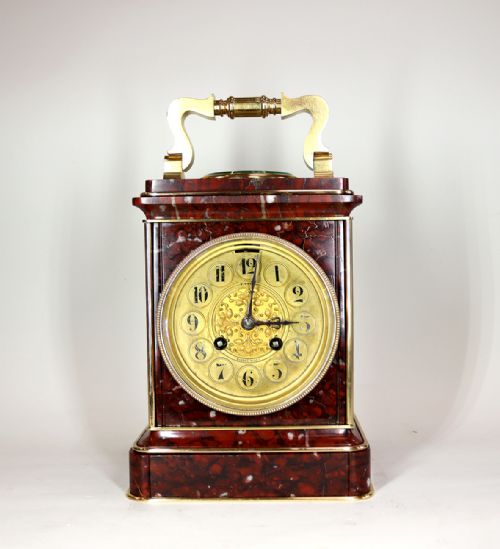
- A portable timekeeper originally designed for travelling during the nineteenth century. These pieces typically feature a brass case with glass sides and a carrying handle on top.
- Fusee
- A conical pulley used in mechanical clocks to maintain even tension on the gear train as the mainspring unwinds. This mechanism ensures consistent timekeeping accuracy.
- Portico clock
- A clock housed within a architectural frame resembling a classical portico, supported by pillars. They are frequently constructed from mahogany and ornamented with ormolu.
- Atmos clock
- A mechanical timepiece manufactured by Jaeger-LeCoultre that is powered by subtle temperature fluctuations in the surrounding air. It requires no manual winding.
Classic Brass Mantel Clock: Frequently Asked Questions
How do I wind a mantel clock?
Most mechanical mantel clocks utilise a key inserted into winding arbours on the dial face to tension the internal springs. Care must be taken not to over-wind the mechanism.
Consulting the specific requirements of the movement ensures the clock maintains steady operation without placing undue stress on the internal components.
Where should I place a carriage clock?
Carriage clocks are designed for stable surfaces away from direct sunlight, excessive moisture, and heavy vibrations. A level mantelpiece or sturdy desk provides an ideal environment.
Because many examples feature delicate glass panels and intricate brass work, positioning them out of high-traffic areas prevents accidental knocks.
What is a double fusee movement?
A double fusee movement drives both the timekeeping train and the striking train independently using separate tapered pulleys and chains. This configuration delivers equal power distribution throughout the operational cycle.
Clocks featuring this mechanism are typically associated with higher levels of nineteenth-century horological craftsmanship.
How do I identify the period of a clock?
Dating relies on examining stylistic indicators such as case timber, dial design, metal finishing techniques, and any maker signatures. Regency and Georgian pieces often display restrained mahogany veneers, whereas Victorian examples favour heavier cast brass and architectural stone.
Comparing these physical characteristics with recorded historical examples helps narrow down the decade of manufacture.