




Chippendale Rococo Mirror
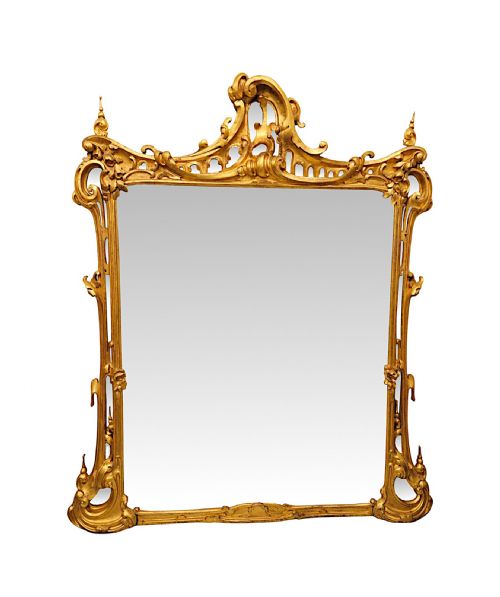
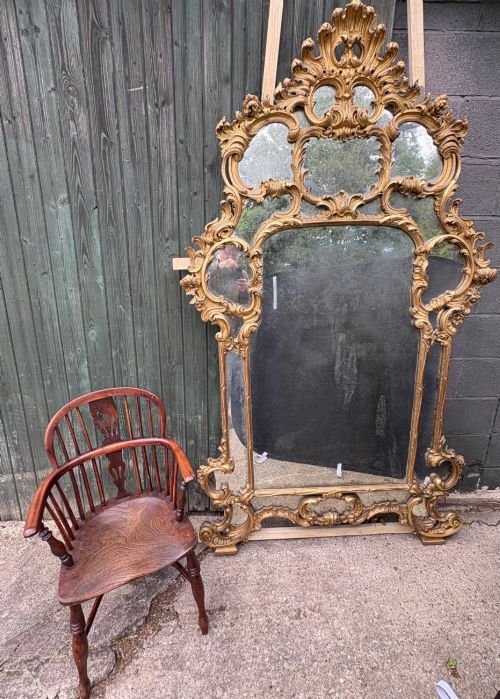
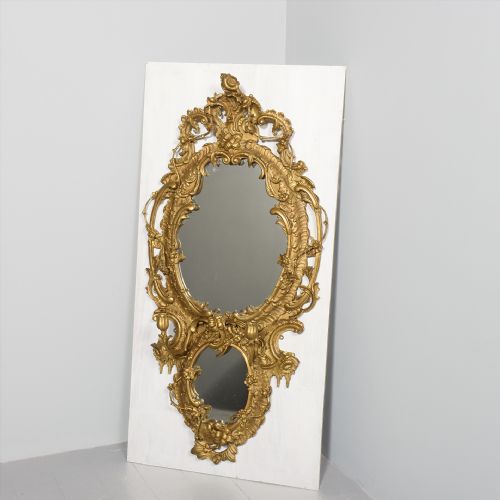
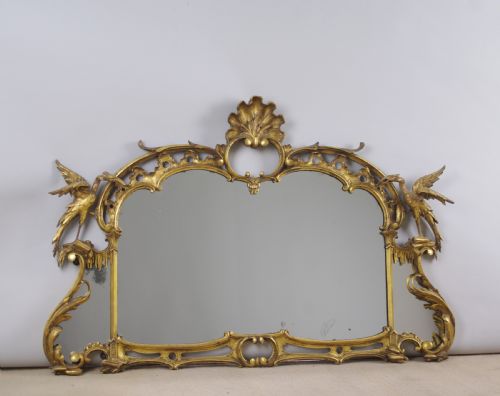
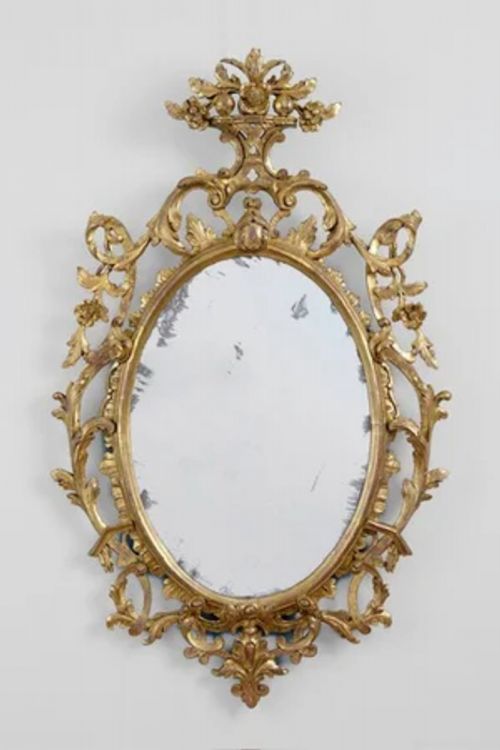
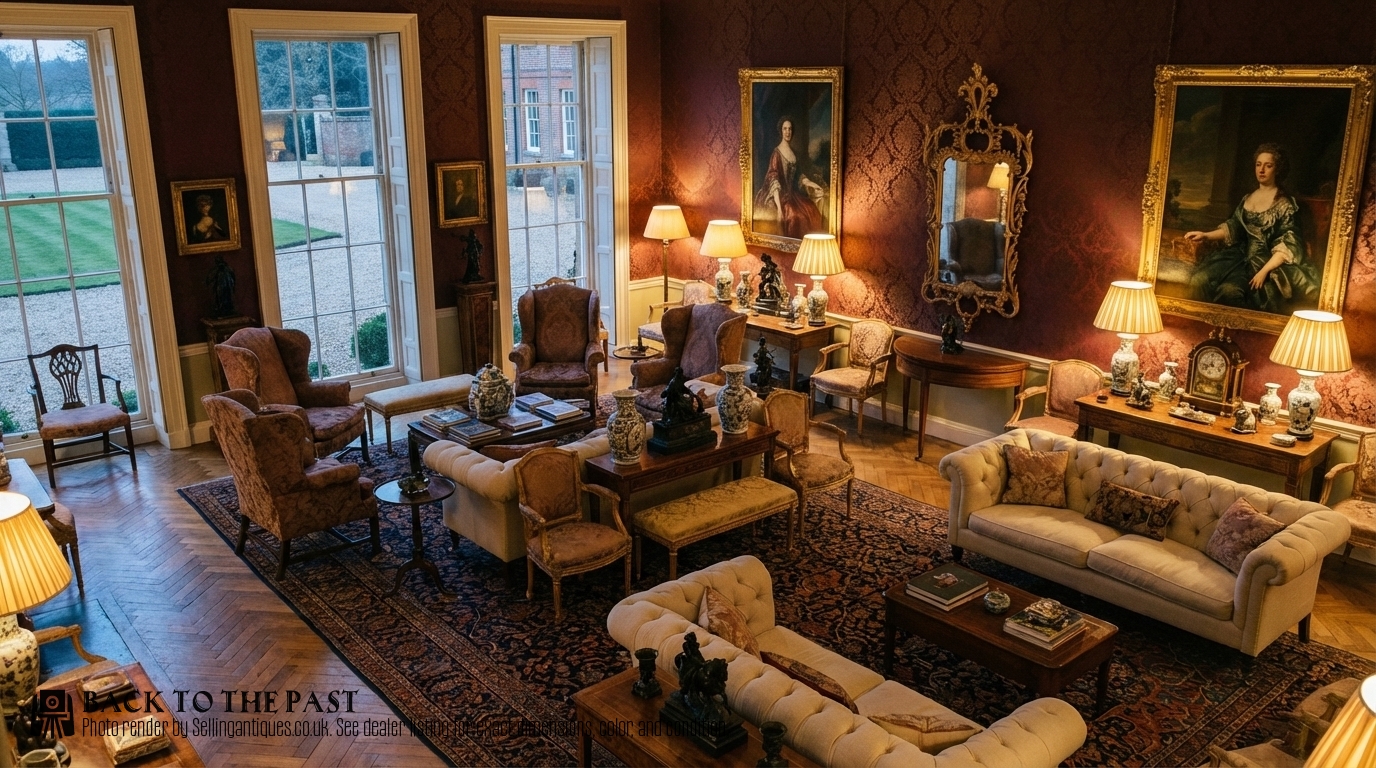
A chippendale rococo mirror brings asymmetric carved frames, gilded surfaces and classical eighteenth-century forms into a room.
Chippendale Rococo Mirror
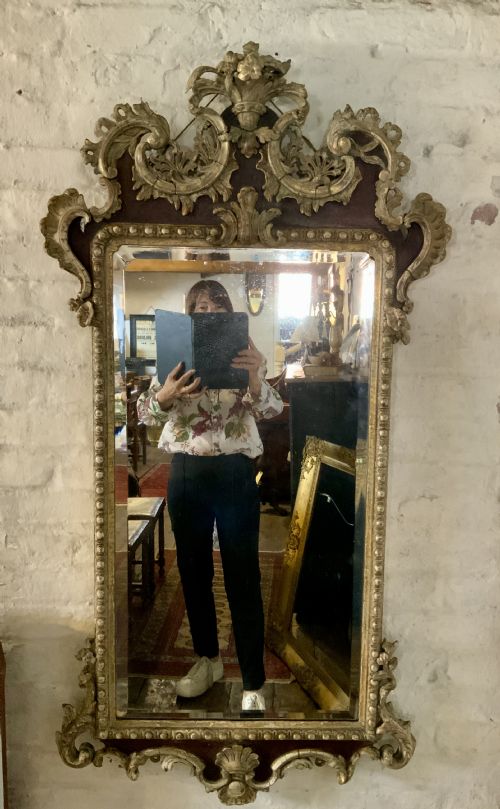
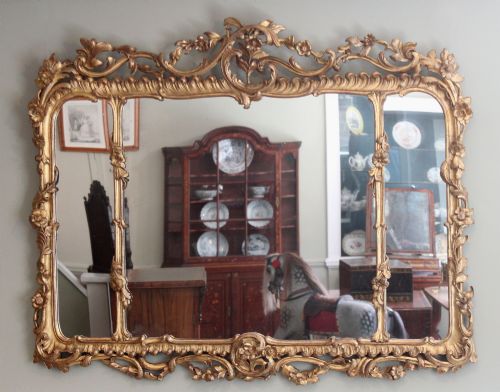
A chippendale rococo mirror is a carved wooden wall hanging or overmantel piece defined by eighteenth-century English design principles and asymmetric scrollwork. The examples you encounter on this page span from original eighteenth-century Georgian pieces to later nineteenth-century revivals and early twentieth-century interpretations.
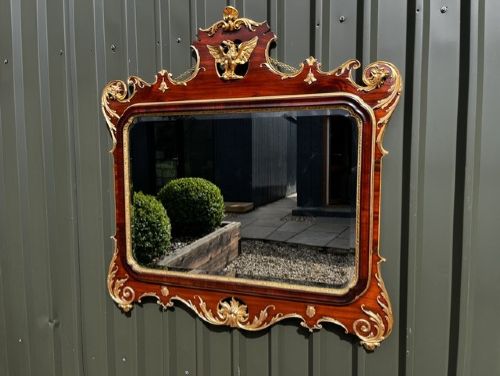
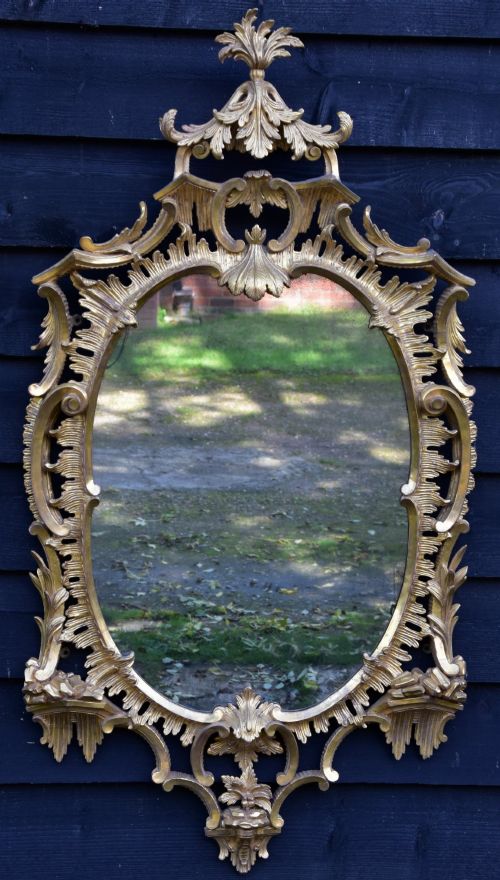
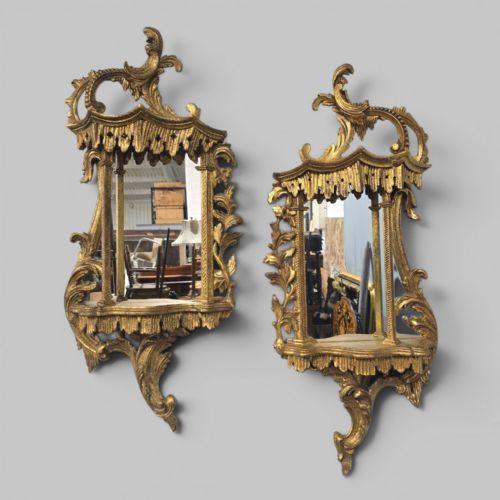
The primary forms take shape as vertical wall mirrors, horizontal overmantels, and pier glasses designed to hang between windows. They frequently incorporate whimsical motifs such as Ho Ho birds and squirrels nestled within intricate pierced fretwork frames.
While original eighteenth-century pieces emerge from the Georgian and George III periods, many listings reflect the Victorian era, Edwardian period, and later revival movements. These later pieces replicate the elaborate craftsmanship of the earlier decades using similar woods and gilt finishes.
How They Were Made
The frames rely on timber foundations such as mahogany, pine, walnut, sycamore, and carved wood, which provide sturdy structural integrity. Artisans shaped these woods through detailed carving before applying decorative gesso layers to prepare the surface for gilding.
Giltwood and gold leaf finishes dominate the aesthetic, applied over gesso to catch the light in domestic interiors. Parcel gilt accents also appear, combining exposed wood grains with selective gold leaf highlighting to create tonal contrast.
Materials recorded across the inventory include giltwood, gesso, mahogany, pine, and carved wood.
What Varies in Quality
Depth and crispness in the wood carving separate masterwork pieces from simpler production. Superior examples exhibit undercut foliage, sharp scroll tips, and meticulously rendered birds rather than shallow, softened contours.
The execution of the gilding and the preservation of the original gesso foundation dictate the visual coherence of the surface. Finer mirrors maintain integrated layers of gold leaf that have aged uniformly without heavy modern intervention.
The Chippendale Rococo Mirror Glossary
- Giltwood
- Wood that has been coated with gold leaf or gold paint. This technique gives frames a brilliant metallic sheen that defines the rococo aesthetic.
- Gesso
- A plaster-like mixture applied to wood frames to create a smooth surface for carving and gilding. It allows for crisp, intricate detail work.
- Fretwork
- Ornamental design created by cutting patterns through thin wood using a piercing technique. This is common in Chinese Chippendale style frames.
- Overmantel mirror
- A large horizontal mirror designed specifically to hang above a fireplace mantel. They often feature expansive glass plates and elaborate crestings.
- Pier glass
- A tall, narrow mirror designed to hang on the wall space between two windows. These pieces maximise light reflection in eighteenth-century rooms.
Chippendale Rococo Mirror: Frequently Asked Questions
How do I date a chippendale rococo mirror?
Dating relies on examining the construction timber, the composition of the gesso, and the wear patterns on the mirror plate. Eighteenth-century pieces often show hand-carved tool marks and period-specific framing techniques.
Later revival pieces from the nineteenth and twentieth centuries may utilise machine-cut elements or different backing boards. Comparing the style of the carving against documented Georgian design helps confirm the era of origin.
Where should I hang an overmantel mirror?
An overmantel mirror traditionally hangs centrally above a fireplace mantelpiece to anchor the room's decorative scheme. Its horizontal proportions complement the width of the hearth below.
Ensure the wall fixings securely support the weight of the carved wood and glass frame. Positioning the mirror opposite a window also helps maximise natural light distribution throughout the space.
What is Chinese Chippendale style?
Chinese Chippendale incorporates Asian-inspired motifs such as pagodas, cascading foliage, and exotic birds into traditional English furniture designs. These elements appear frequently in the pierced fretwork of eighteenth-century and revival mirrors.
The inclusion of creatures like Ho Ho birds adds a playful narrative element to the intricate wooden framing. This style reflects the broader European fascination with East Asian art during the Georgian period.