
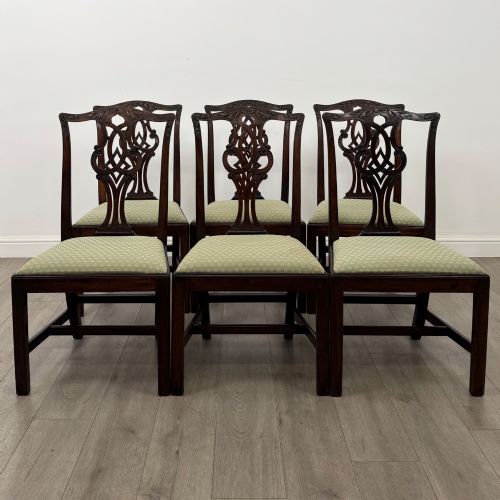
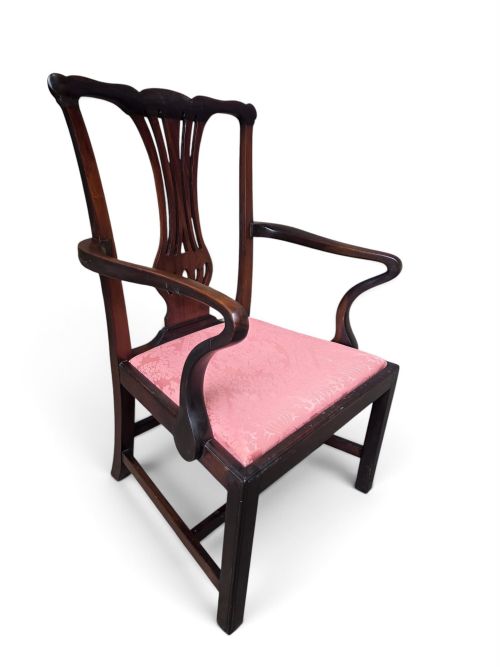
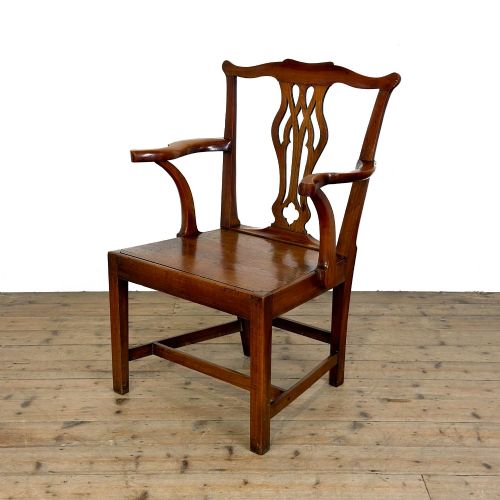
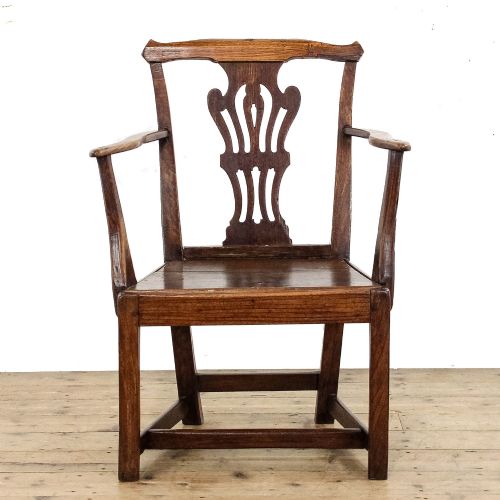
Chippendale Pierced Splat Chair
A chippendale pierced splat chair brings tactile architectural depth and balance to a room, uniting functional seating with classic eighteenth-century cabinet-making.
Chippendale Pierced Splat Chair
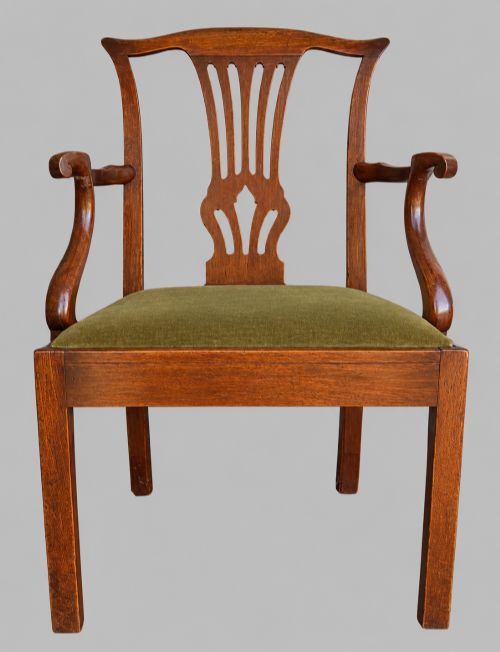
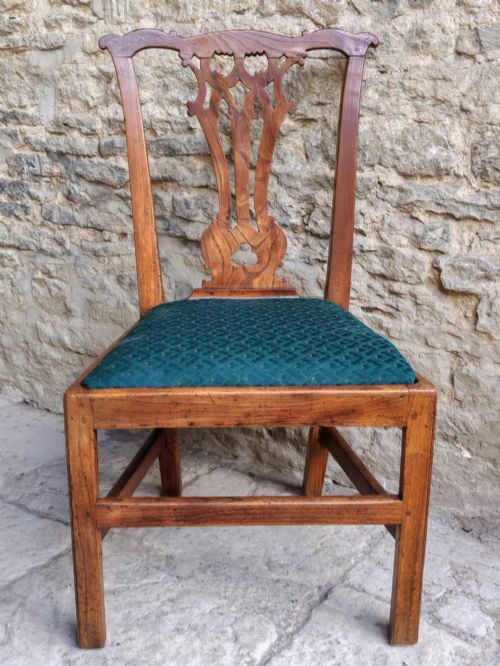
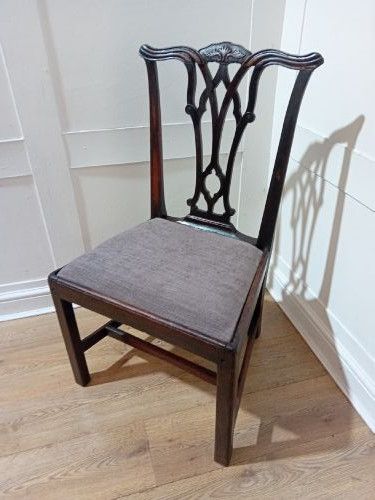
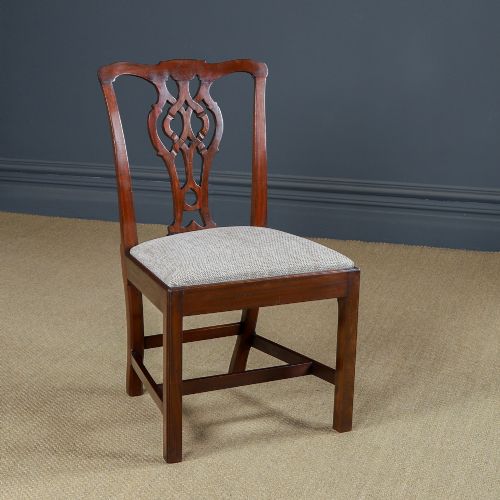
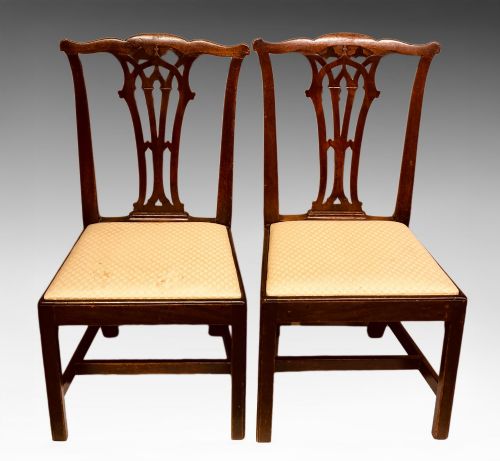
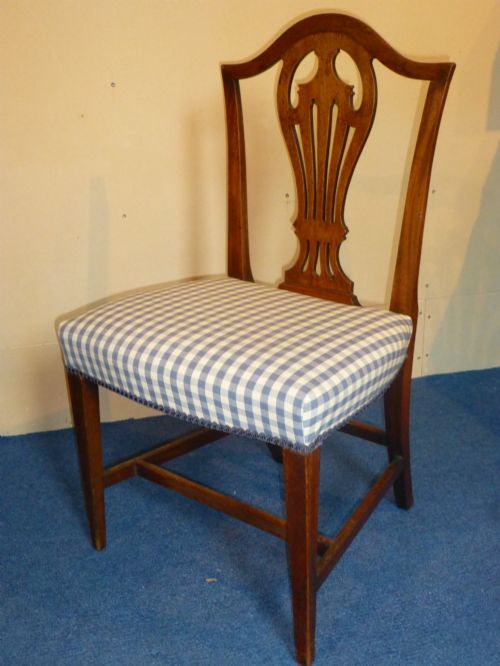
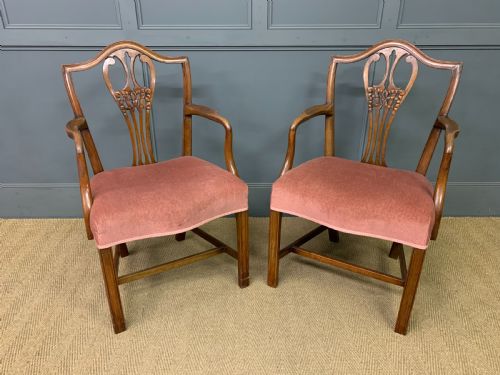
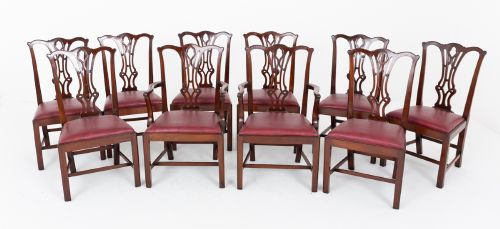
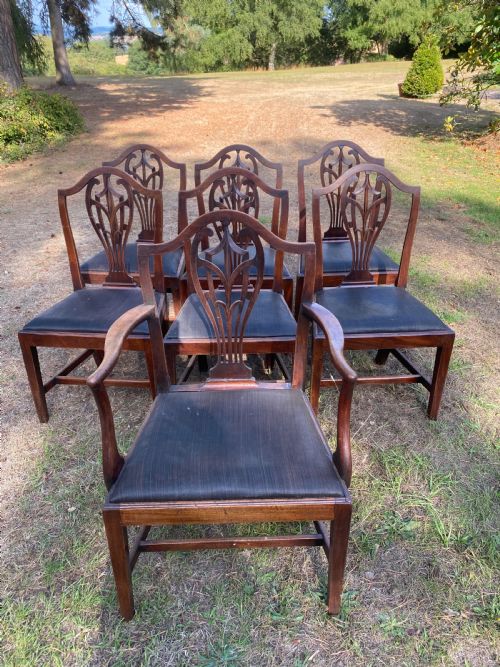
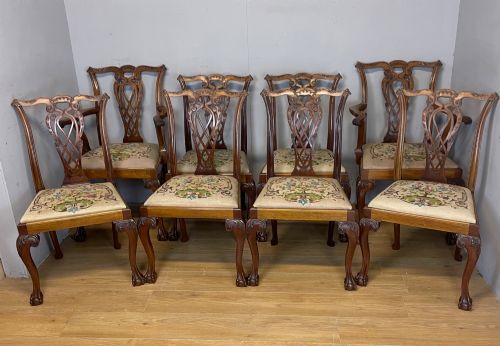
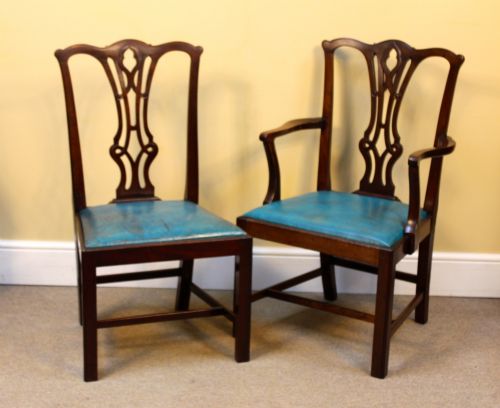
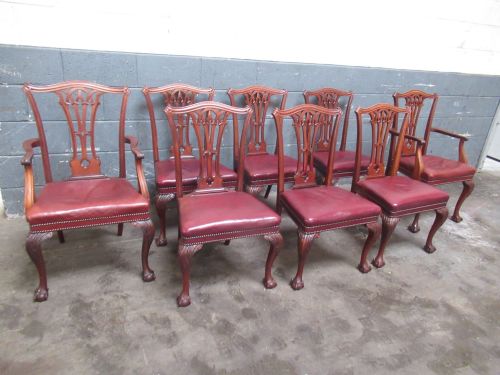
A chippendale pierced splat chair is defined by its characteristic openwork backrest design, appearing predominantly as dining chairs, armchairs, and side chairs across this selection. The physical inventory spans the eighteenth century through to later revival periods, bringing together authentic Georgian period pieces and nineteenth to early twentieth-century interpretations.
Materials and construction
Cabinet-makers relied heavily on dense tropical hardwoods, predominantly mahogany, alongside native timbers such as walnut, oak, elm, and fruitwood to build structural integrity into slender pierced backs and cabriole legs. Traditional joinery methods secured the carved splats into sturdy chair frames designed to withstand daily upright use.
Upholstered drop-in seats were routinely finished in fabric, leather, velvet, or textile, while wooden seats remained common for hall and side chairs. Brass fittings occasionally appear on specific desk and library variations.
Listings span multiple centuries, ranging from eighteenth-century George III pieces to nineteenth-century Victorian Chippendale revivals and early twentieth-century examples.
Distinctions in craftsmanship
Quality rests in the crispness and depth of the carved woodwork, particularly along the ribbons, scrolls, and interlaced geometry of the pierced splat. Subtle variations in timber selection and the fluidity of the carved crest rail separate standard production from exceptional cabinet-work.
The architectural proportion of the frame, the integrity of the joints, and the preservation of original timber surfaces dictate the standing of each individual chair within the historical spectrum.
Warings
The Chippendale Pierced Splat Chair Glossary
- Splat
- The vertical wooden strip running from the centre of the seat up to the top rail of a chair back. In these pieces, it is carved and pierced into intricate geometric or ribbon patterns.
- Elbow chair
- An alternative term for an armchair or carver, featuring low supporting arms designed for comfort in a desk or dining setting.
- George III
- The period spanning from 1760 to 1820, encompassing the height of English classical furniture design and proportional balance.
- Chippendale Revival
- A later nineteenth or early twentieth-century period where makers consciously recreated the distinctive aesthetic of eighteenth-century models.
- Side chair
- An upright chair without arms, traditionally used alongside dining tables or positioned against hallway walls.
Chippendale Pierced Splat Chair: Frequently Asked Questions
How do I spot an eighteenth-century original?
Examine the timber shrinkage, construction joints, and hand-cut joinery marks underneath the seat frame. Eighteenth-century examples display natural patination and tool methods distinct from later revival work.
Compare the carving depth on the splat and the wear patterns around the feet with dated pieces from the same decades.
Were these chairs used at dining tables?
Dining chairs and matching sets formed a primary use for these forms from the Georgian era onward. Larger sets were built to accommodate dining rooms in substantial houses.
Armchairs and elbow variants were frequently placed at the heads of tables or utilised as desk seats.
How do I care for mahogany and walnut frames?
Maintain stable indoor humidity levels and keep wooden surfaces away from direct heat sources to prevent timber splitting. Regular dusting with a soft cloth preserves the historic polish.
Avoid commercial silicone sprays and consult a conservator if structural consolidation becomes necessary.
What is the difference between George III and revival pieces?
George III pieces date from the eighteenth century, carrying the wear and structural methods of that specific working period. Revival pieces originate from later decades like the Victorian or Edwardian eras.
Revival versions mirror the earlier aesthetic but utilise nineteenth or twentieth-century workshop practices and machine-assisted joinery.