
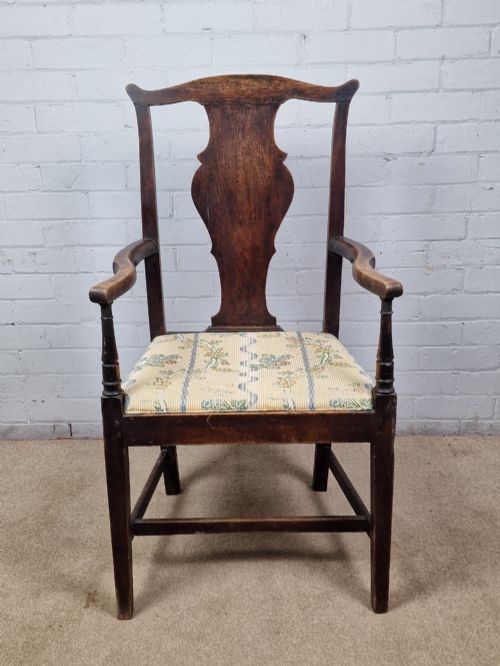
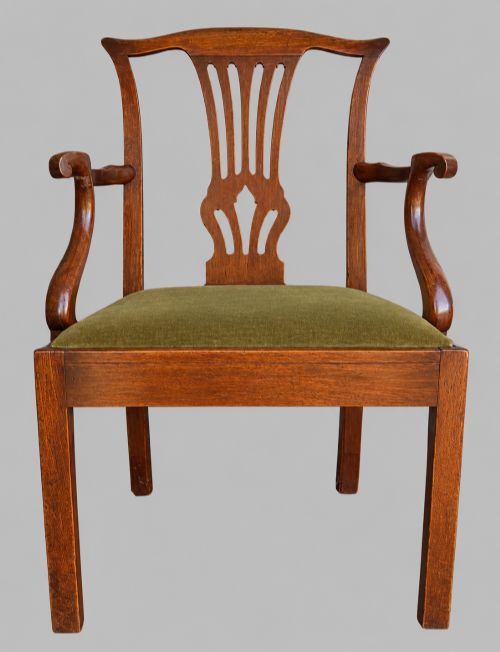
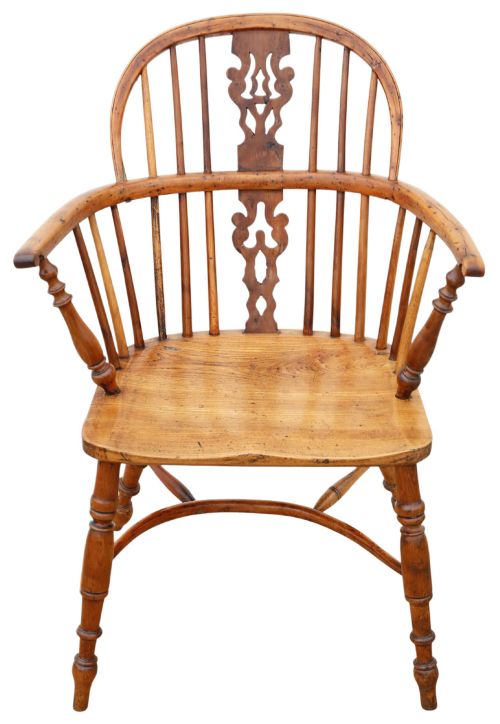
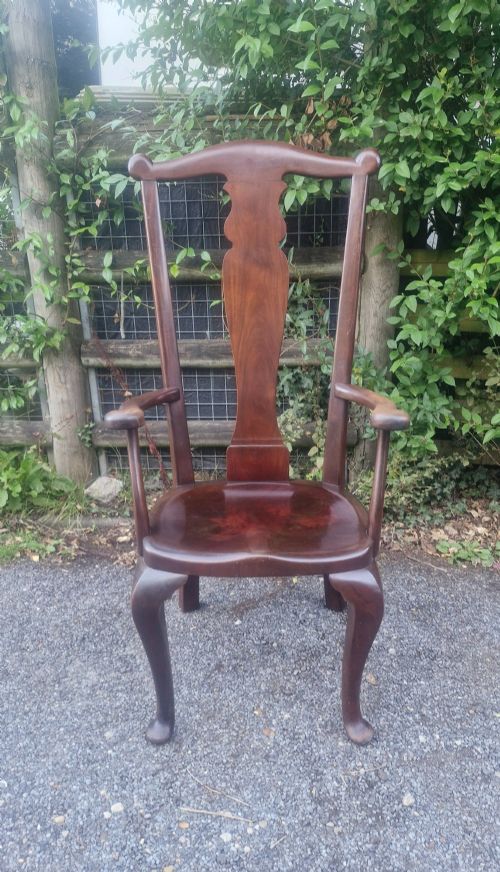


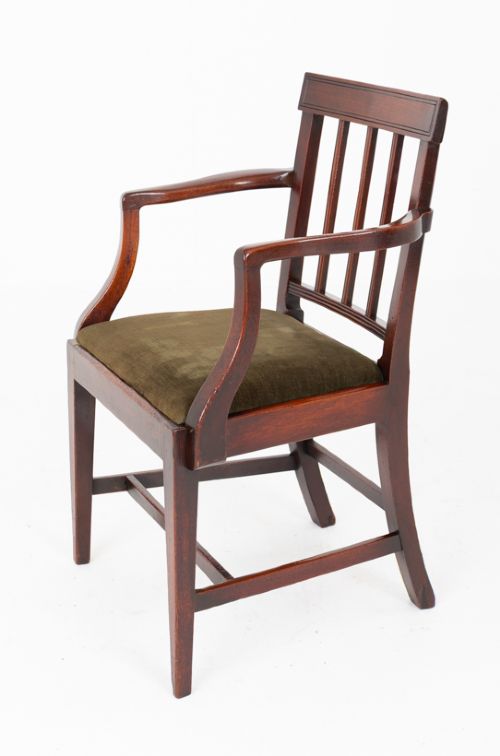
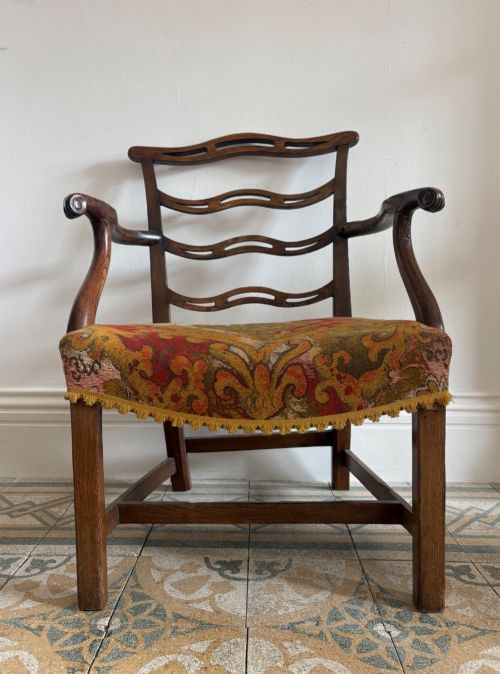
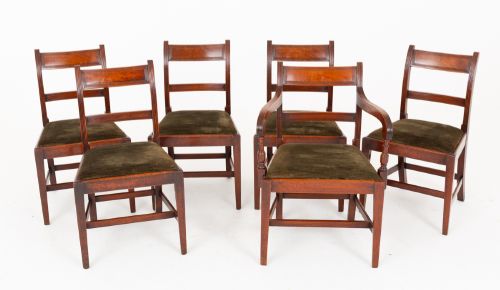
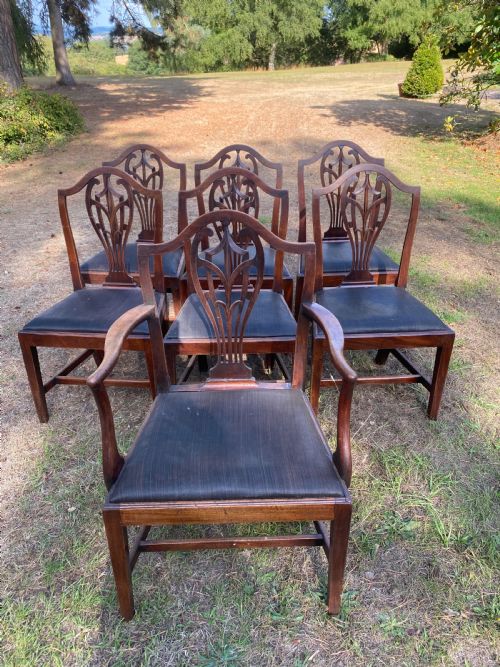
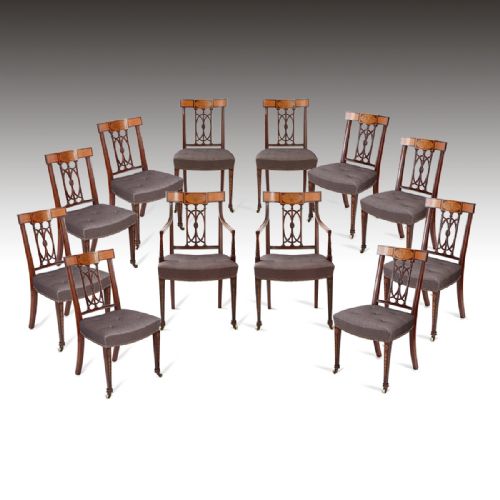
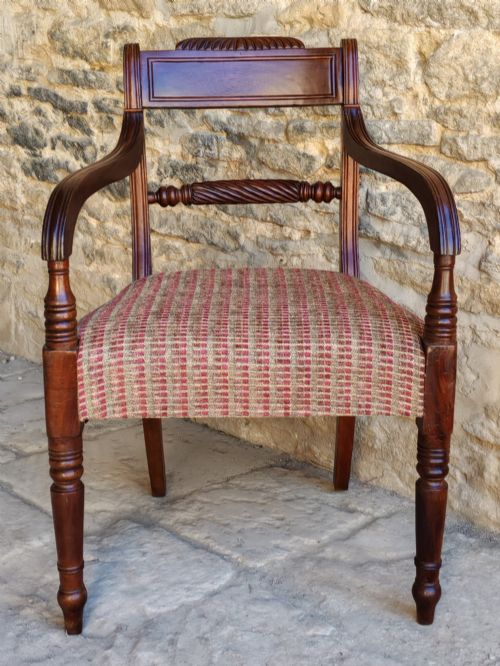
Georgian Wooden Carver Chair
A georgian wooden carver chair brings substantial presence and traditional seating comfort to a room through time-tested timber construction.
Georgian Wooden Carver Chair
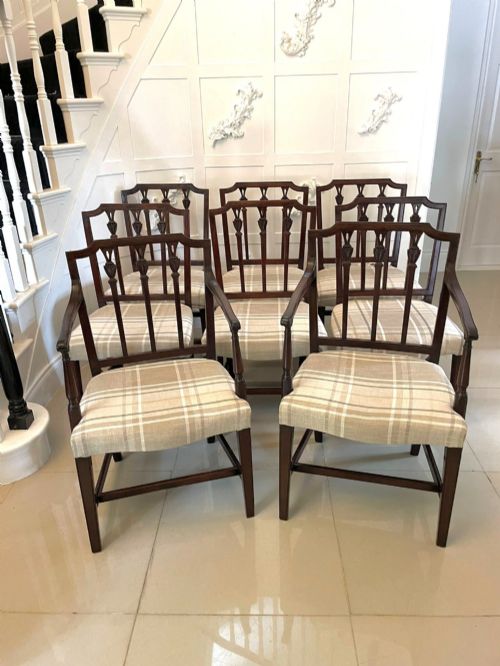
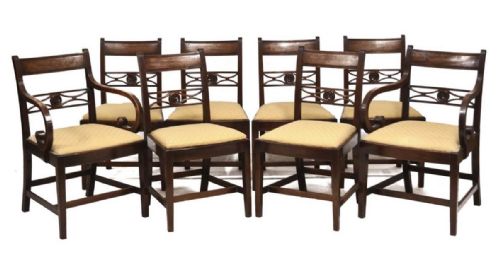
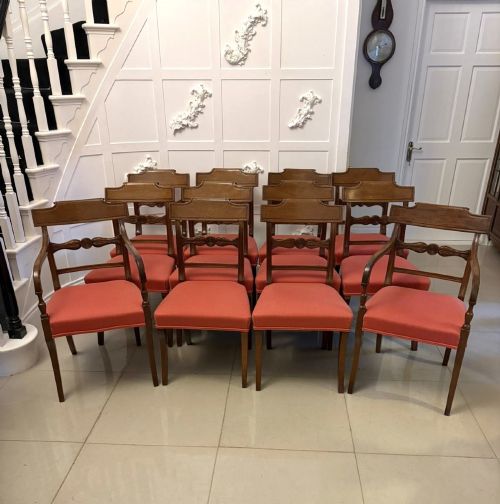
A georgian wooden carver chair typically functions as an armchair or elbow chair accompanying a dining set or serving as an individual desk seat. The selection ranges from formal mahogany examples bearing Chippendale or Hepplewhite influence to robust country vernacular models rooted in regional traditions.
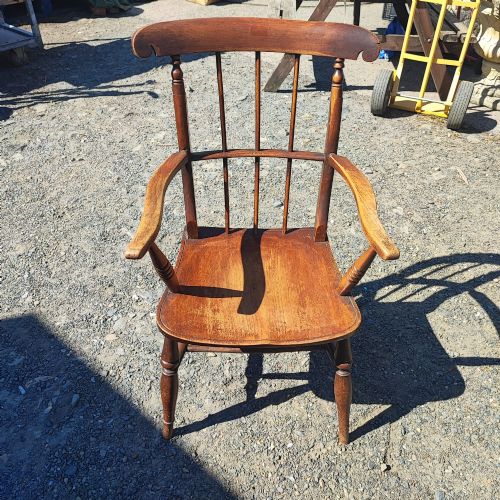
Most examples originate from the eighteenth and nineteenth centuries, spanning periods from George III through the Regency era. Buyers frequently encounter sturdy windsor designs combining timber frames with traditional seats alongside formal dining carvers.
Distinctions in Execution
The division between standard output and superior work rests on the crispness of carved detail, the selection of figured timber, and the integrity of the original construction. Master carvers achieved clean lines on splats and arms that lesser workshops rendered with blunt proportions.
Structural longevity depends on the tightness of the joints and the preservation of the original timber frame without excessive replacement parts. Original surface patination acquired through decades of handling separates untouched examples from heavily refinished pieces.
A Windsor armchair requires several distinct tree species in a single frame, relying on elm for the bottom and ash for the top.
Gillows
The Georgian Wooden Carver Chair Glossary
- Carver chair
- An armchair designed to match a set of dining chairs, traditionally positioned at the head of a table. These pieces feature prominent armrests to accommodate formal attire.
- Windsor chair
- A vernacular seating form featuring a solid wooden saddle-shaped seat into which the legs and back spindles are wedged directly. Regional variations include comb-back and wheelback designs.
- Chippendale style
- A decorative vocabulary characterised by pierced splat backs, carved cabriole legs, or Marlborough legs inspired by mid-eighteenth-century pattern books. This style appears frequently on formal mahogany seating.
- Elbow chair
- An alternative term for an armchair, often used in historical inventories to denote a seating piece with arm supports designed for a desk or dining table.
- Vernacular
- Objects created by regional makers following local traditions rather than metropolitan fashion. These pieces utilise accessible native timbers such as elm and ash.
Georgian Wooden Carver Chair: Frequently Asked Questions
What is a georgian wooden carver chair?
A georgian wooden carver chair is an armed seating piece produced during the eighteenth or early nineteenth century, intended for dining or desk use.
These chairs combine structural timber framing with decorative styles ranging from urban mahogany Chippendale designs to rural vernacular Windsors.
How do I identify a George III armchair?
George III armchairs typically exhibit specific stylistic markers such as pierced vase-shaped splats, straight legs with stretchers, or carved shield backs.
Examining the timber species and the method of joinery helps confirm the period of manufacture alongside stylistic details.
Where should I place a carver chair?
Carver chairs traditionally sit at the head and foot of a dining table to anchor a matching set of single chairs.
They also function effectively as standalone desk chairs or accent seating in a study or hallway.
What woods were used for windsor carvers?
Country windsor carvers commonly utilise a mixture of native timbers chosen for their specific physical properties, such as elm for solid seats and ash or yew for bentwood bows and spindles.
Fruitwood occasionally appears in regional workshops as a substitute for harder timbers.