





Brown Painted Armchair
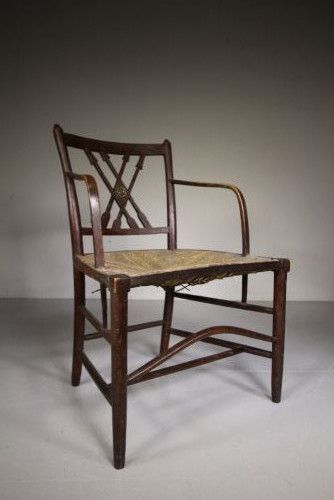
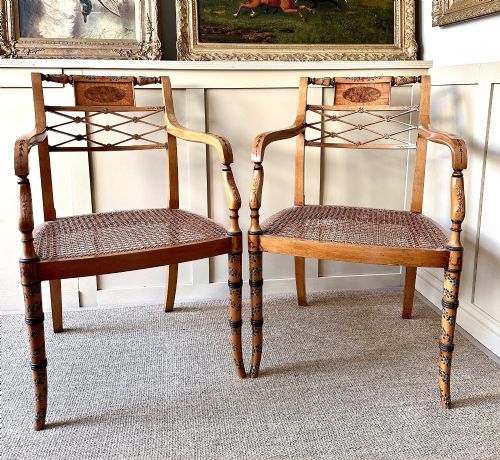
A brown painted armchair brings warmth and character to a room, offering historic charm alongside practical seating.
Brown Painted Armchair
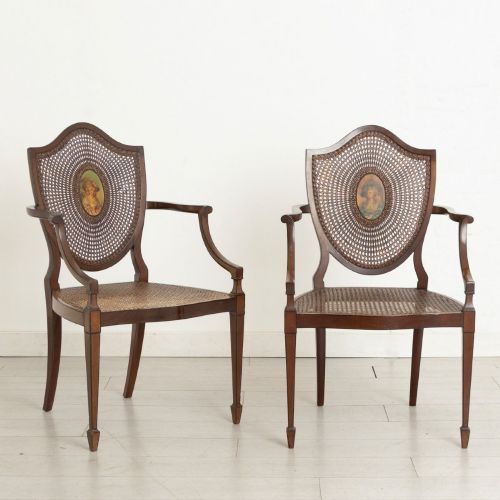
A brown painted armchair is a seating piece finished with pigment over a wooden frame, combining structural support with decorative surface work. Buyers searching for a brown painted armchair encounter examples spanning from the eighteenth century through to the early twentieth century.
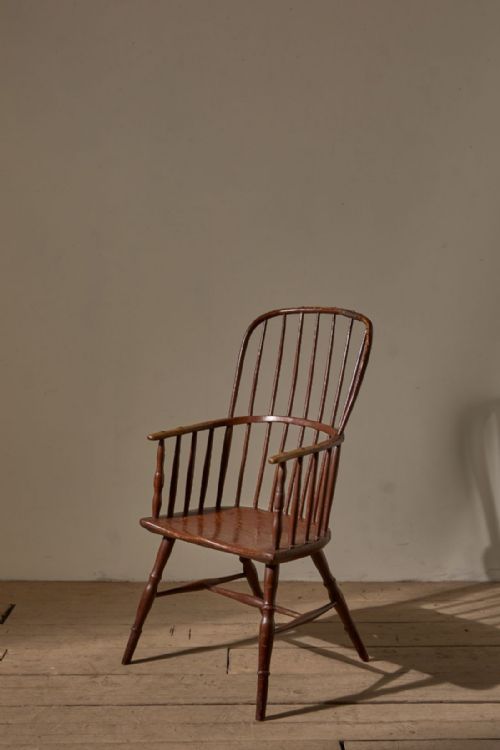
The selection includes vernacular country pieces alongside formal revival designs. Forms range from Windsor chairs and ladder backs to elbow chairs and lambing chair tables, reflecting diverse domestic uses across different periods.
Origins vary from English regional workshops to Scandinavian country makers, with occasional French neoclassical influences. This variety means buyers find both robust rustic seating and lighter decorative salon chairs.
Materials and construction
Frames utilise native timbers such as ash, pine, walnut, and satinwood, chosen for strength and grain. Carpenters shaped these woods into traditional forms using regional joinery techniques suited to each period.
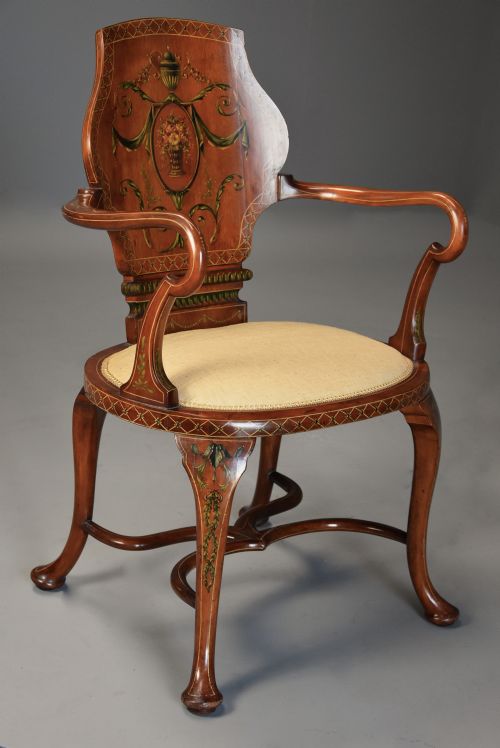
Surfaces received layers of paint, sometimes decorated with floral motifs or musical scenes, while seats incorporated materials like rush, cane, and fabric upholstery. These combined elements create the distinctive aged finish seen on period examples.
Brown Painted Armchair Retail Price Guide 2026
Typical asking prices for brown painted armchair among the pieces listed under this phrase on Sellingantiques today, from the lower quarter to the upper quarter. They describe what is for sale here now, not the wider market.
Assessing quality and finish
The sophistication of the painted decoration distinguishes simpler country items from high-style decorative seating. Finer pieces display careful brushwork and detailed ornamentation, such as floral motifs or Chinoiserie scenes.
Structural integrity and the retention of original surface finishes dictate desirability. Examples that preserve their early or original paint layer hold greater historical interest than those with later redecoration.
The Brown Painted Armchair Glossary
- Windsor chair
- A wooden armchair constructed with a solid saddle-shaped seat into which the legs and back spindles are wedged directly. These pieces are typically associated with country vernacular furniture making.
- Satinwood
- A durable hardwood with a lustrous yellowish grain often utilised in decorative eighteenth and nineteenth-century furniture. It frequently served as a smooth base for painted ornamentation.
- Elbow chair
- An armchair featuring low arms set back from the front posts, commonly produced in the eighteenth and nineteenth centuries. They provide comfortable seating without occupying excessive floor space.
- Rush seating
- Woven seat construction utilising dried marsh reeds twisted into cord. This technique appears frequently on country ladder back chairs.
- Chinoiserie
- European decorative style reflecting Chinese artistic motifs, popular during various historical periods. It appears on painted furniture through imaginative landscape and figure scenes.
Brown Painted Armchair: Frequently Asked Questions
How old are these armchairs?
The available examples date from the eighteenth century through to the early twentieth century. This timeline encompasses Georgian, Regency, and Edwardian eras alongside various revival movements.
Construction details and timber choices help indicate the specific period of manufacture. Stylistic markers often correspond to the prevailing design trends of their respective decades.
Where were these chairs made?
Manufacturing locations include English regional workshops, Scandinavian rural communities, and continental European centres. Regional variations in timber use and joinery help identify specific geographical origins.
Country pieces often utilise local woods like ash and pine, while formal pieces employ walnut and satinwood. These materials reflect the local resources available to the maker.
How do I care for painted wood?
Maintain painted wooden furniture by keeping it away from direct sunlight and fluctuating humidity. Gentle dusting with a dry cloth protects the historic surface finish.
Avoid chemical polishes that can damage older paint layers. Proper environmental control preserves both the timber substrate and the decorative pigment.