

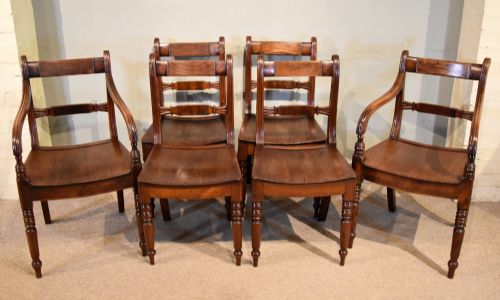
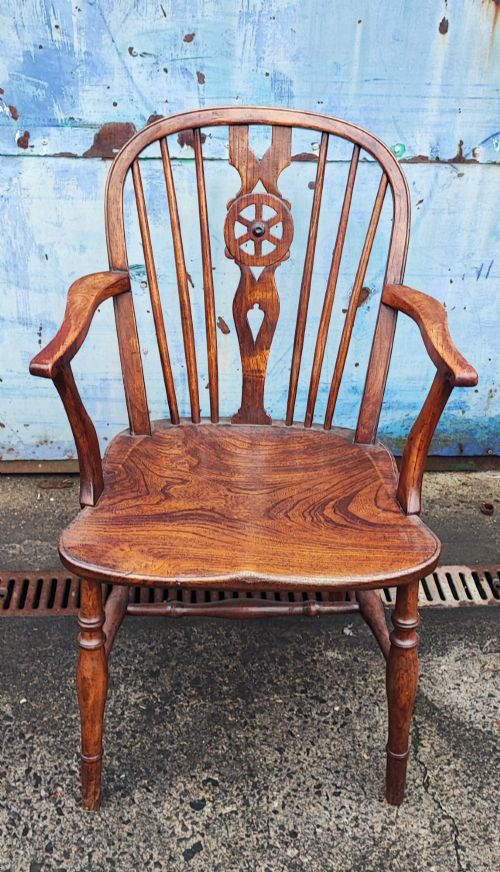
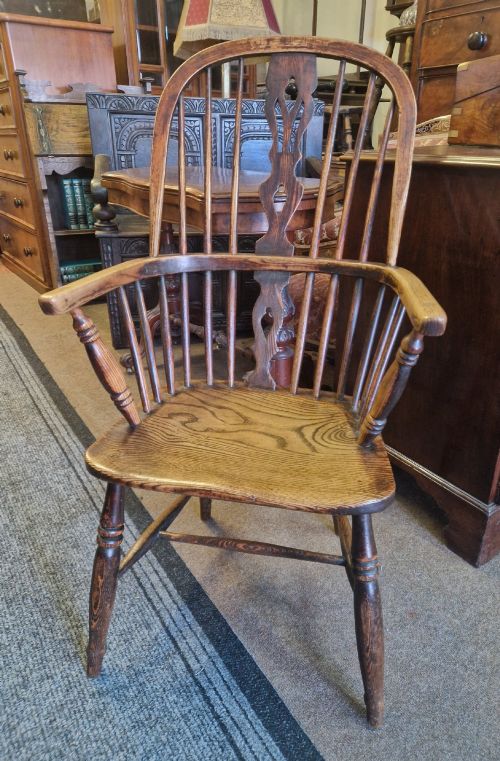
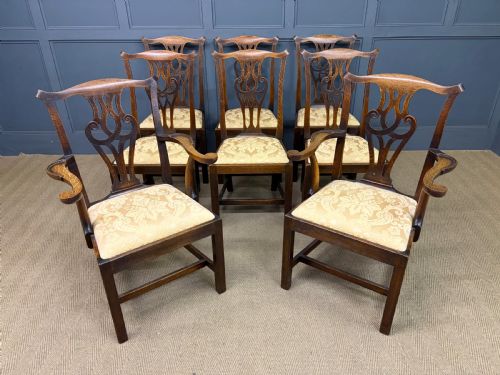
Georgian Country Carver Chair
A georgian country carver chair brings vernacular craft into a room, offering sturdy seating shaped by regional tradition and robust local timbers.
Georgian Country Carver Chair
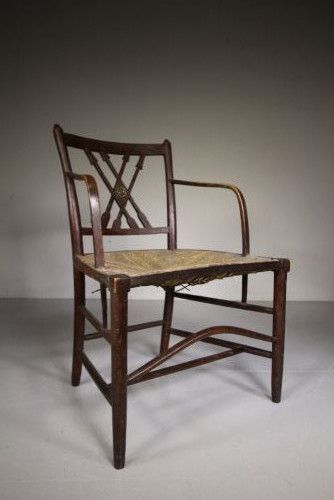
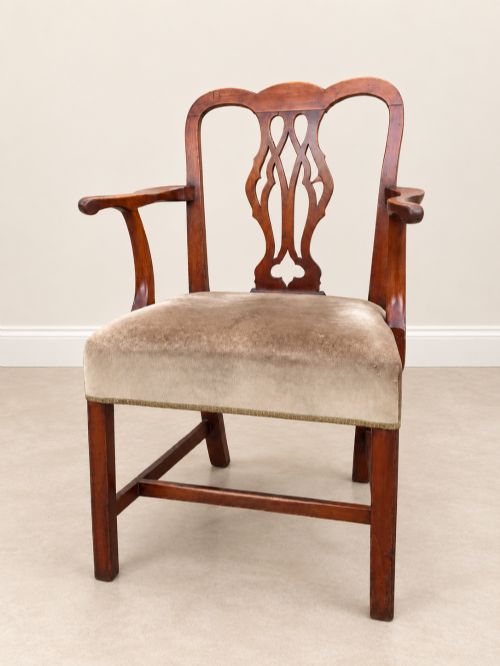
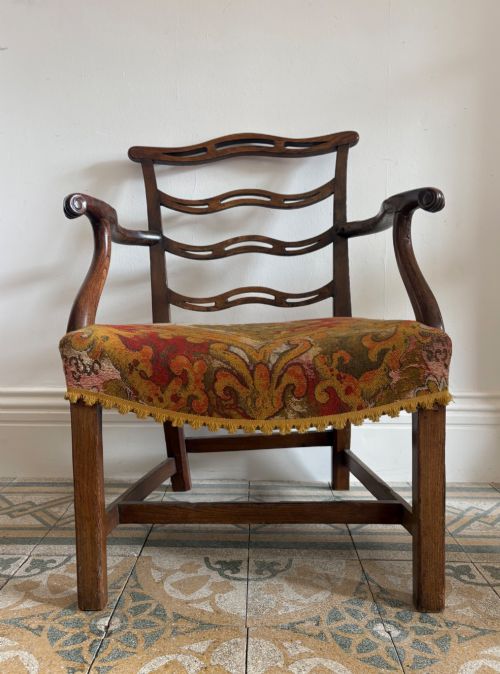
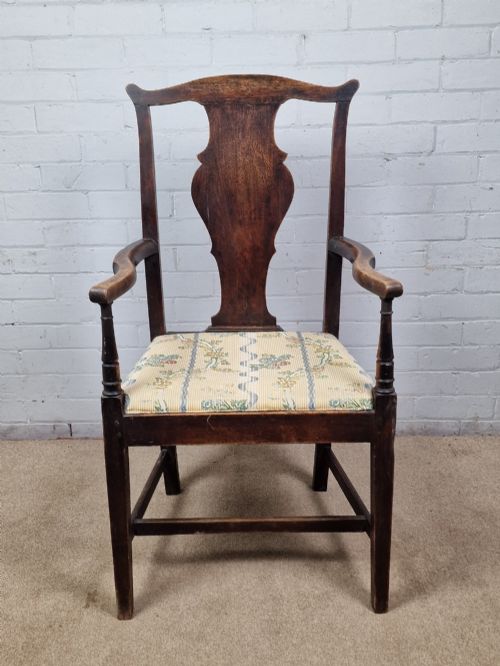
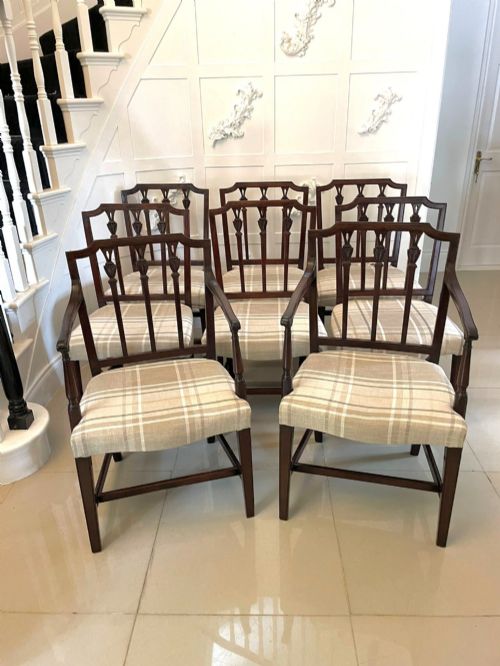
When you search for a georgian country carver chair, you enter a world of regional seating produced across provincial workshops rather than metropolitan cabinet-makers' shops. These armchairs and carver chairs bridge formal Georgian design and practical rural utility, with many surviving examples carrying the distinctive hallmarks of 18th and 19th-century domestic life.
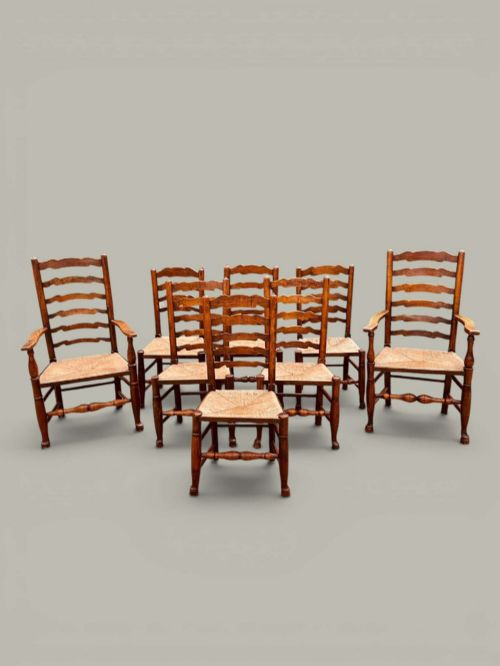
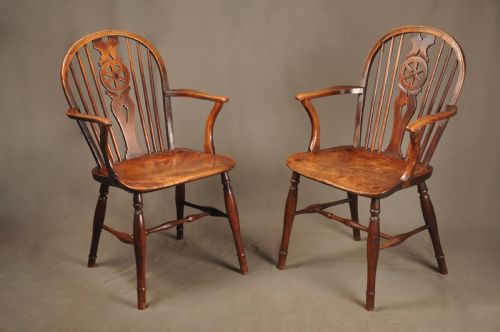
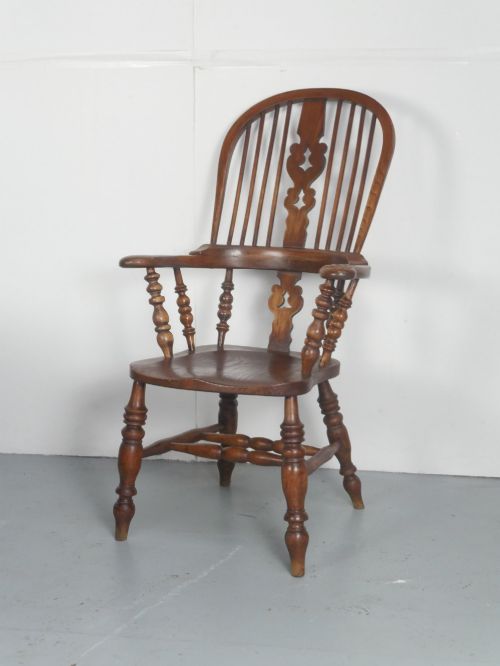
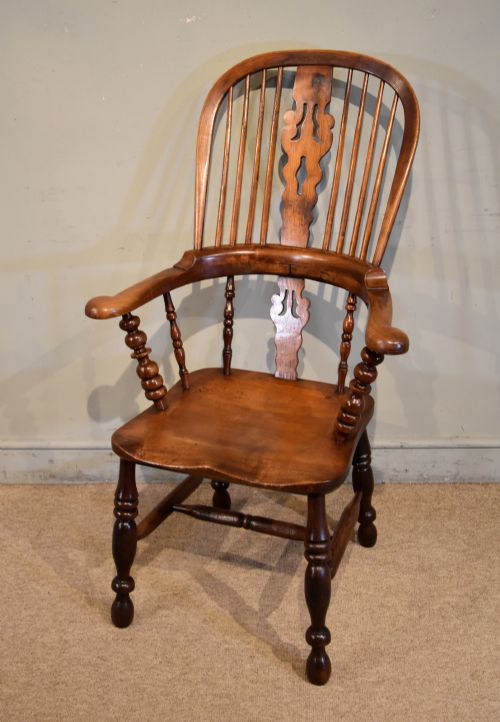
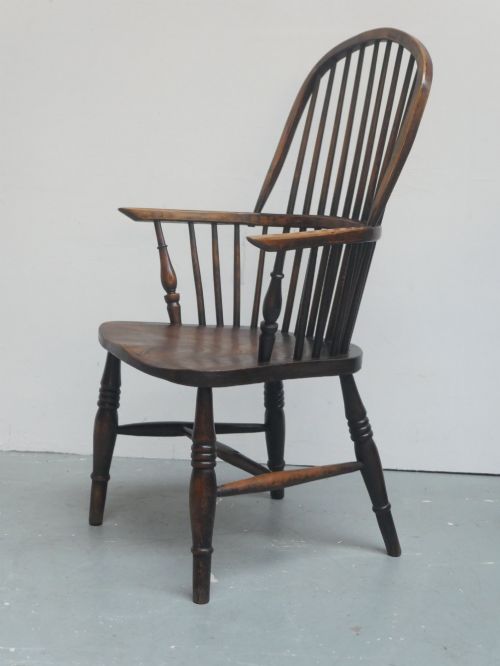
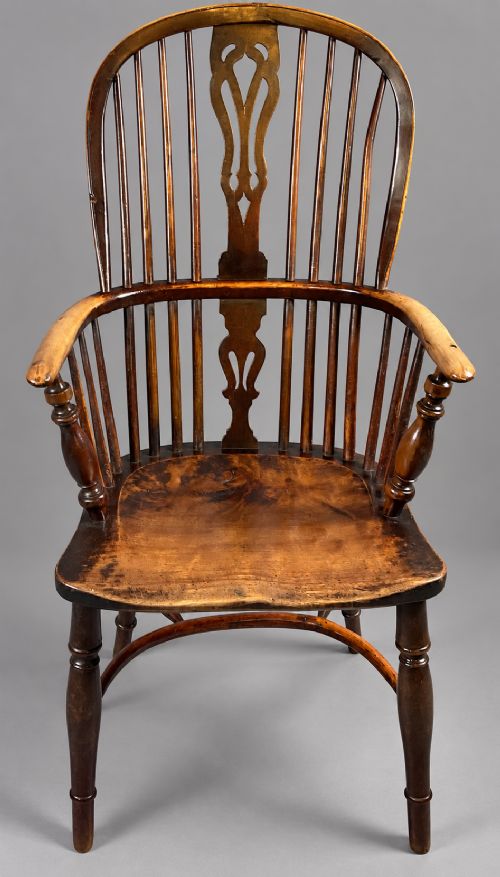
You are most likely to encounter Windsor forms, ladder-backs, and spindle-backs on this page. These pieces span periods from the late 18th century through the Victorian era, utilising local timber species to build robust frames with comfortable elbow supports.
The aesthetic is functional and vernacular, showing English country and George III styling. Pieces often combine different woods within a single frame, reflecting the resourceful nature of provincial joiners who worked with whatever materials lay to hand.
Timbers and Construction Methods
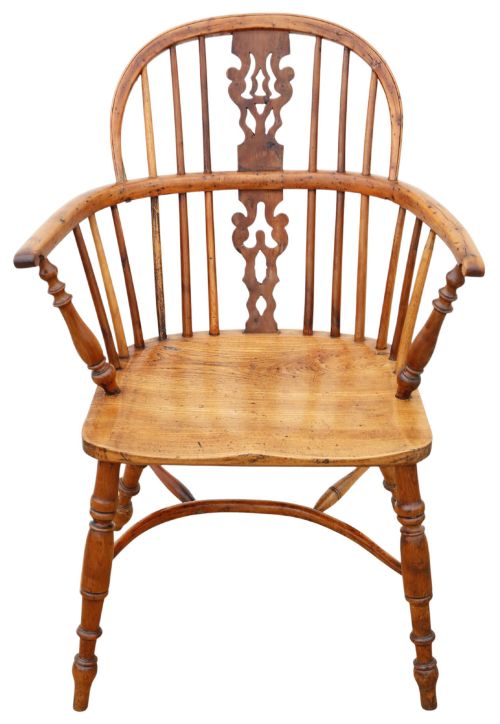
Makers built these chairs using mixed timber construction, frequently pairing ash frames with elm seats or yew wood components. This combination harnessed the bending strength of ash for hoops and legs alongside the tough, splitting-resistant grain of elm for solid saddle seats.
Construction relied on traditional joinery methods such as turned spindles, pegged joints, and steam-bent components. Wheelback, comb-back, and hoop-back Windsor designs utilised shaped wooden seats bored to receive turned legs and back uprights securely.
Seating surfaces varied from solid carved wood to woven rush inserts and occasional fabric or tapestry pads. Regional variations included crinoline stretchers on Windsor chairs and painted or distressed surface finishes on ladder-back frames.
Georgian Country Carver Chair Retail Price Guide 2026
Typical asking prices for georgian country carver chair among the pieces listed under this phrase on Sellingantiques today, from the lower quarter to the upper quarter. They describe what is for sale here now, not the wider market.
Some provincial makers incorporated rushes and tapestry seats so sitters could endure long winter evenings without freezing.
Assessing Craft and Preservation
Quality rests in the integrity of the timber selection and the retention of original structural components. Chairs that combine contrasting woods like yew and elm with crisp, deep turnings sit at the higher end of provincial production.
Proportion and stance dictate visual success, with superior pieces displaying well-balanced armbows and clean joinery that has survived centuries of daily use. Signs of extensive timber replacement or unsympathetic modern repairs alter the standing of a piece within the broader range of surviving stock.
The Georgian Country Carver Chair Glossary
- Windsor chair
- A chair built with a solid wooden seat into which the legs and back sticks are independently inserted. These frames rely on a combination of turned members and bentwood parts.
- Carver chair
- An armchair designed with open wooden arms, frequently used at the head of a dining table or as a desk chair. The term denotes a seating form rather than a specific maker.
- Vernacular
- Everyday objects made by regional artisans following local traditions rather than formal academic styles. Such pieces prioritize utility and local materials over metropolitan fashion.
- Crinoline stretcher
- A curved metal or wooden brace linking the legs of a Windsor chair to provide structural rigidity. The shape resembles the hooped petticoats worn in the 19th century.
- Rush seat
- A seating surface woven from dried marsh rushes around an internal frame. This traditional technique provides a resilient and slightly flexible pad for country seating.
Georgian Country Carver Chair: Frequently Asked Questions
What is a country carver chair?
A country carver chair is an armchair produced in provincial workshops rather than urban centres, designed for everyday domestic use.
These chairs feature open arms and robust wooden construction, drawing on regional vernacular styles rather than strict academic furniture designs.
How do I identify a Windsor chair?
A Windsor chair is built around a thick solid wooden seat, into which the back assembly and legs are tenoned directly.
This construction method creates a sturdy chair without the need for a traditional box frame beneath the seat.
What woods were used for these chairs?
Makers utilised native British hardwoods such as elm, ash, yew, fruitwood, beech, and oak for structural stability.
Elm was chosen for solid seats because its interlocking grain resisted splitting, while ash and yew provided flexible strength for steam-bent hoops and spindles.
How should I care for an antique wooden chair?
Keep wooden chairs away from direct heat sources and dramatic humidity fluctuations to prevent the timber from drying out and cracking.
Apply a traditional wax polish occasionally to nourish the surface and maintain the natural patina built up over generations.