
Chippendale Mirror
A chippendale mirror brings refined 18th-century carving, fretwork frames and giltwood elegance into a room.
Chippendale Mirror
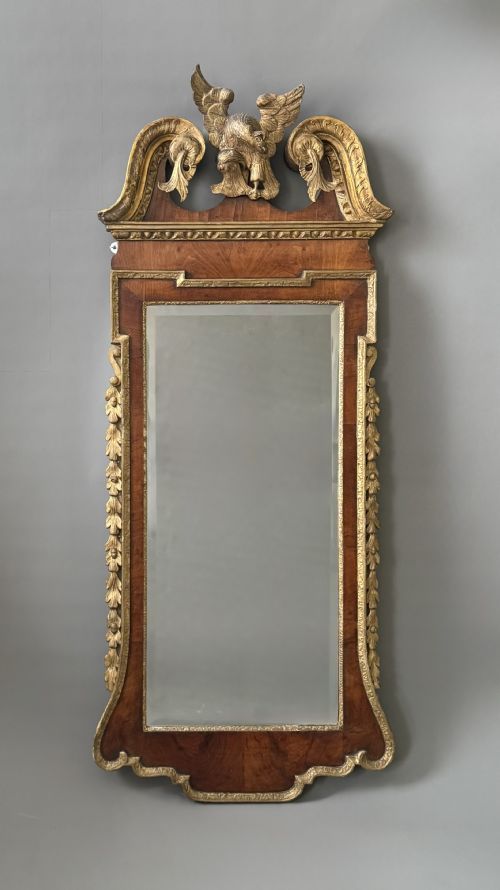
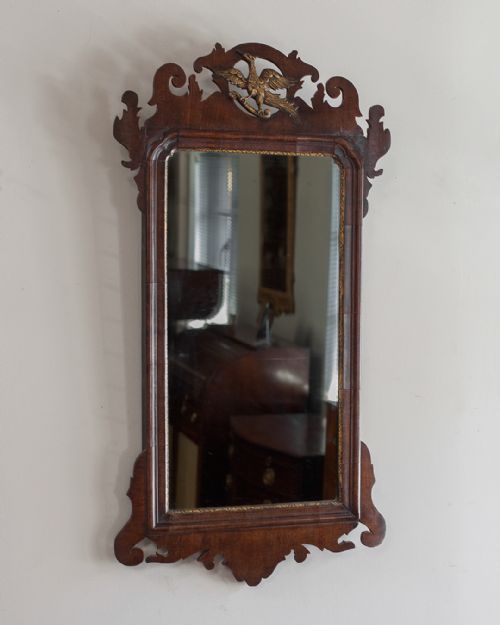
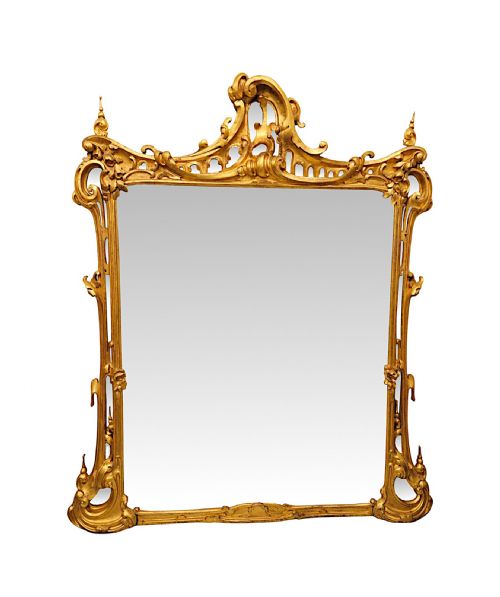
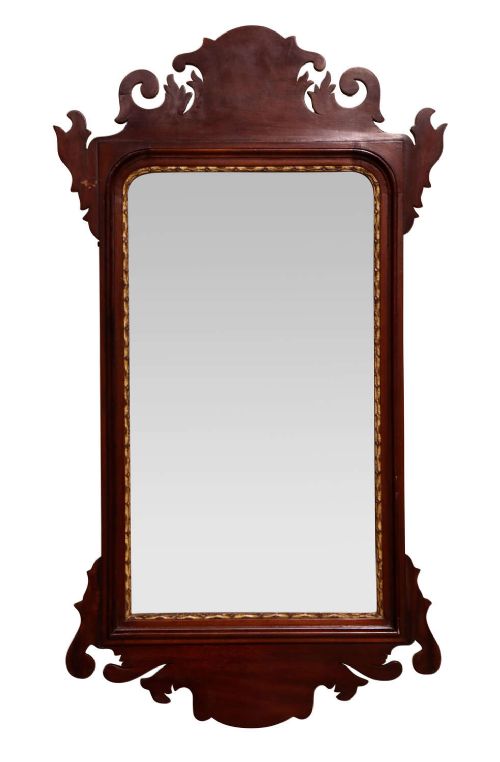
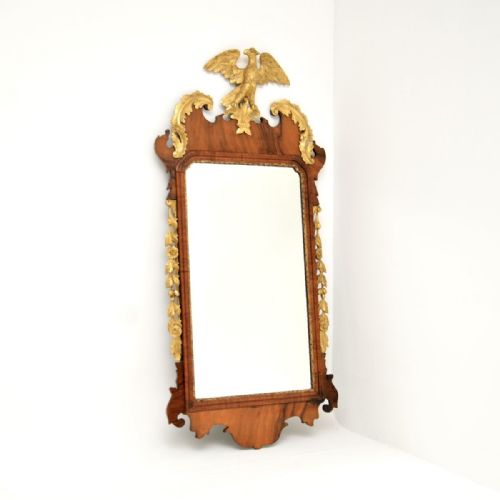
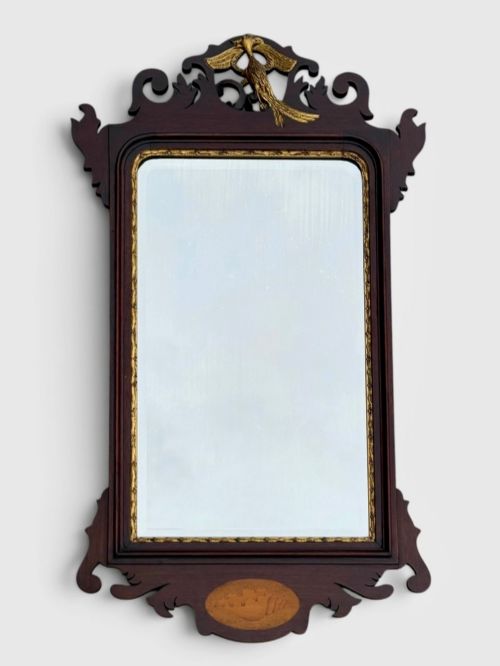
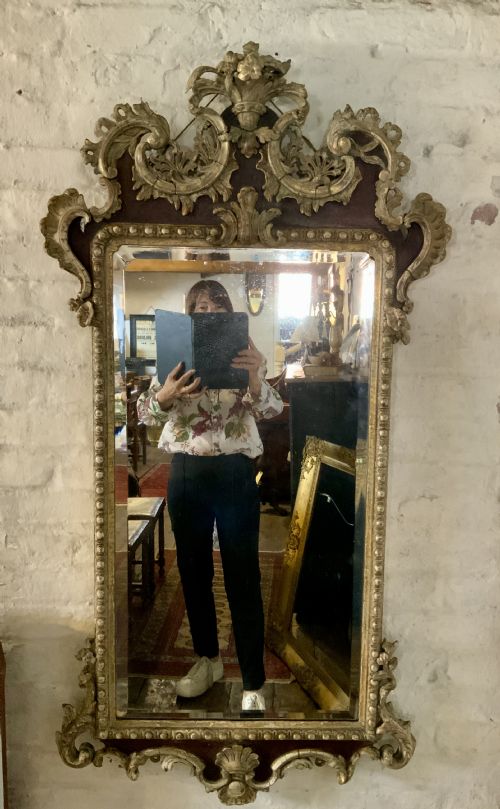
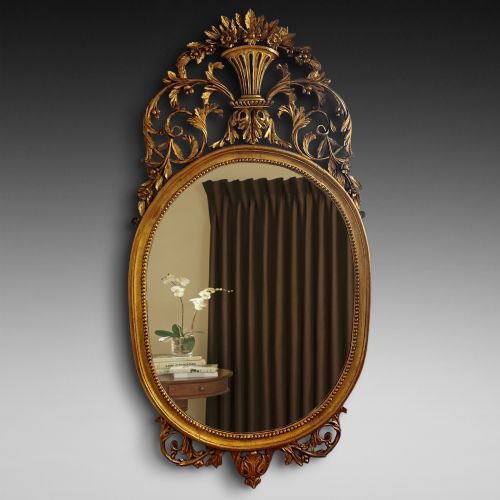
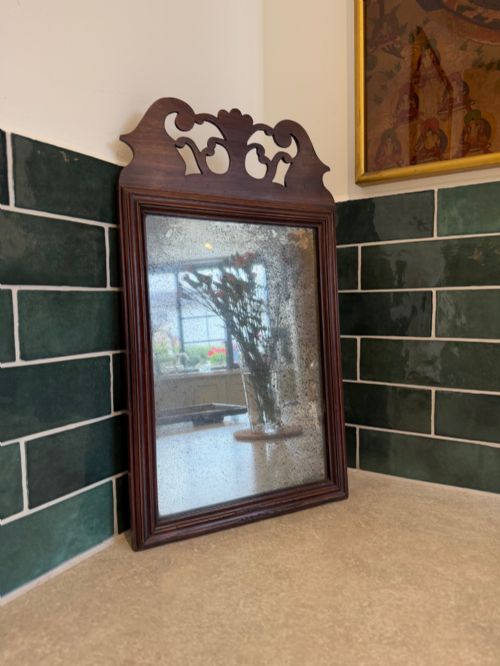
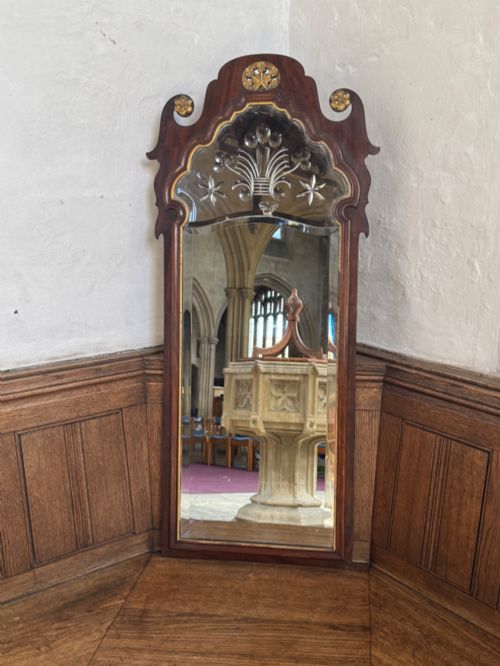
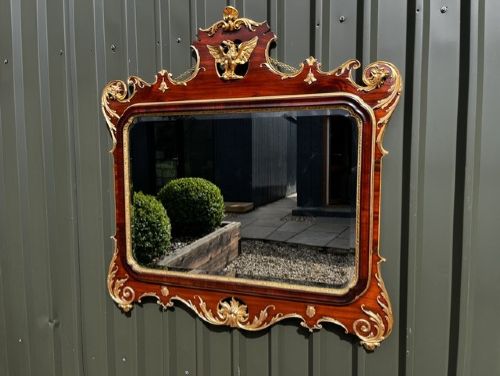
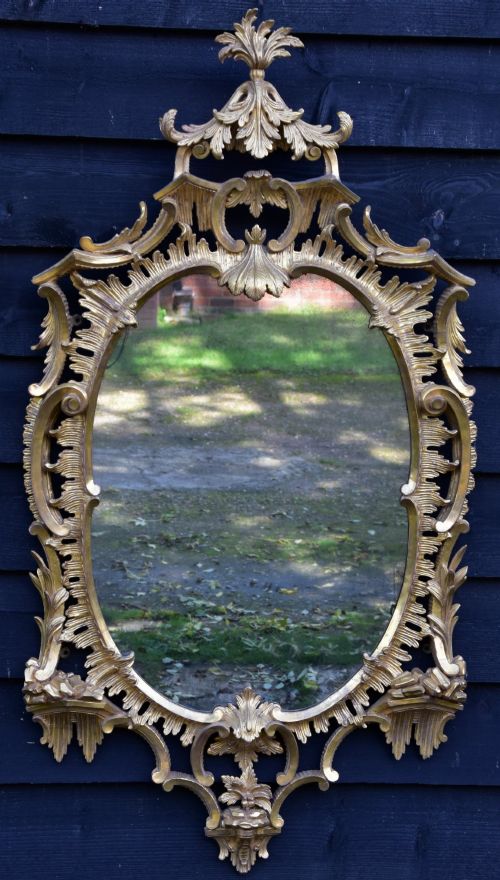
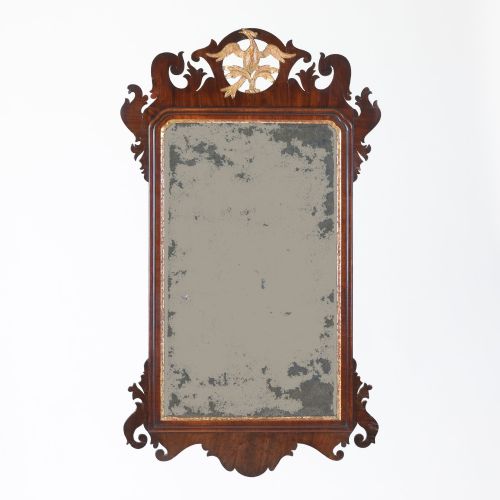
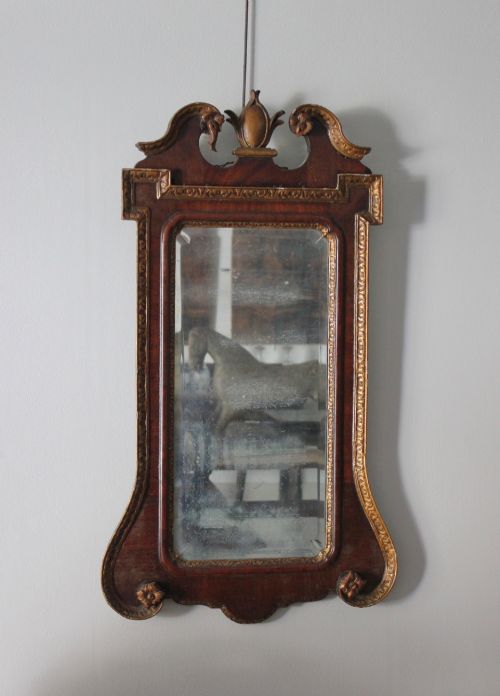
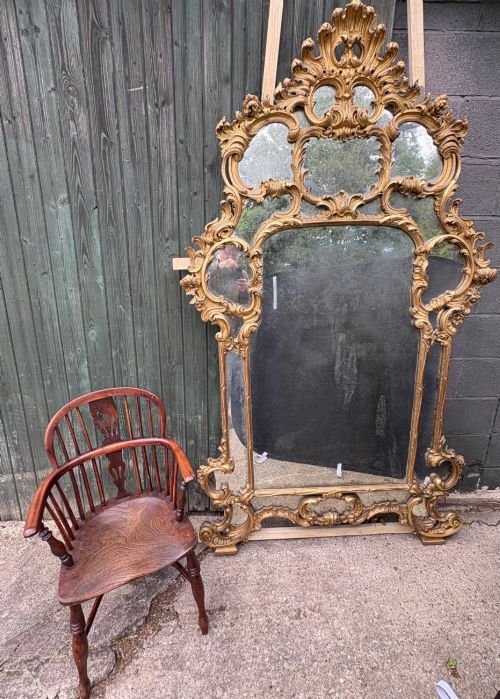
A chippendale mirror is a framed looking glass defined by fret-cut woodwork, asymmetrical scrolls, and classical motifs originating in the Georgian era. These pieces appear frequently as mahogany wall mirrors with parcel-gilt details or as grander giltwood overmantels.
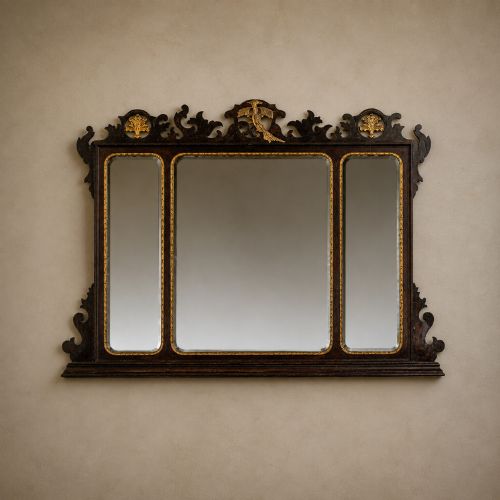
The selections span authentic 18th-century pieces from the Georgian period alongside later revival iterations produced during the Victorian and Edwardian eras. Buyers encounter both vertical pier mirrors intended for narrow wall spaces and wider landscape formats suited for mantelpieces.
Traditional variants often incorporate the iconic Ho-Ho bird on the cresting, drawing inspiration from Chinese Chippendale design. Simpler walnut and mahogany fretwork frames provide a quieter alternative to the heavily gilded rococo styles.
Materials and Construction
Frames are constructed from dense timbers such as mahogany, walnut, and occasionally sycamore, chosen for their ability to sustain intricate fret-cut silhouettes without splitting. Artisans applied thin layers of gold leaf over gesso to highlight carved details on giltwood and parcel-gilt examples.
Joinery on period pieces relies on precise hand-sawed fretwork, while later revivals utilise machine-cut elements assembled with similar traditional precision. Mirror plates range from original bevelled glass showing light oxidisation to later replacements set into the original rebated frames.
Many a stern Ho-Ho bird has kept silent watch over centuries of family arguments reflected in its slightly wavy glass.
Assessing Quality and Execution
Quality rests primarily in the crispness of the hand-carved ornamentation and the depth of the fretwork relief. Superior examples exhibit sharply defined foliage, well-proportioned crestings, and clean gilt application that adheres closely to the wooden substrate.
The integrity of the timber ground and the preservation of original gilding or finish dictate the standing of a piece. Earlier 18th-century instances display meticulous joinery and aged patination, whereas lesser versions from later revivals can feature softer detailing and heavier, uniform surface treatments.
The Chippendale Mirror Glossary
- Fretwork
- Openwork ornamentation cut from a thin board of timber using a fretsaw. This technique creates the signature pierced silhouette seen on the borders of these frames.
- Parcel-gilt
- A finish where selected portions of a wooden object are gilded with gold leaf while the remaining timber surface is polished and exposed. It highlights specific carved elements against a dark wood ground.
- Ho-Ho bird
- A mythical Chinese phoenix motif frequently incorporated into the cresting of mid-18th-century and revival frames. It perches atop the central scrollwork with spreading tail feathers.
- Gesso
- A plaster mixture applied to wood frames as a smooth base for water gilding. The skilled application of this substance allows carvers to achieve sharp relief details beneath the gold leaf.
- Pier glass
- A tall wall mirror designed specifically to hang on the narrow pier of wall space situated between two windows. These tall formats often feature elaborate carved aprons and crests.
Chippendale Mirror: Frequently Asked Questions
How do I date a chippendale mirror?
Dating relies on examining the backing boards, the type of wood used beneath the finish, and the ageing patterns within the glass plate. Original 18th-century examples display hand-cut joinery and dried pine or hardwood foundations that differ noticeably from later Victorian assembly methods.
Secondary indicators include the wear on the gilt layer and the style of the fret-cut motifs. Revival pieces made around 1900 often utilise machine-assisted cutting techniques and cleaner, less oxidised mirror plates.
Where should I hang an overmantel mirror?
An overmantel mirror is traditionally scaled to sit securely above a fireplace mantel, anchoring the visual weight of the hearth. Ensuring the wall fixings are rated for the substantial weight of giltwood and heavy timber frames is essential for safe installation.
These wide landscape formats also function effectively above low sideboards or console tables in dining rooms. Their horizontal proportions help reflect light across the room while balancing larger expanses of open wall.
What is Chinese Chippendale style?
Chinese Chippendale style incorporates Asian-inspired motifs such as pagodas, cascading bellflowers, and exotic birds into traditional rococo frameworks. The resulting frames exhibit intricate pierced fretwork and elaborate symmetrical or asymmetrical silhouettes.
These pieces reflect the 18th-century European fascination with chinoiserie design. They appear in both authentic Georgian iterations and late 19th-century revival editions.
Are original mirror plates common?
Original mirror glass is relatively scarce because plates frequently degraded, cracked, or were replaced over centuries of domestic use. When present, antique glass often displays characteristic dark speckling, minor distortion, and foxing.
Many surviving frames received replacement glass during the Victorian era or later. The presence of a later glass plate does not diminish the decorative value of the carved frame itself.