




Chinese Deity Sculpture
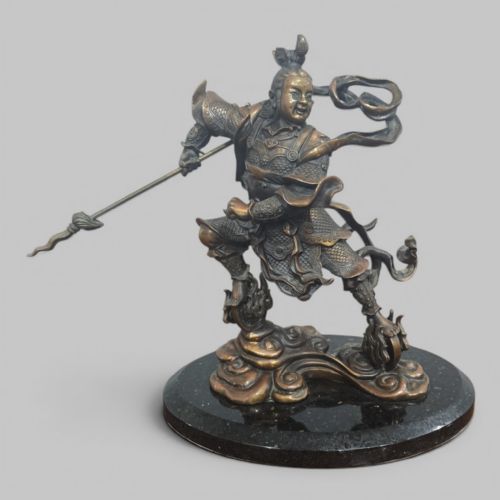
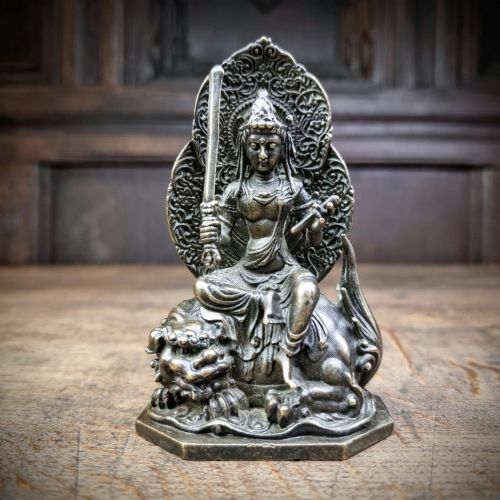
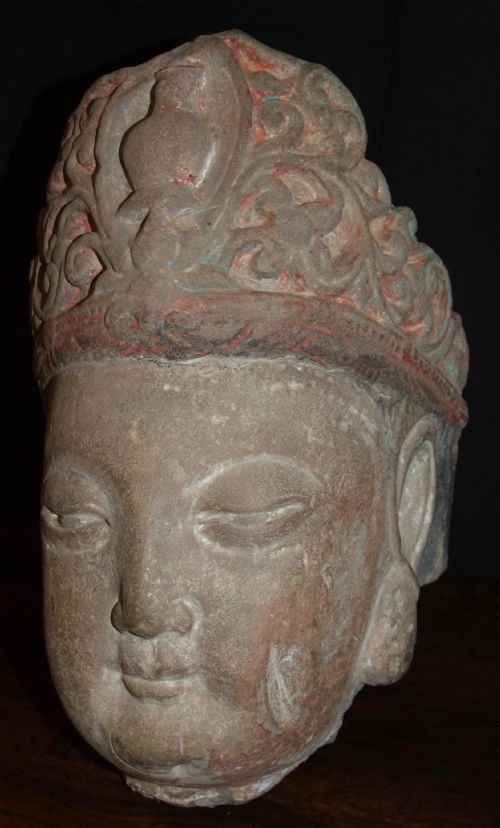
These Chinese deity sculpture pieces embody centuries of spiritual devotion, taking the form of carved immortals, Buddhas, and temple guardians in wood, bronze, and stone.
Chinese Deity Sculpture
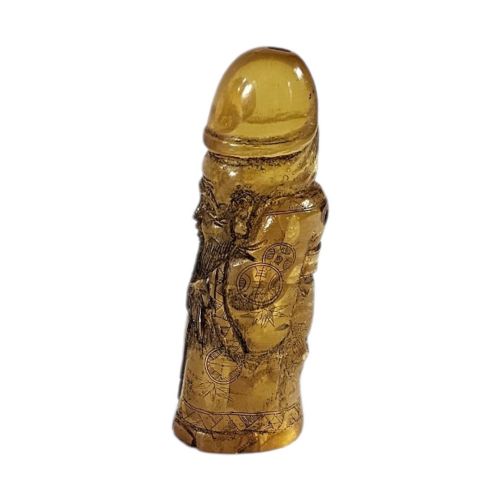
When searching for a chinese deity sculpture, collectors encounter figures ranging from small amber pendants to monumental temple guardians. The selections span eras from the Ming Dynasty through the Qing Dynasty and into the early twentieth century.
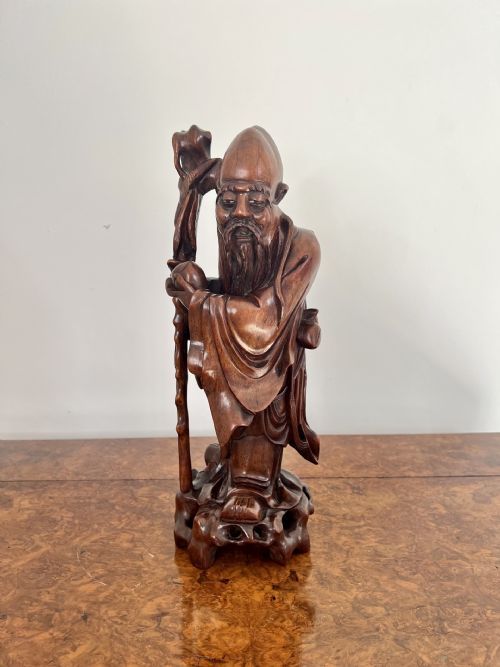
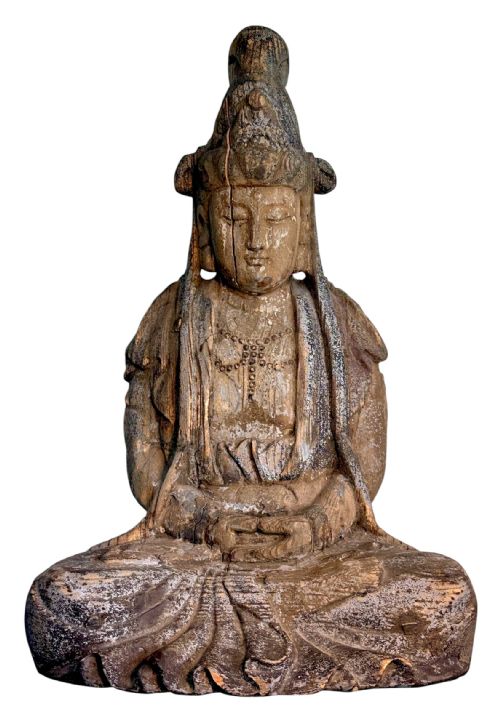
Most examples represent revered figures such as Guanyin, Shoulao, and Daoist immortals rendered in traditional poses. These sculptures served domestic shrines, scholarly desks, and large temple complexes across China.
The materials vary widely, reflecting the specific ritual or decorative purpose of each individual piece. Wooden carvings, cast bronzes, and lacquered figures dominate the available selection on this page.
Materials and construction methods
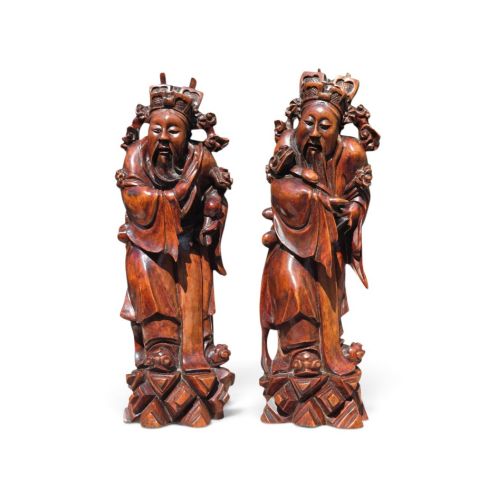
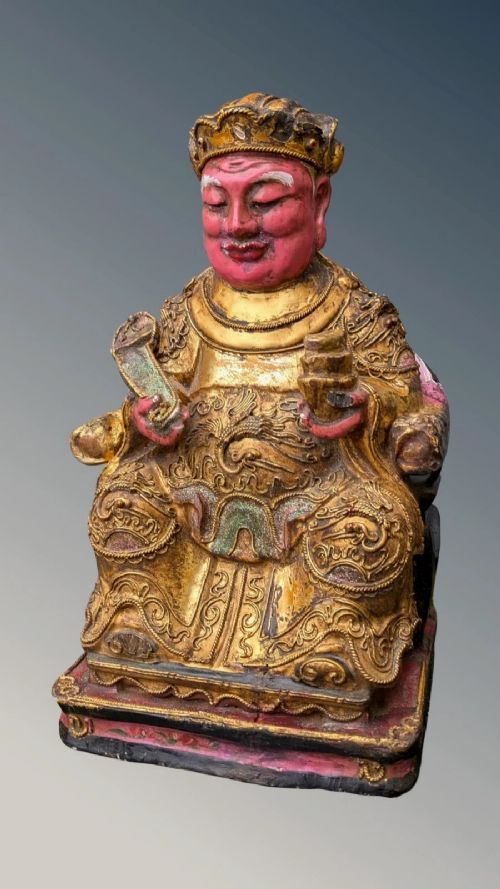
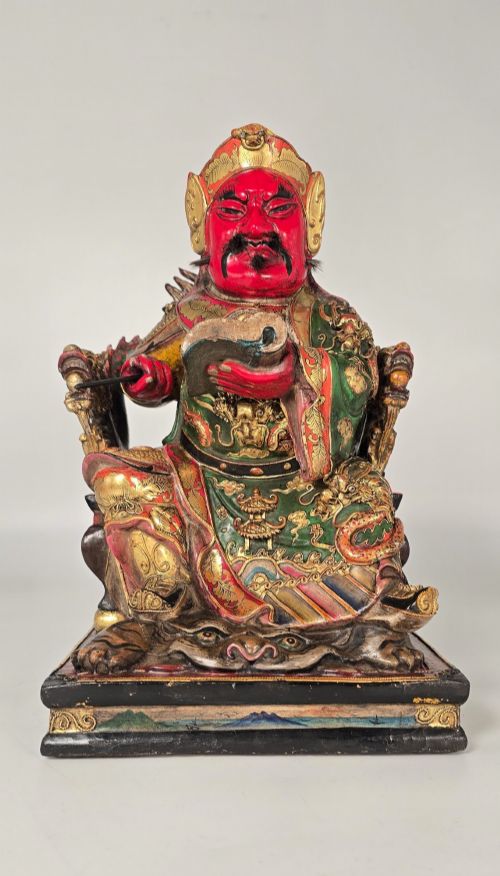
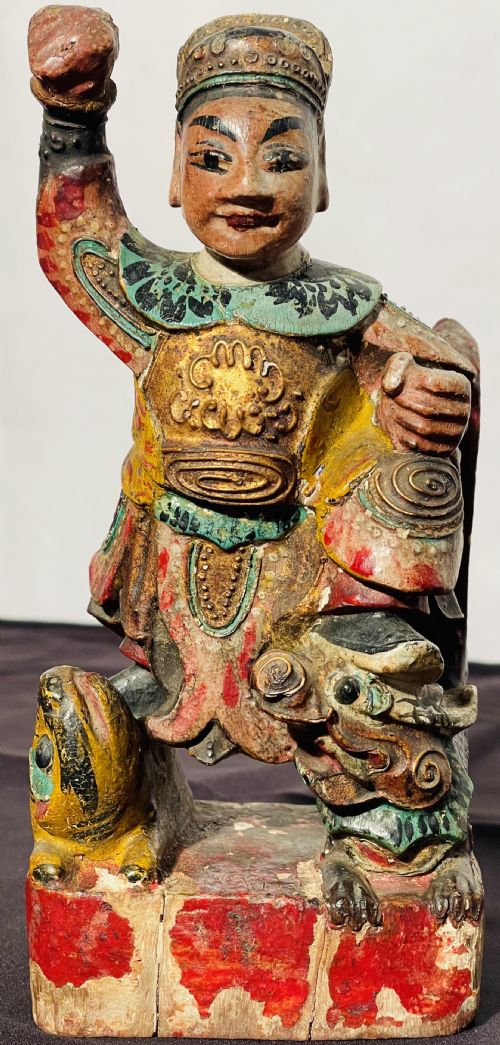
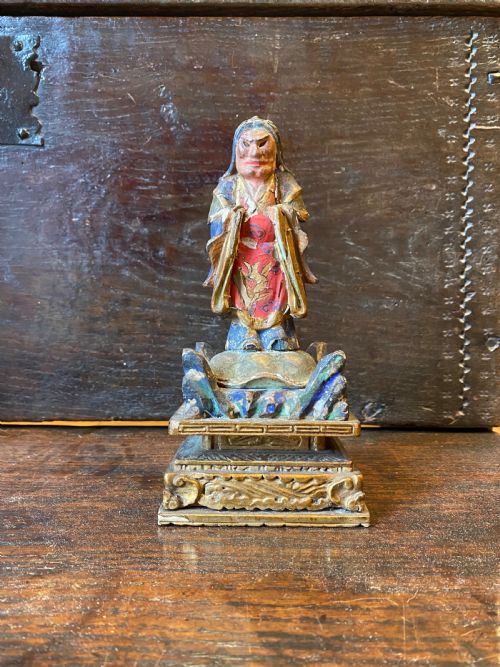
Wood serves as the primary medium, utilising hardwoods, root carvings, and bamboo shaped by skilled carvers. Many wooden figures feature gesso, gold leaf, and polychrome pigments applied to build up rich surface layers.
Metal casting produced durable bronzes and iron busts through traditional techniques. Artisans also employed lacquer and hand painting to finish surfaces on both wood and metal substrates.
Current listings feature pieces spanning the Ming Dynasty, Qing Dynasty, and the early twentieth century, constructed from wood, bronze, iron, and sandstone.
Evaluating sculptural quality
Sculptural excellence rests on the vitality of the carving and the sensitivity of the facial expression. Superior examples display confident tool marks and balanced proportions that reveal the hand of a master artisan.
The survival of original surface finishes, including polychrome paint, gilding, and natural patina, heavily influences the integrity of a piece. Losses to these delicate layers alter the visual impact significantly over time.
The Chinese Deity Sculpture Glossary
- Guanyin
- A revered bodhisattva of compassion often depicted in bronze, wood, or stone. This deity remains one of the most frequently encountered figures in Chinese religious art.
- Shoulao
- The Daoist god of longevity typically represented as an old man with a high forehead and a staff. Sculptures of this figure often appear in amber, wood, or ivory.
- Qing Dynasty
- The final imperial dynasty of China lasting from sixteen forty-four to nineteen twelve. Many surviving wooden and bronze deity sculptures date from this extensive period.
- Polychrome
- The practice of decorating sculptural surfaces in multiple colours using various pigments. This technique brings a lifelike quality to carved wood and stone deities.
- Gilt
- A thin layer of gold applied to the surface of wood, bronze, or metal sculptures. This finish denotes importance and catches the dim light of temple interiors.
Chinese Deity Sculpture: Frequently Asked Questions
What materials are these sculptures made from?
The pieces utilise traditional materials including carved hardwood, bronze, iron, sandstone, and amber. Many wooden surfaces receive additional treatments of gesso, gold leaf, and polychrome pigments.
Craftsmen selected these materials based on whether the sculpture was intended for a domestic altar, a scholar's desk, or a major temple.
Where were these figures originally displayed?
Deities occupied various sacred and domestic spaces across China. Large guardian figures stood in temple halls, while smaller wooden statues and medicine figures inhabited private shrines or scholars' studies.
Portable items like amber pendants served as personal talismans carried by individuals for protection and blessings.
How do I care for an antique wooden deity?
Wooden sculptures require stable environmental conditions away from direct sunlight and sudden temperature shifts. Maintaining moderate indoor humidity prevents the historic wood and gesso layers from cracking.
Dusting should be performed gently with a dry, soft brush to protect fragile remnants of original polychrome paint and gilding.