




Reddish Brown Sculpture
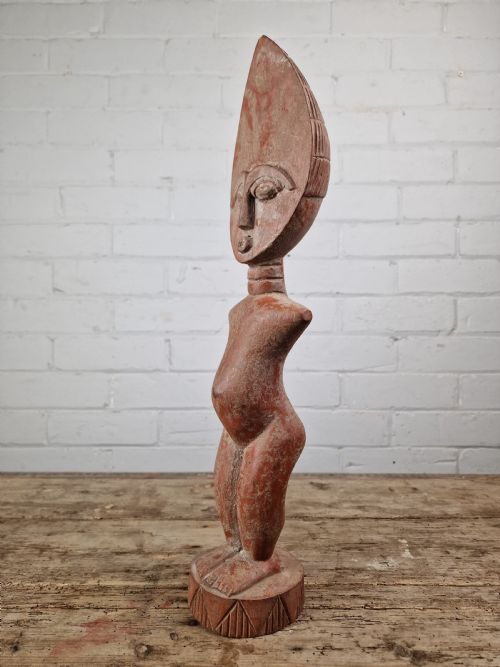
These reddish brown sculpture examples bring organic warmth and traditional carving into a room.
Reddish Brown Sculpture
A reddish brown sculpture encompasses carved wooden figures, rootwood stands, and stone carvings originating from various global traditions. Buyers seeking a reddish brown sculpture encounter pieces ranging from African tribal figures to Chinese Qing Dynasty works and Japanese Meiji period models.
Forms vary from practical side tables and display pedestals to detailed figurative statues of deities, animals, and mythological beasts. Each piece reflects the specific cultural and material practices of its origin and period.
Materials and construction methods
Makers utilised dense natural materials such as boxwood, hardwood, root wood, rootwood, and mahogany to construct these works. Wood carving and root carving techniques allowed artisans to follow the natural contours of the material, particularly in organic forms and rootwood tables.
Stone elements such as soapstone and quartz appear alongside organic timber components, sometimes complemented by pigment or lacquer finishes. Artisans applied intricate hand-chiselling and smoothing methods to achieve detailed figurative expressions and polished surfaces.
The listings span the nineteenth century through nineteen thirty, featuring materials like root wood, hardwood, quartz, and soapstone across various cultural origins.
Assessing quality in the collection
The depth of the patina and the integrity of the wood grain significantly influence the visual impact of each piece. Superior examples maintain structural harmony between natural timber forms and human intervention.
The Reddish Brown Sculpture Glossary
- Rootwood
- Wood sourced from the root system of a tree, prized for gnarled, twisting shapes that guide the form of the sculpture. Root wood furniture and decorative objects take advantage of these organic contours.
- Meiji Period
- A Japanese historical era lasting from eighteen sixty-eight to nineteen twelve, known for high levels of craftsmanship in metalwork and ceramic and sculpture. Works from this time often show refined naturalism.
- Qing Dynasty
- The final imperial dynasty of China, lasting from sixteen forty-four to nineteen twelve, celebrated for intricate hardwood carvings and decorative arts. Qing pieces frequently depict traditional symbols and auspicious animals.
- Patina
- The surface sheen and colour depth developed through age, handling, and natural oxidation of wood or stone. A good patina indicates genuine age and careful preservation.
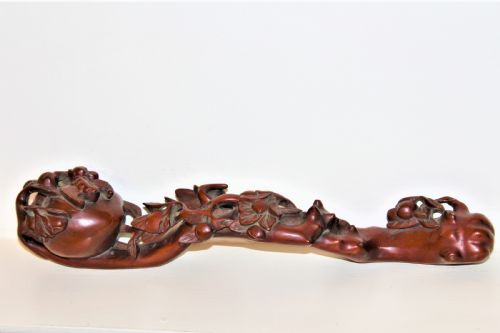
- Ruyi Sceptre
- A traditional Chinese decorative scepter shaped like a medicinal fungus, symbolising power and good fortune. They are often intricately carved from materials like boxwood.
Reddish Brown Sculpture: Frequently Asked Questions
What defines a rootwood carving?
A rootwood carving utilises the natural, irregular growth of tree roots to shape figures, tables, or decorative stands.
Artisans work with the twisting grain rather than against it, resulting in entirely unique organic silhouettes.
How do I care for wooden sculptures?
Wooden and rootwood items require stable indoor humidity and protection from direct sunlight to prevent timber splitting.
Dusting with a dry cloth keeps the surface clean without stripping the natural patina accumulated over the decades.
What is a ShiShi lion dog?
A ShiShi is a traditional guardian lion figure originating in Chinese culture and adopted throughout East Asian art.
These mythical beasts symbolise protection and are frequently rendered in stone, ceramic, or wood during the nineteenth century.
How can I identify nineteenth century pieces?
Nineteenth century works often show tool marks consistent with hand-carving before mass production standardisation took over.
Examination of the wood density, wear patterns, and finish type helps confirm the historical period.