


Chinese Cloisonne Vessel
A chinese cloisonne vessel brings vibrant colour and meticulous wirework into a room, offering centuries of decorative art tradition.
Chinese Cloisonne Vessel
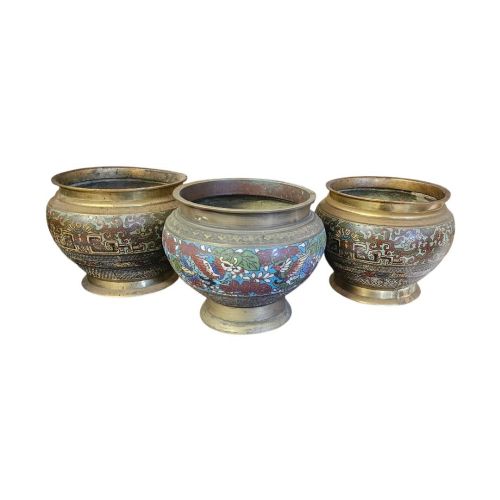
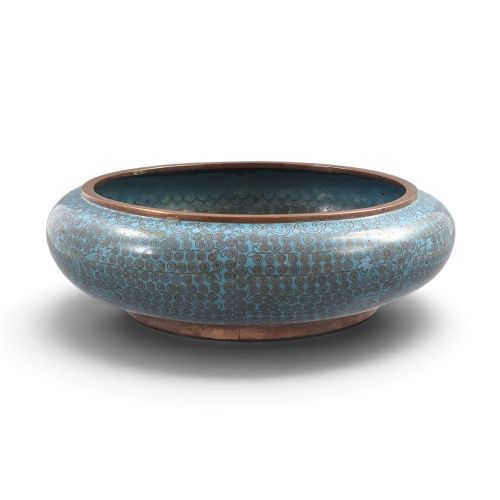
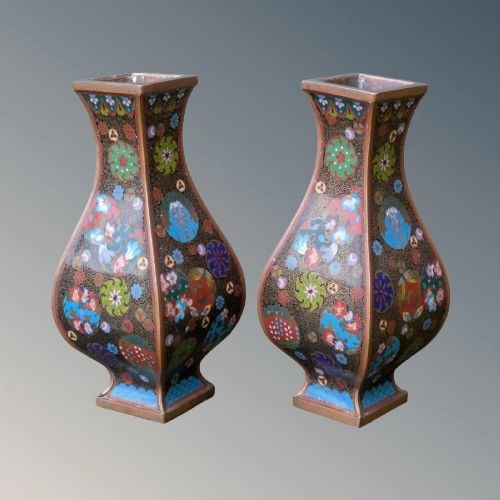
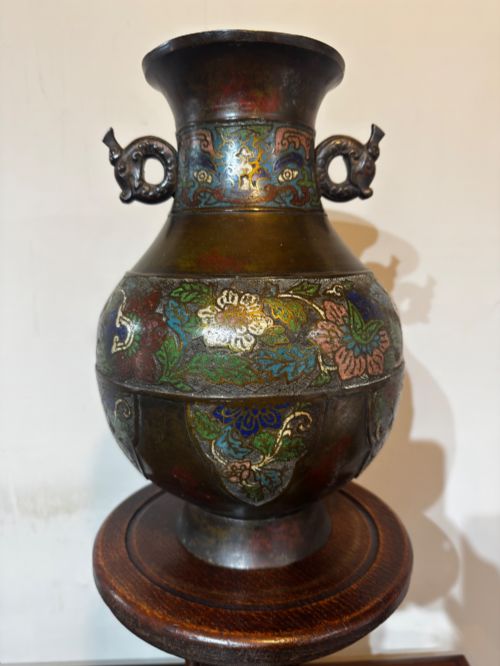
A chinese cloisonne vessel takes several forms across this selection, including vases, jardinières, censers, bowls, and wine vessels. These items span periods from the nineteenth century through to the mid-twentieth century, capturing Qing Dynasty traditions alongside later export decorative art.
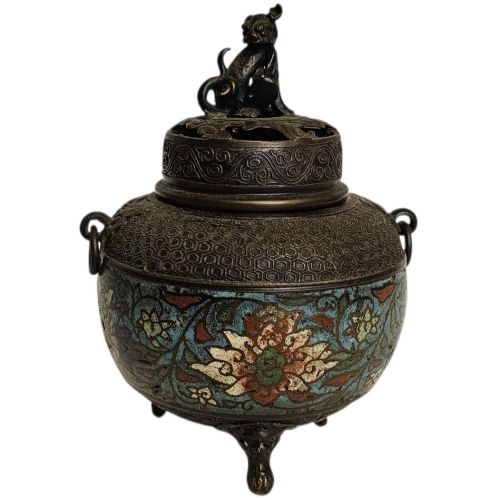
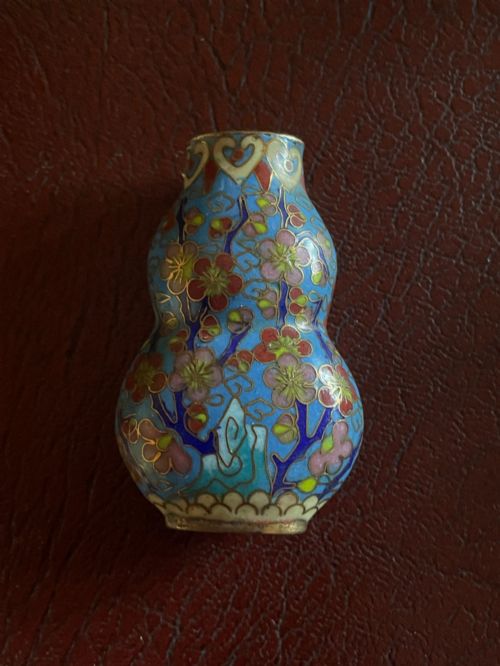
Vases and decorative vessels dominate the selection, often appearing in pairs or single display pieces. Buyers encounter various scales, from miniature vases to large jardinières and lidded koros intended for prominent placement.
The objects reflect distinct stylistic influences, ranging from archaic vessel shapes like the jue cup to export designs and scholar's items such as brush washers and ashtrays.
How they were made
Makers construct a chinese cloisonne vessel by soldering thin metal wires, usually copper, brass, or bronze, onto a metal base to form raised partitions or cloisons. Workers then fill the resulting cells with coloured enamel paste before firing and polishing the surface.
Gilt bronze, copper alloy, and silver provide structural foundations for different items, sometimes incorporating jade rims or fabric elements. Artisans apply distinct techniques like champlevé, where enamel fills recessed troughs rather than wire cells, alongside standard cloisonné work.
Among the metal and enamel creations, a woolly ewe occasionally appears alongside stem cups and wine vessels.
What varies in quality
Quality separates through the precision of the wirework and the density of the enamel infill. Finer examples display crisp, uniform compartments and a smooth, evenly polished surface where metal lines remain distinct from the surrounding colours.
The weight and finish of the underlying bronze or copper alloy contribute to the overall standard of the piece. Superior items exhibit intricate detailing, balanced proportions, and careful integration of decorative motifs such as dragons or floral patterns.
The Chinese Cloisonne Vessel Glossary
- Cloisonné enamel
- A metalwork technique where flat wire soldered to a metal body creates compartments filled with coloured glass paste before firing.
- Champlevé
- An enamel method where troughs or cells are carved or cast directly into a metal surface to hold the enamel.
- Koro
- A traditional incense burner, often featuring a lid and tripod feet, frequently rendered in bronze and cloisonné.
- Jardnière
- A large decorative pot or bowl designed to hold plants or flowers, often displayed on a stand.
- Archaic
- A design style referencing ancient ritual bronzes from early Chinese dynasties.
Chinese Cloisonne Vessel: Frequently Asked Questions
How do I date a chinese cloisonne vessel?
Dating relies on examining the metal base, the palette of the enamel colours, and the style of the wiring. Nineteenth-century pieces often display heavier bronze foundations and distinct traditional motifs compared to later twentieth-century examples.
Changes in manufacturing techniques and export demands across the Qing Dynasty and Republic periods also help establish a chronological window for each object.
Where were these vessels placed?
These items served various functions within scholarly and domestic interiors, from burning incense in censers to washing brushes on a scholar's desk. Jardinières held plants, while vases and lidded koros acted as ornamental centrepieces in reception rooms.
Export pieces were frequently created specifically for Western mantelpieces and display cabinets, blending traditional craftsmanship with contemporary interior tastes.
What is the difference between cloisonne and champleve?
Cloisonne involves soldering thin wire strips onto a metal surface to form individual cells for enamel. Champleve uses recessed channels carved or cast straight into the base metal to hold the coloured paste.
Both techniques create patterned surfaces, but champleve produces bolder metallic outlines defined by the carved body rather than applied wire.
How should I clean my vessel?
Dusting gently with a soft, dry cloth is usually sufficient for regular maintenance. Avoid liquid cleaners, abrasive pads, or chemical polishes that can damage the delicate enamel surface or remove the gilding.
Professional conservation advice is recommended if deeper cleaning becomes necessary due to accumulated dirt or age-related wear.