



Chinese Carved Accent Tables
Chinese carved accent tables bring centuries of craftsmanship and dense timber into rooms that need a steady surface for lamps or plants.
Chinese Carved Accent Tables
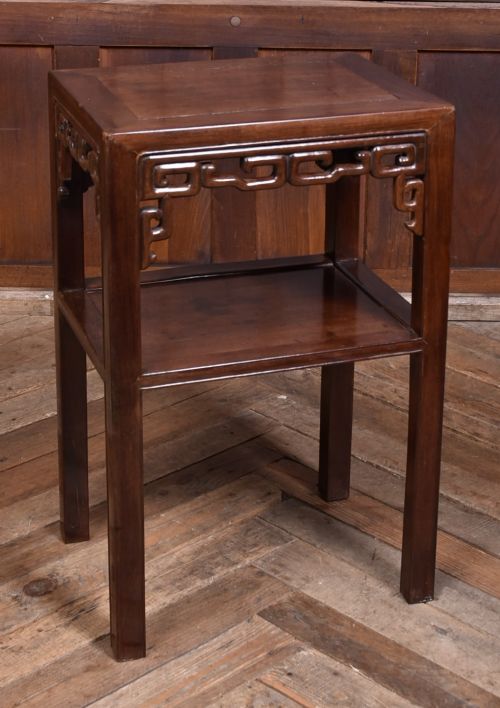
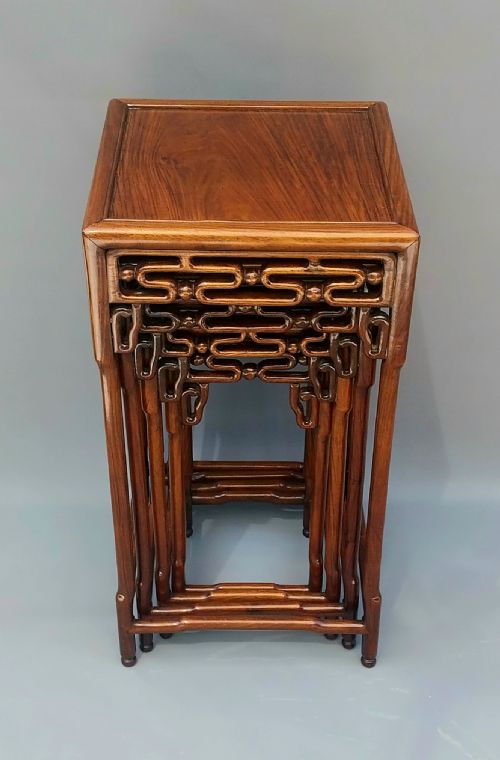
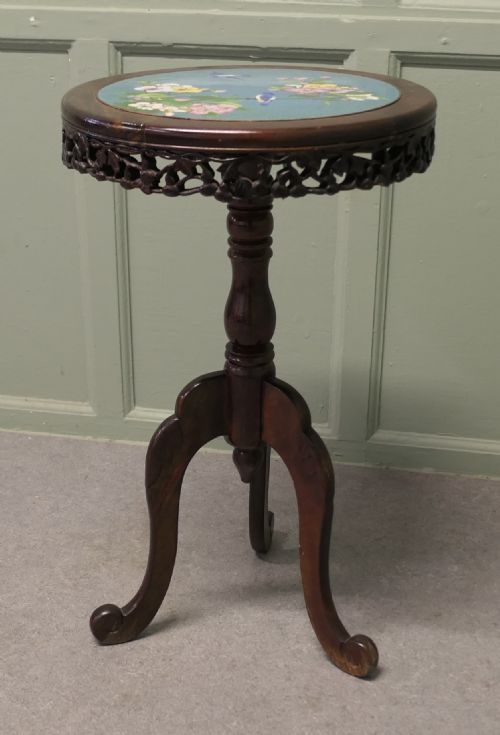
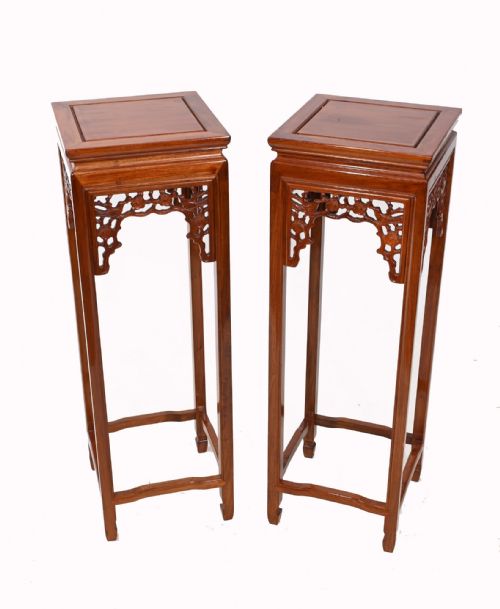
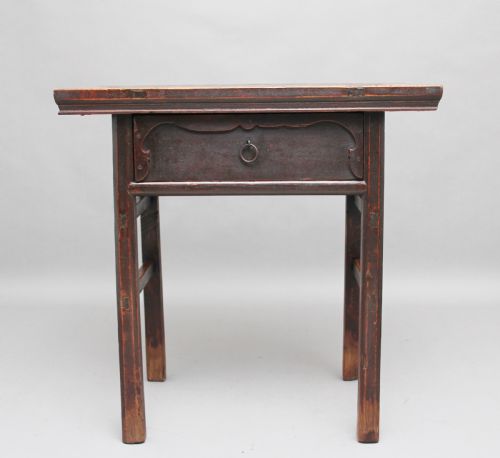
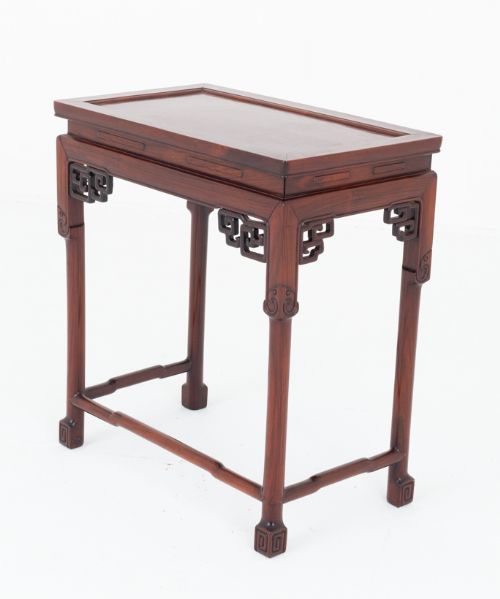
Chinese carved accent tables encompass a variety of low and high furniture forms including plant stands, occasional tables, coffee tables, and nests of four tables. When looking through these listings, you will frequently encounter pieces designed to hold urns, vases, or small decorative objects rather than heavy dining.
The majority of these items originate from the nineteenth century, spanning periods from the late Qing Dynasty through to the early twentieth century. Common physical formats include round occasional tables, square side tables, and multi-tiered pedestals suited for compact spaces.
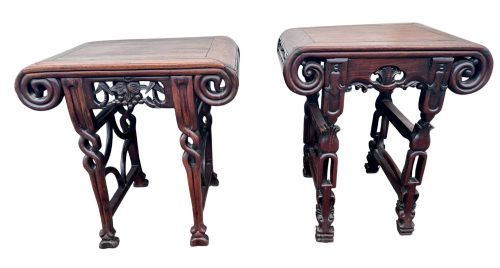
Makers and workshops constructed these stands to serve functional roles in traditional and export interiors, relying on distinct regional forms like the opium coffee table or the taller jardiniere stand. Their silhouettes range from simple geometric shapes to deeply carved panels showing dragons, birds, and flowers.
Materials and construction methods
Carpenters utilised dense tropical timbers such as Hongmu, rosewood, elm, and general hardwood, selecting materials that could support intricate hand carving without splintering. These woods often display deep natural grain and dark tones that were polished to a subtle sheen.
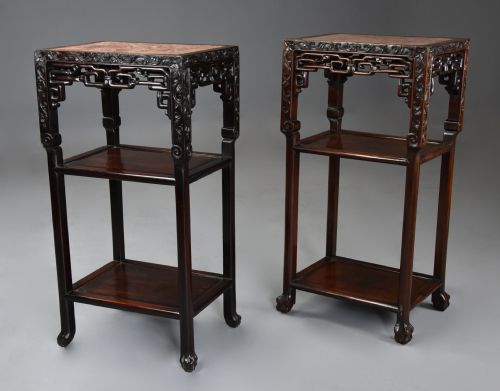
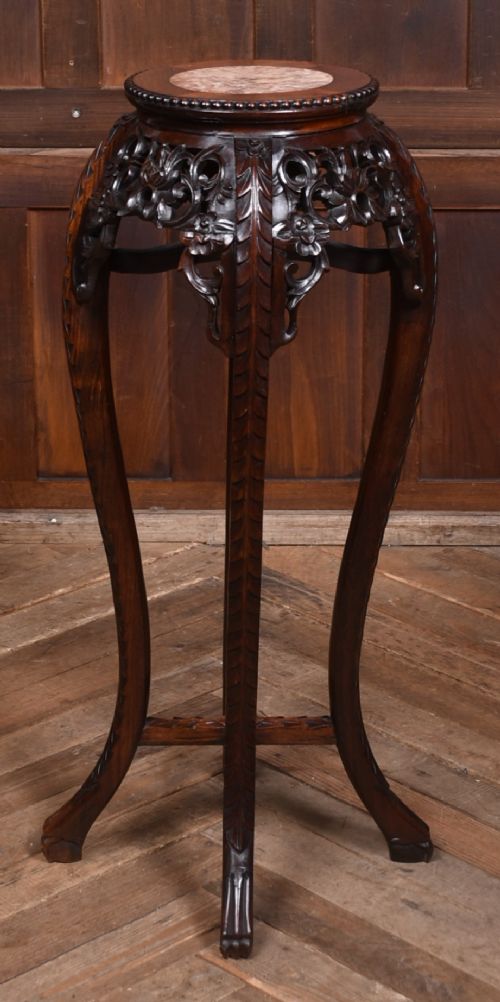
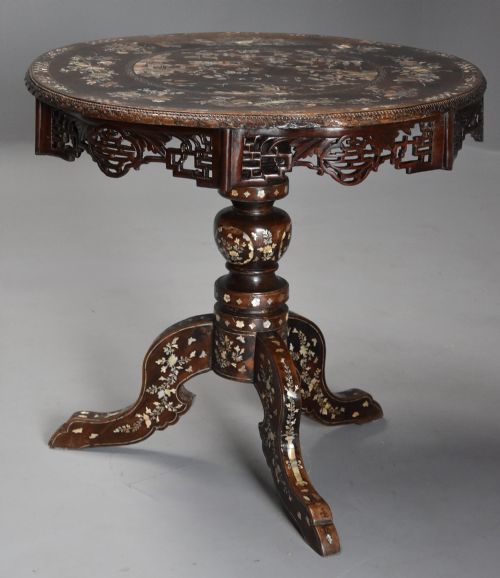
Many surfaces incorporate inset panels of veined marble or detailed mother of pearl inlay, contrasting smooth stone against dark carved wood. Joinery techniques relied on precise interlocking joints to assemble frames without relying excessively on metal fasteners.
Current listings feature pieces spanning the nineteenth century, Victorian era, and early twentieth century up to nineteen twenty.
Distinguishing quality in carving and timber
The standard of a piece rests primarily on the depth and crispness of the hand carving, where sharper undercut details separate superior examples from softer, shallower work. Artisans who spent more time defining scales on dragons or feather patterns on birds produced work with greater visual dimension.
The selection and stability of the primary timber also determine grade, particularly in pieces featuring dense Hongmu or figured rosewood alongside well-fitted marble inserts. Uniformity in the wood grain and structural rigidity without excessive modern glue repairs indicate careful original workshop production.
The Chinese Carved Accent Tables Glossary
- Hongmu
- A dense, heavy Chinese hardwood prized for its dark red-brown colour and suitability for intricate carving. It translates literally as red wood.
- Jardiniere stand
- A tall pedestal or small table specifically designed to support a plant pot or flower bowl. These stands often feature a marble inset top to protect the wood from moisture.
- Mother of pearl
- The iridescent internal layer of mollusc shells, cut into thin sections and embedded into wood surfaces to create shimmering floral or geometric patterns.
- Nest of tables
- A set of graduated tables designed to fit neatly beneath one another when not in use. They became particularly popular in sets of four during the nineteenth century.
- Qing Dynasty
- The final imperial dynasty of China, ruling from 1644 until 1912. Many decorative items on the market date from the late nineteenth or early twentieth century phases of this period.
Chinese Carved Accent Tables: Frequently Asked Questions
What were Chinese carved accent tables used for?
These tables served primarily as display surfaces within the home rather than for daily dining or writing. Households placed them in reception rooms to hold heavy porcelain vases, decorative planters, or oil lamps.
Smaller variants functioned as tea tables or occasional surfaces where hosts could serve guests. Their compact footprints allowed them to sit easily in corners or beside seating without crowding the room.
How do I identify a Qing Dynasty table?
Qing Dynasty pieces generally display deep relief carving, traditional motifs such as dragons or prunus blossom, and dense timbers like Hongmu or rosewood. Structural joinery follows historical Chinese furniture traditions rather than Western factory methods.
Examining the underside and joints reveals hand-cut tenons and natural ageing of the wood. The presence of traditional export styles or late nineteenth-century dating markers further supports attribution to this era.
Are marble top stands fragile?
The marble inserts are heavy and solid, but they rest within wooden rebates rather than holding structural tension. They provide a cool, water-resistant surface intended to bear the weight of damp flower pots or heavy bronze vessels.
While the stone itself is durable, care must be taken when moving the table to prevent the heavy inset slab from shifting or chipping at the corners.
Can I use these tables in modern rooms?
Their compact scale and dark timber tones allow these tables to integrate smoothly beside contemporary sofas or minimalist seating. They function effectively as bedside tables, lamp stands, or singular accent pieces in hallways.
Mixing antique Oriental woodwork with modern interiors adds textural contrast and practical surface space without overwhelming the room layout.