


Charles II Storage Chest
A charles ii storage chest brings robust seventeenth-century craftsmanship into a modern interior, offering deep storage within heavy timber panels.
Charles II Storage Chest
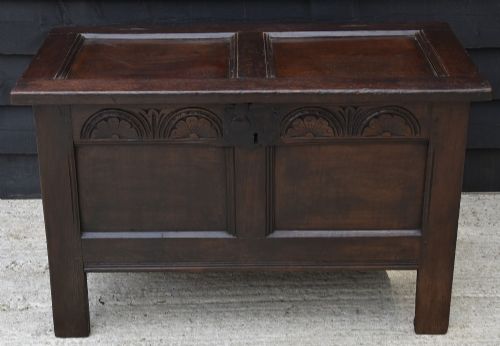
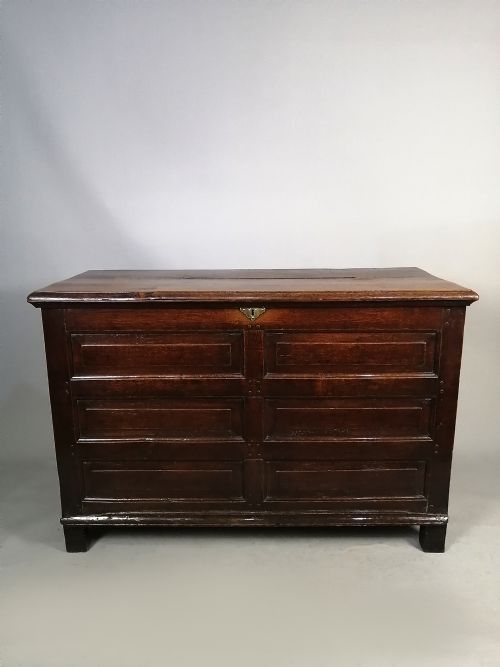
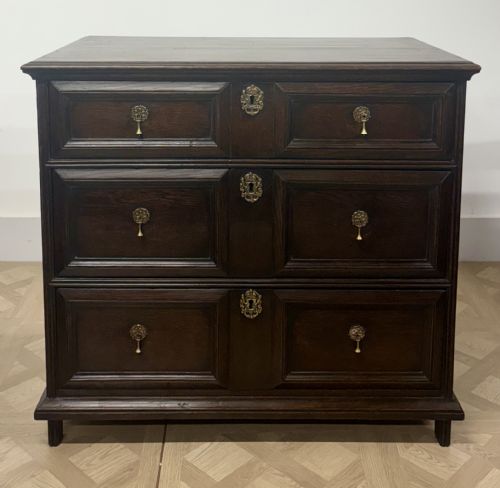
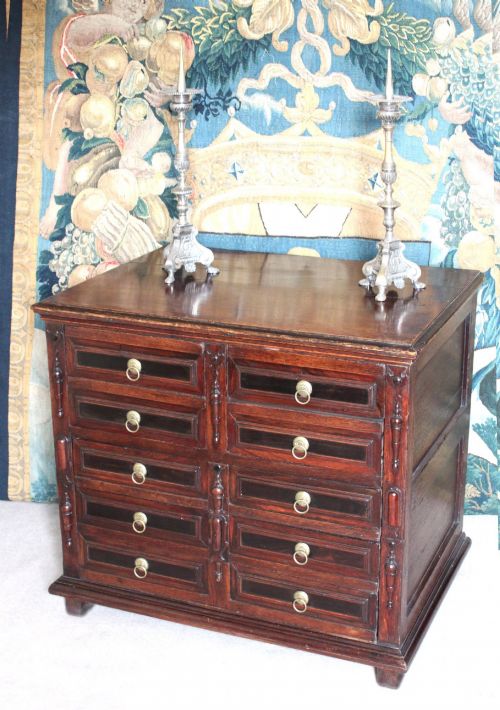
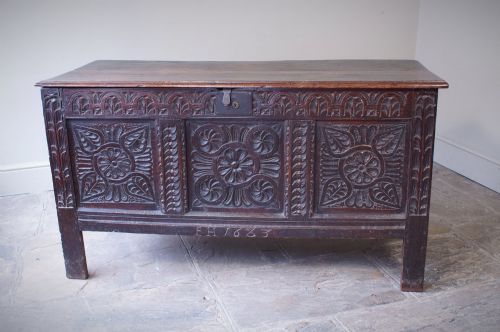
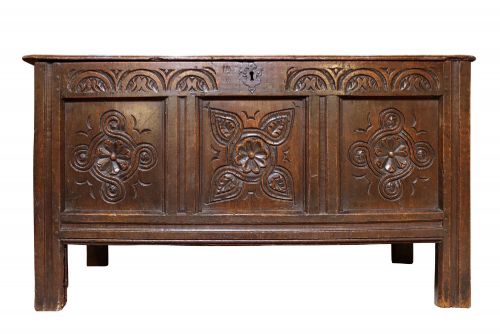
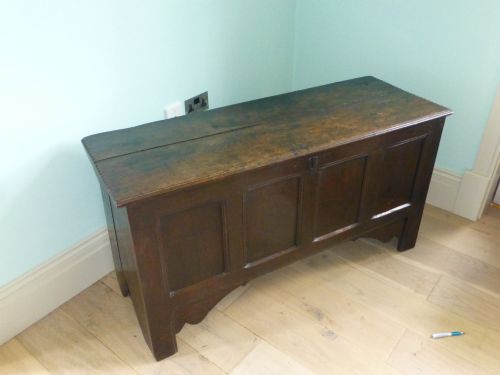
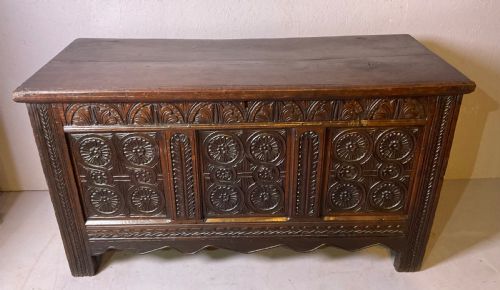
When searching for a charles ii storage chest, a buyer encounters heavy timber furniture built during the seventeenth century. These pieces appear predominantly as hinged coffers, mule chests, and sturdy chests of drawers originating from regional English workshops.
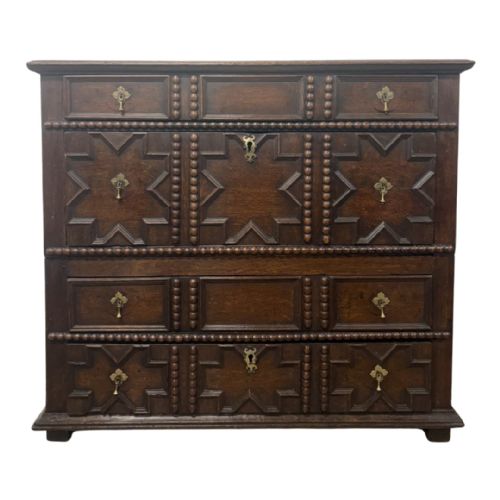
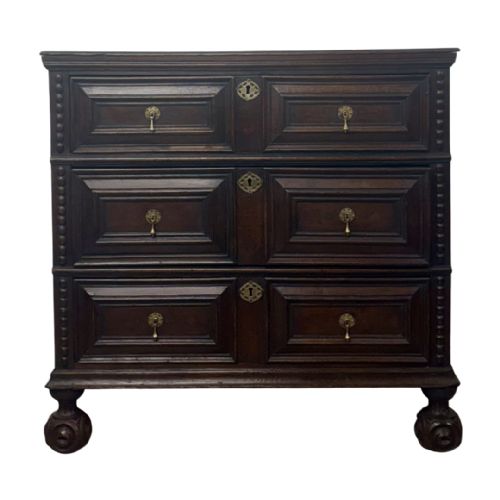
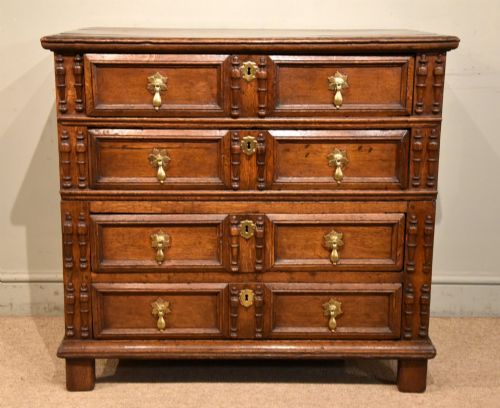
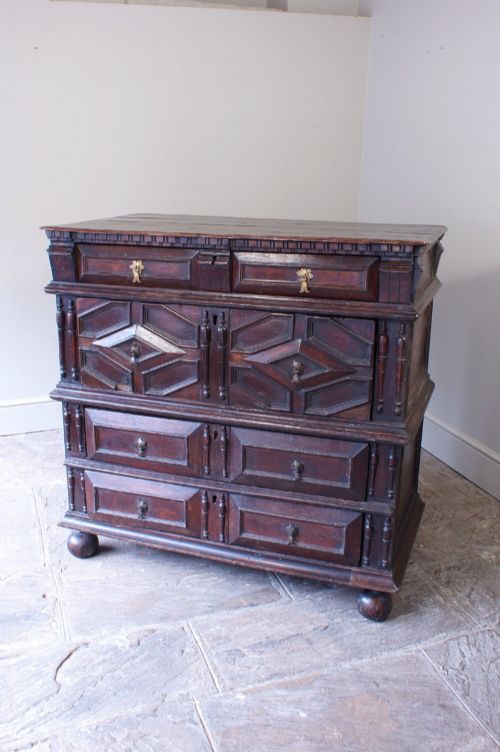
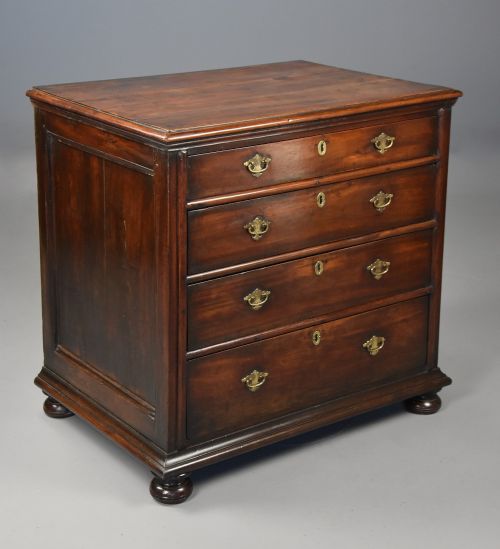
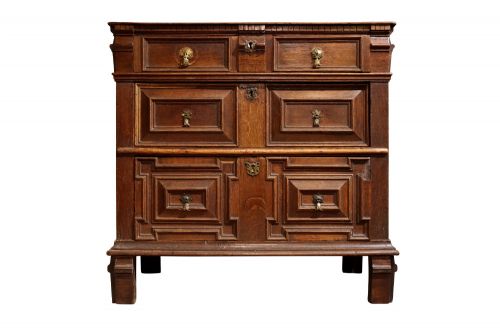
The version most commonly met on this page is the oak coffer or panelled box, often constructed with frame-and-panel techniques. Alongside these are two-part chests of drawers featuring geometric mouldings and pegged joints typical of the Carolean period.
Materials and Construction
Joiners built these items primarily using solid oak, alongside occasional examples in fruitwood, walnut, and regional timbers. Construction relied heavily on mortise-and-tenon joints secured with wooden pegs, creating rigid frames designed to withstand heavy domestic use.
Surface decoration involved scratch carving, geometric panelling, and wood inlay. Metalwork such as iron hinges, latches, and brass handles provided functional security and structural reinforcement.
The listings span the seventeenth century, concentrating heavily on oak and featuring structural hardware in brass and iron.
Design and Finish
Quality varies according to the crispness of the original carving and the complexity of the geometric mouldings. Pieces exhibiting well-defined panel work and untouched patination sit distinctly apart from heavily restored alternatives.
The choice of timber grain and the survival of original integrated hardware also influence the character of each piece. Subtle variations in regional design, such as West Country or Welsh detailing, separate standard examples from more refined regional works.
The Charles II Storage Chest Glossary
- Coffer
- A large wooden box with a hinged lid used for storage. These vessels formed a primary storage solution in seventeenth-century homes before chests of drawers became common.
- Geometric moulding
- Raised wooden strips applied to drawer fronts or panels in angular patterns. This decorative technique created depth and shadow on Carolean furniture.
- Mule chest
- A storage chest featuring one or more drawers at the base beneath the main compartment. This form bridges the traditional coffer and the modern chest of drawers.
- Frame and panel
- A method of construction where a central wooden panel floats within a grooved outer frame. This technique accommodates the natural expansion and contraction of timber.
Charles II Storage Chest: Frequently Asked Questions
What is a charles ii storage chest?
A charles ii storage chest is a heavy wooden box or set of drawers made in England during the seventeenth century. These items were designed to hold textiles, valuables, and household goods.
They represent early domestic storage, combining sturdy mortise-and-tenon framing with traditional oak materials and functional iron or brass hardware.
How were these chests used?
Households utilised these pieces primarily for storing clothing, linens, and documents securely away from damp floors and pests. The hinged lids and deep interior spaces accommodated bulky textiles.
Over time, forms evolved to include drawers at the base or transformed entirely into multi-drawer chests for easier access to stored garments.
How do I live with one?
Placing a seventeenth-century chest in a modern room requires stable indoor humidity away from direct heat sources to protect the aged timber. These pieces function well as coffee tables, hallway benches, or bedroom storage.
Their substantial presence anchors a room while providing practical enclosed space for blankets and modern clutter.
How do I tell periods apart?
Identifying the period involves looking at construction methods, timber choices, and decorative motifs such as scratch carving or geometric mouldings. Seventeenth-century pieces typically display pegged joints and hand- cleft oak rather than modern machine-cut elements.
Regional traits, such as those from Wales or Yorkshire, also help date and locate the origin of the furniture.